Ace Pro 2 vs Action 5 Pro: Which Is Better in 2026?
Disclosure: We may earn a commission when you buy through links on this page, at no extra cost to you. As an Amazon Associate I earn from qualifying purchases. Learn more

Ace Pro 2 vs Action 5 Pro compared on sensor, battery, screens and price, with a clear pick for travel vloggers, riders and slow motion fans.
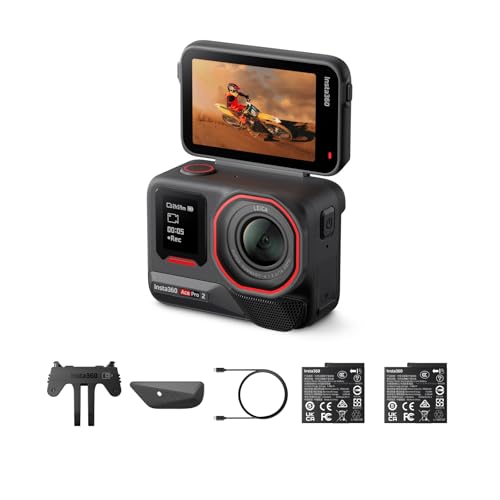
Both cameras use a 1/1.3-inch sensor and both ship in bundles that cost roughly the same, so the ace pro 2 vs action 5 pro decision comes down to what you shoot, not which spec sheet looks bigger. The Insta360 leans toward image detail and AI editing. The DJI leans toward battery life, two screens and rugged everyday use.
This comparison walks through sensor and lens, resolution, screens, battery, mounting, audio and price, then ends with a clear call for each type of shooter.



Ace Pro 2 vs Action 5 Pro: The Short Answer
Pick the Insta360 Ace Pro 2 if you want the sharper picture, 8K recording and a Leica lens, and you plan to edit clips or print stills. Pick the DJI Osmo Action 5 Pro if you ride, ski or film long days and want a second front screen, strong battery life and quick 4K at high frame rates.
Neither camera is a bad buy. The gap shows up in how you use footage after the shoot, and in how often you want to recharge in the middle of a trip.
Sensor, Lens and Image Quality
The Ace Pro 2 pairs its 1/1.3-inch sensor with a Leica Summarit lens and a dual AI chip, one of them a dedicated imaging chip for noise reduction. Insta360 lists 13.5 stops of dynamic range, 4K60 Active HDR and exclusive Leica color profiles, so footage comes out with a more cinematic, contrasty look straight from the camera.
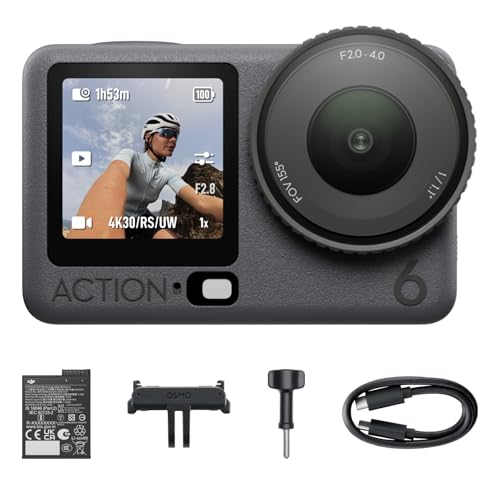
The Osmo Action 5 Pro uses a sensor of the same size with 2.4 micron pixels and also lists 13.5 stops of dynamic range. DJI adds a color temperature sensor that sets white balance automatically, which helps when you jump from bright sand to shaded forest or go underwater. Colors tend to feel more neutral and less stylized.
In practice the Ace Pro 2 gives you more room to crop and grade, while the Action 5 Pro gives you consistent results with less fiddling.
Resolution and Frame Rates
The Ace Pro 2 records 8K at 30 frames per second and 4K at 60. That extra resolution is useful if you reframe a wide shot into a tighter crop or want 50MP stills pulled from the same camera.
The Action 5 Pro tops out at 4K, but it does 4K at 120 frames per second. That is the better tool for smooth slow motion of a downhill run, a surf wave or a bike jump. If your edits are mostly 1080p or 4K social clips, the slow motion is often more useful than 8K.
Screens and Handling
The Ace Pro 2 has a 2.5-inch flip touchscreen that tilts for selfies and vlogging, and its magnetic mounting lets you swap accessories quickly. A flip screen is handy on a gimbal or handlebar, though it has no second display on the front of the body.
The Action 5 Pro has two OLED touchscreens, one front and one rear. Framing yourself is easier because you never need to flip anything, and voice control stays on standby so you can start recording with gloves on. It also pairs directly with the DJI Mic 2 or Mic Mini transmitter without a separate receiver, a real convenience for talking to the camera while moving.
Battery, Waterproofing and Storage
DJI states a 1950mAh battery, up to 4 hours of recording in its own conditions, 3.6 hours in freezing weather, and IP68 protection for use to 20 meters. The Adventure combo adds extra batteries and a case, which matters for all-day trips, and the camera also lists built-in storage that takes the edge off forgotten memory cards.
Insta360 lists waterproofing to 12 meters (39 feet) without a case and a stronger flip mechanism than the first Ace Pro. Dual battery bundles are available, and they are worth the extra money if you shoot at 8K, since high resolution drains a pack faster.
- Choose a dual or three battery bundle whichever camera you buy, since single batteries run out sooner than most people expect.
- Confirm that the bundle includes a mount or case you will actually use, not extras you will leave in a drawer.
- Add a fast microSD card suitable for high bitrate video if the bundle does not include storage.
Software, Editing and Extras
Insta360 builds its identity on the app. AI editing, noise reduction, PureVideo low light mode up to 4K60, 4K Clarity Zoom and phone, Apple Watch or Garmin data overlays all live there. If you like to turn clips into finished videos on your phone, this is the stronger ecosystem.
DJI's app is simpler, but the camera itself does more on its own: subject tracking in horizontal or vertical framing, 360 degree HorizonSteady stabilization and direct microphone pairing. Both brands have wide accessory support, from magnetic quick-release mounts to ND filters. For related models, see our guide to the DJI Osmo Nano and the broader best action camera roundup.
Price and Value
Current bundles for the Ace Pro 2 run from around $370 for a single battery set up to around $450 or more for packages with accessories. The Action 5 Pro sits from around $310 for the Essential combo to around $420 for the Adventure combo. Compare what is in each box before you decide, since bundles with extra batteries and a case often cost less than buying parts later.
For a pure value comparison, the DJI delivers more camera-body features per dollar, while the Insta360 charges for its resolution and lens.
Who Should Buy Which
Choose the Ace Pro 2 if
You want the best image detail you can get from a pocket camera, you crop in post, and you enjoy AI-assisted editing on your phone. It also suits travel vloggers who shoot in mixed light and care about color profiles.
Choose the Action 5 Pro if
You ride, ski, dive or film for long stretches and want a dependable battery, a front screen, and 4K at 120 frames per second. It also suits anyone who mounts the camera on a helmet and wants simple voice control and direct microphone pairing.
FAQ
Is the Ace Pro 2 better than the Action 5 Pro?
The Ace Pro 2 is better for image detail, 8K video and phone editing features. The Action 5 Pro is better for battery life, 4K at 120 frames per second and dual screens, so neither wins for every shooter.
Which has the better low light performance?
Both use a 1/1.3-inch sensor with large pixels. The Insta360 adds PureVideo mode and a dedicated imaging chip, while the DJI relies on its sensor and automatic white balance, so the Insta360 has a small edge in dim scenes.
Which is more waterproof?
The Action 5 Pro lists 20 meters without a case, and the Ace Pro 2 lists 12 meters. Follow the maker's guidance for depth, and use a dive case if you plan to go deeper.
Which one is easier for beginners?
The Action 5 Pro is a bit simpler, since the front screen, voice control and presets work without opening an app. The Ace Pro 2 rewards patience with stronger editing tools.
Final Verdict
The ace pro 2 vs action 5 pro choice is close on paper but clear in use: take the Insta360 for detail and editing, and the DJI for battery, screens and slow motion. Check the contents of each bundle in the table above and buy the one that matches your most common shoot.