Action Camera Buying Guide for 2026: What to Look For
Disclosure: We may earn a commission when you buy through links on this page, at no extra cost to you. As an Amazon Associate I earn from qualifying purchases. Learn more

Action camera buying guide to sensor size, stabilization, waterproofing, battery and budget, so you pick the right camera for your activity.
This action camera buying guide explains the specs that change your footage, from sensor size and stabilization to waterproofing and battery, so you can choose a camera for cycling, diving, skiing, travel or vlogging. Prices range from around $70 for a basic 4K camera to more than $450 for flagship models, and the gap between them is easier to understand once you know what each feature does.
The sections below move from the choices that matter most to the smaller extras, and finish with a buying checklist.


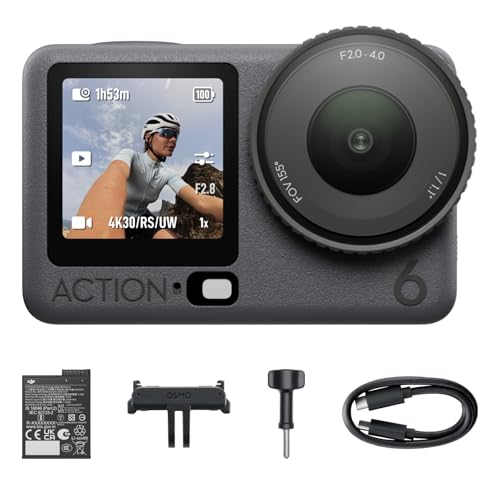


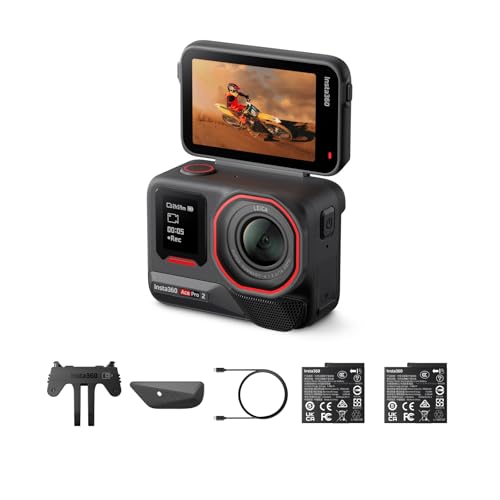

Action Camera Buying Guide: Start With Your Activity
The activity decides almost everything. A cyclist or motorcyclist needs strong stabilization and a mount that survives vibration. A diver needs depth rating and a housing. A traveler wants a small camera with long battery life and a good screen. A parent filming kids wants simple controls and a durable body.
Write down your top two activities before you shop, and weigh every feature below against them. A feature that sounds impressive, such as 8K video, matters far less than reliable stabilization if you mostly film bike rides.
Video Resolution and Frame Rate
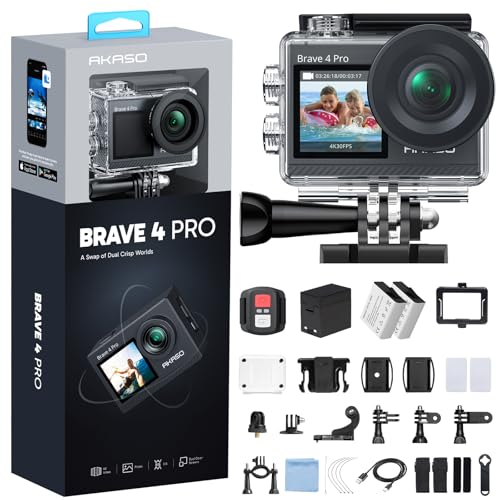
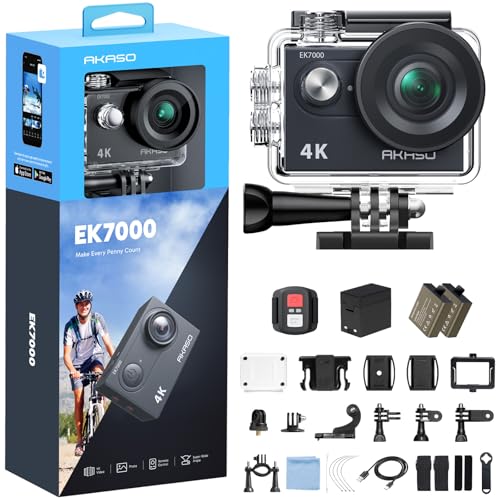
Budget cameras such as the AKASO EK7000 record 4K at 30 frames per second, which is fine for sharp, casual clips. Midrange and flagship models add 4K at 60 or 120 frames per second, which gives smooth slow motion. The DJI Osmo Action 5 Pro lists 4K at 120fps, the GoPro HERO12 Black lists 5.3K at 60fps, and the Insta360 Ace Pro 2 reaches 8K.
Higher resolution produces larger files and drains batteries faster, so choose 4K unless you need to crop in editing. A frame rate of 60 or more matters for sports and slow motion.
Sensor Size and Low Light
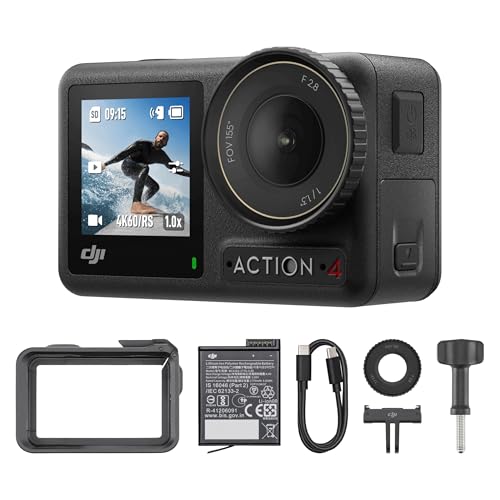
Small sensors struggle in dim light and make noisy footage. Premium models use a 1/1.3-inch sensor, listed on the DJI Osmo Action 4 and 5 Pro, the Insta360 Ace Pro 2 and the Osmo Action 6 with a larger 1/1.1-inch sensor. A bigger sensor gives cleaner video at dusk, in forests and underwater.
If you shoot mostly in daylight, a budget camera can look good. If you ride at sunrise, ski in flat light or film indoors, a larger sensor is worth the extra money.
Stabilization
Electronic image stabilization smooths shaky footage, and the best versions use gyroscope data to also level the horizon. GoPro lists HyperSmooth 6.0, DJI lists 360 degree HorizonSteady, and Insta360 lists FlowState. Budget models mention EIS or EIS 2.0 with a six-axis gyroscope, which helps but is less effective at high speed.
For biking, skiing and motorsports, put stabilization near the top of your list. For static scenes, it matters less.
Waterproofing, Durability and Battery
Many flagship cameras are waterproof without a case: the GoPro HERO12 lists 33 feet (10m), the Insta360 Ace Pro 2 lists 39 feet (12m) and the DJI Osmo Action 5 Pro lists 20 meters. Budget cameras such as the AKASO Brave 4 Pro list 131 feet but with the included waterproof case, which is bulkier and can fog.
Battery life is listed up to about 4 hours for the Osmo Action 5 Pro under the maker's own measurement conditions. Real life is shorter at high resolution and in cold weather. Buy a bundle with extra batteries if you film all day.
- Cold-resistant batteries matter for skiing and winter riding.
- Dual battery bundles reduce the chance of missing a moment.
- Check whether a memory card is included, since many listings sell the camera without one.
Screens, Controls and Audio
A front screen helps with vlogging, and the Osmo Action 5 Pro and AKASO Brave 4 Pro both offer one. Touchscreens make menus easy, but physical buttons help in gloves. Voice control is available on many models and works best within a meter.
Audio is often overlooked. Wind noise is a common problem, so look for wind reduction or an external microphone option, such as the DJI Mic connection the Osmo Action 5 Pro supports.
Budget Tiers: What You Get at Each Price
Around $70 to $110 buys a 4K30 camera with a waterproof case, a remote and an accessory kit, such as the AKASO EK7000 or the Brave 4 Pro. Around $190 to $340 buys a DJI Osmo Action 4 with a 1/1.3-inch sensor, 4K at 120fps and cold-resistant battery design. Around $300 to $450 buys the newest DJI, GoPro or Insta360 flagships with dual screens, 8K or advanced AI features.
Spend more only for the features you will use. If you film twice a year on holiday, a mid priced camera is plenty. If you film every week, the better stabilization, battery and low light quality pay for themselves in footage you can keep.
Common Mistakes to Avoid
- Buying on resolution alone: 5.3K or 8K does not fix poor stabilization or a small sensor.
- Forgetting the memory card: most listings sell the camera without one, and you need a fast microSD card for high bitrate video.
- Ignoring the case: budget cameras need their waterproof housing for depth, which blocks sound and can fog.
- Skipping spare batteries: a flagship camera drains quickly at high frame rates.
- Choosing a 360 camera when you want normal clips: 360 footage needs reframing before you can share it.
Which Type Suits You
Budget cameras
The AKASO EK7000 and Dragon Touch models give you 4K video and a waterproof case at a low price. They suit casual use, kids and a first camera.
Flagship action cameras
DJI, GoPro and Insta360 models offer larger sensors, better stabilization, built-in waterproofing and strong accessories, which pay off for frequent sports and travel use.
360 and tiny cameras
The Insta360 X4 shoots 360 degree video that you reframe afterward, and the Insta360 GO Ultra is a tiny 53 gram magnetic camera for hands-free filming.
Accessories and Setup
Mounts matter as much as the camera. Pick a magnetic or quick-release system, a chest or helmet mount for sports and an extension pole for travel. For help getting started, read our guides on how to choose an action camera, how to set up an action camera and how to use an action camera.
FAQ
What is the best action camera for beginners?
A budget 4K camera such as the AKASO EK7000 is a low risk way to start, and a DJI Osmo Action model is a good step up with better stabilization.
Do I need 8K video?
No. 4K is enough for most people, and 8K mainly helps if you plan to crop footage heavily.
Is an action camera better than a phone?
For rugged, wet or high speed use, yes, because it is smaller, waterproof and easy to mount.
How important is the battery?
Very important for long outings. Buy extra batteries or a bundle that includes them.
Final Thoughts
A good action camera buying guide ends with a simple rule: match the camera to your activity, then compare stabilization, sensor and battery. Review the cameras in the table above and choose the budget that fits how often you will film.