
AMD vs Intel Graphics Card for 2026: Radeon Against Arc by Budget
Disclosure: We may earn a commission when you buy through links on this page, at no extra cost to you. As an Amazon Associate I earn from qualifying purchases. Learn more

AMD vs Intel Graphics Card: Radeon and Arc compared by budget tier, memory, features and compatibility, with a table and a simple way to decide.
Intel entered the graphics card market with its Arc line, and AMD has been there for decades with Radeon, so shoppers now have a real choice between two very different value offers. This guide to amd vs intel graphics card options compares them on price, performance tier, features and the compatibility details that decide whether a card works well in your PC.
The product table lists Radeon and Arc cards across several price levels. The sections below explain where each brand fits.


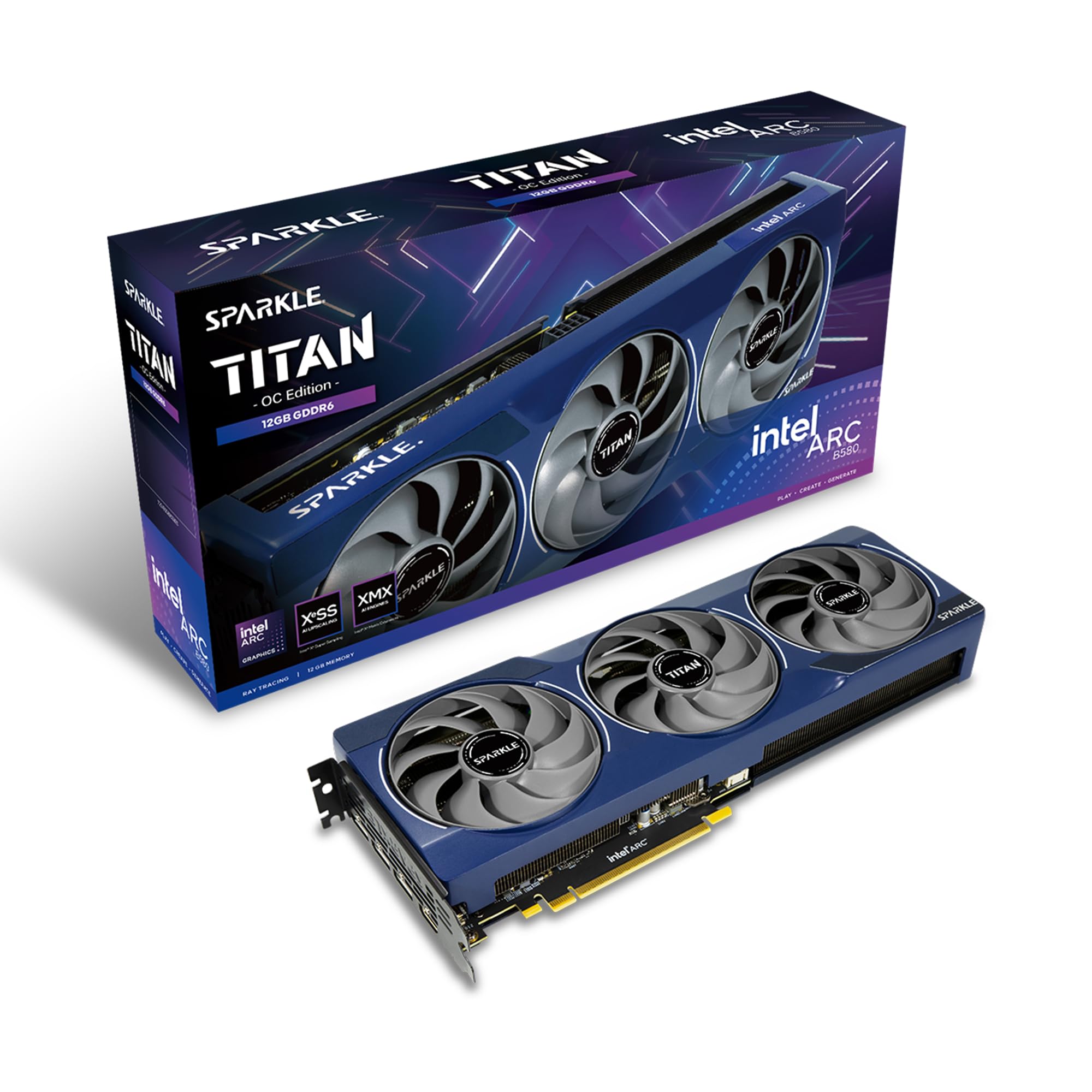

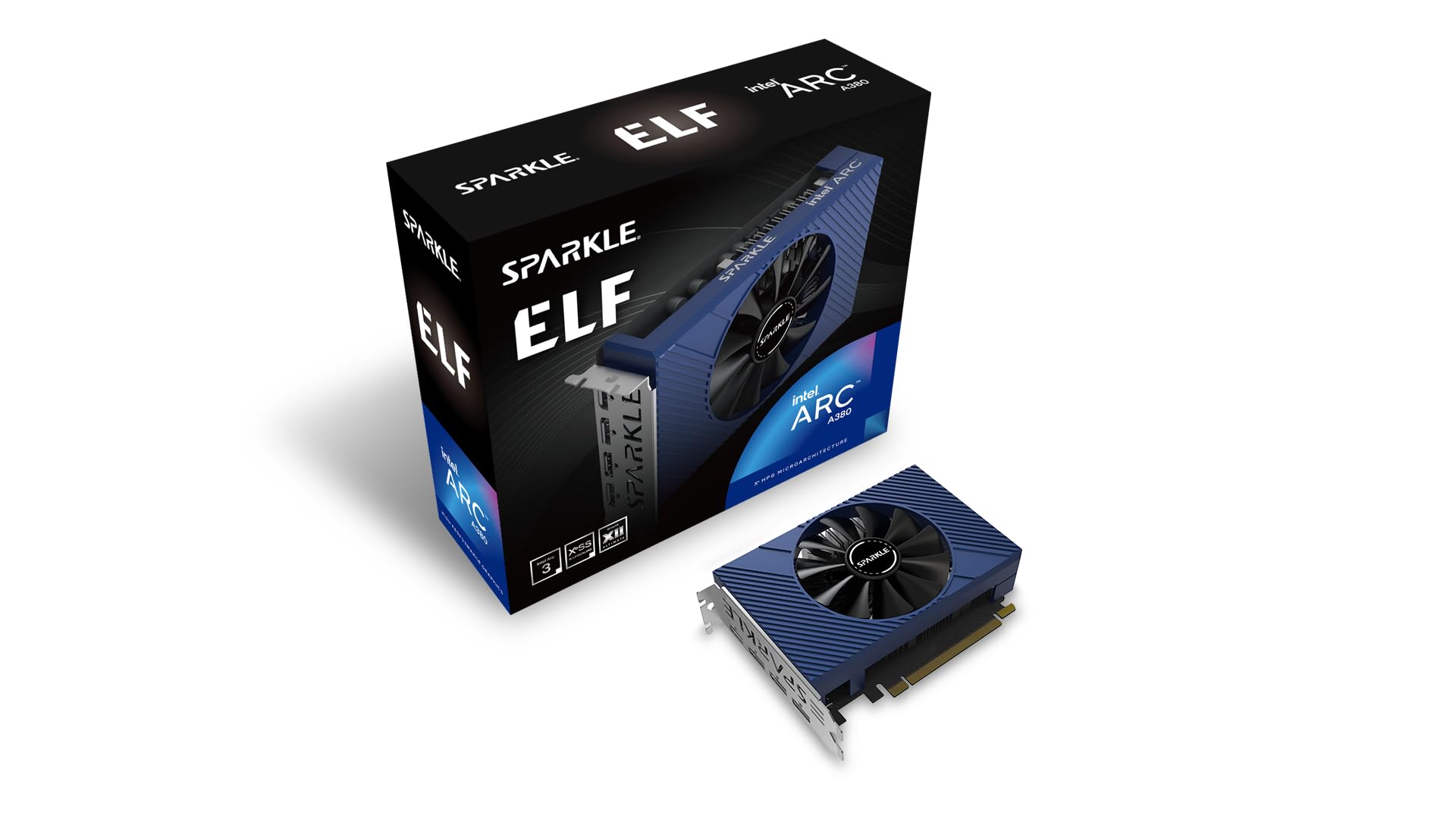
Where Each Brand Competes
Intel's Arc cards focus on the budget and lower mid-range. The Arc B580 lists 12GB of GDDR6 on a 192-bit bus, the B570 lists 10GB, and older Arc A-series cards such as the A380 with 6GB and the A310 with 4GB serve light gaming and media duty. AMD's Radeon range runs wider, from the older RX 7600 with 8GB through the RX 9060 XT in 8GB and 16GB versions to the RX 9070 and RX 9070 XT with 16GB at the high end.
| Tier | Intel Arc | AMD Radeon |
|---|---|---|
| Entry and media | Arc A310, Arc A380 | Older Radeon entry cards when stocked |
| Budget gaming, 1080p | Arc B570, Arc B580 | Radeon RX 7600 |
| Mid-range, 1440p | No current match | Radeon RX 9060 XT |
| High end, 1440p and 4K | No current match | Radeon RX 9070, RX 9070 XT |
Amd vs Intel Graphics Card: Gaming Performance
At the budget tier, the Arc B580 competes well with entry Radeon cards and gives generous memory for the money. It suits 1080p and many games at 1440p with lower settings. Above that tier Intel has no current card, so players who want high settings at 1440p or smooth 4K need a Radeon.
AMD's RX 9060 XT is the sweet spot for 1440p, and the RX 9070 and 9070 XT handle high refresh 1440p and 4K with upscaling. Both brands offer upscaling and frame generation, called XeSS from Intel and FSR from AMD.
Features and Software
Intel's listings highlight XMX engines for AI upscaling and XeSS 2, and AMD's RDNA 4 cards add third generation ray tracing and second generation AI accelerators. Both brands provide capable driver software, with AMD's Adrenalin offering tuning and monitoring tools. Driver maturity is better on the AMD side, since Intel's drivers are newer and still improving with each release.
- Intel: strong value, 12GB memory on the B580, XeSS 2.
- AMD: wider range, PCIe 5.0 on current cards, FSR and Anti-Lag.
- Both: modern video encoders for streaming.
Compatibility Checks
Arc cards run best on systems with Resizable BAR enabled, a setting in the BIOS that older motherboards may lack. The B580 listing also states a 2-slot design, 249 mm length, one 8-pin power connector and a 650W recommendation. AMD cards need clearance and power connectors as well, so check the dimensions and supply for any card.
Power and Case Fit
Budget cards from both brands suit small cases and modest power supplies. The RX 9070 XT class cards are large and power hungry, so they need roomy cases and a strong supply. Always read the exact model's length, thickness and recommended supply wattage.
Price and Value
Intel's B-series cards offer the most memory per dollar at the low end. AMD offers more choice and better performance above that tier. If your budget is under about three hundred and fifty dollars, an Arc B580 is an attractive option, and above that, a Radeon covers more ground.
Streaming, Video and Creative Use
Both brands include modern video encoders, so streaming and recording work well on either. Intel's Arc cards have a good reputation for media duty, and the small A310 and A380 cards suit media PCs and light office machines. AMD cards add better support for some creative applications, but check your software, since not every tool favors every brand.
If you edit video, look at the memory size too. More memory helps large timelines, and the B580 and the 16GB Radeon cards both offer more than many cards at the same price.
Monitor and Connection Tips
Check the display outputs on the card against your monitor. Current Radeon cards list HDMI 2.1 and DisplayPort 2.1, which suit high refresh 1440p and 4K monitors. Arc cards offer modern outputs as well, but confirm the port count if you run several screens. Variable refresh rate works on both brands with a compatible monitor and makes frame rate dips less noticeable.
Warranty and Brand Variants
Both Intel and AMD sell their chips to partner brands such as ASRock, Sparkle, XFX, ASUS and others, and the partner provides the warranty. Compare cooler quality, fan noise and warranty length between partners, because the same chip can come with very different coolers. Buy new, read the listing for exact model names and keep the order record.
Who Should Pick What
Pick Intel Arc for a budget 1080p build, a media PC or a small system that needs a quiet card with ample memory. Pick AMD Radeon for 1440p and above, for the widest choice and for mature drivers. If you use older software or a platform without Resizable BAR, lean toward Radeon.
A Simple Way to Decide
Write down your monitor resolution, your budget and your case size. If the budget is low and the monitor is 1080p, the Arc B580 and the Radeon RX 7600 are the two to compare, and memory size favors the Arc. If the monitor is 1440p or better, move up to the RX 9060 XT or above, where Radeon is the only choice. If the case is tiny, filter by card length first and choose among what fits.
For more detail, read the Intel Arc B580 Review or the best graphics card guide.
FAQs
Is Intel Arc good for gaming?
Yes at the budget tier, especially the B580 with 12GB, though it does not reach high end levels.
Is AMD better than Intel for graphics cards?
Above the budget tier, yes, since Intel has no high end card. At the low end, they compete well.
Do Arc cards need special settings?
Resizable BAR should be enabled for best results.
Which has better drivers?
AMD's drivers are more mature, and Intel's keep improving.
Final Thoughts
When you decide amd vs intel graphics card choices, start with your budget and resolution. Take Intel Arc for budget 1080p value, take Radeon for 1440p and up, and compare cards in the table.


