Best 10x Binoculars: How to Choose Between Compact and Full-Size Models for 2026
Disclosure: We may earn a commission when you buy through links on this page, at no extra cost to you. As an Amazon Associate I earn from qualifying purchases. Learn more

Ten power is the favorite magnification for many hobbies. The best 10x binoculars come in compact and full-size bodies; here is how to pick yours.
Ten times magnification is a popular middle ground: it pulls a distant bird, a ship or a ball game roughly ten times closer, yet most people can still hold the binoculars reasonably steady. This guide to the best 10x binoculars explains how that first number interacts with the second, which sets the lens size, and how to choose among compact and full-size models.
The table above lists current 10x models in several sizes. Use the sections below to narrow them down by how and where you will use them.





What the Two Numbers Mean
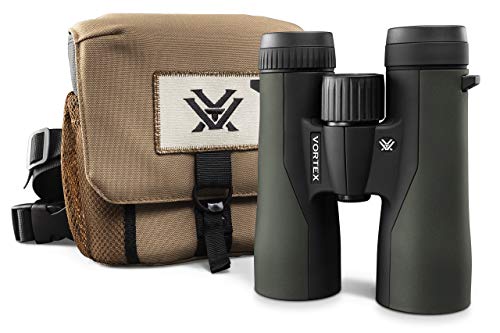
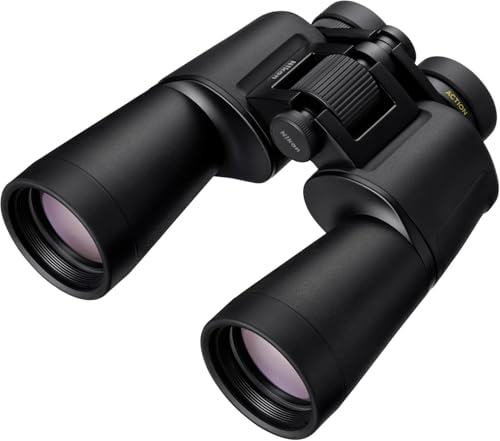
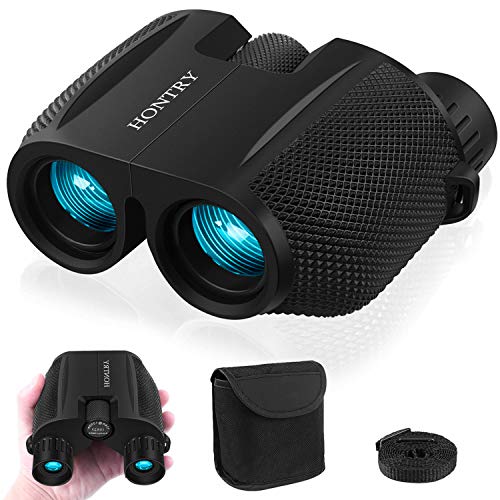
Binoculars are labeled with two figures, for example 10x42. The first is magnification: objects appear ten times closer than with the naked eye. The second is the width of each front lens in millimeters. A larger front lens gathers more light and gives a brighter picture at dusk, but it also makes the body bigger and heavier.
Dividing the lens size by the magnification gives the exit pupil, the small circle of light that leaves the eyepiece. A bigger exit pupil gives a brighter image in dim light and makes it easier to keep your eye in the right place. Compact 10x25 models have a small exit pupil and suit daylight, while 10x42 and 10x50 models stay brighter at dawn and dusk.
Why Ten Times Is a Compromise
Higher magnification also magnifies your hand movement. At ten times, the image shakes noticeably if you hold the binoculars with one hand or while walking, and a steady stance or a brace against a wall or railing helps. Lower magnification such as eight times is easier to hold and gives a wider view, while ten times shows more detail on distant subjects.
If you have a mild tremor, plan to use binoculars for long sessions or want the widest and steadiest picture, an eight times model may suit you better. If you want reach and can steady yourself, ten times is the better pick.
How to Choose the Best 10x Binoculars
Pick a Size Class
Compact models with a lens around 25 millimeters fit in a pocket and suit travel, concerts and hikes where weight matters. Mid-size models around 30 to 32 millimeters balance brightness and portability. Full-size 42 millimeter models are bright all-rounders for birds and wildlife, and 50 millimeter models give the brightest view at the cost of size and a heavier neck load.
Prism Type
Roof prism binoculars have straight tubes and are slim and easy to hold. Porro prism models have the classic offset shape, are often wide and can offer good value and depth. Neither is automatically better, so pick the one that feels comfortable and fits your budget.
Coatings and Glass
Coated lenses reduce glare and improve brightness. Fully multi-coated lenses are better than single coatings, and extra-low dispersion glass reduces color fringes in higher-priced models. In an entry-level pair, clean multi-coating and a sturdy build matter more than exotic glass.
Eye Relief and Eyeglasses
Eye relief is the distance from the eyepiece at which you can see the full picture. If you wear glasses, look for generous eye relief and twist-up eyecups that let you use the binoculars with your glasses on.
Waterproofing and Build
A sealed, nitrogen or argon-filled body resists fogging and rain. If you will use the binoculars on boats, in damp woods or on beaches, waterproof construction is worth having. Rubber armor protects against bumps.
Close Focus and Focus Wheel
Close focus tells you how near an object can be and still look sharp. A short distance helps with butterflies and nearby birds. A smooth, medium-speed focus wheel is easier to use than a very fast or a stiff one.
Which 10x Size for Which Use
- Travel and concerts: a compact 10x25 for easy carrying.
- Hiking and general nature: a 10x32 or 10x42 for a balance of brightness and weight.
- Birds and wildlife: a 10x42, widely seen as the all-round choice.
- Dusk, boats and the night sky: a 10x50 with a steadier hold or a tripod.
Trying Them Out Before You Commit
If you can hold a pair in a store, check a few simple things. Look at a straight edge such as a window frame: it should stay straight, not bend at the edges of the view. Look at a high-contrast edge for color fringes.
Raise them for a minute and see whether the weight bothers your neck or wrists, and whether the focus wheel falls where your finger rests. When you order online, keep the box and read the return window so you can do the same checks at home.
Pay attention to how fast your eyes tire. A pair that looks fine for ten seconds but strains your eyes after five minutes may have misaligned optics or the wrong eyecup setting. Adjust the width between the barrels until you see one clear circle, not two.
Accessories That Help
A padded harness spreads weight better than a thin neck strap, which matters on long walks. A rain guard covers the eyepieces when it drizzles, and a tripod adapter lets you mount larger models for long viewing sessions. Lens cleaning pens and a soft case cost little and extend the life of the optics.
Looking After Your Binoculars
Use the lens caps and the strap, blow dust off the glass with a small bulb before wiping and use a lens cloth for smudges. Avoid pressing on the lenses with a shirt, since grit can scratch coatings. Store them in a dry place and leave the eyecups clean.
10x Binoculars: Your Questions Answered
Is 10x better than 8x?
It depends on your priorities. Ten times shows more detail at a distance, while eight times gives a wider, steadier and brighter-looking view. Birders and hunters are split on it.
Can I use 10x binoculars for stargazing?
Yes, especially larger models, and a tripod or a chair helps because the Moon and stars show your hand shake. Full-size 50 millimeter models gather more light for dim objects.
Do compact 10x binoculars lose much brightness?
They look dimmer in poor light because the small lenses gather less light. In daylight they perform well, and they are far easier to carry.
How do I set the diopter?
Cover the right lens, focus the center wheel on a distant object with the left eye, then cover the left lens and turn the diopter ring until the right eye is sharp. Once set, it rarely needs changing.
Final Thoughts
The best choice combines the right magnification with a lens size you will actually carry. The best 10x binoculars are the ones that feel steady in your hands, match the light you usually observe in and come with a build that fits your weather. Compare the models in the table above with those points in mind before you order.