Best 10x25 Binoculars: Pocket Binoculars for Travel and Hiking for 2026
Disclosure: We may earn a commission when you buy through links on this page, at no extra cost to you. As an Amazon Associate I earn from qualifying purchases. Learn more

Pocket-size optics with real reach. The best 10x25 binoculars suit travel, cruises and concerts; learn what small lenses can and cannot do.
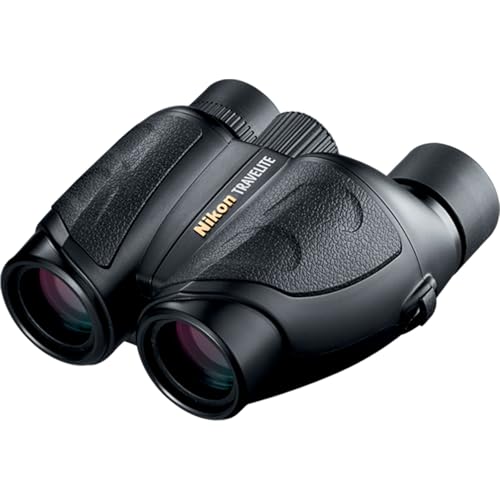
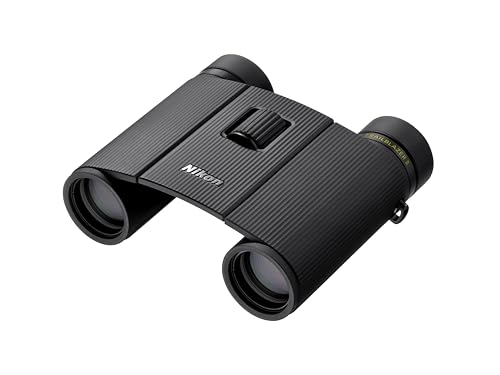
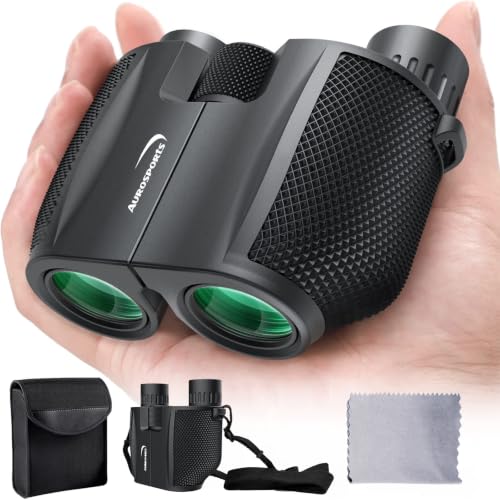
A 10x25 pair fits in a jacket pocket or a handbag and still brings distant subjects ten times closer. This guide to the best 10x25 binoculars is written for travelers, cruise passengers, concert-goers and day hikers who want something they will actually carry, and explains what the small size costs you in brightness and comfort.
The table above lists compact 10x25 models across several price levels. Read on to learn which compromises are fair and which are warning signs.

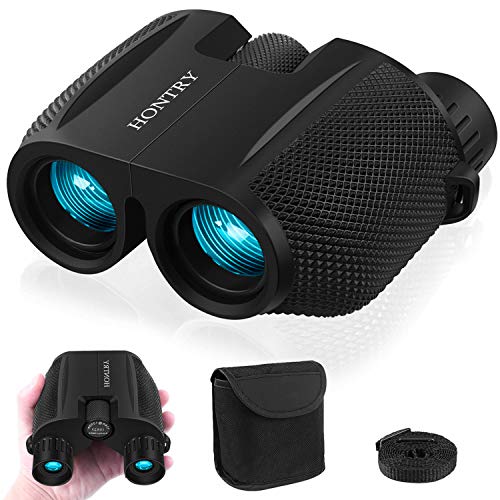


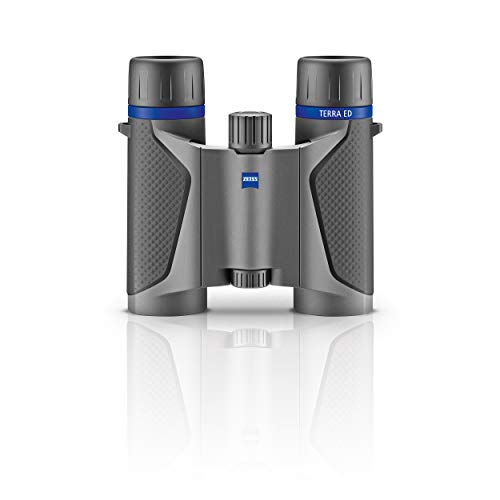

What 10x25 Means in Daily Use
The 10 is magnification, and the 25 is the front lens diameter in millimeters. A lens of that size is small, so the binoculars gather less light than full-size 42 millimeter models. Dividing 25 by 10 gives an exit pupil of two and a half millimeters, which looks bright in daylight and dim in a forest at dawn or an arena at night.
That is the trade you accept: a pair that you carry everywhere against a pair that performs better in poor light. For beaches, ship decks, scenic overlooks, zoo trips, ball games and daytime birding, the compact size wins. For dusk wildlife watching, a larger lens is the better tool.
How to Choose the Best 10x25 Binoculars
Weight and Pocket Fit
Compare dimensions as well as weight, because a slim folded pair slips into a pocket while a stubby one does not. Fold them in your hands and check that your fingers fall naturally on the focus wheel and that they do not feel flimsy.
Optical Coatings
With small lenses, coatings matter. Fully multi-coated lenses give a brighter, higher-contrast image than a single coating, and the difference is clearer in compacts than in full-size glasses. Phase-corrected roof prisms, found in higher-priced compacts, improve sharpness and contrast.
Eye Relief for Glasses Wearers
Compacts often have shorter eye relief, which means eyeglass wearers may see a cut-off picture. If you wear glasses, look for twist-up eyecups and a stated eye relief figure that suits you, and read recent buyer comments on this point.
Focus Mechanism
A center focus wheel that turns smoothly lets you track moving subjects. Some budget compacts have a stiff wheel or loose parts, which makes them frustrating for birds in flight. A wheel that is easy to turn with one finger is a good sign.
Waterproof and Fog-Proof Construction
Many compacts are splash-resistant, and better ones are sealed. A sealed pair is worth having for a cruise, a boat or a beach, where spray and humidity are common.
Case and Strap
A soft pouch and a short strap keep the pair protected and handy. A thin strap on a small pair is fine, while a bulky case defeats the purpose of a compact.
Where a 10x25 Pair Shines
- Travel and sightseeing: skyline details, statues and wildlife without a big camera bag.
- Cruises and ferries: coastline, ships and birds from the deck.
- Concerts and theater: faces and stage detail from mid-distance seats.
- Day hikes: a light pair you will not leave in the car.
- Beginner birding: easy to carry for short walks.
Where Compacts Struggle
Low light is the main weakness, and holding steady at ten times with small, light binoculars is harder than with a heavier pair, because the weight of larger binoculars helps damp small movements. Press your elbows against your sides, or lean against a post, and exhale slowly before you focus.
Quality Warning Signs
Cheap pairs sometimes come with fake or over-optimistic claims. Be careful with listings that mention huge range figures at a distance, without any mention of field of view. A narrow view or color fringing at the edges, a wobbling focus wheel and rattling parts all point to poor assembly. Check return conditions and recent reviews before you buy.
Packing and Carrying Tips
Keep compact binoculars somewhere you can reach in seconds: a coat pocket, the top of a daypack or a hip pouch. The moment you need them, a bird or an animal often moves on, and a pair buried in a suitcase never gets used. Loop the strap around your wrist while you use them near water or on a balcony, since small binoculars slip easily.
On flights, carry them in your cabin bag rather than in checked luggage, where knocks can misalign the optics. If you travel to humid places, a small silica gel packet in the pouch helps stop moisture inside the case.
Setting Up for the Sharpest View
Adjust the barrels so you see a single circle. Set the diopter ring for your own eyes using a distant sign, then leave it alone. Extend the eyecups if you do not wear glasses, and fold them down if you do. Rest your thumbs under the barrels and press your brow lightly against the eyecups, which gives the steadiest hold a compact pair can offer.
When you view through a window or a car windshield, the glass can soften the picture, so open the window or step outside. For sports and concerts, pick a spot and keep your elbows tucked, because panning rapidly across a crowd at ten times is tiring.
Caring for a Compact Pair
Keep the lens caps on in a bag, rinse salt spray off with a damp cloth when you get home and store the pair in a dry place. Avoid leaving it on a dashboard in summer, because heat can soften seals and affect alignment.
10x25 Binoculars: Your Questions Answered
Are 10x25 binoculars good for bird watching?
For daytime birding in open areas, yes. In dense woods or at dawn, a larger lens gives a brighter image and is easier to hold steady.
Do I need 8x instead for travel?
Eight times magnification is steadier and shows a wider view, which helps with moving subjects. Ten times gives more detail at a distance. If you struggle to hold steady, choose the lower power.
Why are some 10x25 pairs so much more expensive?
Better glass, coatings, prisms and construction raise the price and improve contrast, sharpness and durability, which is more visible in small optics than in large ones.
Can I attach one to my phone?
Some compacts work with a phone adapter, but small eyepieces are harder to align. If phone photography matters, check the exit pupil and consider a model with an adapter option.
Final Thoughts
The right pair is the one that goes with you. Compare weight, coatings and eye relief, and accept that small lenses do their best in daylight. The best 10x25 binoculars keep reach in your pocket and stay comfortable on a long day out, so choose from the table above with your typical outing in mind.