Best 10x30 Binoculars: Mid-Size Binoculars for Travel and Nature for 2026
Disclosure: We may earn a commission when you buy through links on this page, at no extra cost to you. As an Amazon Associate I earn from qualifying purchases. Learn more

Between pocket and full-size sits the 10x30 class. See what the best 10x30 binoculars offer in brightness, steadiness and carry weight.
A 10x30 pair sits between pocket binoculars and full-size 42 millimeter models. It is a size for people who found compacts too dim and full-size glasses too bulky: hikers, travelers, sailors and birders who walk a lot. This guide to the best 10x30 binoculars explains what that middle size does well and what to look for in the handful of models sold in it.
The table above lists the current choices. The 10x30 format is less common than 10x25 or 10x42, so the range is smaller and tilts toward premium optics and special features.





Where 10x30 Fits
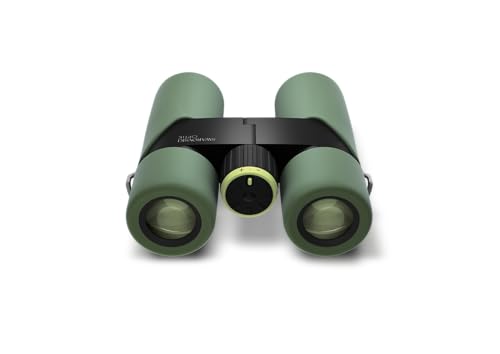
A 30 millimeter front lens gathers noticeably more light than a 25 millimeter one, which shows in brighter shadows and cleaner color in forest light or at the end of the day. The exit pupil is three millimeters, still modest, so very dim conditions remain a challenge, but a 10x30 pair is far more versatile than a pocket model and still much easier to carry than a 10x42.
Many manufacturers use this size for their travel and mountain lines. That is why you will see compact, strongly built models with premium glass at the upper end of the price range.
How to Choose the Best 10x30 Binoculars
Image Stabilization
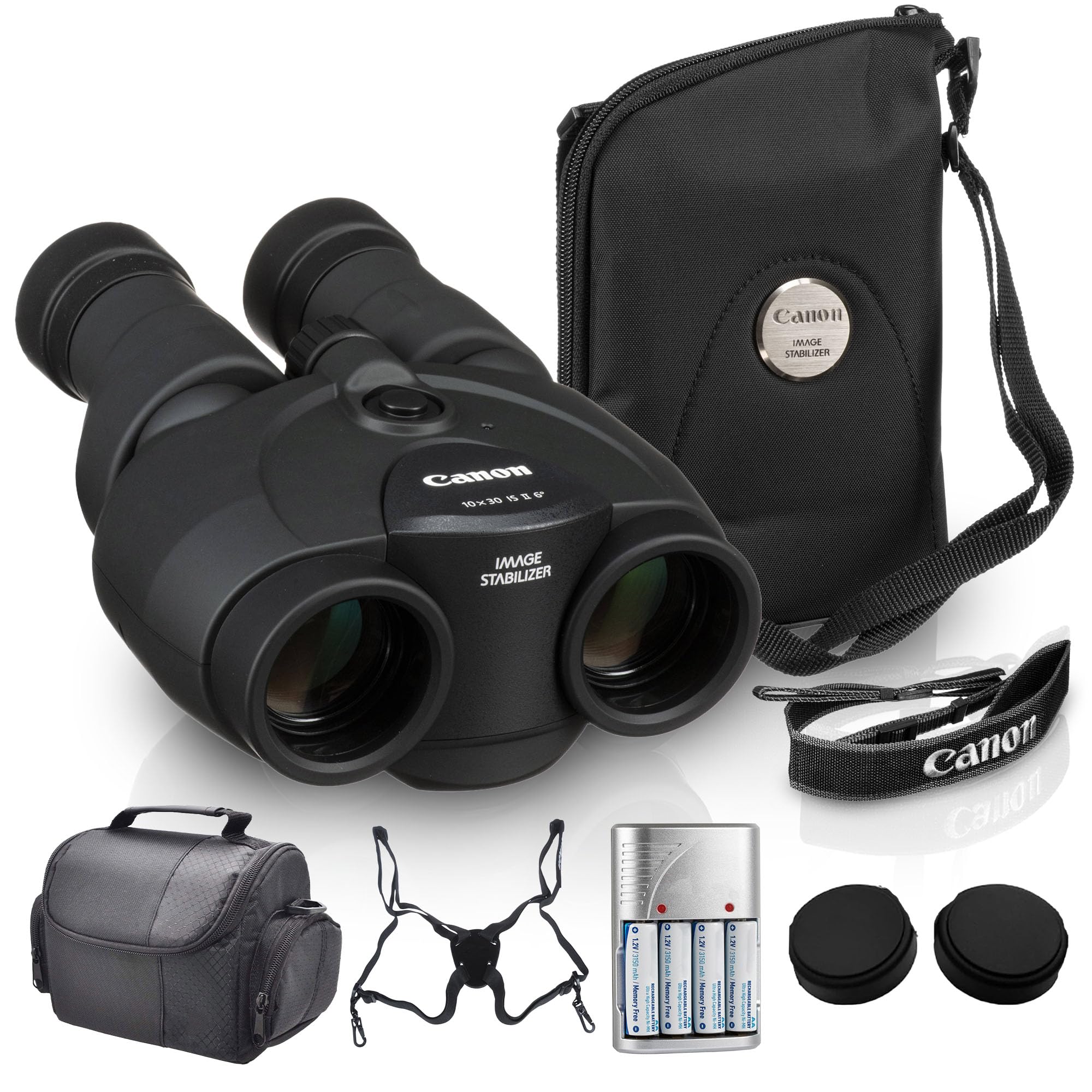
A few 10x30 models use stabilization that steadies the picture when you press a button. At ten times magnification, hand shake is the main enemy of detail, and stabilization removes much of it, which helps on boats, in vehicles and for older viewers. The trade-off is extra weight, battery use and a higher price.
Premium Glass and Coatings
High-end compacts use specialized glass and phase-corrected prisms to give a sharper and more neutral image, particularly at the edges. If you will use the binoculars for many years or for serious birding, the improvement is visible. For occasional use, a good midrange pair offers most of the value.
Waterproof and Floating Models
Marine binoculars are built to resist spray and some float if dropped overboard. If you spend time on a boat or beach, this feature protects your investment. Rubber armor and a lanyard add further protection.
Body Design and Handling
At this size the body can be slim and comfortable. Check that the barrels fold or pivot to fit your eye spacing, that the focus wheel falls under your finger and that the pair feels balanced, not front-heavy.
Eye Relief
If you wear glasses, check the stated eye relief and whether the eyecups twist or fold. A premium pair with poor eye relief frustrates an eyeglass wearer, regardless of its optical quality.
Price and Warranty
Prices range from a modest budget pair to a premium instrument. A strong warranty and good service often matter as much as glass quality when a lens needs repair years later. Read the terms for the model you consider.
Who Should Choose 10x30
- Hikers who want better low-light performance than a pocket pair but a lighter load than full-size binoculars.
- Sailors and kayakers who value a sealed, impact-resistant body.
- Travelers who keep binoculars in their bag for safaris, mountain towns and scenic drives.
- Birders who walk a lot and favor comfort over maximum brightness.
Choosing Among the Types
The list contains standard roof-prism models, a stabilized model, premium compacts and a floating marine pair. If you want the best everyday companion, a standard model from a recognized optics brand is a safe choice. If steadiness matters most, look at the stabilized option.
If you will be on the water, the floating marine pair is made for it. If you want the sharpest picture and have the budget, premium glass delivers it.
Using Binoculars at Ten Times
Brace yourself: stand with your feet apart, tuck your elbows against your chest and lean on a post or a wall if one is nearby. Focus on a distant object, then set the diopter. Use the strap to hold the binoculars against your chest between uses, so they are always ready without tugging at your neck.
Mistakes That Waste Money in This Size
The first is buying a 10x30 for night use. The exit pupil is too small for deep twilight, so if your main interest is astronomy or deer at last light, choose a larger lens. The second is paying for stabilization you will not use: if you mostly watch from a fixed spot with a tripod or a rail, standard optics are enough. The third is ignoring eye relief, which makes a costly pair unusable for glasses wearers.
Another common mistake is overlooking the strap and case. A premium pair with a thin strap becomes uncomfortable on a long hike, so consider an aftermarket harness. Finally, remember that bundles with cleaning kits and cases may not add any value if the binoculars themselves are the same.
Caring for Premium Optics
Fine coatings last for years when treated gently. Dust the lenses with a blower, wipe only with a clean microfiber cloth and rinse salt water off with fresh water on a damp cloth. Keep the caps on, store the pair away from heat and humidity, and have the maker service it if the focus gets rough or you see moisture inside.
Stabilized models need the battery checked before trips. Carry a spare, and remove it if the binoculars will sit unused for months.
10x30 Binoculars: Your Questions Answered
Is 10x30 better than 10x42 for hiking?
It is lighter and smaller, which many hikers prefer, while 10x42 is brighter in dim light. Pick based on how long you carry them and how often you watch at dawn and dusk.
Are stabilized binoculars worth it?
They make a clear difference at ten times, especially from a boat or a vehicle. They cost more and add weight, so they suit users who need extra steadiness.
Will 10x30 work for birding?
Yes, particularly in open habitat and in good light. For dense woods, a larger lens helps.
Do I need waterproof binoculars?
If you ever use them in rain, near water or in humid climates, yes. Sealed construction also keeps dust out and stops internal fogging.
Final Thoughts
The 10x30 class rewards buyers who value carry weight and brightness together. The best 10x30 binoculars combine sharp glass, a comfortable fit and a body that handles your weather. Choose among the models in the table above by deciding first whether steadiness, price, water resistance or optical quality matters most to you.