Best 10x40 Binoculars: Binoculars for Sports, Nature and Everyday Viewing for 2026
Disclosure: We may earn a commission when you buy through links on this page, at no extra cost to you. As an Amazon Associate I earn from qualifying purchases. Learn more

Why 10x40 is a rarer size than 10x42, what it offers for sports and nature viewing, and how to choose among the best 10x40 binoculars.
Most brands skip from 10x32 straight to 10x42, so a pair labeled 10x40 is less common and often a value or sport-oriented model. This guide to the best 10x40 binoculars explains what the 40 millimeter lens delivers, how it differs from its neighbors and how to choose among the four models currently on offer.
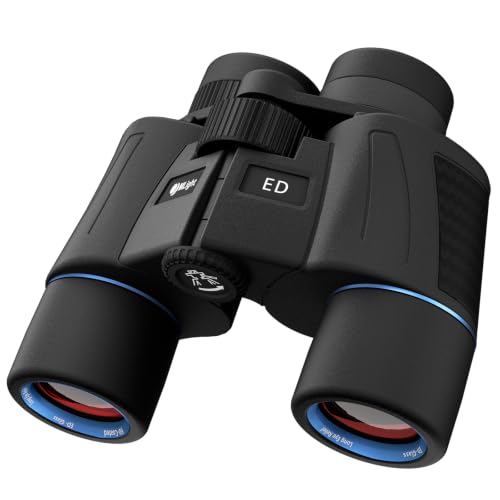
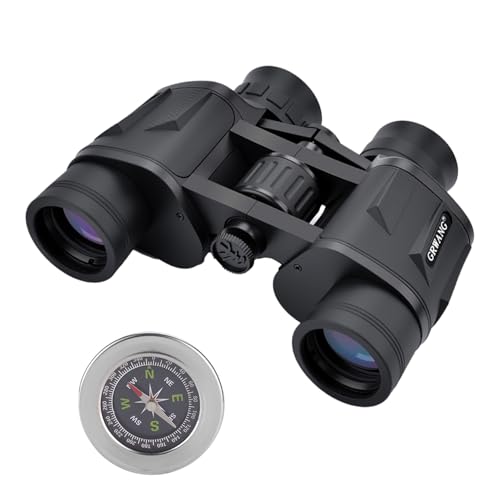
The table above lists them side by side. They span an everyday budget pair, a porro-prism design, an extra-low dispersion glass model and a premium compact line, so the choice depends on what you value most.


What a 40 Millimeter Lens Means
The second number is the diameter of each front lens. At 40 millimeters, the binoculars gather almost as much light as a 42 and far more than a compact. Dividing by ten gives an exit pupil of four millimeters, a comfortable size for daylight and for dusk, and enough for most viewing at the edge of the night.
Because 40 and 42 millimeter lenses are so close, a 10x40 pair behaves like a 10x42 in practice. The price and the design usually decide which one you pick, not the optics alone.
Who Uses 10x40 Binoculars
- Sports fans who want to see a field, a track or a ring from the stands.
- Nature walkers who watch birds, deer and scenery in good light.
- Boaters and campers who keep a pair in a bag for general use.
- Families who share one pair and want a reliable, forgiving model.
How to Choose the Best 10x40 Binoculars
Porro or Roof Prism
Porro prism binoculars have the wide, offset shape many people picture. They often deliver a bright picture with good depth for the money, and they are less expensive to build. Roof prism binoculars are slimmer and easier to pack, and they usually cost more at the same quality level.
Pick on feel: if a wide pair fits your hands, a porro design is a good value. If you want slim, choose a roof prism.
Glass and Coatings
Extra-low dispersion glass reduces the colored edges seen around bright objects against a dark background. Fully multi-coated lenses increase brightness and contrast. When the listing names these features, check that they are applied to all lens surfaces and not only partly.
Eye Relief and Eyecups
Eyeglass wearers need generous eye relief and retractable eyecups. Without them the edge of the picture is cut off. Look for twist-up eyecups that click in position and stay put.
Weight and Balance
At this size the binoculars are moderate in weight. If you hold them for long periods, a harness spreads the load better than a neck strap. Balance matters: a pair that tips forward tires your hands sooner.
Waterproofing
If you view in drizzle or on the coast, look for sealed models. Many value models are only water-resistant, which protects against light spray, not submersion.
The Four Types on Offer
The list includes a sport-class pair from a long-established optics brand for stadiums and outdoor events, a low-cost porro-prism pair for adults and kids, an ED-glass model for those who care about color fringing and a premium compact from a leading optics maker. Because the range is small, compare them on handling and price, then read recent buyer feedback for build quality.
Using 10x40 Binoculars Well
Start with a wide stance and brace your elbows. Find the subject with your naked eyes first, raise the binoculars without moving your eyes from the subject and then adjust the focus. Set the diopter once, then check it after any rough handling. Scan slowly in a grid pattern to find birds or animals in thick cover.
At sporting events, use your seat as a brace and rest your elbows on your knees. For concerts, pick a view over heads and avoid constant scanning, since ten times magnification is tiring when you pan quickly.
What to Check in the Listing
Read the product title and the first bullet points for the exact magnification and lens size, and make sure the item is a binocular, not a monocular. Several 10x40 items online are single-tube monoculars that look similar in a photo. Look for the number of included accessories, such as a strap, a case and lens caps, and see whether the lens caps and eyepiece covers are included or must be bought separately.
Check the coating description and the prism glass type. Entry-level pairs often mention BAK4 prisms, which are the standard good-quality choice. Pairs with no information on coatings or prisms are harder to judge. Look at how the seller describes returns and the warranty, since a pair that arrives misaligned should be easy to send back.
Budget Versus Premium in Plain Terms
A value pair gives you a bright, clear center and softer edges, and it is a very reasonable choice for stadium seats, camping and casual nature walks. A premium pair gives sharper edges, richer colors in difficult light and a body that survives years of use. If you will use binoculars a few times a year, buy the value pair and enjoy it. If you will use them weekly for years, a premium pair spreads its cost over many outings.
Sizing Alternatives
If 10x40 pairs are too few for you, a 10x42 offers the same brightness with more options. If you want a smaller pair, 10x32 gives a light, handy body. If you need more light for astronomy and deep dusk, a 10x50 helps but weighs more.
10x40 Binoculars: Your Questions Answered
Are 10x40 and 10x42 binoculars the same?
They are very similar in light gathering and view, and the difference is hard to see in use. The choice usually depends on the models and prices you find.
Are porro prism binoculars old-fashioned?
They are an older design, but still make bright, deep pictures, especially for the price. They are wider, which some people find more comfortable and others find bulky.
Can children use 10x40 binoculars?
Adults can share them, but ten times magnification and the weight can be tiring for young children. Lower magnification and a lighter body are easier for them.
Do I need a tripod?
Not for short sessions, but a tripod adapter helps for long viewing, such as a game or an evening of nature watching.
Final Thoughts
A 10x40 pair gives you the brightness of a full-size model without much compromise, though the range is narrow. The best 10x40 binoculars are those with a comfortable hold, clean coatings and a build that matches your weather. Compare the four options in the table above and choose according to how you will use them most.