Best 10x42 Binoculars: The All-Round Binocular Size Explained for 2026
Disclosure: We may earn a commission when you buy through links on this page, at no extra cost to you. As an Amazon Associate I earn from qualifying purchases. Learn more
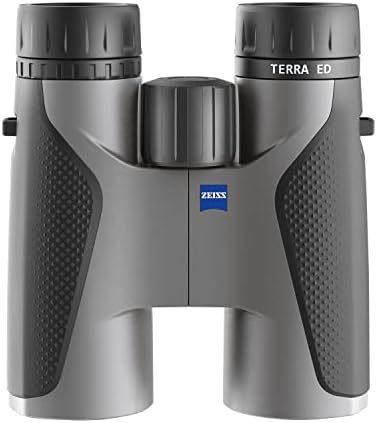
The best 10x42 binoculars are the do-everything size for birds, game and scenery. Compare glass, eye relief, build and budget before you buy.
If you could own only one pair of binoculars, a 10x42 would be the usual recommendation. It is bright enough for dawn and dusk, powerful enough to identify distant animals, and still comfortable to carry on a strap all day. This guide to the best 10x42 binoculars explains why the size is so popular and how to choose among the many models.
The table above lists a wide range from budget pairs to premium glass. The sections below help you decide where on that range you should buy.


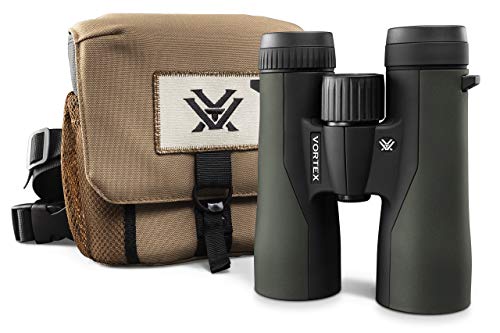


Why 10x42 Is the Standard
The first number is magnification, so subjects appear ten times closer. The second is the front lens width in millimeters, and 42 gathers a lot of light. Divide 42 by 10 and you get an exit pupil of 4.2 millimeters, close to the size of your own pupil at twilight, so the image stays bright when the light fades.
The body is large enough to hold steady and small enough to carry for hours. Most manufacturers make their best optics in this size, which is why the choice is wide at every budget.
How to Choose the Best 10x42 Binoculars
Roof Prism Construction
Most modern 10x42 models use roof prisms, giving a straight tube that is slim and balanced. Better ones have phase-correction coatings on the prisms, which improves sharpness and contrast. Cheaper roof prism designs may lose a little light, so look for descriptions of prism glass and coatings.
Glass Quality
Extra-low dispersion glass reduces color fringing, visible as a faint purple or green edge around bright objects. It adds cost, so it is most worthwhile for people who use binoculars often. For occasional use, good multi-coatings and solid construction matter more.
Field of View
A wide field of view helps you find moving birds and animals and gives you a more immersive picture. Compare the stated field of view at 1,000 yards across models, since two pairs with the same magnification can differ markedly.
Eye Relief
Eye relief decides whether glasses wearers see the full picture. Look for generous eye relief and twist-up eyecups with several stops, so you can adjust the pair for your face with or without glasses.
Waterproof and Fog-Proof Seals
Sealed, gas-filled bodies keep out rain and prevent internal fogging when temperatures change quickly. For field use, this is a practical feature, not a luxury.
Close Focus
A close focus of a few yards allows you to look at butterflies, flowers and nearby birds. If you do a lot of nature watching at short range, check this number.
Warranty and Service
Several brands stand behind their binoculars with long warranties. If you plan to keep a pair for decades, a manufacturer with a reputation for service is worth a higher initial cost.
Choosing by Price Level
- Entry level: bright enough in daylight, with a reasonable build; expect softer edges and less glare control.
- Midrange: noticeably better glass, coatings and seals, with comfortable eye relief and good warranties.
- Premium: very sharp edges, rich colors, excellent low-light performance and a refined build.
Moving up one tier usually delivers the largest gain in image quality for the money, while the jump from upper-midrange to premium is smaller and matters most to frequent users.
Common Uses
Birds and Wildlife
The 10x42 size is a classic for birders and wildlife watchers because it combines reach with a bright view and handles being carried all day.
Hunting
Hunters value the light gathering at dawn and dusk and appreciate rugged, rain-proof models. A harness and a rain guard are useful extras.
Hiking and Travel
For hikers, a 10x42 is heavier than a compact pair but gives a far better view of distant ridges, wildlife and trail features. Consider a lighter size if every ounce counts.
Sports and Events
At outdoor stadiums and racecourses, a 10x42 gives a close view from any seat. A comfortable strap and a stable hold help during long events.
Features Worth Paying For and Features to Skip
Pay for coatings, sealing, comfortable eye relief and a focus wheel that moves smoothly. These are the parts you notice on every outing. Be careful with extras that sound exciting but add little: a dozen included accessories, claims about distance in miles, or a phone adapter bundled with a pair you would not otherwise choose. A well-made pair with a plain box beats a loaded bundle of weak optics.
If you often watch from a vehicle, a window mount or a beanbag can steady the pair more than any feature on the binoculars themselves. If you wear the pair for hours, a chest harness takes weight off your neck and keeps the binoculars from swinging when you walk.
Checking Alignment at Home
When your pair arrives, look at a distant straight line, like a roof edge, and check that both eyes see a single, merged circle with no ghost image. If you feel eye strain or a headache after a few minutes, the optics may be misaligned or the diopter may need adjusting. Return the pair while you still can.
Care and Handling
Keep the objective lens caps on when you carry the pair, blow away dust before wiping, and use a microfiber cloth for smudges. Store the pair in a dry place, and open the eyecups and focus before use so the settings match your face. Check the strap attachments from time to time.
10x42 Binoculars: Your Questions Answered
Is 10x42 or 8x42 better?
Eight times is steadier with a wider, brighter-looking view, while ten times shows more detail at distance. Many birders choose eight, and many hunters and hikers choose ten.
What does 10x42 mean?
Ten is the magnification and 42 is the diameter of each front lens in millimeters. A larger second number means more light and a heavier pair.
Are expensive binoculars worth it?
For frequent users, yes: better glass, coatings and build show in low light and over years. For casual users, a good midrange pair delivers most of the value.
Can I use 10x42 binoculars with glasses?
Yes, if the eye relief is adequate and the eyecups can be retracted. Check the specifications and try the pair with your glasses on.
Final Thoughts
For one pair that handles birds, deer, mountains and ballparks, a 10x42 is the safe and popular choice. The best 10x42 binoculars match your budget with glass you can see the difference in and a body that suits your hands and weather. Compare the models in the table above and focus on eye relief, field of view and build quality.