Best 10x42 Binoculars for Hunting: Low-Light Glassing and Rugged Features for 2026
Disclosure: We may earn a commission when you buy through links on this page, at no extra cost to you. As an Amazon Associate I earn from qualifying purchases. Learn more

Dawn and dusk decide the hunt. See what the best 10x42 binoculars for hunting need: bright optics, a quiet finish, rain sealing and a good harness.
Hunters spend more time looking than shooting, and the quality of the glass decides how much game they find. A pair that stays bright in the last minutes of light, resists rain and does not clatter on a rifle sling earns its place in the pack. This guide to the best 10x42 binoculars for hunting explains what to prioritize and how to use the pair in the field.
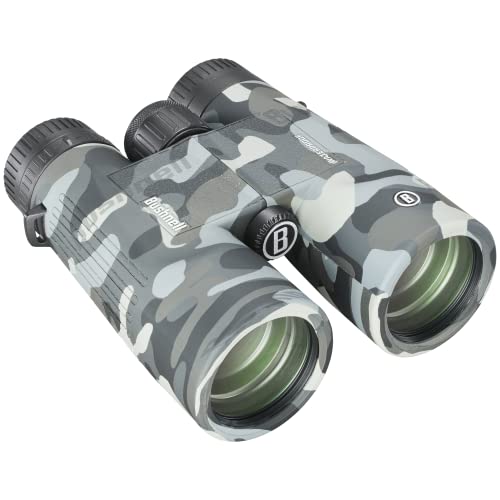
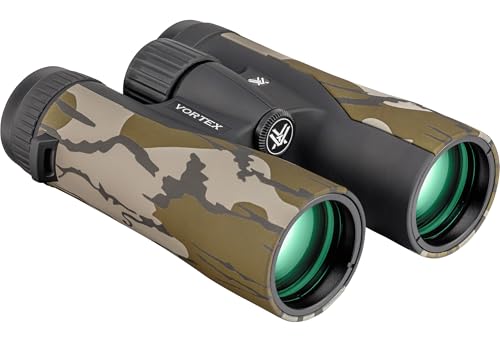
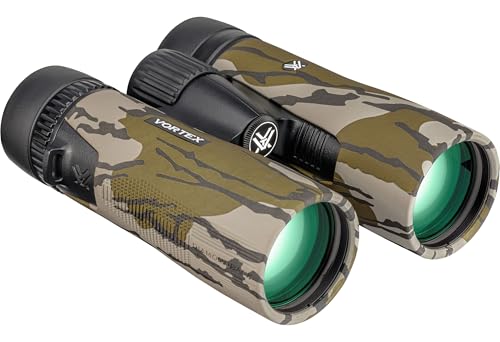
The table above lists models suited to field use, including camouflage finishes and rugged builds. Read the sections below to choose one that fits your style of hunting. Each point is weighed from the stand, so the best 10x42 binoculars for hunting here are the ones that keep working when light, weather and patience run low.



Why 10x42 Is the Hunting Standard
A 10x42 pair pulls distant animals ten times closer while its 42 millimeter lens gathers enough light for the first and last moments of the day, when many animals move. The size is light enough to carry in a chest harness and strong enough for glassing open slopes, fields and clearcuts.
Hunters in dense timber sometimes prefer eight times for a wider view and easier handling, while western hunters scanning wide terrain often favor ten or more. For most mixed conditions, ten times is a good balance.
What Hunting Binoculars Need
Low-Light Brightness
The best chances come at dawn and dusk. Fully multi-coated lenses and quality prisms retain contrast in dim light, and a larger exit pupil keeps the picture bright. Compare buyer comments about performance at twilight, not only in daytime.
Rugged, Sealed Construction
Rain, snow, dust and bumps are routine. A sealed, gas-filled body keeps moisture out and prevents fogging when you move from a warm truck into cold air. Rubber armor protects against knocks on rocks and the rifle.
Quiet, Non-Reflective Finish
A shiny surface can reflect light, and a hard shell can click on metal. Camouflage or matte finishes reduce glare and noise. A rubberized body is quieter than plain metal.
Eye Relief and Gloves
Cold weather means thick gloves and sometimes glasses. Choose a pair with a focus wheel large enough to turn with gloves and with eye relief that suits you.
Weight and Carry
Binoculars hang on your chest for hours. A harness that keeps the pair tight and quiet is a big comfort improvement, and a lens cover keeps rain and dust off. Check the weight of the pair you plan to carry, as every ounce adds up over a long day.
Focus and Speed
A smooth focus wheel lets you track animals as they move. Fast, accurate focus matters when you need to judge a trophy in seconds.
How to Glass Effectively
Glassing means scanning with patience. Sit with a view, steady the binoculars against a tree, a pack or your knees, and scan slowly in overlapping strips. Look for parts of an animal instead of the whole: an ear, a leg, a horn tip. Pause often, since movement catches the eye more than shape.
Start close, then work outward. Use the edge of cover and shadow lines, where animals like to bed or feed. A tripod adapter and a small tripod make long glassing sessions much steadier and reduce eye strain.
Hunting Situations and Features
- Deer in timber: wide field of view, close focus and quiet operation.
- Open country: higher magnification, a steady rest and a bright image for long scans.
- Waterfowl and blinds: sealed, rain-proof binoculars with a matte finish.
- Early-season hot weather: models that do not fog when you leave a cool truck.
Dealing With Weather and Cold
Cold is hard on optics and on hands. Condensation forms when a cold pair meets warm, damp breath, so keep the eyepieces away from your mouth and breathe out to the side. Carry the binoculars inside your jacket on the way to your stand so they stay near body temperature, and let them reach outdoor temperature before use to avoid fogging.
In rain, use the objective covers and a rain guard until you need to glass. In snow, brush the flakes off with a soft brush, not a sleeve, because wet fabric can drag grit across the lens. If you hunt from a boat or a blind near water, rinse off salt or mud with a damp cloth as soon as you get home.
Choosing the Right Tier for Your Hunting
Casual and weekend hunters are well served by an affordable, rugged pair with a camo finish. Regular hunters who spend entire days glassing benefit from better coatings and sharper edges, which reduce eye strain over many hours. Guides and hunters who travel for trophy game often invest in premium glass because small gains in detail and low-light performance can decide whether an animal is a shooter or not.
Whatever your tier, practice before the season starts. Set up at a distance in your yard or a field and learn how quickly you can find a landmark with the binoculars.
Keeping Your Binoculars Ready
Dry the pair after rain, and let the harness and case dry separately. Check the lens caps and the strap before every trip. Wipe the lenses only with a lens cloth, and use a blower first to avoid scratches.
Keep a lens pen in your pack for quick cleaning. Store the binoculars out of direct sunlight and away from heat.
10x42 Binoculars for Hunting: Your Questions Answered
Is 10x42 or 8x42 better for hunting?
Eight times is wider and steadier, helpful in thick cover. Ten times shows more detail at distance, useful in open country. Choose by the terrain you hunt most.
Do I need rangefinder binoculars?
Not necessarily. A rangefinder adds cost and complexity, so many hunters use a separate rangefinder and keep plain binoculars simple.
Is camouflage important?
A matte or camo finish reduces glare and helps conceal you, but how you move and where you sit matter more.
Should I buy a harness?
Yes, for most hunters. It keeps the pair stable and silent against your chest and spares your neck on long days.
Final Thoughts
Glass is a tool: choose one that stays bright at the edge of light and survives the weather. The best 10x42 binoculars for hunting pair strong low-light performance with a quiet, rugged body and a comfortable carry. Compare the options in the table above and invest in the best optics your budget allows.