Best 10x50 Binoculars for Astronomy: Sky Targets, Mounting and Dark-Sky Tips for 2026
Disclosure: We may earn a commission when you buy through links on this page, at no extra cost to you. As an Amazon Associate I earn from qualifying purchases. Learn more

Binoculars show more sky than most people expect. Learn what the best 10x50 binoculars for astronomy reveal, how to mount them and what to buy.
Binoculars are a friendly way into astronomy: no setup, a wide view and an easy way to find your way around the sky. A 10x50 pair gathers plenty of light and shows the Moon in detail, star clusters as glittering patches and a few fainter objects under dark skies. This guide to the best 10x50 binoculars for astronomy explains what you can see and how to choose a pair.
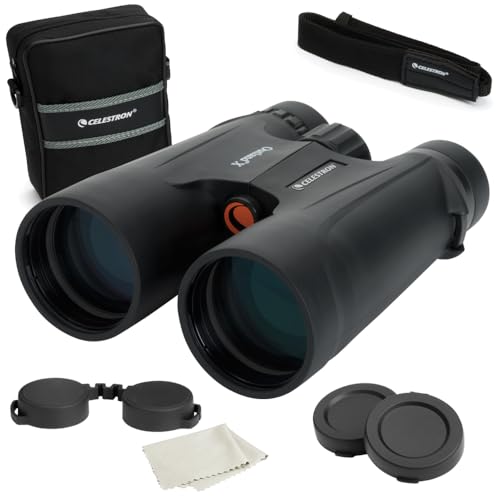
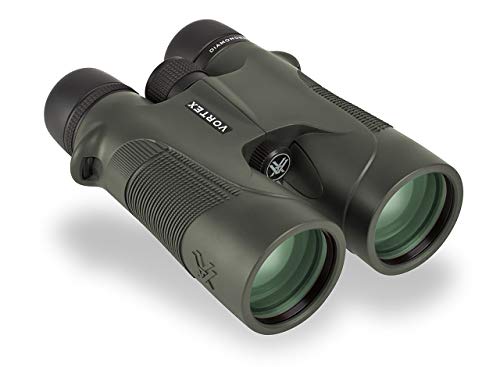
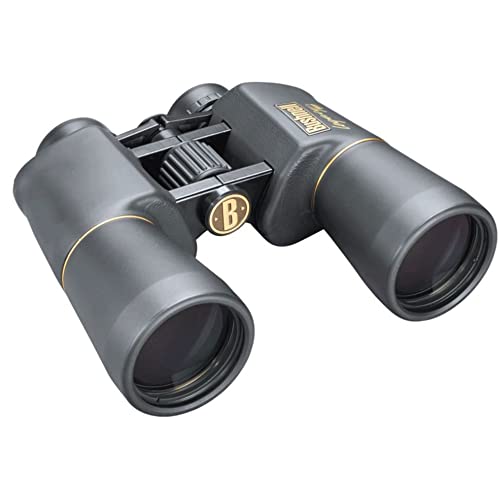
The table above lists models suited to sky watching, from affordable porro designs to premium glass. Read the sections below to learn what matters when the target is a star, not a bird.



What You Can See With 10x50
- The Moon: craters, mountains and the dark plains.
- Star clusters such as the Pleiades, which fill the view with blue stars.
- The Orion Nebula as a soft glow below the belt stars.
- The band of the Milky Way, resolving into many faint stars in a dark site.
- The bright planets as points or small disks, and Jupiter's largest moons for steady viewers.
- The Andromeda Galaxy as a faint smudge under dark skies.
Binoculars show you more of the sky at once than a small telescope, which makes them perfect for sweeping through star fields. They are not powerful enough to show planetary details such as the rings of Saturn clearly, but they reward patience.
Why 10x50 Works for Astronomy
A 50 millimeter lens collects a lot of light, and ten times magnification gives a good balance between brightness and a wide field. The exit pupil of five millimeters matches the wide open pupil of an eye adapted to the dark, so the view is bright and comfortable.
How to Choose the Best 10x50 Binoculars for Astronomy
Mounting: Tripod Socket and Adapter
At ten times magnification, hand shake smears stars into streaks. Choose a pair with a threaded tripod socket or buy an adapter for the barrel hinge. A simple tripod or a monopod turns a shaky view into a calm one, and you will see more faint objects with a steady pair.
Prism Type
Many astronomy binoculars use porro prisms because they are bright and good value. Roof prisms are slimmer and lighter but cost more for the same performance. Either works. Choose by weight and budget.
Coatings and Glass
Fully multi-coated lenses make a real difference for dim objects. Premium models add low-dispersion glass that reduces color fringes on bright stars and the Moon. At a budget level, multi-coating and sound construction matter most.
Sharpness to the Edge
Many binoculars show stars as points in the center and as small streaks at the edge. Better designs keep stars sharper over more of the field. Read buyer comments about star shapes at the edge.
Focus and Eye Relief
A smooth focus lets you find the sharpest point for each star. If you wear glasses, check the eye relief, though you may remove glasses for sky viewing if your eyes are only slightly nearsighted.
Weight
Heavy pairs are easy to hold steady for a moment but tiring over time. A strap or a tripod keeps the effort low.
Getting the Best Views
Pick a dark site away from city lights, give your eyes twenty minutes to adapt and use a red light to read charts so you do not lose your night vision. Use a reclining chair or lie on a lounger, and brace the binoculars against a chair arm. Start with the Moon, then find bright clusters, and use a star chart or an app to guide you.
Look slightly to the side of faint objects, a trick called averted vision, which uses the more sensitive part of your eye. Move slowly and be patient.
Accessories That Help
- A tripod and an adapter, or a parallelogram mount for comfortable upward viewing.
- A reclining chair.
- A red flashlight.
- A star chart, planisphere or astronomy app.
- Lens caps and a dew shield, since dew forms on the lenses on cool, humid nights.
A First Night Plan
Start by learning where north is and which constellations are visible from your yard or a nearby park. Use the binoculars on the Moon first, since it is easy and impressive. Then move along a path from bright star to bright star: for example, from the belt of Orion down to the Orion Nebula, then over to the Pleiades in the same season. Each hop teaches you the sky, and the binoculars show far more than your eyes alone.
Keep a notebook with the date, the object and what you saw. After a few nights, you will have a personal list of favorites and a good sense of what your pair can show under your sky.
Light Pollution and Where to Go
Streetlights and city glow wash out faint objects. If you can drive an hour from the city to a park or a rural area, the change is dramatic. Check a light pollution map for a dark site, and arrive before dusk so you can set up. Dress warmly, because standing still in the cold is tiring, and bring a hot drink.
Care in the Field
Cap the lenses when you finish, and let the binoculars warm up before bringing them inside to avoid condensation. Wipe dew with a soft cloth, not your sleeve. Store the pair in a dry place in a padded case.
10x50 Binoculars for Astronomy: Your Questions Answered
Do I need a telescope instead?
Binoculars are easier to start with and show a wide field. A telescope shows more detail on planets and the Moon but takes more setup. Many astronomers own both.
Are 10x50 better than 7x50 for stars?
Ten times shows fainter stars and more detail, but shakes more. Seven times is steadier and brighter-looking for handheld use. With a tripod, ten times is usually the better choice.
Can I use them for daytime wildlife as well?
Yes. They are bright and detailed, though heavier than smaller binoculars.
Will they work in light-polluted cities?
You can see the Moon, bright planets and clusters, but faint objects need dark skies.
Final Thoughts
Great views come from a steady pair under dark skies. The best 10x50 binoculars for astronomy have clean coatings, sharp stars across the field and a way to mount them on a tripod. Compare the models in the table above and plan a dark-sky trip to enjoy them.