Best 10x50 Binoculars for Birding: Wetlands, Dusk Flights and the Weight Question for 2026
Disclosure: We may earn a commission when you buy through links on this page, at no extra cost to you. As an Amazon Associate I earn from qualifying purchases. Learn more

Is the extra lens worth it for birds? See where the best 10x50 binoculars for birding shine and when a lighter pair makes more sense.
Most birders choose a 10x42 and never look back, but a 10x50 has its fans: people who watch at the edge of the day, scan marshes for waders, or sit in a hide for hours. This guide to the best 10x50 binoculars for birding explains where the larger lens pays off, where it does not and how to carry the extra weight comfortably.
The table above lists current models in a range of prices. The sections below help you decide if this size matches your kind of birding.
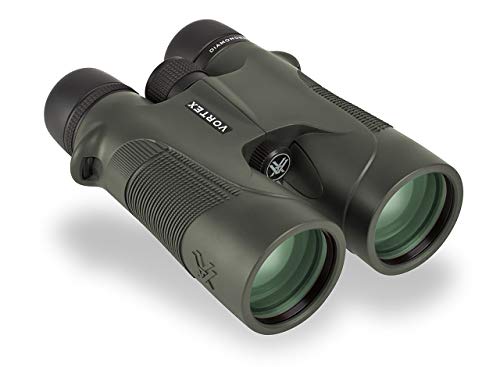

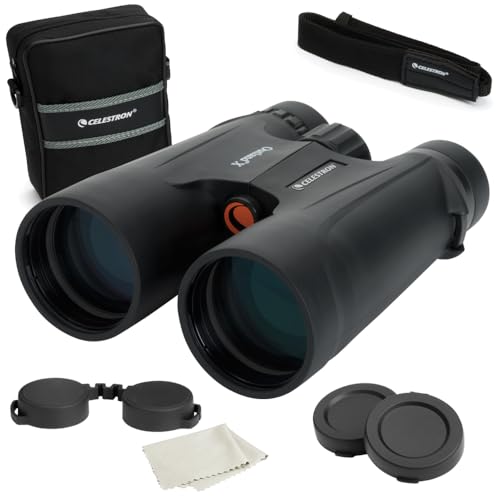

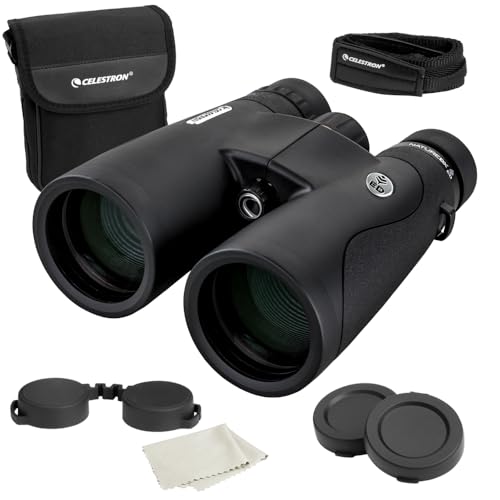
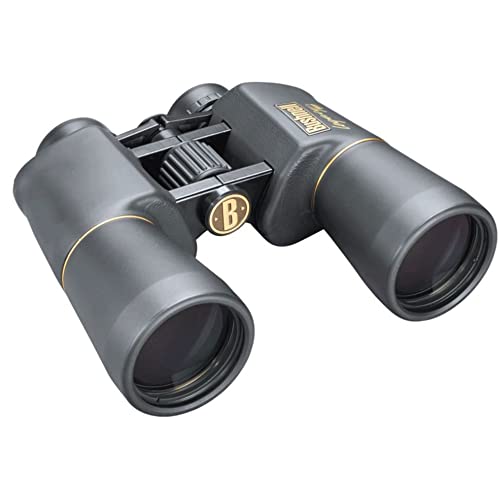
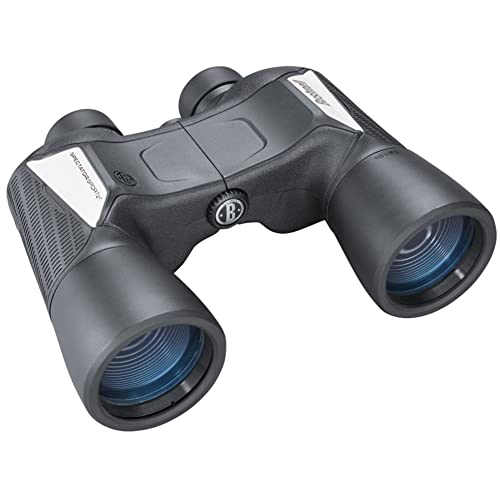
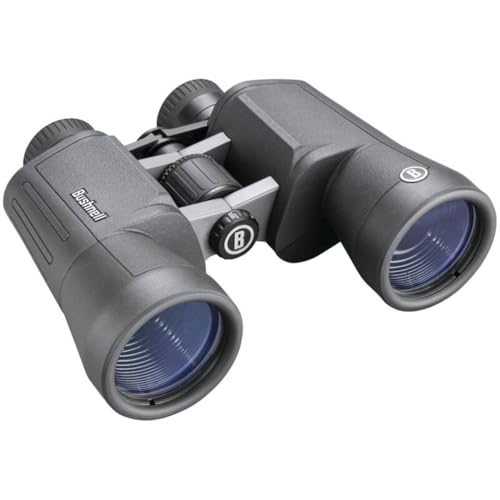
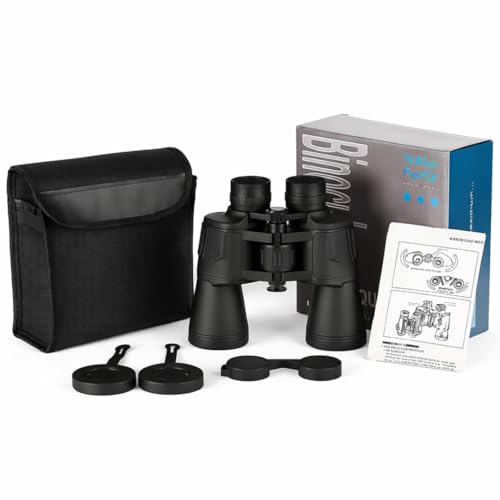
The Case for a Bigger Lens
The 50 millimeter lens gathers more light than a 42, giving a brighter, more relaxed picture in the half-hour before dawn and after dusk, when owls, nightjars and roosting birds are active. In dim woods, in heavy overcast and in the early minutes of a marsh visit, the difference helps you pick out a bird against dark cover.
The exit pupil of five millimeters also makes it easier to put your eyes in the right place, which helps you find a bird fast, and gives a more comfortable view for long watches.
The Case Against
The body is bigger and heavier. On a long walk, the weight accumulates in your neck and hands. At ten times magnification, any tremor is visible, so a heavy pair can be harder to hold steady than a light one if your arms tire. In daylight in open country, you may not see a big difference in brightness compared with a 10x42.
If you walk many miles with your binoculars, a 10x42 is usually the better choice. If you sit, stand or move short distances, the 10x50 earns its place.
Where 10x50 Makes Sense for Birders
- Wetland and shoreline birding, where you scan for waders and ducks at range.
- Hide-based watching, where you rest the pair on a ledge.
- Dawn and dusk sessions with owls, herons and roosting birds.
- Raptor watching at hawk lookouts, where you sit and scan for hours.
- Boat trips, where a big lens and steady stance are normal.
How to Choose the Best 10x50 Binoculars for Birding
Weight and Harness
Check the weight of each model and plan to use a harness. A chest harness spreads the load and keeps the pair steady against your body. Some harnesses attach directly to the binocular strap lugs.
Prism Design
Porro models are the usual choice for value, with strong brightness and depth. Roof prisms are slimmer and easier to carry. For birders who hike, a roof prism pair is more comfortable, while for static watchers a porro design gives a lot of performance per dollar.
Coatings and Color
Birders depend on color. Fully multi-coated lenses give truer colors and reduce glare off water. Premium glass reduces fringes on bright birds against sky.
Weather Resistance
Marshes are damp. Look for fog-proof and waterproof construction, and rubber armor that stays grippy when wet.
Close Focus
If you also watch insects or nearby birds, check the close focus distance. Some large binoculars focus closer than you might expect, others do not.
Eye Relief
If you wear glasses, check the eye relief and look for adjustable eyecups.
Using Large Binoculars Efficiently
Use a rest: a railing, a hide ledge, a fence post or your knees. Stand with feet apart and press your brow against the eyecups. Scan systematically in strips, and use your naked eyes to find movement first. Let your arms rest between scans, because fatigue shows up as image shake.
Pairing With a Spotting Scope
If you spend hours at a marsh or on a coast, a scope on a tripod shows far more detail than any binoculars. A 10x50 pair complements it, serving for finding birds and for flight views. The binoculars carry the general watching, and the scope handles detail.
A Sample Marsh Morning
Arrive before sunrise and set up near the edge of the water, with your back to the rising sun so the light falls on the birds. Scan the open water first, in slow strips from left to right, then check the reeds along the shore. Rest your elbows on a rail or a knee, and note any movement with your naked eyes first. When a bird appears, find it by landmarks such as a post or a clump of reeds, then raise the pair.
Move to the hide or the boardwalk when the light improves, and keep a notebook handy. After two hours, your arms will tell you whether the 10x50 weight suits you, and that is the best check on the size.
Choosing the Right Compromise
If you are undecided, think of your longest regular outing. If it is three hours on a flat trail, a 10x42 is usually kinder. If it is a long sit at a marsh, a 10x50 offers its brightness without the penalty of carrying it far. Many birders end up owning both and picking the pair for the day.
Care in Damp Places
Dry the pair after every outing and let it air out. Use a rain guard and cap the lenses when you walk through reeds. Rinse mud and salt from the body with a damp cloth. Store the pair in a dry case.
10x50 Binoculars for Birding: Your Questions Answered
Is 10x50 or 10x42 better for birding?
The 10x42 is lighter and easier to carry, and it suits most birders. The 10x50 is brighter in dim light, helpful for dusk and long watching from one spot.
Do I need a tripod?
Not always, but it helps at marshes and hawk watches where you scan for a long time.
Are porro prism binoculars good for birding?
They are bright and give good depth, and they are excellent value. They are bulkier than roof prisms.
What strap is best?
A chest harness is the most comfortable for a heavy pair.
Final Thoughts
The larger lens is a trade: a brighter view for a heavier pair. The best 10x50 binoculars for birding suit people who watch in dim light and from fixed positions, ideally with a harness or a rest. Compare the models in the table above and choose the size that fits your style.