Best 11x17 Inkjet Printers: Wide-Format Inkjets for Posters, Plans and Photos for 2026
Disclosure: We may earn a commission when you buy through links on this page, at no extra cost to you. As an Amazon Associate I earn from qualifying purchases. Learn more

Tabloid inkjets suit posters, drawings and photos. Learn how to choose among the best 11x17 inkjet printers by ink costs, trays and scanner size.
Inkjet is the natural choice for anyone who prints on tabloid paper at home or in a small studio. The machines are affordable, they print color and photo media and they fit on a desk. This guide to the best 11x17 inkjet printers explains how to choose among wide-format models, with a focus on running costs, paper handling and the difference between office and photo machines.
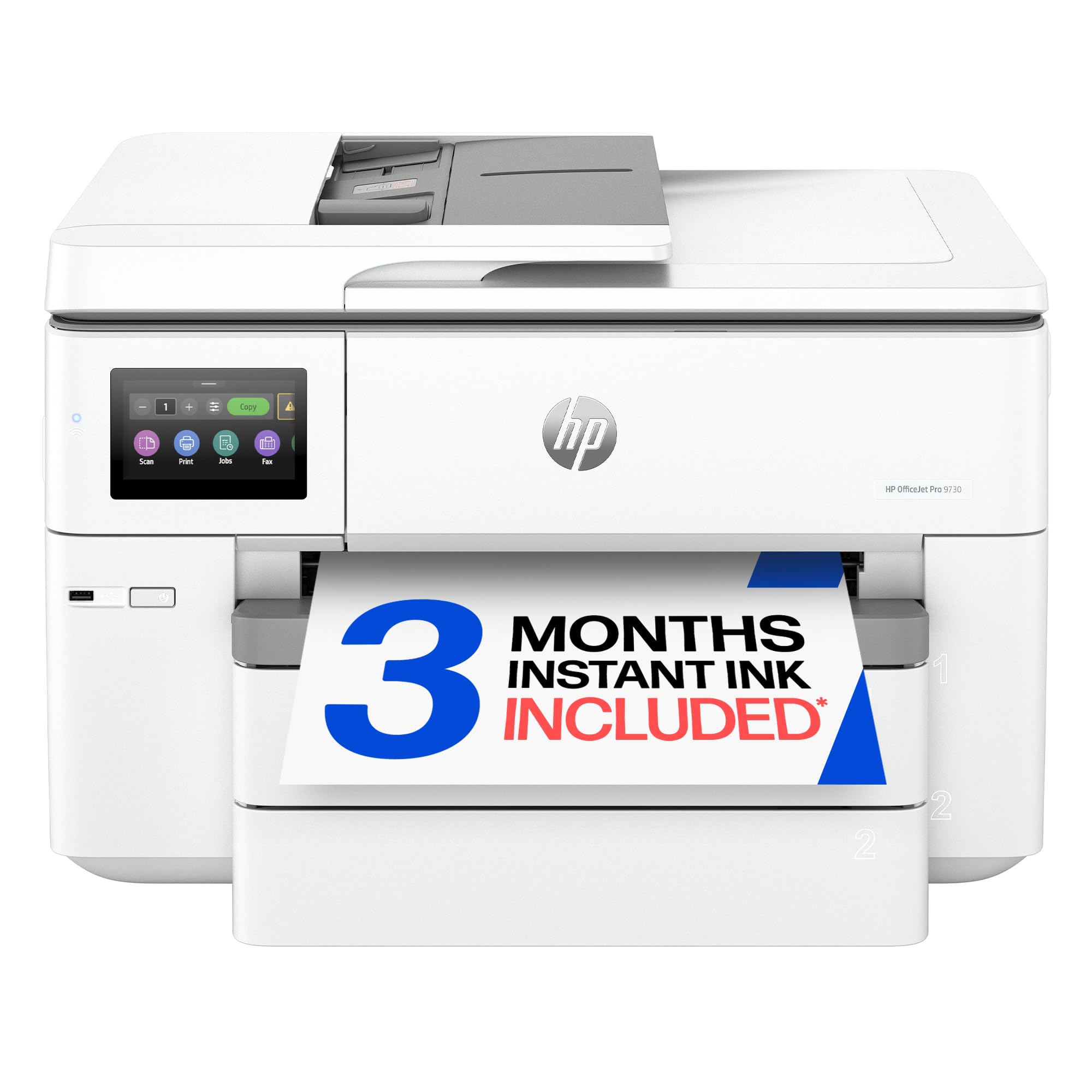
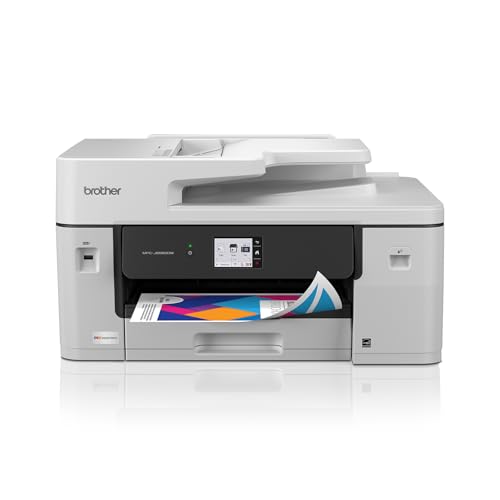
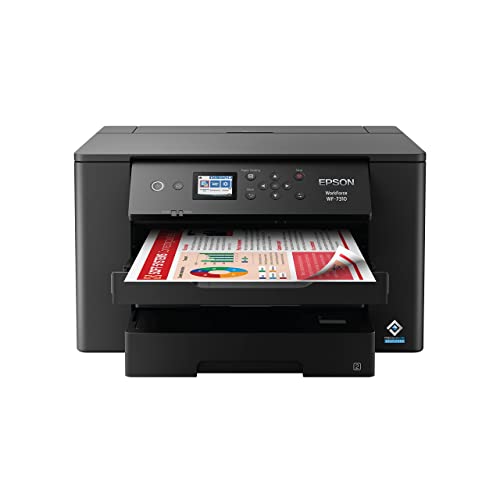
The table above lists six current wide-format inkjets from several makers. Read the sections below to see which kind suits you.



What Makes a Wide-Format Inkjet Different
A wide-format inkjet has a wider print head path and a paper feed that can take large sheets. Many accept paper up to a size larger than tabloid, which is useful for borderless 11x17 posters. Most include a flat bed or a feeder that takes letter and legal sheets, and some copy and scan.
You pay for the larger machine in size and weight. Expect a printer that takes up a good part of a desk and needs room behind it for the paper path.
How to Choose the Best 11x17 Inkjet Printers
Office Models or Photo Models
Office-class wide-format printers are designed for documents: they use pigment inks for sharp, smudge-resistant text, handle two-sided printing on smaller sizes and feed from large trays. Photo-class models use extra ink colors to give smooth gradients and rich color for posters and portfolios, but they are slower and use ink faster for plain text.
Cartridge or Tank
Cartridge models have a low purchase price and a high price per page. They suit occasional use. Tank models cost more up front and use inexpensive bottled ink, which lowers the cost per page and suits frequent printing. Check the price of the ink and the quoted page yield for the model you choose.
Paper Tray Design
A tray that holds tabloid sheets flat is easier than a slot that takes one sheet at a time. If you print stacks of tabloid pages, look for a tray or cassette that fits them. If you print only a few, a rear slot is fine.
Scanning and Copying Size
Most all-in-ones print tabloid but scan only smaller sizes. Check the glass size and the document feeder size. If you need to copy tabloid originals, confirm that the scanner supports them.
Duplex and Borderless
Two-sided printing can be limited to smaller paper sizes. Borderless printing is useful for posters and photographs. Check the listing for details at tabloid size.
Network and Mobile Printing
Wireless setup should be simple, and the manufacturer's app should work on your phone. Look at feedback about connection reliability, because a wide-format printer is a machine you want to leave on a shelf and use remotely.
Who Should Choose Inkjet
- Teachers and parents who print posters, charts and class projects.
- Small business owners who print menus, flyers and plans.
- Photographers and artists who print large proofs.
- Remote workers who need a tabloid printer for occasional large documents.
Matching Paper and Ink for the Job
Plain tabloid paper in a moderate weight is good for spreadsheets, schedules and drafts. For posters and photographs, use matte or glossy photo paper made for your printer, and select the matching paper type in the print dialog so the printer lays down the right amount of ink. Thick artist paper needs a straight paper path, so check what the printer accepts. For a flyer or a menu that will be handled, a pigment ink printer and a slightly heavier paper keep the text sharp and the page sturdy.
Placement and Setup Tips
Put the printer on a sturdy surface with room behind it for the paper path. Keep it away from direct sun and heaters, which dry the print head. Install the ink following the maker's guide, wait for the initial setup cycle to finish and run the alignment routine for the best sharpness. Use the manufacturer's app to connect over Wi-Fi, and give the printer a fixed network address if you share it among several computers.
Caring for an Inkjet
Print a sample page weekly, or at least every two weeks, so the nozzles stay open. Avoid leaving the machine unplugged for months. Use the maker's cleaning routine only when you see streaks.
Store paper flat and sealed, and use paper recommended for your printer. Clean the paper rollers occasionally as the maker directs.
Saving on Running Costs
Print drafts in a lower-quality mode and keep the best quality for final copies. Choose tank models if you print often. Buy ink from the maker or a reliable seller, since cheap off-brand ink can clog print heads and void the warranty. Turn the printer off with its power button so the print head parks correctly.
Reading Page-Yield Claims
Ink makers quote how many pages a cartridge or a tank prints, usually based on a standard sample page at letter size with modest coverage. Tabloid pages with photos and full-color graphics use far more ink, so expect lower real-world yields. Compare the price per page across models using the quoted yield as a guide, then adjust for how you print. A printer that prints mostly black-and-white spreadsheets will cost much less per page than one that prints posters.
11x17 Inkjet Printers: Your Questions Answered
Are tank printers worth it?
If you print often, yes. The cost per page is much lower. If you print rarely, a cartridge model costs less up front.
Can I print borderless posters?
Many wide-format inkjets can, at tabloid size and sometimes larger. Check the specifications of the model you want.
Do I need pigment or dye ink?
Pigment inks resist smudges and water and are good for documents. Dye inks give vibrant color on photo paper. Some printers use both.
Why does my printer jam on tabloid paper?
Large sheets curl or stick together. Fan the stack, store paper flat, and use the right tray and paper weight.
Final Thoughts
A good wide-format inkjet is a flexible tool for projects, plans and posters. The best 11x17 inkjet printers balance a comfortable tray, a sensible ink cost and the quality you need for documents or photos. Compare the models in the table above and check the ink price before you buy.