Best 120 Inch Projector Screens: Fixed, Pull-Down, Motorized and Outdoor
Disclosure: We may earn a commission when you buy through links on this page, at no extra cost to you. As an Amazon Associate I earn from qualifying purchases. Learn more

Best 120 inch projector screen options explained: screen types, gain, wall space and projector brightness for a big-picture home cinema.
A 120 inch diagonal screen measures roughly 105 inches wide by 59 inches tall in the common 16:9 shape, which is a little under nine feet across. That is a serious picture, closer to a small cinema than a television, and it asks more of your room and your projector than a smaller screen does. The best 120 inch projector screen is the one that fits your wall, your lighting and your projector.
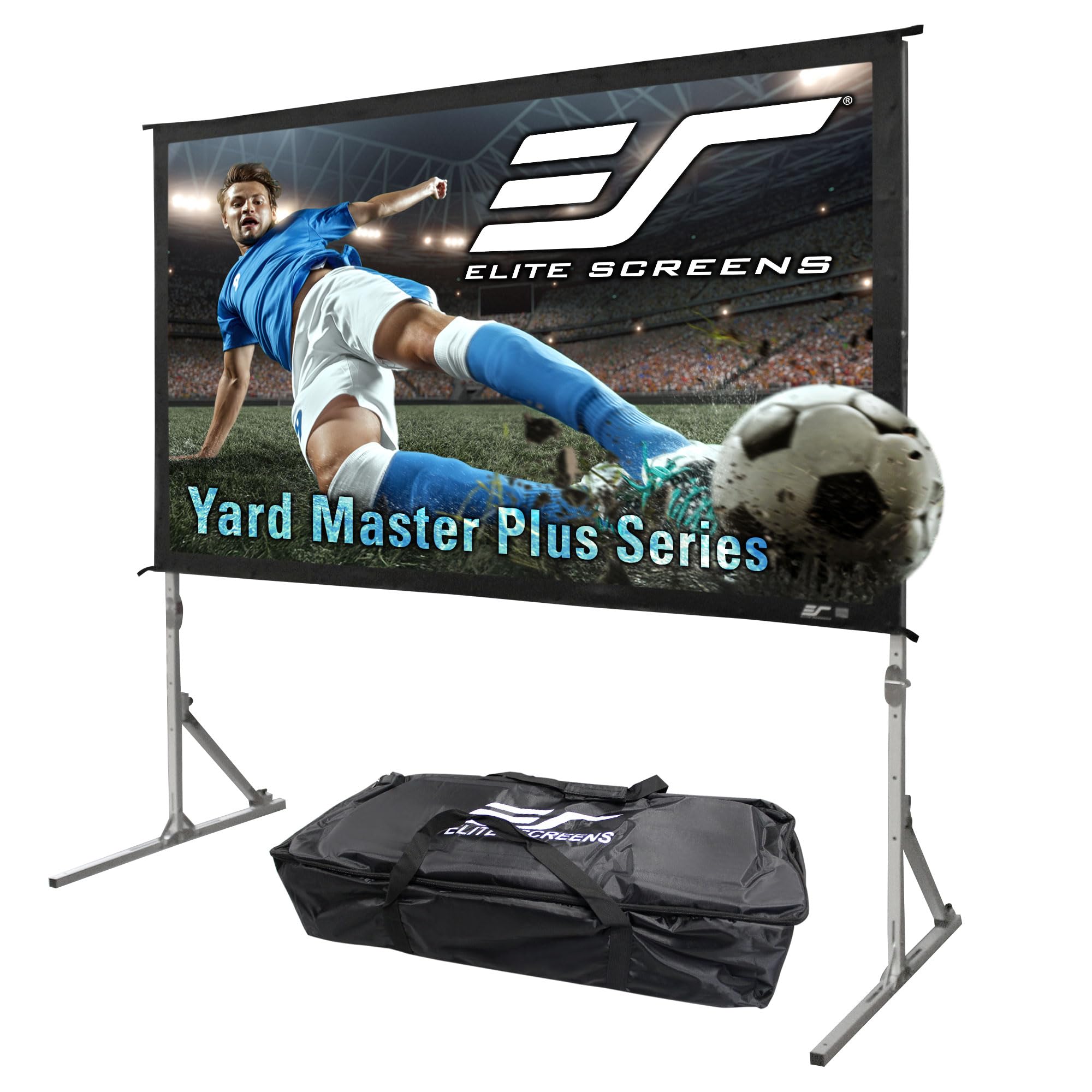
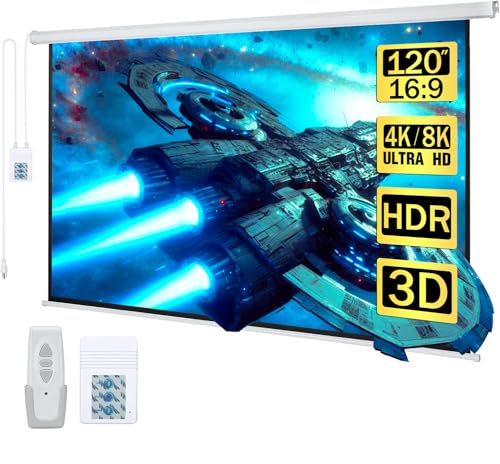
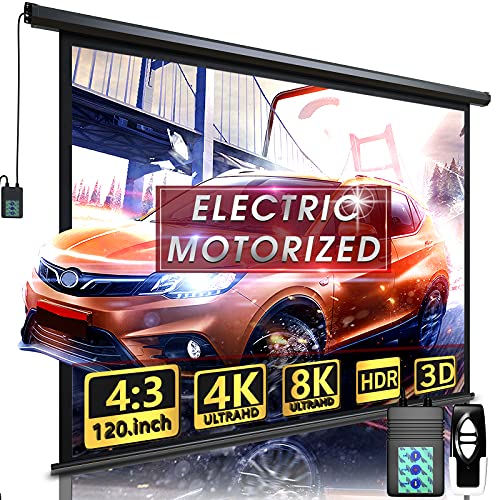
This guide walks through screen types, surface materials, brightness needs and installation, so you can pick a screen that suits indoor movie nights or outdoor parties. The product table above lists a range of formats to compare.




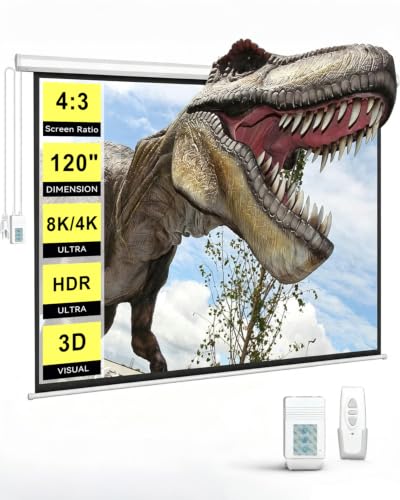
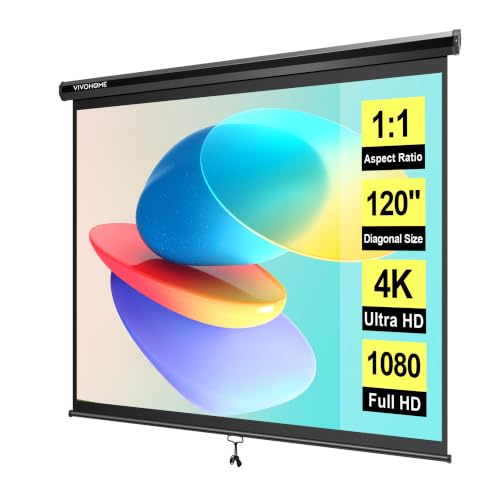
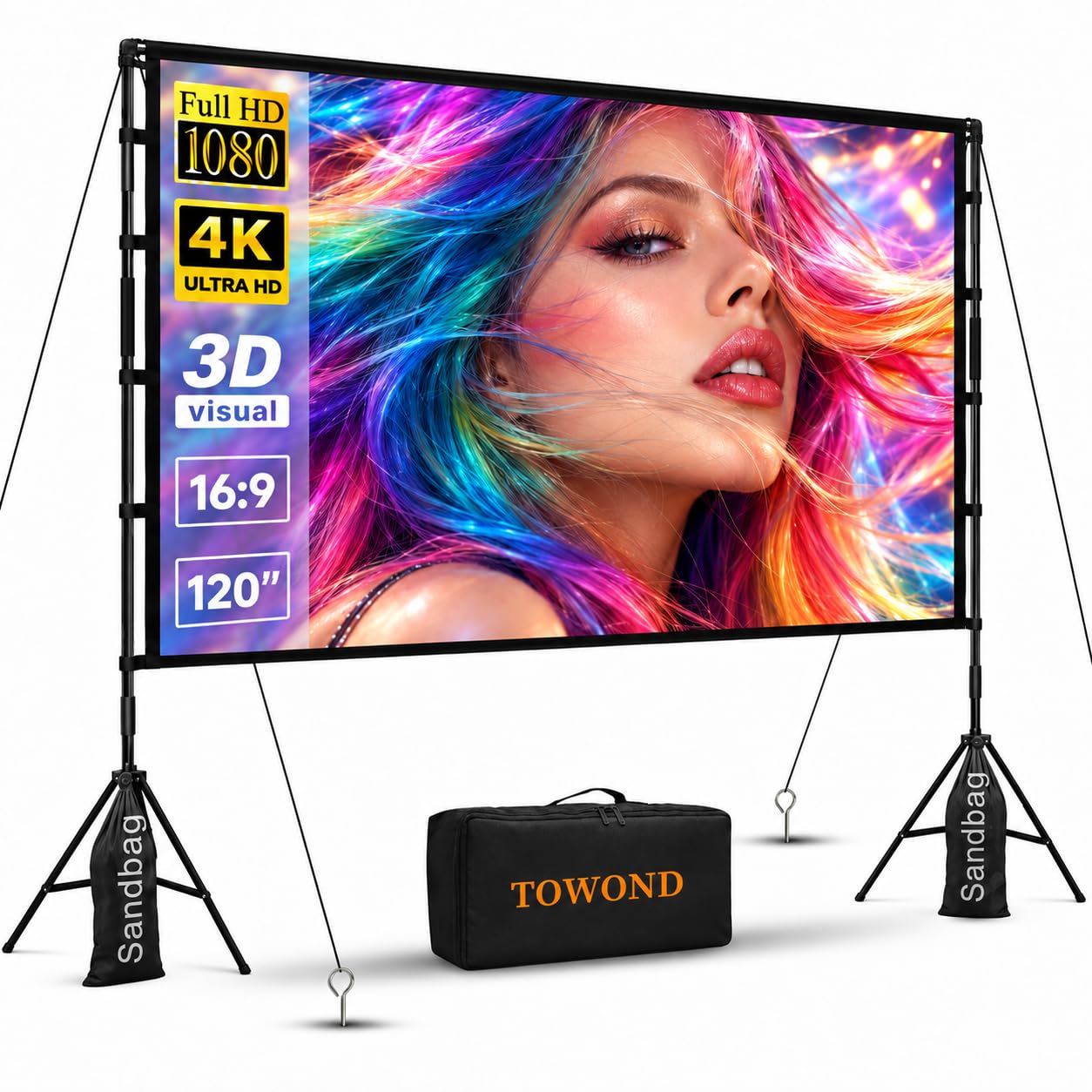
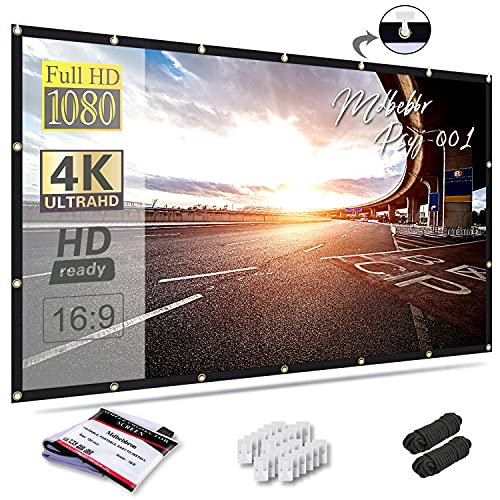
Measure Before You Choose
Start with the wall. Remember that the quoted size is the viewing area, and the frame, border or casing adds more. A fixed frame with a black border can be a foot wider than the image, and a pull-down casing needs clearance above for the roller. Measure ceiling height too, since a tall screen needs space to drop.
Then think about distance. A big image needs seating far enough back that your eyes can take in the whole picture without sweeping side to side. If your room is short, a 120 inch screen may overwhelm it, and you could be happier with a slightly smaller size.
Fixed, Pull-Down, Motorized or Folding
Fixed-frame screens stay tight and flat, which gives the best picture in a dedicated room. Pull-down manual screens suit shared spaces because they retract into a casing, and motorized versions do the same at the push of a remote. Folding stand screens pack into a bag for outdoor use, though they can wrinkle if stored carelessly.
Match the format to your habits. If the screen goes up and down daily, motorized is a pleasure. If it stays up all the time, fixed is cheaper and flatter. For travel or garden screenings, check our guide to portable projector screens, and for broader choices see projector screens in general.
Surface Material and Gain
Screen surface changes how light reflects. A standard matte white surface is neutral, widely compatible and forgiving. Some surfaces add gain, which reflects more light toward the viewer but can narrow the viewing angle and add a slight sheen. Gray surfaces can improve black levels in rooms with some ambient light.
For most home use, a neutral white or light-gray material works well. Think about whether the room is dark or bright, whether viewers sit off to the side and whether you watch mostly movies or sports. Anti-crease and tension features help the surface stay smooth.
Projector Brightness and Throw Distance
The larger the picture, the dimmer it looks from the same projector. A model that looks vivid on a 100 inch screen may look washed out at 120 inches in a bright room. Check that your projector is bright enough for a screen this size and that your room can be darkened.
Throw distance matters as well. Confirm that your projector can fill a 120 inch picture from where you plan to place it, and check the manual or listing for the distance range. For a full home setup, see the notes in our home theater screen guide.
Choosing the Best 120 Inch Projector Screen for Outdoors
Outdoor screens need stability. Look for a sturdy frame, stakes or weights and a plan for wind, since a large sheet acts like a sail. Black backing prevents light from showing through the material, which improves contrast.
Plan for dusk screenings and bring a cover for storage. A screen that lives outside will fade and wrinkle faster, so roll or fold it after each use.
Installation and Mounting
For wall mounting, use fixings that suit your wall type and the weight of the casing. Locate studs when you can, and have a second person help hold large frames. Check how a pull-down screen's casing attaches and whether the brackets are included. Our guide on how to hang a projector screen covers the process step by step.
Level the screen, then adjust the projector's keystone and focus. A crooked screen or tilted projector ruins the picture, and fixing it later is more work than getting it right the first time.
Budget and Value
Simple folding and fixed screens cost the least, and they can look excellent when properly tensioned. Motorized models add convenience and a tidy casing, and they cost more for the motor and remote. Specialized ambient light surfaces sit at the top of the range.
Spend where it pays off. A flat, well-tensioned surface matters more than an extra feature you will not use. If the room is dark, put the savings toward a brighter projector rather than a premium screen material.
Care and Maintenance
Dust shows up on a large white surface, so wipe gently with a soft dry cloth and avoid cleaning chemicals that can mark the coating. Retract pull-down screens when not in use to keep dust and sunlight off them. Store folding screens loosely rolled or hung, not crushed in a box.
Check fixings once a year, especially on ceiling-mounted casings. A loose bracket on a screen this size is worth catching early.
Frequently Asked Questions
Is 120 inches too big for a living room?
It depends on seating distance and wall space. In a large room it is excellent, but in a small room a smaller screen may be more comfortable.
What aspect ratio should I pick?
Choose 16:9 for modern movies, streaming and consoles. Pick a different ratio only if your projector or content requires it.
Do I need an ambient light rejecting screen?
If you watch with lights on, a specialized surface helps, but it works best with a bright projector. In a dark room, standard white is simpler and cheaper.
Can I use a 120 inch screen outdoors?
Yes, if it is designed for it. Look for a stable frame and secure anchoring, and avoid windy conditions.
How do I stop wrinkles?
Hang or tension the screen properly, store folding screens carefully and smooth light creases with gentle tension, not heat.
Wrapping Up
Measure the wall, choose a screen type that fits your habits and make sure your projector is bright enough for the size. The best 120 inch projector screen gives you a big, flat, bright image without surprises. Use the product table above to compare formats, then check the return window before ordering.
Prices and availability can change, so check the product page before ordering.