Best 12x Binoculars: Compact, Full-Size and Stabilized Options for Everyday Viewing
Disclosure: We may earn a commission when you buy through links on this page, at no extra cost to you. As an Amazon Associate I earn from qualifying purchases. Learn more

Best 12x binoculars for birding, sport, travel and stargazing, compared by size, stabilization, light gathering and everyday comfort.
Twelve times magnification brings a subject twelve times closer than the naked eye sees it. That makes it a flexible power for birding from a distance, following a ball game from the upper rows, spotting ships from a harbor and sweeping the night sky. The best 12x binoculars vary mainly in size, stabilization and how much light they gather.
This guide compares the main types, explains how objective size and weight change the experience and shows how to match a pair to your habits. The product table above lists compact, full-size and stabilized binoculars at many prices.

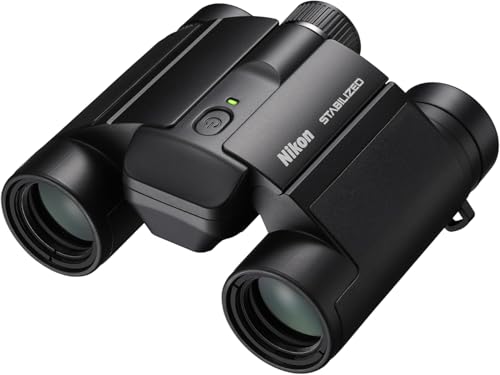


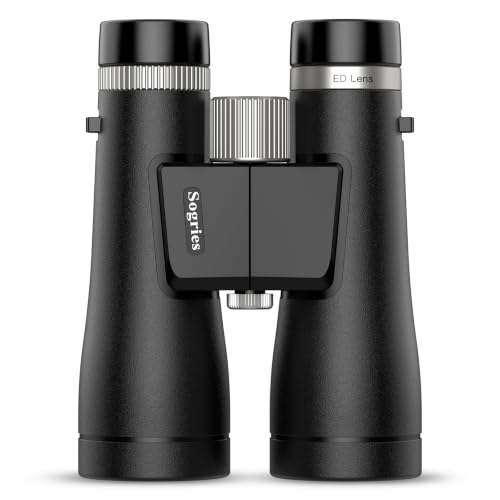


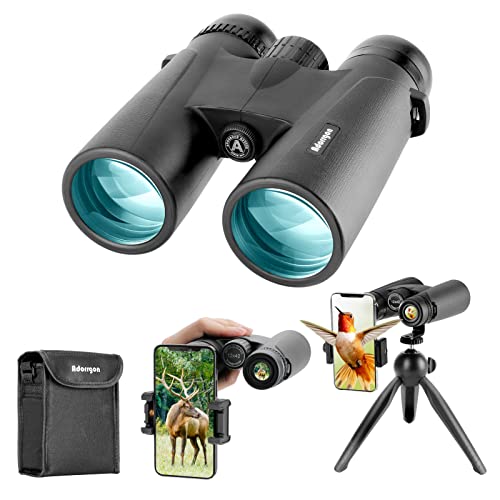
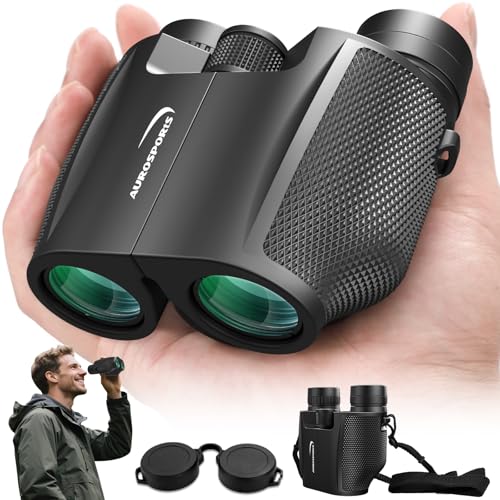
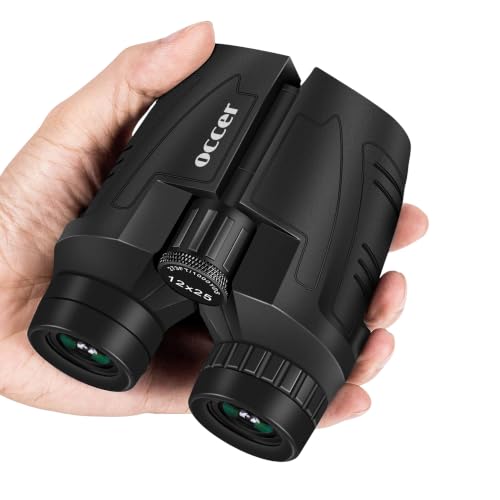
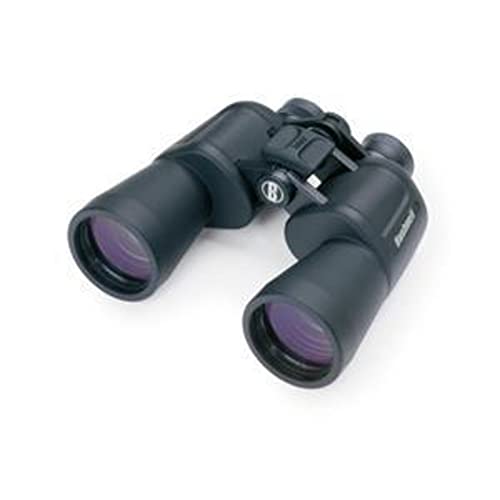
Compact, Full-Size and Stabilized
Compact 12x binoculars use small front lenses, fit in a pocket and suit daylight use, travel and sport. Full-size models use larger lenses and gather more light, which helps at dawn, dusk and for stargazing, but they are heavier. Image stabilized binoculars use technology to calm hand shake, which makes 12x far easier to hold.
Stabilized models cost more and need batteries. For long viewing sessions or for those with less steady hands, they are a worthwhile luxury. For casual use, a good unstabilized pair works well when braced.
The Second Number Matters
The number after the x is the diameter of the front lenses in millimetres. A larger lens gathers more light, giving a brighter view in dim conditions, but adds weight. Divide the lens size by the magnification to get the exit pupil: for 12x50, that is about 4.2 millimetres, which suits twilight, while a 12x25 is about 2 millimetres and suits bright days.
A larger exit pupil makes it easier to line up your eye and gives a brighter picture. Match this to when you will use the binoculars most. Our overview of the best rated binoculars compares sizes more widely.
Birding and Wildlife
For birding, 12x helps with distant waders and raptors, but the narrow field makes finding a small bird in a tree harder. Many birders prefer lower power for forests and 12x for open water. Close-focus distance matters for butterflies and nearby songbirds.
Waterproof, fog-proof construction helps in morning dew. See our guide to binoculars for birding for more on this use, and our guide to the best 12x binoculars for hunting for field use.
Sports, Travel and Concerts
At stadiums, 12x brings players close from the cheap seats. A compact model slips into a bag, and a wide field helps follow the action. For cruises and sightseeing, light weight and waterproofing matter more than top optics.
At concerts and theaters, lower power is often more comfortable, because shake and a narrow view are harder to manage in a crowd.
Stargazing and Wide-Field Viewing
Large 12x binoculars are popular for casual stargazing, revealing star clusters and the moon in detail. For astronomy, steady support is vital, and a tripod adapter or a lean-back chair makes a big difference. Larger lenses show more stars.
Check the weight if you plan to hold them overhead, and look for a model with a tripod socket. Avoid expecting telescope-level planet views from binoculars.
Build, Coatings and Eye Relief
Fully multi-coated lenses give brighter and sharper images, and good prisms reduce glare. Roof prism designs are slimmer, while porro prism designs are often cheaper for the same optical quality but bulkier. Rubber armor protects against bumps.
If you wear glasses, check the eye relief and twist-up eyecups. A comfortable fit encourages longer use.
Choosing the Best 12x Binoculars by Budget
Budget models suit occasional use and can be surprisingly good in daylight. Mid-priced models add better glass and tougher construction. Premium models and stabilized designs reward frequent users.
Decide how often you will use them. A pair that fits your life and gets used beats an expensive pair left at home.
Handling, Weight and Comfort
Weight decides whether you reach for the binoculars. Hold a pair at arm's length for a minute, then at eye level, and notice how quickly your arms tire. Heavier models are steadier on a rest but harder to hold freely, while light ones shake more.
Check the focus wheel placement and the strap fittings. A wide strap or a harness spreads the load across your shoulders, and a stiff but smooth focus wheel is easier to control than a loose one. Set the diopter once for your own eyes and leave it.
Setting Up Your Binoculars
Adjust the hinge until both eyepieces align with your eyes, then close your right eye and focus on a distant object with the center wheel. Close the left eye and turn the diopter ring until the image is sharp. Both eyes open should now show one clear circle.
If you see two overlapping circles, adjust the hinge width. Take a minute to set the eyecups correctly, because a few millimetres of distance changes the view noticeably.
Care and Storage
Keep the lens caps on when not using them, and store the binoculars in a dry, cool place. Use a blower to remove grit before wiping, and clean only with a proper lens cloth. Avoid leaving them on a car dashboard, where heat can damage seals.
If you notice haze inside the barrels or an image that will not merge, contact the seller or maker, since internal faults are not a home repair.
Frequently Asked Questions
Is 12x better than 10x?
It brings subjects closer, but it is harder to hold and has a narrower field. Many people find 10x easier.
What is the exit pupil?
The width of the light beam leaving the eyepiece. A larger one looks brighter in low light.
Do I need image stabilization?
It helps at 12x, especially for long sessions, but costs more and needs power.
Can I use them with glasses?
Yes, if the eye relief is long enough and the eyecups twist down.
Are 12x binoculars good for stargazing?
Yes for casual viewing, especially with a tripod or a stable rest.
Wrapping Up
Choose a size and weight you will carry, decide whether stabilization is worth the money and match the lens size to your lighting. The best 12x binoculars fit how you actually watch, whether that is a bird, a ballgame or the night sky. Use the product table above to compare options and check the return window.
Prices and availability can change, so check the product page before ordering.