Best 12x50 Binoculars: Porro or Roof Prism, and Which Uses Suit the Size
Disclosure: We may earn a commission when you buy through links on this page, at no extra cost to you. As an Amazon Associate I earn from qualifying purchases. Learn more

Best 12x50 binoculars compared by prism type, weight and use, from wildlife and boating to stargazing, with tips for steady viewing.
A 12x50 pair is a big, bright, long-reaching tool. It is not the easiest binocular to carry, but it rewards patient viewing of distant wildlife, boats on the horizon, sports fields and a starry sky. The best 12x50 binoculars are defined by prism type, glass quality and how well they let you hold a steady view.
This guide compares the two main designs, explains which activities suit the size and offers tips for steadier viewing. The product table above lists a wide range of 12x50 models to compare.





Porro Prism or Roof Prism
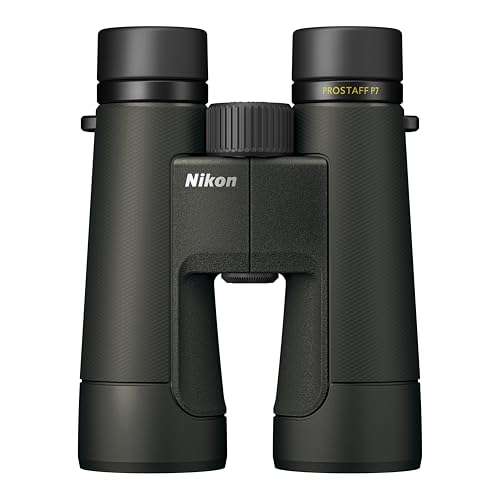
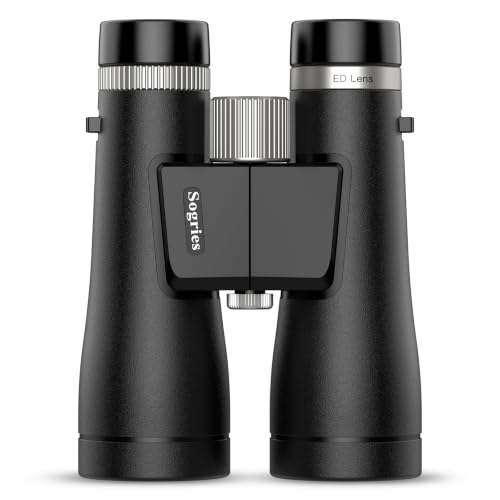
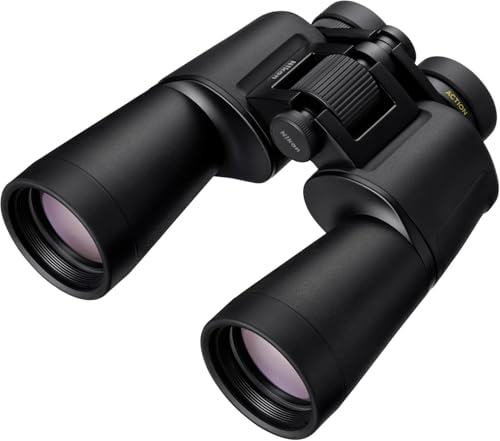
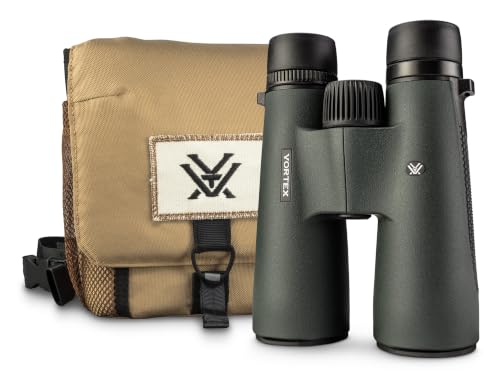
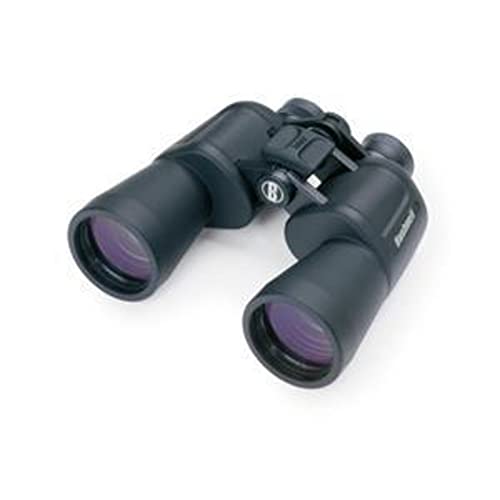
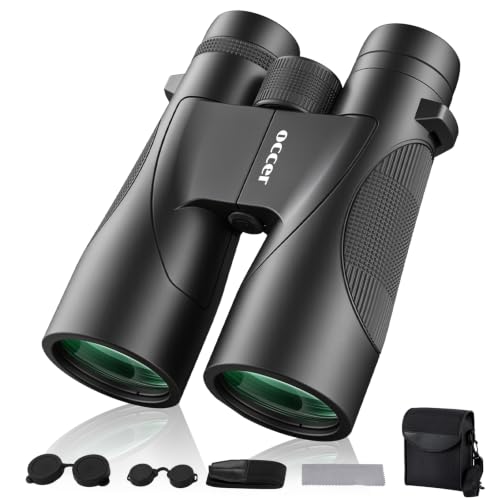
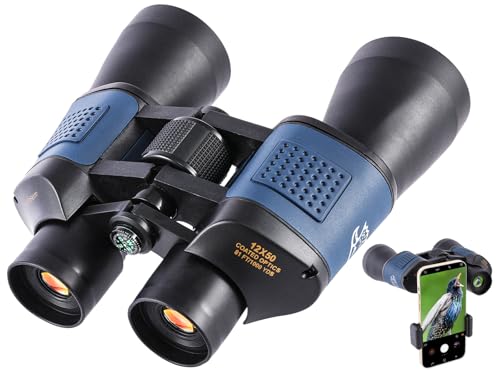
Porro prism binoculars have the classic zigzag shape, with the barrels offset from the eyepieces. The design gives a wide, deep image and strong value, though the bodies are wider and heavier. Roof prism binoculars have straight barrels, slimmer bodies and a more streamlined feel, and they usually cost more for similar optical quality.
At 12x50 both designs work, and the right choice is often about handling. If you hold the binoculars for long periods, try both shapes to see which fits your hands. Optical coatings and glass matter more than prism type.
Daytime Wildlife and Birding
For distant animals and birds on lakes, fields and hillsides, 12x gives a satisfying reach. The 50 millimetre lenses keep the view bright in shade and at the edges of the day. A narrow field of view means you may lose fast-moving subjects, so many viewers locate them with lower power first.
If birding is your main interest, see our guide to binoculars for birding for more on size and power choices.
Boating, Sports and Sightseeing
On a boat, steady holding is the challenge, and a heavy pair magnifies every motion. Brace against a rail, or choose a lower power for choppy water. At sports venues, 12x50 brings players close but may be bulky in a crowd.
Sightseers appreciate the reach for landmarks and mountain views, though weight can be tiring on all-day trips. Compare with the broader range in our best rated binoculars guide.
Stargazing With 12x50
Large binoculars are an excellent first instrument for the night sky. They show the moon's craters, star clusters and many faint stars. The wide view makes them easier to use than a small telescope for scanning the sky.
For comfortable astronomy, use a tripod or a reclining chair, because arms tire quickly when pointed upward. Dark skies and patience reveal far more than any specification.
Supporting Weight and Reducing Shake
Holding 12x50 steady is a skill. Brace your elbows against your body, use a wall or a tree, or mount the binoculars on a tripod. Many models have a tripod socket under the hinge, and an adapter is cheap.
Straps and harnesses spread the weight. Our guide to hunting binoculars shows how serious users manage it, and our overview of the best 12x50 binoculars for hunting adds field tips.
Glass, Coatings and Eye Comfort
Fully multi-coated lenses and good prism coatings give brighter, higher-contrast images. Check for eye relief if you wear glasses, and for smooth, firm focus.
Waterproof and fog-proof designs are valuable outdoors. Rubber armor protects and gives a secure grip. Look for a lifetime or long warranty if you can.
Choosing the Best 12x50 Binoculars by Budget
Entry-level models are fine for daytime use and hobby stargazing. Mid-range models improve sharpness and durability. Premium models are brighter, crisper and sturdier.
If you want a price cap, see our guide to 12x50 binoculars under $500. Spend on glass first, and consider a tripod before extra features.
Using the Size on the Water
Marine use adds motion, spray and glare. Choose waterproof, fog-proof binoculars with a floating strap if you boat often, and wear the strap around your neck so a gust cannot take them. Brace against a stable part of the boat and lean with the motion rather than fighting it.
Glare from the water tires the eyes, so polarized sunglasses and a good eyecup seal help. Rinse salt spray off promptly.
Setting Up for the First Time
Adjust the barrels to fit the distance between your eyes until you see a single circle. Focus on a distant object with the center wheel using your right eye, then close it and set the diopter ring with your left eye. Both eyes open now show a sharp image.
Extend or retract the eyecups to suit your face, and try the strap length with a harness if you have one. Spend five minutes on this setup, because a few small adjustments make the view far more comfortable.
Cleaning and Storage
Use a blower to remove grit, then a soft brush, then a lens cloth with a drop of lens cleaner on stubborn marks. Never wipe dry dust directly, since it scratches the coating. Cap the lenses and store the binoculars in a dry place away from heat.
If you use them near the sea, rinse the exterior with fresh water on a cloth and dry thoroughly, because salt leaves residue that harms coatings and moving parts.
Common Mistakes
The main mistakes are expecting magic from the number, ignoring the weight and skipping support. Others buy a pair with a poor eyecup design that cuts the view if you wear glasses, or treat extra zoom claims as real. Read the listing carefully and buy from a reputable source.
Buy for the activity you do most, not the one you might try once. A heavy 12x50 left on a shelf is a worse purchase than a lighter pair you use every week.
Frequently Asked Questions
What does 12x50 mean?
Twelve times magnification with 50 millimetre front lenses.
Are they too heavy?
They are heavier than compact models, so many people use a harness or tripod.
Are they good for stargazing?
Yes. They show the moon and star fields well when supported.
Porro or roof prism?
Both work. Choose based on handling, budget and optical quality.
Do I need a tripod?
It helps for long viewing and astronomy.
Wrapping Up
Pick a prism design that feels right, decide where you will use the binoculars most and plan for steady support. The best 12x50 binoculars give bright, long-range views and are comfortable enough that you keep using them. Use the product table above to compare options and check the return policy.
Prices and availability can change, so check the product page before ordering.