Best Bags for Cameras: Every Type Explained Side by Side
Disclosure: We may earn a commission when you buy through links on this page, at no extra cost to you. As an Amazon Associate I earn from qualifying purchases. Learn more

Camera backpacks, sling bags, shoulder bags, top loaders and hard cases compared side by side, plus travel and drone advice.
A good camera bag protects thousands of dollars of gear, keeps lenses organized and lets you grab your camera before the moment passes. But camera backpacks, sling bags, shoulder bags, top loaders and hard cases each work very differently, and the wrong style can leave you digging for a lens or carrying more weight than you need. This guide to the best bags for cameras compares every type side by side, so you can pick the one that fits your gear and the way you shoot.
The short answer: most photographers should choose a padded camera backpack with customizable dividers, weather resistance and quick access, such as the Lowepro Flipside 200 AW II around $145; those who carry one camera and a lens can save with a sling bag like the K&F Concept sling around $34, while travelers with drones and laptops should consider an expandable system like the PGYTECH OneMo 2 around $220.




Three Bags Worth a Look
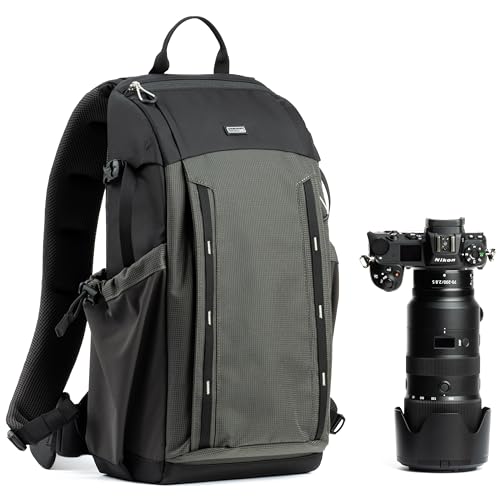
These three bags from the product table above cover the most common needs. We explain the reasoning below rather than reviewing each one.


Types of Bags for Cameras Compared
| Type | Best For | Pros | Cons | Typical Price |
|---|---|---|---|---|
| Camera backpacks | Multiple lenses, hiking, travel | High capacity, even weight, laptop space | Slower access, bulkier | Around $30 to $400 |
| Sling bags | Street, everyday, one body plus lenses | Fast access, light, compact | Weight on one shoulder, limited space | Around $30 to $150 |
| Shoulder and messenger bags | Events, city shooting | Quick top access, classic look | Uneven weight on long walks | Around $30 to $200 |
| Top loaders and holsters | One camera with a lens attached | Very fast access, small | Little room for extras | Around $20 to $70 |
| Hard cases | Shipping, flights, harsh environments | Maximum protection, waterproof options | Heavy, not for carrying all day | Around $50 to $250 |
Camera Backpacks
Camera backpacks spread weight across both shoulders, making them ideal for long days, hikes and travel. Padded dividers let you arrange a body, several lenses, a flash and accessories, and many models add laptop sleeves and tripod straps. Back opening designs, like Lowepro's Flipside series, keep your gear secure against your back and let you open the bag without setting it in mud or snow.
The pros are capacity, comfort and protection. The cons are slower access, since you must take the bag off, and a bulkier profile. Backpacks suit hobbyists and professionals who carry multiple lenses or travel with gear.
Sling Bags
Sling bags hang across one shoulder and swing around to the front for quick access without taking the bag off. Compact slings, like the K&F Concept sling with an internal size of about 10.6 by 6.7 by 4.1 inches, fit a mirrorless body with a lens and one or two extra lenses.
The pros are speed and a low profile for street and travel photography. The cons are limited space and weight on one shoulder, which becomes tiring with heavy gear. Slings suit everyday shooters with small kits.
Shoulder and Messenger Bags
Shoulder bags open from the top, letting you reach inside while the bag hangs at your side. They are popular with event, wedding and street photographers who change lenses often. Many include a padded insert and pockets for batteries and cards, like the classic USA Gear DSLR case. The pros are quick access and a familiar style; the cons are uneven weight distribution and less weather protection than backpacks.
Top Loaders and Holsters
Top loaders hold one camera with a lens attached in a vertical or angled position, often worn on the chest or hip. Expandable models, like the TARION TriadPack top loader, adjust to fit longer lenses. They offer the fastest access for wildlife and sports, but carry little beyond the camera itself.
Hard Cases
Hard cases use rigid shells and foam or divider interiors to protect gear from drops, crushing and water. They are ideal for checked luggage, car trunks, boats and shipping gear. Affordable options like the Amazon Basics hard case offer customizable foam and water resistant construction. They are heavy and awkward for walking around, so most photographers pair a hard case for transport with a soft bag for shooting.
Camera Backpack vs Sling Bag: Which Should You Choose?
These two styles are the most popular, so compare them on five points. Capacity: backpacks hold far more lenses, a laptop and a tripod, while slings fit a small kit. Access: slings swing to the front for fast lens changes, while backpacks require removal unless they have side access. Comfort: backpacks distribute weight better on long walks. Security: back opening backpacks and slings worn in front deter thieves. Price: slings cost less. Choose a backpack if you carry more than two lenses or hike, and a sling for light, everyday kits.
How to Choose the Right Camera Bag
Features That Matter for Cameras
Camera bags differ from regular bags in their padding and organization. Look for dense foam or EPE padded dividers that adjust to your gear, a padded bottom and protection for the lens and screen. Quick access openings, tripod straps and dedicated pockets for batteries, filters and memory cards make shooting easier. Measure your camera with its longest lens attached and compare it to the bag's internal dimensions, not the outer size.
Weather Resistance and Materials
Weather protection matters for outdoor shooters. Water resistant nylon or PU coated fabrics, like those on the K&F Concept sling and PGYTECH OneMo 2, shed light rain. Many bags include rain covers; AW models from Lowepro include an All Weather cover. Sturdy zippers, such as YKK zippers, last longer. For heavy rain or boats, choose a waterproof hard case.
Size, Weight, and Ergonomics
A bag should fit your current kit plus a little room to grow. Small slings hold around 5 to 10 liters, everyday backpacks 15 to 25 liters and travel backpacks 30 liters or more. Check empty weight; large travel backpacks can weigh over 4 pounds before you add gear. Padded shoulder straps, sternum straps, hip belts and breathable back panels improve comfort on long days.
Capacity and Organization
Count your gear: camera bodies, lenses, flash, drone, laptop and accessories. A typical everyday kit of one body and two or three lenses fits a medium sling or small backpack. Professionals with two bodies, long telephoto lenses and a laptop need 25 liters or more. Modular systems, like the PGYTECH OneMo 2 with its included shoulder bag, let you carry a small bag for shooting and the full backpack for travel.
Security and Access
Back opening backpacks keep zippers against your body, deterring theft in crowded places. Hidden pockets, lockable zippers and luggage passthrough straps add security for travelers. Side or top access lets you grab your camera without removing the bag. Choose the access style that matches how quickly you need to shoot.
Best Bags for Specific Needs
Best Travel Bags for Cameras
The best travel bags for cameras balance capacity with airline friendly size. Check three things: dimensions that fit carry on limits, a padded laptop sleeve and a luggage passthrough strap for rolling suitcases. Backpacks with expandable compartments and detachable inner bags, like the PGYTECH OneMo 2, let you adapt for flights and day trips. Anti theft back opening designs add peace of mind.
Best Bags for Cameras and Drones: Which Type Works Best
The best bags for cameras and drones are usually backpacks with fully adjustable dividers, since drones need wide compartments. Look for a bag that lists compatibility with your drone, room for spare batteries and a padded section for controllers. The PGYTECH OneMo 2 and CADeN camera backpack both mention drone storage. Hard cases work well for transporting drones in cars.
Bags for Everyday Carry
For daily commutes and city walks, choose a slim backpack or sling that looks like a regular bag. The Think Tank Backlight Sprint is a lightweight daypack design, while compact slings suit mirrorless shooters who want a camera ready without carrying a large bag.
Setup and Care Tips
- Arrange dividers carefully: place heavy lenses near your back or the bottom for balance.
- Use a lens cloth, not your shirt: keep a microfiber cloth in a pocket for lens cleaning.
- Carry a spare battery: store charged batteries in a dedicated pocket.
- Store in a dry place: remove gear after shooting in rain and let the bag dry fully. Add silica gel packs to prevent humidity damage.
- Clean the bag: vacuum dust and sand from dividers, and spot clean fabric with mild soap.
FAQs
What features matter most in bags for cameras?
What features matter most in bags for cameras? Padding, adjustable dividers and the right size matter most. The bag should protect your camera and lenses from bumps, organize gear so you can find it fast and fit your kit without forcing zippers. Weather resistance, comfortable straps and quick access openings come next.
What should beginners buy first?
What should beginners buy first? Beginners with one camera and a kit lens should start with a sling or small shoulder bag around $30 to $40. These offer padding, quick access and room for a second lens. Upgrade to a backpack when you add more lenses, a drone or a laptop, or when you start traveling regularly with your gear.
Can I use a regular backpack with a camera insert?
Can I use a regular backpack with a camera insert? Yes, padded camera inserts turn a regular backpack into a camera bag at low cost. They work well for casual use but offer less structure, protection and access than dedicated camera backpacks. Make sure the insert fits snugly so gear does not shift.
Are camera bags allowed as carry on luggage?
Are camera bags allowed as carry on luggage? Yes, most camera backpacks and slings fit airline carry on or personal item limits, but check dimensions against your airline's rules. Always carry cameras, lenses and lithium batteries in the cabin rather than checked luggage to protect them and comply with battery regulations.
How much should I spend on my first one?
How much should I spend on my first one? Most photographers should spend around $30 to $150 on their first camera bag. Budget slings and backpacks from brands like K&F Concept and CADeN protect gear well, while $140 to $220 buys premium backpacks with better materials and comfort. Spend more if you hike or travel often.
Final Thoughts
Choosing a camera bag comes down to three things: the amount of gear you carry, how quickly you need to access it and where you shoot. Backpacks like the Lowepro Flipside 200 AW II suit most photographers, slings like the K&F Concept sling keep small kits ready and expandable travel packs like the PGYTECH OneMo 2 handle drones and laptops. Compare the best bags for cameras in the product table above to find the right fit for your kit.