
Best Cameras Sony Makes: Which One Fits the Way You Shoot?
Disclosure: We may earn a commission when you buy through links on this page, at no extra cost to you. As an Amazon Associate I earn from qualifying purchases. Learn more

Sony's camera families explained and matched to vloggers, travelers, students and enthusiasts, with features to compare.
Sony is one of the biggest names in cameras, with a lineup that spans pocket compacts, vlogging cameras, APS C mirrorless bodies, full frame models and cinema cameras. That range means there is a Sony for almost everyone, but it also makes choosing hard, especially with model names like a6700, a7 IV, ZV-E10 II and RX100 VII. This guide to the best cameras sony makes starts with how you shoot, then explains which Sony family fits your routine.
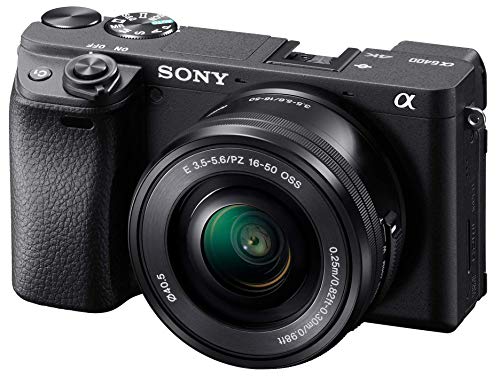
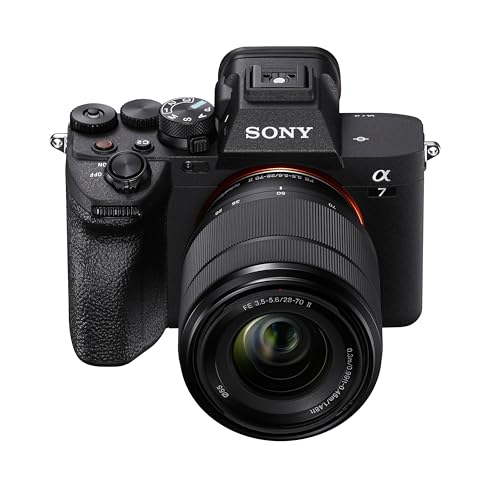
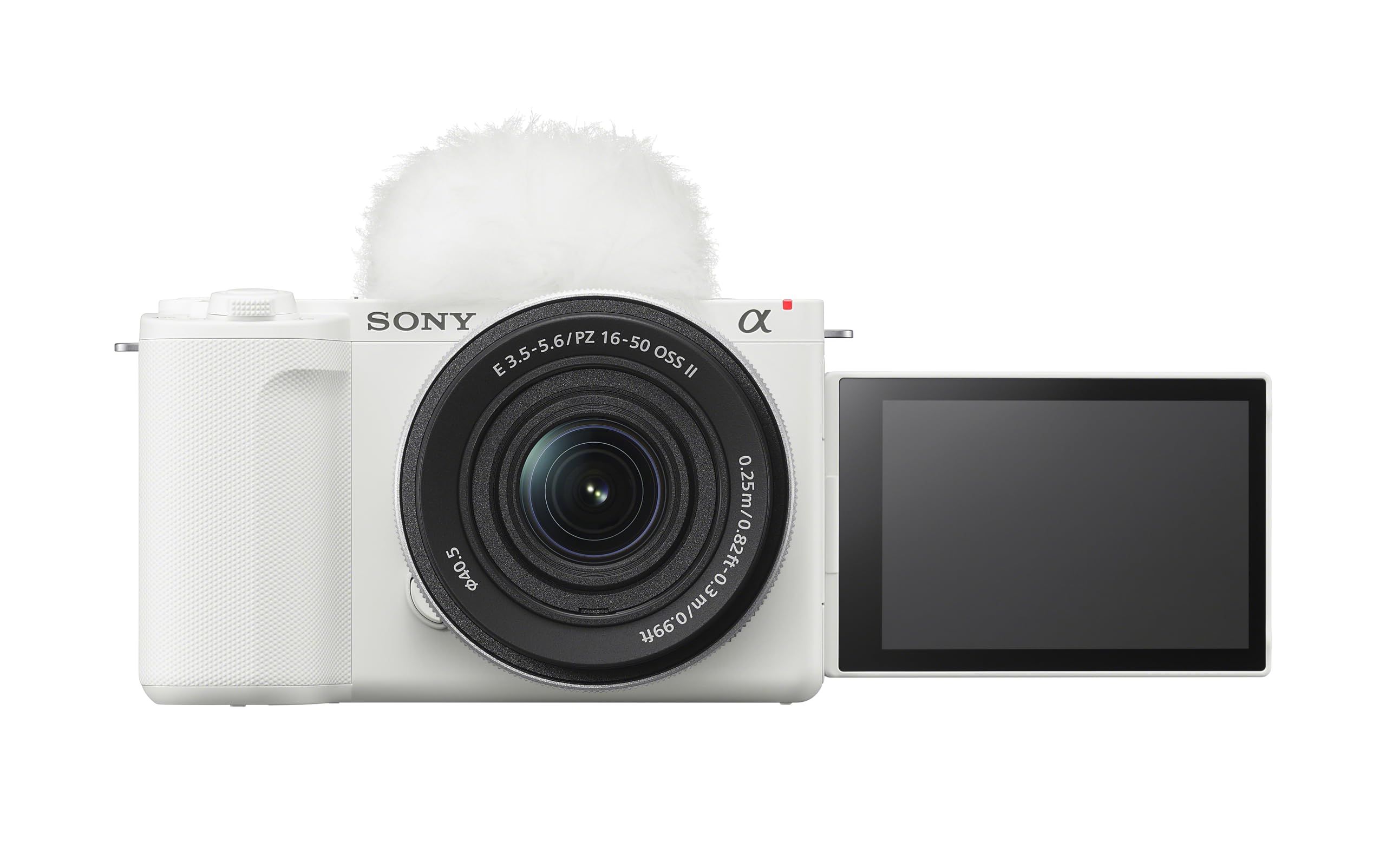
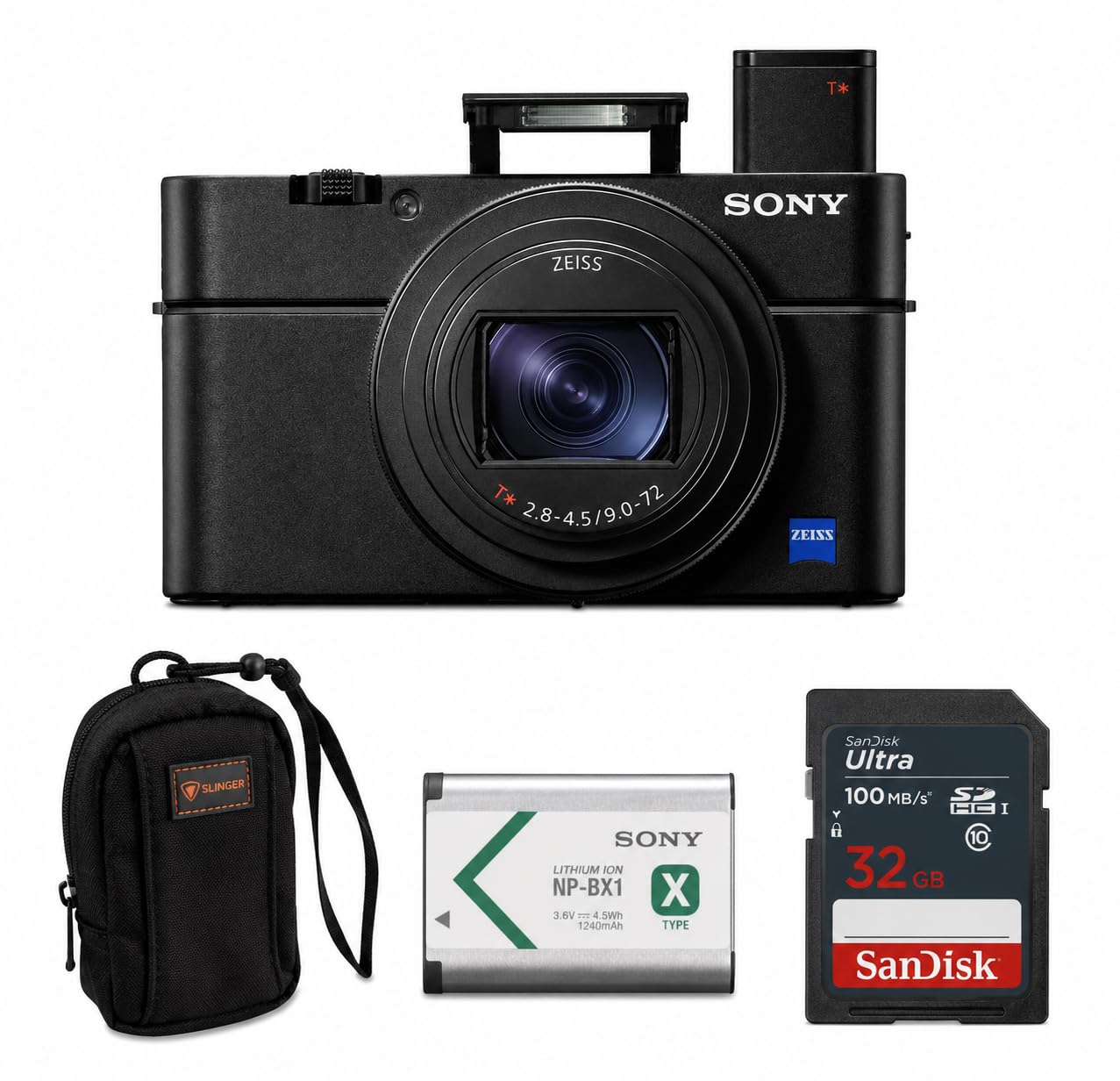
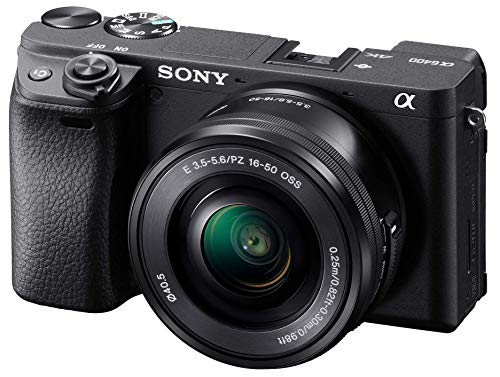
The short answer: most enthusiasts should choose the Sony a6700, an APS C mirrorless camera with excellent autofocus and 4K video, around $1,600 with a kit lens; budget buyers can start with the a6400 around $810 body only; vloggers should look at the ZV-E10 II or compact ZV-1 II; travelers who want one small camera can choose the RX100 VII; and photographers who want full frame quality should step up to the a7 IV or compact a7C II.




Top 3 Picks at a Glance
These three Sony cameras from the product table above cover the best overall choice, a value option and a full frame upgrade.


Who Should Buy Which Sony Cameras?
Sony's lineup falls into five families. ZV cameras are designed for vloggers and creators. The a6000 series uses APS C sensors in compact interchangeable lens bodies. The a7 and a7C series use full frame sensors for higher image quality. RX100 compacts pack 1 inch sensors and zoom lenses into pocketable bodies. Cinema Line cameras like the FX30 focus on professional video.
For Remote Workers, Vloggers and Creators
Creators who film themselves benefit from Sony's ZV series. The ZV-E10 II combines an APS C sensor with interchangeable lenses, a flip out screen, a directional microphone and product showcase autofocus that shifts focus from your face to an object you hold up. The ZV-1 II is a pocketable alternative with a wide zoom lens. Both work as high quality webcams over USB for streaming and video calls. Serious video creators can step up to the FX30 cinema camera for professional codecs and active cooling.
For Enthusiasts and Power Users
Enthusiast photographers want fast autofocus, strong low light performance and lens flexibility. The a6700 delivers Sony's AI based subject recognition in a compact APS C body with in body stabilization and 4K video. Full frame shooters will love the a7 IV for its 33 megapixel sensor, excellent dynamic range and hybrid photo and video features, while the a7C II puts similar performance in a smaller body for travel.
For Students and Everyday Users
Students and families upgrading from a phone should start with an affordable APS C camera like the a6400 or ZV-E10 II. They offer large sensors for background blur and cleaner low light photos, easy auto modes and smartphone transfer through the Sony app. Pair them with a kit zoom and an inexpensive prime lens for portraits.
For Travelers
Travelers who want light gear should consider the RX100 VII, which fits a pocket yet offers a 24 to 200 mm zoom range, or the a7C II, a full frame camera in a compact body. APS C cameras with small zoom lenses also balance size and quality well.
Picking the Right Cameras Sony Makes for Different Uses
Best Travel Cameras Sony
The best travel cameras sony offers balance size, zoom range and image quality. The RX100 VII delivers a 24 to 200 mm equivalent lens in a pocketable body, ideal for city trips and hikes. The a7C II pairs full frame quality with a compact body for travelers who want the best photos. Choose lightweight zoom lenses and carry spare batteries, since small cameras have small batteries.
Best for Video and Streaming
Video creators should choose the ZV-E10 II for affordable 4K vlogging, the a6700 for hybrid photo and video work or the FX30 for professional productions with cinema features.
Best for Wildlife and Sports
APS C cameras like the a6700 add reach through their crop factor, making telephoto lenses more effective for wildlife and sports, while fast autofocus tracks moving subjects.
Key Features to Compare
Ease of Use for Your Skill Level
Beginner friendly Sony cameras include intelligent auto modes, touchscreen focus and smartphone connectivity. ZV cameras add one touch background blur and product showcase settings. Advanced models like the a7 IV offer more dials, customizable buttons and deeper menus. Sony's newer menu system is easier to navigate than older models.
Lens and Zoom Range
Sony's E mount has one of the largest lens selections, from Sony and third party makers like Sigma and Tamron. APS C cameras use E mount lenses and full frame FE lenses, while full frame bodies work best with FE lenses. Compact RX100 and ZV-1 II cameras have fixed zoom lenses. Start with a kit zoom, then add a fast prime like a 50 mm f/1.8.
Low Light Performance
Full frame Sony cameras excel in low light, producing clean images at high ISO for events and night photography. APS C cameras perform well with fast lenses, and 1 inch compacts are best in good light. In body stabilization on the a6700 and a7 series lets you use slower shutter speeds handheld.
Sensor Size and Image Quality
Sony offers 1 inch, APS C and full frame sensors. Larger sensors capture more detail, dynamic range and background blur. APS C balances quality, size and price, while full frame delivers the best results for professionals. Megapixels range from around 20 to 61; 24 to 33 megapixels suits most photographers.
Autofocus and Video
Sony is known for excellent autofocus with real time tracking of eyes, faces, animals, birds and vehicles on newer models. Most current Sony cameras record 4K video, and advanced models add 10 bit color and log profiles for color grading.
Sony a6700 vs ZV-E10 II vs a7 IV
These three cameras cover most buyers, so it helps to compare them directly. The ZV-E10 II is the most affordable and creator focused, with a vlogging friendly design, a built in directional microphone and simple controls, but it lacks in body stabilization and an electronic viewfinder. It suits vloggers, streamers and beginners who mainly shoot video.
The a6700 adds in body stabilization, an electronic viewfinder, weather resistance, more physical controls and Sony's AI subject recognition autofocus. It is the better choice for hybrid photo and video shooters, wildlife and sports photographers and travelers who want one capable APS C camera. The a7 IV moves to a full frame sensor with higher resolution, better low light performance and professional features like dual card slots, suiting weddings, events and serious enthusiasts.
Sony Lenses Worth Buying First
Lenses shape your results as much as the camera body. On APS C cameras, a fast prime like a 50 mm f/1.8 creates beautiful portraits with blurred backgrounds, while a wide prime around 11 to 16 mm suits vlogging and landscapes. A versatile travel zoom such as an 18 to 135 mm covers most situations without changing lenses.
Full frame shooters often start with a 28 to 70 mm or 24 to 105 mm zoom, then add a 50 mm or 35 mm prime. Third party lenses from Sigma, Tamron and Viltrox offer excellent quality for less, and the E mount's huge catalog means you can grow your kit over time.
Essential Accessories for Sony Cameras
Spare batteries are essential, especially for video. A fast SD card rated V30 or higher handles 4K recording, and V60 or V90 cards suit high bitrate modes. A small tripod or grip doubles as a vlogging handle, and an external microphone improves audio. A padded bag protects your camera and lenses, and a UV or protective filter guards the front lens element.
Common Mistakes to Avoid When Buying Sony Cameras
- Ignoring lens costs. Quality lenses often cost as much as the body; budget for them.
- Mixing APS C and full frame lenses carelessly. APS C lenses crop the image on full frame bodies.
- Buying older models for video. Older bodies may lack features like 10 bit video or modern autofocus.
- Forgetting spare batteries. Compact Sony bodies drain batteries quickly, especially when filming.
- Skipping firmware updates. Updates often improve autofocus and add features.
Getting Started With Your New Sony Camera
Charge the battery fully, insert a fast memory card and format it in the camera. Set the date, time and language, then install Sony's Creators' App on your phone to transfer photos and update firmware. Start in intelligent auto or program mode, and switch autofocus to AF C with subject recognition for moving subjects.
As you gain confidence, try aperture priority mode to control background blur, and shoot in RAW plus JPEG for flexibility when editing. Customize the function menu with the settings you use most, such as ISO, white balance and drive mode, so you can change them quickly while shooting.
How to Make Your Sony Camera Last Longer
Keep the body cap on when changing lenses to keep dust off the sensor, and use a blower to remove dust. Clean lenses with a microfiber cloth, not your shirt. Store cameras in dry, padded bags with silica gel packs. Update firmware through Sony apps or the Sony website whenever new versions appear. Carry spare batteries on long outings, and avoid exposing non weather sealed cameras to heavy rain or sand.
How Much to Spend on a Sony Camera
Around $800 to $1,300 buys entry APS C cameras like the a6400 and ZV-E10 II, plus the ZV-1 II compact. Around $1,500 to $1,700 covers the a6700 with a kit lens and the RX100 VII. Around $2,000 to $3,000 brings full frame cameras like the a7 IV and a7C II and the FX30 cinema camera. High resolution bodies like the a7R V cost more for professional work.
Many buyers find the best cameras sony offers for their money in the APS C range, which balances image quality, size and lens costs.
Frequently Asked Questions
What specs matter most for beginners?
Beginners should focus on autofocus, ease of use and sensor size. Sony's subject tracking autofocus keeps photos sharp without effort, and APS C sensors deliver big quality gains over phones. A flip screen and smartphone connectivity make learning easier.
Should I buy APS C or full frame?
Choose APS C for value, compact size and extra telephoto reach, and full frame for the best low light quality and background blur. Most hobbyists are happy with APS C, while professionals and serious enthusiasts benefit from full frame.
How much should I spend on my first Sony camera?
Plan to spend around $800 to $1,300 for a first Sony camera with a lens. The a6400 and ZV-E10 II are excellent starting points. Budget extra for a memory card, spare battery and an affordable prime lens.
Is a smartphone enough instead?
A smartphone is enough for casual photos, but a Sony camera delivers better image quality, zoom and creative control. Larger sensors, interchangeable lenses and fast autofocus make a big difference for portraits, low light, sports and video.
Which Sony is better for low light?
Full frame Sony cameras like the a7 IV and a7C II are best for low light. Their larger sensors produce cleaner high ISO images, especially with fast lenses. APS C models perform well with f/1.8 or faster primes.
Can I use a Sony camera as a webcam?
Yes, most recent Sony cameras work as webcams over USB without extra hardware. Models like the ZV-E10 II, ZV-1 II and a6700 support USB streaming for crisp video calls and live streams. Use a dummy battery or USB power for long sessions.
Are Sony cameras weather sealed?
Some Sony cameras are weather resistant, but not fully waterproof. The a6700, a7 IV and a7C II resist dust and moisture, while entry models like the ZV-E10 II offer less protection. Use a rain cover in wet conditions.
Our Verdict
Sony offers a camera for nearly every photographer and creator. The a6700 is the best all rounder, the a6400 delivers great value, the ZV series serves vloggers, the RX100 VII suits travelers and the a7 IV and a7C II provide full frame quality. Choose the family that fits how you shoot, then invest in good lenses that will carry over as you upgrade bodies in the future.
Compare the best cameras sony makes in the product table above to find the right camera for your style and budget.


