
Best Fitness Tracker Watches for Women: Matching the Right Model to Your Routine
Disclosure: We may earn a commission when you buy through links on this page, at no extra cost to you. As an Amazon Associate I earn from qualifying purchases. Learn more

Fitness trackers and smartwatches for women matched to value seekers, athletes, gift shoppers and first time buyers, with features to compare.
There is no single fitness tracker that suits every woman. A marathon runner, a busy parent who wants step and sleep tracking, someone shopping for a gift and a first time buyer all need different features, sizes and price points. This guide to the best fitness tracker watches for women starts with your routine and works back to the type of tracker that fits, so you pay only for the features you will actually use.
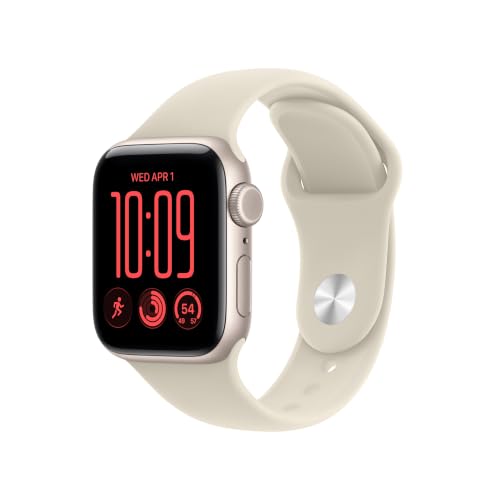
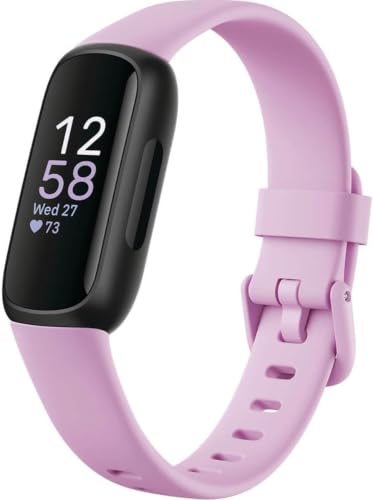
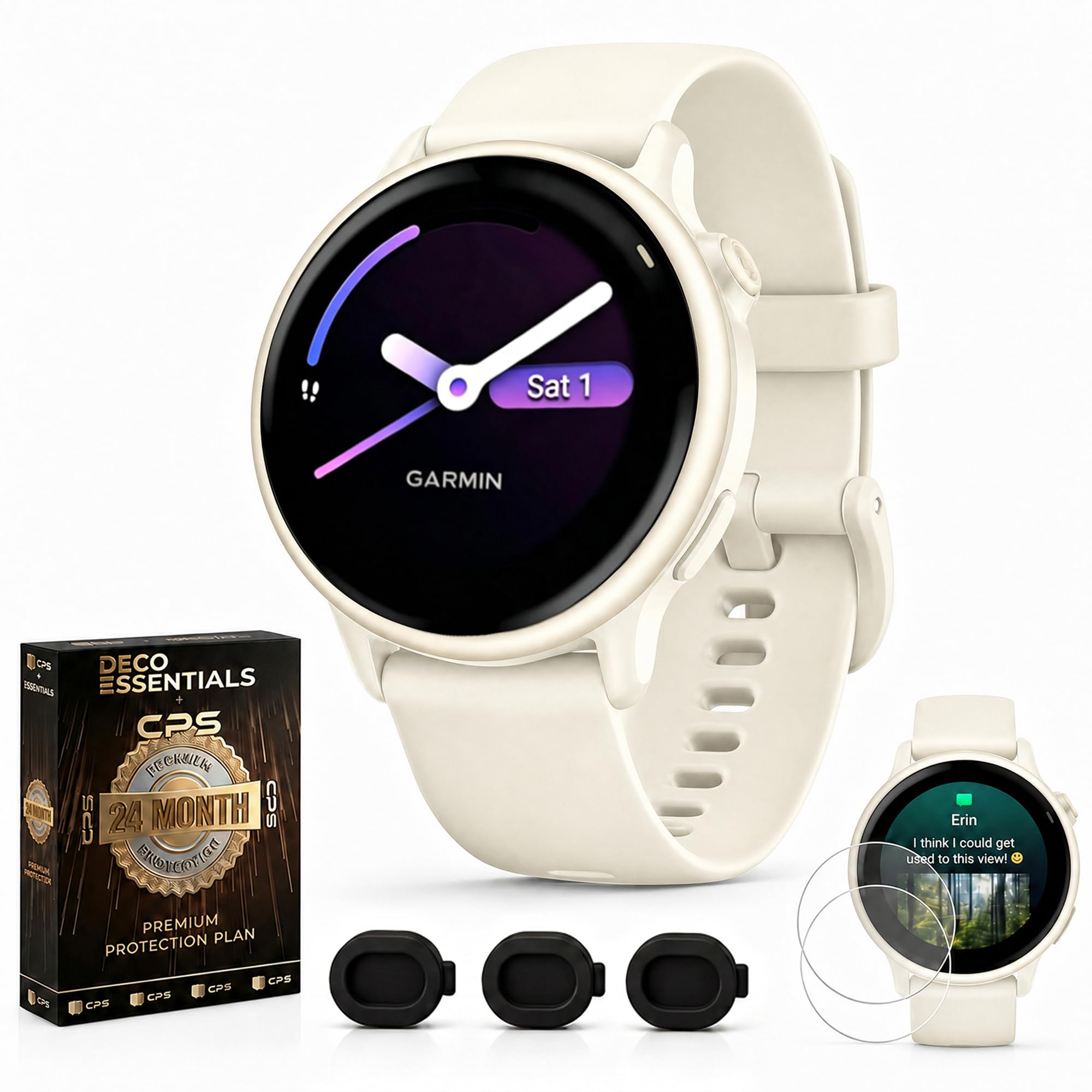
The short answer: choose a slim band like the Fitbit Charge 6 or Inspire 3 for affordable step, heart rate and sleep tracking; a small GPS smartwatch like the Garmin Lily 2 Active for a stylish fit on smaller wrists; an Apple Watch SE or Samsung Galaxy Watch if you want full smartwatch features with your phone; and a GPS sports watch like the Garmin vivoactive 6 for serious training.




Top 3 Picks at a Glance
These three trackers from the product table above cover small wrists, value seekers and iPhone users.


Who Should Buy Which Fitness Tracker Watches?
Fitness trackers range from slim bands focused on activity and sleep to full smartwatches with apps, calls and payments. Smart rings add a screenless option for people who prefer jewelry over a watch. Your routine, phone and budget decide which type fits best.
For Value Seekers
Value seekers want reliable step counting, heart rate tracking, sleep insights and long battery life without paying smartwatch prices. Slim fitness bands around $70 to $150 deliver these essentials with multi day battery life, water resistance for swimming and comfortable silicone bands. Look for built in GPS or connected GPS through your phone if you run or cycle outdoors. A clear companion app with easy to understand trends adds value.
For People Who Want the Best Performance
Athletes and serious exercisers benefit from GPS sports watches with accurate heart rate sensors, training load insights, recovery metrics and dozens of sport profiles. Premium watches offer bright AMOLED screens, longer battery life in GPS mode and advanced running dynamics. Pay more if you train for races, swim laps regularly or want detailed data to guide workouts. Comfort matters too; look for lighter models in smaller case sizes for all day and overnight wear.
For Gift Shoppers
Gift shoppers should prioritize popular brands with easy setup, broad phone compatibility and good warranties. Choose a neutral color or a model with interchangeable bands so the recipient can personalize it. Fitness bands and stylish smartwatches with smaller cases make safe choices. Check that the device works with the recipient's phone, since Apple Watch requires an iPhone, and include a gift receipt in case the fit is not right.
For First Time Buyers
First time buyers benefit from simple, reliable trackers with clear apps and long battery life. A slim band or entry smartwatch covers steps, heart rate, sleep and notifications without overwhelming menus. Look for automatic exercise recognition, which logs walks and workouts without pressing buttons. Choose a model with at least five days of battery so charging does not become a chore.
Picking the Right Fitness Tracker Watches for Different Uses
Best Fitness Trackers and Watches for Women: What to Prioritize
The best fitness trackers and watches for women balance comfort, size and health features. Prioritize a case size that fits your wrist, menstrual cycle tracking in the companion app and accurate sleep insights. Smaller watches like the Garmin Lily 2 Active combine a 38 mm case with GPS, while slim bands suit those who want minimal bulk.
Best for Runners and Cyclists
Runners and cyclists need built in GPS, accurate heart rate and detailed workout metrics. GPS sports watches like the Garmin vivoactive 6 deliver multi sport tracking and long battery life.
Best for Sleep and Recovery
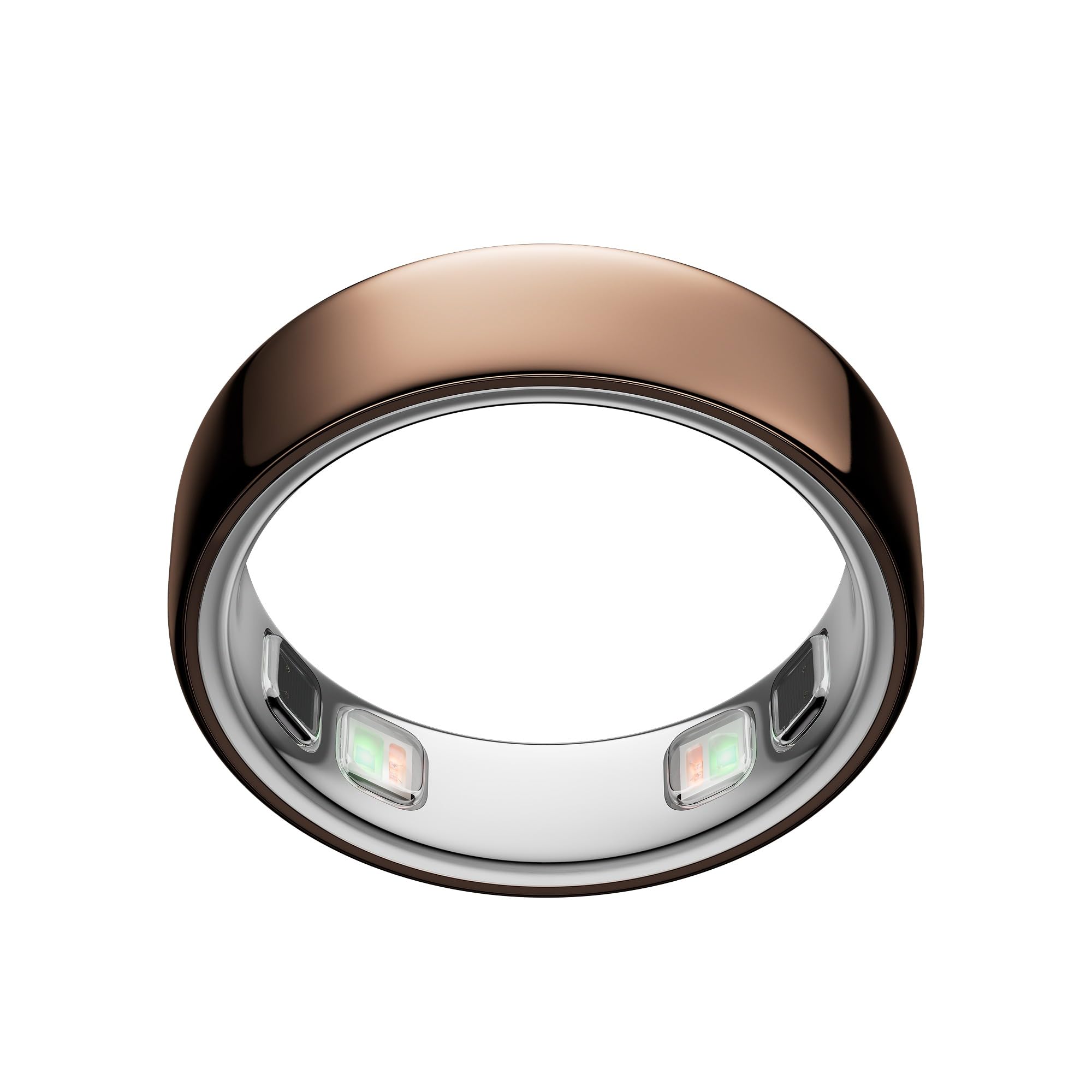
Those focused on sleep and recovery may prefer comfortable bands or smart rings like the Oura Ring, which track sleep stages, readiness and temperature trends without a bulky screen.
Key Features to Compare
Once you know your routine, compare models on the features below.
Brand Reputation, Warranty, and Value
Established brands like Garmin, Fitbit, Apple and Samsung offer reliable apps, regular software updates and US based support. Most trackers carry a one year warranty; extended protection plans can be worthwhile for expensive smartwatches. Consider subscription costs too: some brands lock advanced insights behind monthly fees, while others include them free. Resale value tends to be strongest for Apple and Garmin.
Smart and Fitness Features
Core features include step counting, heart rate, sleep tracking, workout modes and notifications. Built in GPS tracks outdoor runs and rides without carrying a phone. Advanced options include blood oxygen, heart rate variability, stress tracking and skin temperature trends. Smartwatches add apps, contactless payments, music storage and calls. Remember that these devices support wellness and do not replace medical devices or professional advice.
Display and Battery Type
AMOLED displays look bright and colorful but use more battery, while memory in pixel and LCD displays last longer. Slim bands often run five to ten days per charge, Garmin watches one to two weeks, and Apple Watch and Samsung Galaxy Watch around one to two days. Choose based on how often you are willing to charge and whether you want overnight sleep tracking.
What Women Should Look For
Fit and comfort are often the biggest differences. Smaller case sizes around 38 to 41 mm suit slimmer wrists and sit comfortably overnight. Lighter weight and softer bands reduce irritation. Many apps include menstrual cycle tracking, symptom logging and, on some devices, temperature based cycle insights. Style matters too; jewelry inspired designs, interchangeable bands and neutral colors help the tracker fit everyday outfits.
Water Resistance Rating
Water resistance determines whether you can swim or shower with your tracker. A rating of 5 ATM or 50 meters handles swimming in pools and the ocean, while basic splash resistance covers only rain and hand washing. Divers need specialized dive computers. Check whether the device includes swim tracking for laps and strokes if swimming is part of your routine.
Common Mistakes to Avoid When Buying Fitness Tracker Watches
- Choosing on price alone. The cheapest trackers may have inaccurate sensors, weak apps or no software updates.
- Ignoring phone compatibility. Apple Watch works only with iPhone, and some Android smartwatches have limited iPhone features.
- Buying the wrong size. Oversized cases feel bulky on small wrists and can be uncomfortable during sleep.
- Overlooking subscriptions. Some advanced health insights require monthly fees.
- Skipping warranty checks. Buy from authorized sellers to ensure full warranty coverage.
Tips to Get the Most From Your Fitness Tracker Watch
Wear your tracker snugly about a finger's width above the wrist bone for accurate heart rate readings. Update firmware regularly to improve accuracy and battery life. Rinse the band and sensor with fresh water after sweaty workouts or saltwater swims, and let it dry before charging. Clean the charging contacts occasionally, store the tracker away from strong magnets and swap bands to prevent skin irritation.
Fitness Bands vs Smartwatches vs Smart Rings
Fitness bands are slim, lightweight and affordable, with long battery life and core health tracking. They suit people who want discreet tracking without frequent charging. Smartwatches add larger screens, apps, payments, music and calls, making them convenient everyday companions but requiring more frequent charging.
Smart rings are the most discreet option, tracking sleep, heart rate and activity without a screen or notifications. They are comfortable for overnight wear but less useful for workouts that need real time data. Many women choose a band or smartwatch for daytime and workouts, while others pair a ring with a classic watch for a cleaner look.
How Much to Spend on Fitness Tracker Watches for Women
Around $70 to $150 buys slim fitness bands with heart rate, sleep tracking and long battery life, which cover most people's needs. Around $200 to $320 brings small GPS smartwatches, Apple Watch SE, Samsung Galaxy Watch and fitness focused smartwatches with brighter screens and more features. Premium sports watches and smart rings cost around $300 to $500 or more, delivering advanced training metrics or discreet sleep tracking.
For most first time buyers, the sweet spot sits between $100 and $300. This range includes the best fitness tracker watches for women for everyday use, offering reliable tracking, comfortable designs and solid apps without paying for features you may never use.
Using Your Tracker to Build Healthy Habits
A fitness tracker is most useful when it helps you build consistent habits rather than chase perfect numbers. Start by reviewing a week of normal activity to set realistic goals, then increase daily step or active minute targets gradually. Many apps let you set reminders to move each hour, which helps break up long periods of sitting at a desk.
Use sleep data to spot patterns, such as later bedtimes on certain days, and adjust routines accordingly. Heart rate zones during workouts show whether you are training easy or hard, helping balance intensity and recovery. Cycle tracking features can help you notice how energy, sleep and workouts change across the month, so you can plan training around how you feel.
Finally, focus on trends over weeks rather than daily fluctuations. Wearable data is an estimate, and small day to day changes are normal. Celebrate streaks and milestones, and share goals with friends through app challenges for extra motivation.
Privacy and Data Considerations
Fitness trackers collect sensitive health information, including heart rate, sleep and cycle data. Review the privacy settings in the companion app to control what is shared, and turn off social sharing features you do not use. Choose brands with clear privacy policies and the option to delete your data. Protect your account with a strong password and two factor authentication.
FAQs
What makes fitness tracker watches for women different?
Women's fitness trackers usually differ in size, style and health features rather than core technology. Smaller cases and lighter designs fit slimmer wrists comfortably, while apps often include menstrual cycle tracking and symptom logging. Some devices add temperature based cycle insights. Otherwise, sensors and fitness tracking work the same for everyone.
How water resistant should a fitness tracker be?
Choose at least 5 ATM or 50 meters of water resistance if you swim. This covers pool laps, ocean swimming and showering. Basic water resistance protects against rain and sweat only. Avoid hot tubs and saunas, which can damage seals over time.
How long does a fitness tracker battery last?
Battery life ranges from about one day to two weeks depending on the device. Apple Watch and Samsung Galaxy Watch typically last one to two days, slim bands five to ten days and many Garmin watches one to two weeks. GPS use and always on displays shorten battery life.
Smartwatch or fitness band: which is better?
A fitness band is better for long battery life and simple tracking, while a smartwatch is better for apps and convenience. Bands cost less and stay comfortable for sleep. Smartwatches add payments, music, calls and app support but need charging more often.
What case size fits my wrist?
Most women with small to medium wrists prefer case sizes around 38 to 41 mm. Larger 44 to 46 mm cases offer bigger screens and batteries but can feel bulky. Measure your wrist and compare it with the band sizes listed by the manufacturer before buying.
Is a smartwatch worth it over a classic watch?
A smartwatch is worth it if you want health tracking, notifications and fitness insights. Classic watches offer timeless style and no charging, but they cannot track workouts or sleep. Hybrid smartwatches combine traditional looks with basic tracking and long battery life.
Are fitness trackers accurate?
Fitness trackers are reasonably accurate for trends but not perfect for exact numbers. Step counts and resting heart rate are usually reliable, while calorie estimates and sleep stages are approximations. Wearing the tracker snugly and keeping firmware updated improves accuracy. Use the data to spot patterns rather than as medical measurements.
Our Verdict
The right fitness tracker depends on your routine, phone and style. Value seekers get the most from slim bands, athletes benefit from GPS sports watches, iPhone and Android users can choose smartwatches built for their phones and those focused on sleep may prefer a smart ring. Prioritize fit, battery life and the health features you will use, and choose a model you will enjoy wearing every day, since consistency matters more than any single feature.
Compare the best fitness tracker watches for women in the product table above to find the right match for your routine and budget.


