
The Best Low Range Cameras for 2026: Affordable Photography Guide
Disclosure: We may earn a commission when you buy through links on this page, at no extra cost to you. As an Amazon Associate I earn from qualifying purchases. Learn more

Compare the best low range cameras: budget compacts, bridge cameras and entry mirrorless bodies with real optical zoom for beginners, travelers and families.
Smartphones have replaced the old point and shoot for most people, yet their tiny sensors struggle in dim rooms, digital pinch zoom turns distant subjects into mush, and a flat touchscreen gives you little physical control. If that frustrates you, the best low range cameras offer a practical step up for travelers, families and new creators, with real optical zoom lenses, comfortable grips and manual dials at a modest price.
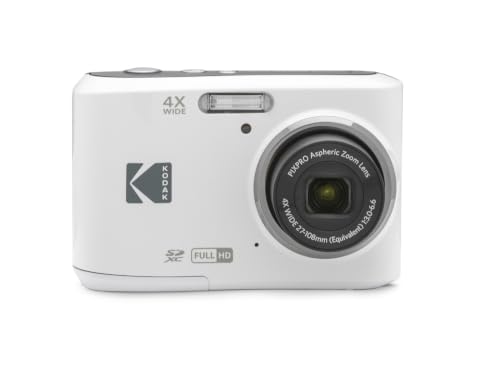
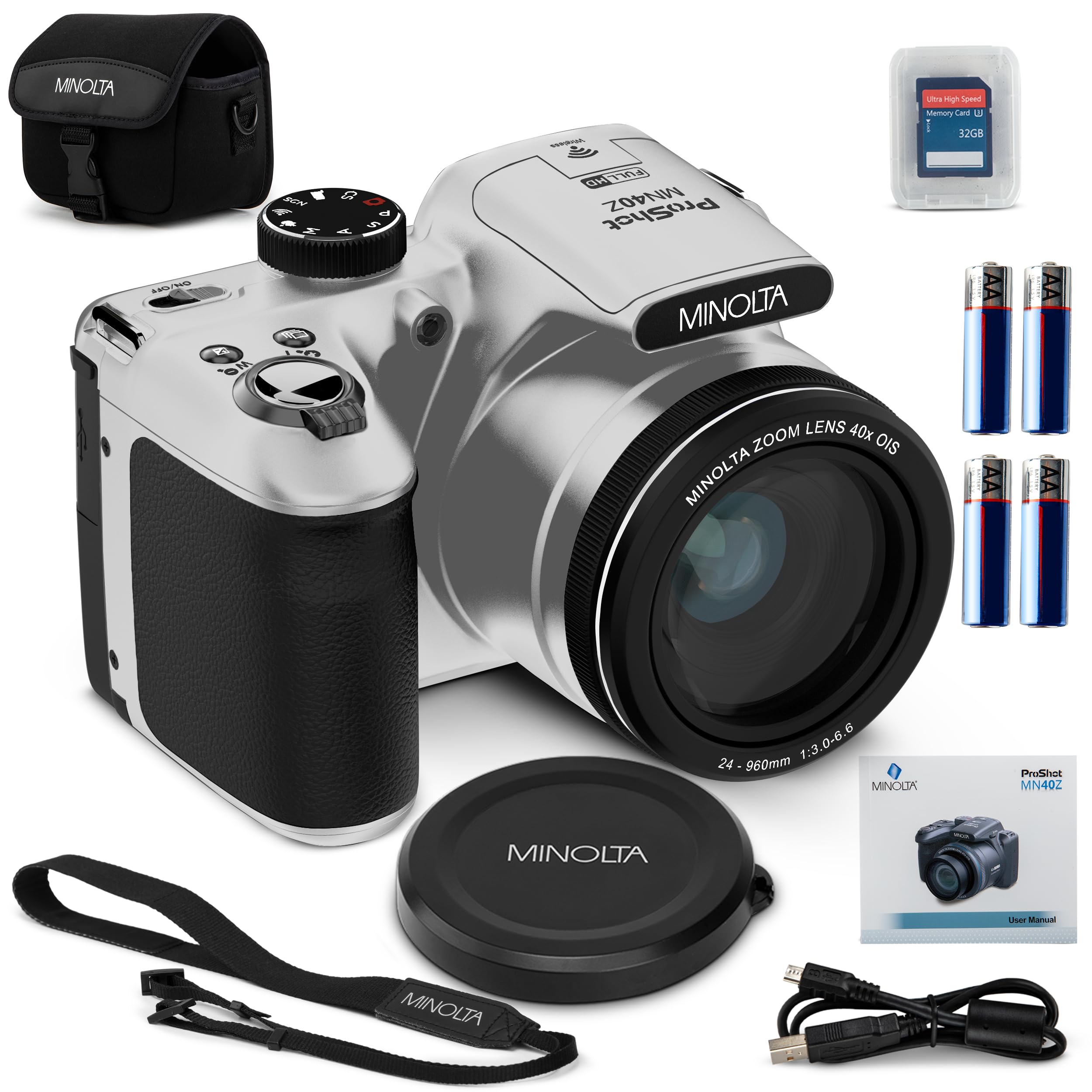
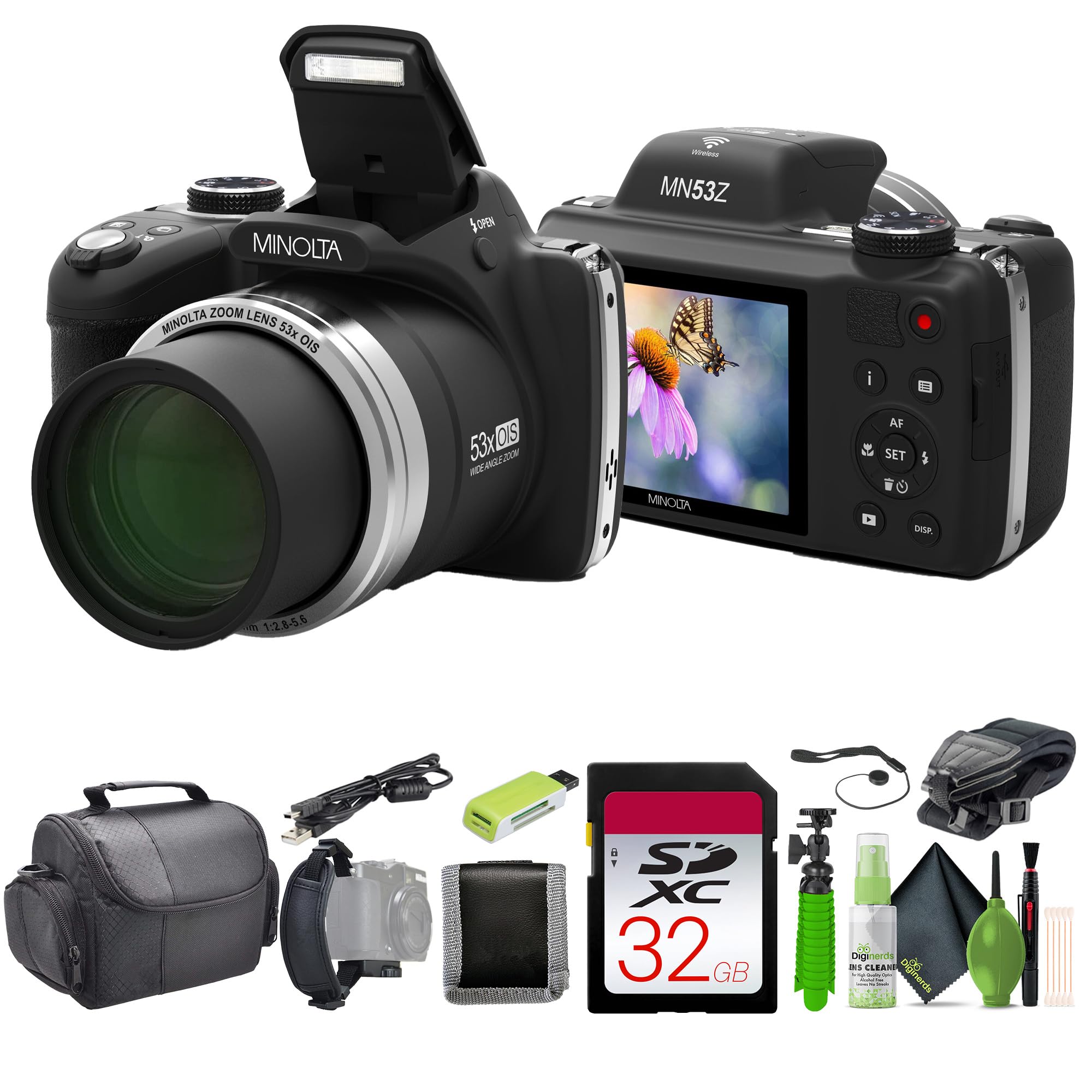
Some buyers want a pocketable travel camera with a 30x zoom for distant wildlife. Others want a bridge camera with deep manual controls, or an entry level mirrorless body that accepts interchangeable lenses. This guide explains sensor sizes, optical versus digital zoom and image stabilization, then adds practical shooting advice. The picks in the table below cover each of these types.





How to Choose Low Range Cameras: Buying Guide
A budget camera only makes sense if it clearly beats your phone in optics, handling and battery life. Check the benchmarks below before you buy, and pay only for the features you will actually use.
Image Sensor Size: 1/2.3 Inch vs 1 Inch vs Micro Four Thirds vs APS C
Larger sensors gather more light and give cleaner images, while smaller sensors allow longer zoom lenses in smaller bodies. The main options are:
- 1/2.3 Inch Sensors: Common in budget point and shoot and superzoom bridge cameras. Their small size lets manufacturers fit 30x to 60x optical zoom lenses into lightweight bodies.
- 1 Inch Sensors: These have roughly four times the surface area of a 1/2.3 inch sensor, which usually means cleaner low light images, better color and more natural background blur.
- Micro Four Thirds and APS C Sensors: Found in entry level mirrorless cameras. Their larger light gathering area gives better dynamic range and finer detail, and you can add lenses over time.
True Optical Zoom vs Deceptive Digital Zoom
Optical zoom is the biggest advantage a dedicated camera has over a phone. It moves glass elements inside the lens barrel to magnify distant subjects while keeping the full sensor resolution.
Be wary of listings that boast hundreds of times zoom, because those numbers usually include digital zoom. Digital zoom simply crops the center of the frame, causing pixelation and blur. Judge a camera by its optical rating only, such as 10x, 20x or 40x.
Optical Image Stabilization (OIS) Mechanics
Optical image stabilization reduces blur from shaky hands, which matters at long zoom lengths and in dim living rooms. Look for true Optical Image Stabilization (OIS) rather than a purely digital version.
OIS moves a gyro controlled lens element or the sensor to counter small hand tremors. It lets you shoot sharp handheld images at slower shutter speeds, often without a tripod.
Ergonomics, Physical Dials, and Electronic Viewfinders
Good handling makes you shoot more often. Look for a contoured, textured grip that stays comfortable during a day of sightseeing, and buttons you can find without looking.
Mode dials for Program, Shutter Priority, Aperture Priority and Manual help you learn real exposure skills. A built in Electronic Viewfinder (EVF) is also valuable, since rear screens wash out under strong midday sun.
Autofocus Speed and Subject Tracking Capabilities
Responsive autofocus decides whether you catch children, pets or sports action sharp. Look for contrast detection or hybrid phase detection systems with face tracking.
Subject tracking locks onto eyes or faces and follows them across the frame, so moving subjects stay in focus even when the action is quick.
Video Capabilities: 4K vs Full HD 1080p
Full HD 1080p is enough for most home videos and social clips, while 4K adds sharper detail and cropping room. Many budget cameras record 1080p at 60 frames per second or entry level 4K at 30 frames per second.
For vlogging, confirm continuous autofocus during recording, a microphone input if possible, and a flip up or articulating screen for framing yourself.
Continuous Burst Shooting for Fast Action
Burst speed, measured in frames per second (fps), tells you how many shots the camera can fire in a row. Aim for at least five to ten fps with continuous autofocus.
A fast burst lets you pick the exact frame where the ball hits the net or your dog leaps for a frisbee. Also check how many frames the buffer holds before the camera slows down to save files.
RAW Image Capture vs In Camera JPEG Processing
RAW capture keeps all the sensor data, while JPEG compresses it and discards some shadow and highlight detail. Beginners can start with JPEG, but a RAW option gives room to grow.
With RAW files you can recover bright sky highlights and lift dark shadows in free editing software without a large loss in clarity. The trade off is bigger files, so budget for a larger memory card.
Budget Camera Formats Compared
Low range cameras come in three main formats, and the right one depends on how and where you shoot.
Pocket Point and Shoot Compact Cameras
These slim cameras have retractable zoom lenses and slide into a jacket pocket or purse. They suit vacationers, hikers and family events where you want real optical zoom without a heavy camera bag.
All in One Superzoom Bridge Cameras
Bridge cameras look like small DSLRs, with large grips, extensive manual controls and fixed lenses reaching 40x to 60x optical zoom. They suit bird watchers, nature lovers and safari travelers who want maximum telephoto reach in one package, though they are bulkier than compacts.
Entry Level Interchangeable Lens Mirrorless Bodies
Mirrorless bodies let you swap lenses as your skills grow. A wide angle lens suits landscapes, a fast prime suits portraits and a telephoto zoom suits sports. Remember that extra lenses add to the total cost, so plan for them.
Essential Habits for Getting Better Results from Budget Cameras
Four simple habits improve image quality and protect your gear.
- Keep ISO as low as the light allows: On smaller sensors, ISO 100 or 200 in outdoor sunlight limits noise and grain.
- Always use a wrist or neck strap: A secure strap prevents drops onto pavement or rocks.
- Clean the lens with proper tools: Skip shirt hems and paper towels. Use a rocket air blower first, then a clean optical microfiber cloth.
- Carry a spare rechargeable battery: Compact camera batteries often last roughly 200 to 300 shots, so a charged spare keeps you shooting through a sunset.
Frequently Asked Questions
Is a budget camera really better than a smartphone?
For zoom, handling and battery life, yes. Budget cameras offer true optical zoom, physical controls, optical stabilization and viewfinders that phones cannot match. Phones still win for convenience and quick sharing.
What is the most versatile zoom range for travel photography?
A 10x to 20x optical zoom is the most versatile range for travel. It roughly covers a 24 mm wide angle to a 400 mm telephoto, which handles landscapes, indoor group photos and distant architectural details.
Can low range cameras record good video for YouTube?
Yes, many can. Models that record Full HD 1080p or 4K with face tracking autofocus and an articulating screen produce clean video for vlogging. Check for a microphone input if sound quality matters to you.
Do budget cameras transfer photos to a smartphone?
Most modern entry level cameras do. Built in Wi Fi and Bluetooth let you send photos to a phone app for quick sharing, though transfer speed and app quality vary by brand.
Final Thoughts
You do not need an expensive kit to get better photos than your phone allows. Prioritize genuine optical zoom, effective stabilization, tactile dials and a comfortable grip, and the best low range cameras will give you flexibility and dependable results. Compare the picks in the table above and match the format to how you shoot.


