
The Best Mid Range 5G Phones for 2026: Next Gen Speed on a Budget
Disclosure: We may earn a commission when you buy through links on this page, at no extra cost to you. As an Amazon Associate I earn from qualifying purchases. Learn more

Want 5G speed without a flagship price? Compare bands, processors, AMOLED screens, cameras, battery size and update promises for best mid range 5G phones.
Anyone who wants fast mobile data, a smooth screen and a solid camera without paying flagship money is the buyer these phones are made for. In the early days of 5G, fast networks meant expensive, power hungry phones. Today efficient 5G modems are built into mid tier processors, so the best mid range 5g phones deliver quick downloads, high refresh displays and capable multi lens cameras at around $300 to $500.
Whether you stream shows before a flight, join video calls on the move or play online games, a mid range 5G phone covers all of it. Below we explain Sub 6GHz versus mmWave bands, processors and power efficiency, camera hardware, battery size and software support, so you can read the picks in the table with confidence.
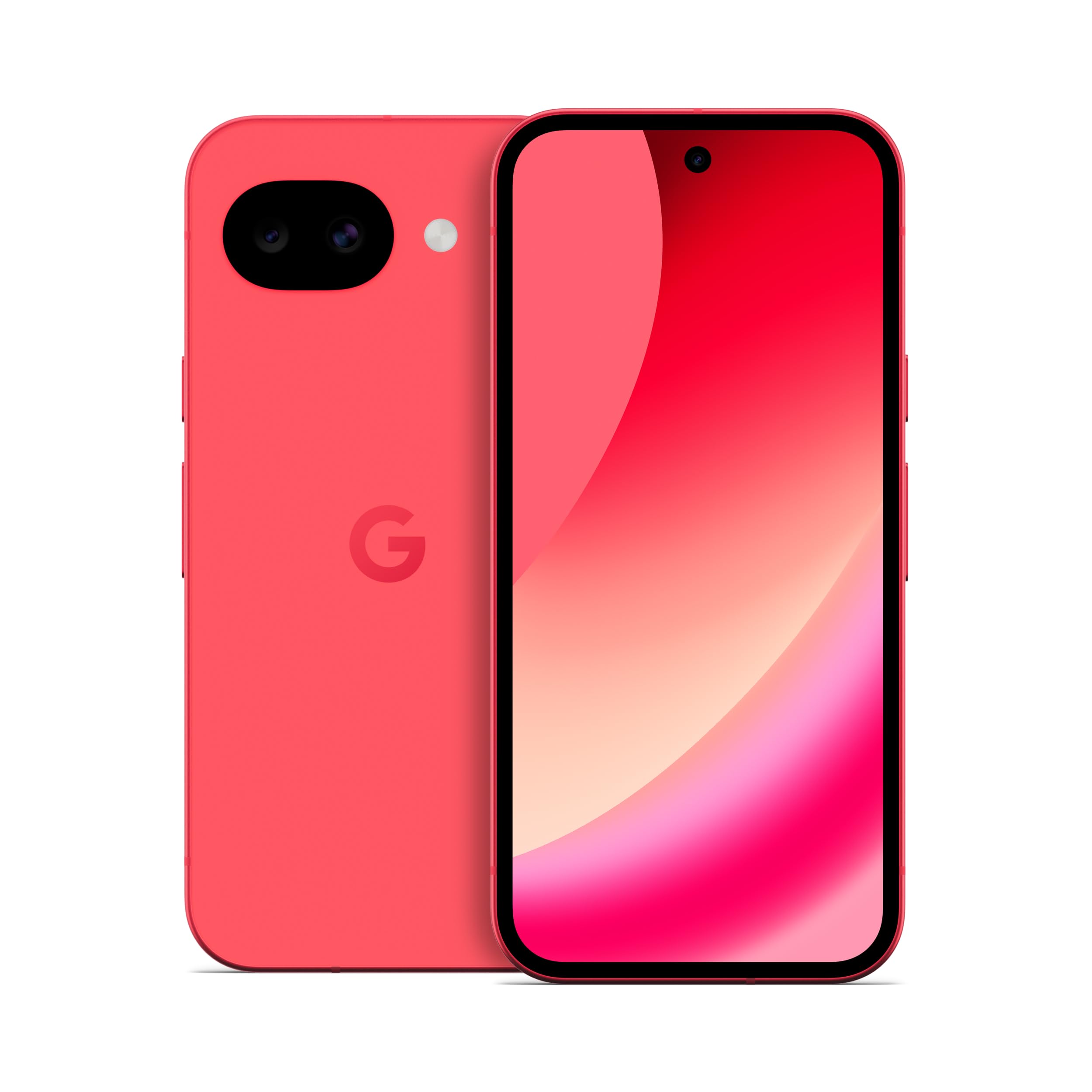
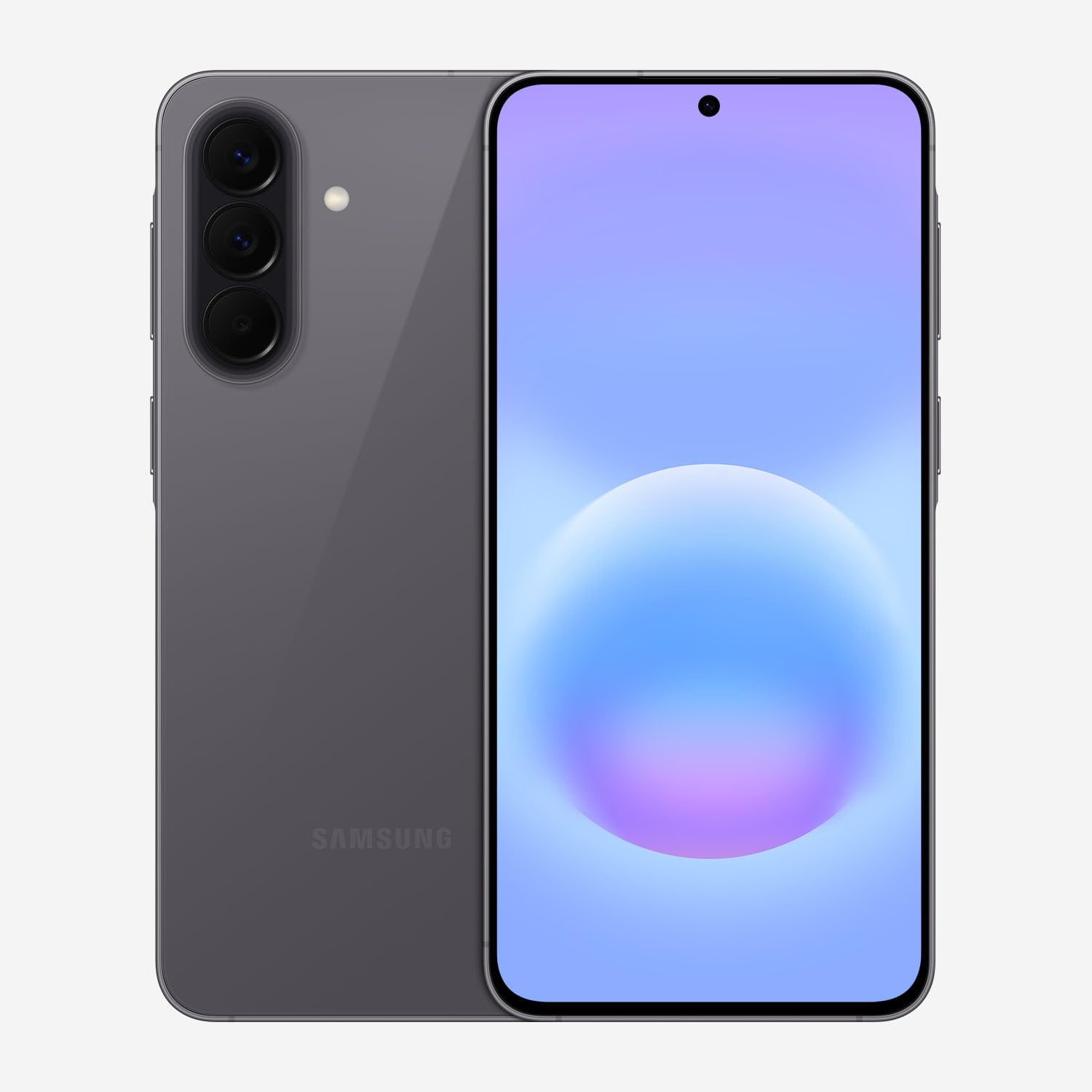
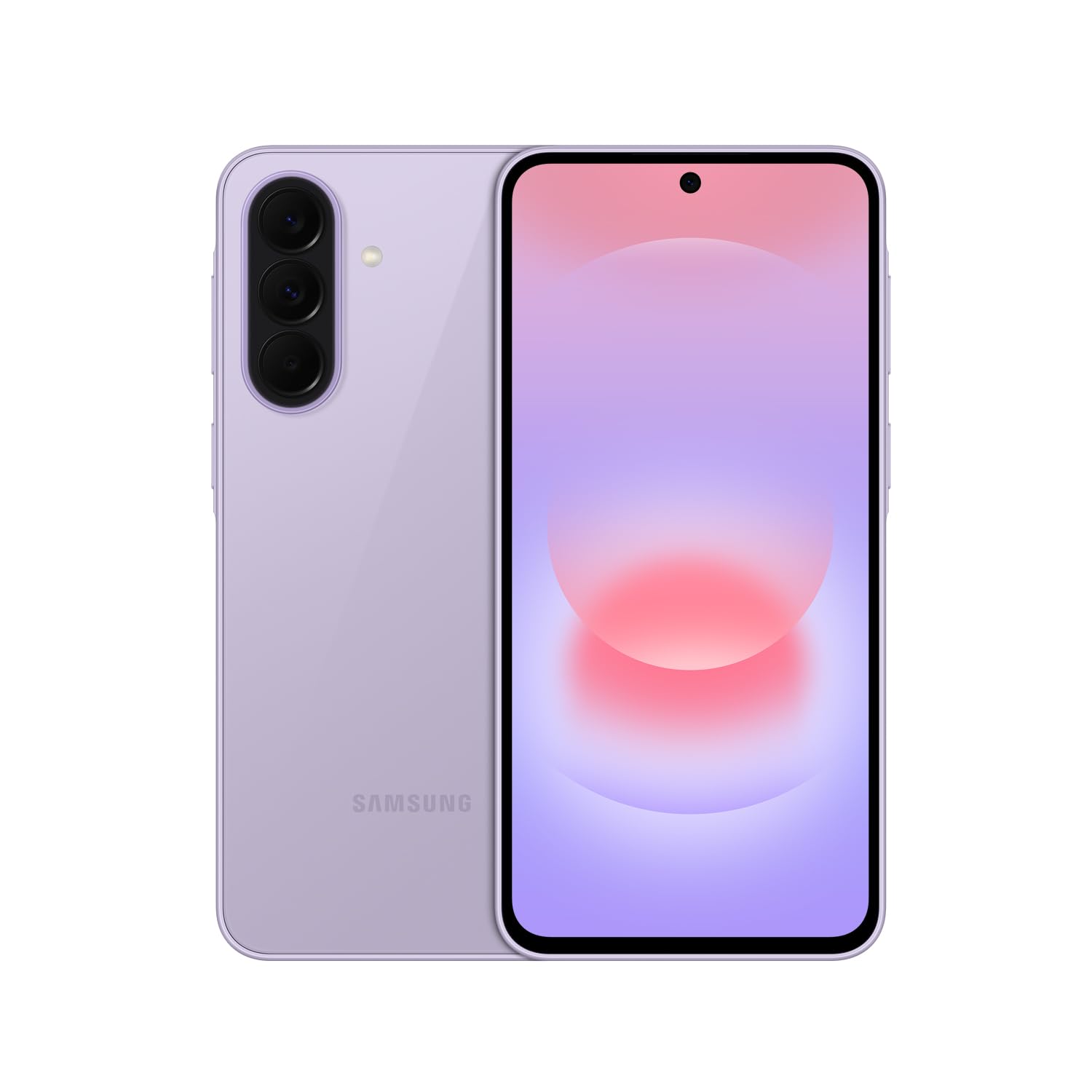


How to Choose the Best Mid Range 5G Phones
The right 5G phone balances modem integration, display quality, camera hardware, battery and update support. Check these core points before you buy, and compare the specs of each pick in the table against them.
5G Frequency Bands: Sub 6GHz vs mmWave
Sub 6GHz is the band that matters for most buyers, while mmWave is a niche extra. 5G networks use two broad spectrums:
- Sub 6GHz 5G (mid band and low band): The backbone of 5G coverage. These radio waves travel long distances, pass through walls fairly well, and are typically much faster than 4G LTE. Nearly every mid range 5G phone relies on this band.
- mmWave 5G (high band): Offers very high speeds in dense areas such as stadiums and city plazas. The signal weakens quickly through glass and walls, and it is mostly found on flagships, so it is rarely a deciding factor at this price.
Also confirm the phone supports the specific bands your carrier uses. Spec sheets list them, and a mismatch can mean slower speeds than expected. If you buy an unlocked phone, check the carrier's compatibility list before ordering, because a model sold for one region may miss bands used in another.
Processor Architecture and 5G Power Management
A processor with an integrated 5G modem runs cooler and uses less battery than an older design with a separate modem. Modern mid range phones use a System on a Chip (SoC) built on 4nm to 6nm manufacturing nodes.
Chips such as the Qualcomm Snapdragon 7 series or the MediaTek Dimensity series put the modem on the same die as the processor. That reduces heat and power draw while downloading, which helps both comfort and battery life during long sessions.
Memory matters too. Look for at least 6GB of RAM and 128GB of storage, since apps, photos and offline videos fill space quickly. Storage that cannot be expanded is the most common regret, so buy the larger option if the price gap is small.
Display Quality: 120Hz AMOLED Screens
A Full HD Plus AMOLED panel with a 120Hz refresh rate is the ideal target at this price. The higher refresh rate makes scrolling, browsing and gaming feel smoother.
AMOLED adds deep blacks and strong colors, and good peak brightness keeps the screen readable in sunlight. Some budget models use LCD or 90Hz panels, which are fine but a step down. Adaptive refresh rates that drop to a lower speed when you read static text also save battery.
Camera Performance and Optical Image Stabilization
A 50MP main sensor with optical image stabilization (OIS) is the best sign of a capable mid range camera. OIS steadies the lens against hand shake, which helps low light photos and keeps video smoother.
Megapixels alone say little, so look at sensor size and stabilization too. Many cheaper phones advertise high resolution but lack OIS. Selfie quality is worth a glance as well if you make frequent video calls.
Battery Capacity and Fast Charging
Aim for at least a 5,000 mAh battery, which usually gets a moderate user through a full day with 5G and a 120Hz screen. Wired charging between 33W and 67W is common and refills a large share of the battery in under half an hour.
Check whether a charger comes in the box, since some makers now leave it out. Budget around $20 extra if you need to buy one, and make sure it matches the phone's charging standard to get the stated speed.
Software Update Commitments
Look for a maker that promises three to four major Android upgrades and four to five years of security patches. Longer support protects your data and keeps the phone usable for years, which matters more than a small spec edge.
Update promises vary widely between brands, so read the official support page rather than relying on a store listing.
Dual SIM and eSIM Support
A phone with a physical nano SIM tray plus eSIM is the most flexible setup. It suits travelers and anyone who keeps separate work and personal numbers.
With eSIM you can activate a local data plan through an app after landing abroad, avoiding roaming fees while your home number stays active for verification codes.
Ultra Wide and Telephoto Camera Versatility
An ultra wide lens is the most useful second camera for most people. A field of view around 120 degrees fits landscapes, buildings and group photos in tight rooms.
A few mid range models add a telephoto lens for optical zoom, which gives cleaner portraits than digital cropping. If you shoot distant subjects often, check for it specifically.
Popular Mid Range 5G Phone Categories Compared
Most mid range 5G phones fall into three groups, so pick the one that matches how you use your phone.
Mobile Entertainment Phones
These have large 6.7 inch 120Hz AMOLED screens, stereo speakers and big batteries. They suit commuters, travelers and movie fans who stream video over 5G.
Photography and Social Media Phones
These pair larger main sensors with good selfie cameras and portrait software. They fit creators and parents who share photos often.
Everyday Productivity Phones
These focus on clean software, dependable battery life, IP67 water resistance and long update support. They suit professionals, students and anyone who wants a phone that simply works.
Common Mistakes When Buying a 5G Phone
Most disappointments come from a few avoidable oversights rather than from the phone itself.
- Paying for mmWave you will not use: Unless you live near a dense downtown or stadium that carries it, Sub 6GHz is enough.
- Ignoring carrier band support: A phone can say 5G on the box yet miss the bands your network uses.
- Skipping storage: 64GB fills fast with 5G speed encouraging big downloads.
- Chasing megapixels: Sensor size and OIS matter more than a larger number.
Your phone is also a handy shopping companion, for example when comparing prices and reading specs on a product in a store before you buy.
Habits That Improve 5G Performance and Battery Life
A few simple habits keep a 5G phone fast, cool and long lasting.
- Enable 5G auto switching: The phone uses 5G for heavy downloads and drops to 4G LTE during standby to save battery.
- Use a protective case: A raised bezel case shields the screen and camera lenses from drops.
- Avoid heavy gaming while fast charging: Charging creates heat, and demanding games on top of it can cause throttling and stress the battery.
- Keep software updated: Manufacturer and carrier updates often include modem and network improvements.
Satellite navigation is worth a quick check as well. Multi band GPS that supports Galileo, GLONASS and BeiDou gives more accurate positioning for driving directions, fitness tracking and rideshare pickups in dense cities.
Frequently Asked Questions
Does a 5G phone work where 5G is not available?
Yes, 5G phones fall back to 4G LTE and older networks automatically. You will not lose service, only the faster speeds.
Will 5G drain my battery faster than 4G?
Slightly in some cases, but modern integrated modems are efficient. With auto switching enabled, everyday battery use is close to that of 4G.
Do I need a new SIM card to use 5G?
Usually not, since most recent SIM cards and eSIMs support 5G. Confirm that your carrier plan includes 5G access.
Can a mid range 5G phone work as a Wi-Fi hotspot?
Yes, these phones can share their connection with laptops, tablets and consoles. Heavy hotspot use drains the battery quickly, so keep the phone plugged in for long sessions.
Final Thoughts
You do not need a flagship to get good 5G. Choose an efficient integrated processor, a 120Hz AMOLED display, an OIS equipped main camera and a 5,000 mAh battery, and the best mid range 5g phones will stay fast and reliable for years. Compare the picks in the table above against these points to find the right fit.


