
Best Mid Range Cameras for 2026: Types Compared and How to Choose
Disclosure: We may earn a commission when you buy through links on this page, at no extra cost to you. As an Amazon Associate I earn from qualifying purchases. Learn more

Choosing the best mid range cameras is easier when you compare APS C, full frame and Micro Four Thirds sensors, autofocus, stabilization and 4K video specs.
If you have outgrown a smartphone or an entry level kit camera, the mid tier bracket is where larger sensors, real time subject tracking autofocus, and interchangeable lenses that blur backgrounds naturally become affordable. Choosing among APS C mirrorless bodies, compact full frame systems, Micro Four Thirds hybrids, and traditional DSLRs can feel confusing when every spec sheet boasts high megapixel numbers. Finding the best mid range cameras means matching sensor size, ergonomics, and native lens selection to the subjects you shoot most. Use the comparison table below to see the picks side by side.
The mid range sweet spot spans roughly $800 to $1,800 for a camera body or a kit lens bundle. Below that, you usually give up fast autofocus and good video features. Above it, you start paying mostly for pro build quality and speed that many hobbyists never use.



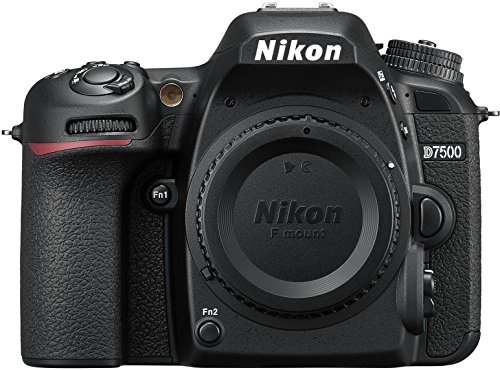


Types of Mid Range Cameras Compared
Mid range cameras divide into four system types, each trading body weight against low light sensor area and lens size. The table summarizes who each type suits and what you give up.
| Camera System Type | Best For | Key Advantage | Main Tradeoff | Typical Price Range |
|---|---|---|---|---|
| APS C Mirrorless | Travel, family action, wildlife, and hybrid 4K video | Compact bodies, fast burst rates, affordable lenses | 1.5x crop factor gathers less light than full frame | About $850 to $1,500 |
| Entry Full Frame Mirrorless | Portraits, weddings, low light events, and landscapes | Superior dynamic range and shallow depth of field | Full frame zoom lenses are heavier and cost more | About $1,200 to $1,900 |
| Micro Four Thirds Mirrorless | Hiking, handheld video, and telephoto nature shooting | Strong stabilization and tiny telephoto lenses | Smaller 2x crop sensor shows noise earlier at high ISO | About $900 to $1,600 |
| Mid Tier DSLR | Optical viewfinder fans and long battery life | 1,000+ shot battery life and a huge used lens market | Bulkier bodies; slower live view video autofocus | About $800 to $1,400 |
APS C Mirrorless Systems
APS C mirrorless is the core of the mid range camera market because it balances image quality, speed, and size better than any other format. By pairing a 24 to 33 megapixel crop sensor with advanced autofocus processors, these cameras lock onto human eyes, running dogs, birds in flight, and moving vehicles at ten to twenty frames per second. Because APS C sensors are physically smaller than 35 millimeter full frame chips, both the bodies and the matching f/2.8 zooms or f/1.4 primes fit comfortably inside a small everyday sling bag.
This format also has the widest choice of affordable lenses, including many third party options. For a first serious camera that has to handle vacations, school events, and weekend hobbies, it is the safest starting point.
Entry Level Full Frame Mirrorless Bodies
Entry full frame mirrorless bodies suit photographers who shoot indoor events, dim receptions, astrophotography, or creamy environmental portraits. A full frame sensor has roughly 2.3 times the surface area of an APS C chip, so it gathers more light and produces cleaner shadow detail at ISO 6400 or 12800. Keep in mind that while a mid tier full frame body may cost around $1,300 to $1,700, building a collection of sharp full frame lenses requires a larger budget and a heavier camera bag.
Many buyers save by starting with one fast prime, such as a 35mm or 50mm f/1.8, and adding a zoom later. That keeps the first purchase manageable while still showing off what the larger sensor can do.
Micro Four Thirds and Compact Fixed Lens Hybrids
Micro Four Thirds cameras suit hikers, travel shooters, and solo video creators who value light gear and steady handheld footage over maximum background blur. The sensor has a 2x crop factor, and the small size allows effective five axis in body image stabilization (IBIS), which lets you shoot half second waterfall exposures without a tripod. A 300mm equivalent telephoto lens on this system can be small enough to carry in a jacket pocket.
Premium fixed lens compacts are a related option. They pack an APS C sensor and a built in 28mm or 35mm equivalent prime into a coat pocket body, which makes them popular for discreet street photography, though you cannot change lenses.
Mid Tier Digital SLR Cameras
Mid range DSLRs remain a good choice if you prefer an optical viewfinder and long battery life, even though makers have shifted new development toward mirrorless mounts. An optical viewfinder uses no battery power between exposures, so a single charge commonly lasts 900 to 1,200 shots on a weekend camping trip. Decades of used F mount and EF mount lenses are also available at a fraction of their original prices.
The tradeoffs are a larger body, slower autofocus in live view and video, and fewer new lenses being released. If you mainly shoot stills in bright light, those drawbacks may not matter much.
APS C Mirrorless vs Entry Full Frame: Which Should You Choose?
Choose APS C if speed, reach, and lens affordability matter most, and choose entry full frame if low light quality and wide angle perspective come first. This is the biggest decision for most buyers spending between $1,000 and $1,700. At a similar price, an APS C model typically gives you a faster mechanical shutter, higher burst speeds, less rolling shutter distortion in 4K video, and money left over for a fast f/1.4 prime. The 1.5x or 1.6x crop factor also multiplies the effective reach of telephoto lenses, turning a compact 300mm lens into roughly a 450mm wildlife setup.
An entry full frame body wins when image quality in dim lighting matters most. If you shoot portraits, real estate interiors, night street scenes, or landscapes where dynamic range and background separation count more than twenty frame per second sports bursts, full frame delivers a visible advantage from the first shot.
If you are torn, think about the lenses you will own in three years rather than the body you buy today. A body is replaced every few years, while a good lens collection stays with you, so the cost and weight of those lenses should drive the decision.
Key Features to Compare in Mid Range Cameras
Sensor Format vs Megapixel Resolution
Sensor size matters more than megapixel count, so a 32 megapixel camera does not automatically produce cleaner photos than a 24 megapixel model. Between 24 and 33 megapixels is a practical resolution range for mid tier cameras, providing plenty of detail for 24 by 36 inch wall prints and heavy wildlife cropping without creating very large raw files that fill your computer storage. Physical sensor size (full frame, APS C, or Micro Four Thirds) and modern backside illuminated (BSI) sensor design have a much greater impact on low light performance than raw pixel count.
Subject Detection Autofocus and Burst Buffer Depth
Subject detection autofocus is the feature that most separates mid range mirrorless cameras from older models. Using trained recognition algorithms, these cameras identify human eyes, faces, animals, birds, cars, trains, and airplanes across most of the frame. When comparing bodies for kids' sports or wildlife, check the buffer depth alongside the frames per second (fps) rating: a camera that shoots fifteen frames per second is far more useful when its memory buffer can hold 80 or more raw photos before slowing down to write to the card.
Five Axis In Body Image Stabilization (IBIS)
In body image stabilization shifts the sensor along five axes to counteract hand shake, and makers commonly claim around 5 to 8 stops of compensation under ideal conditions. Unlike optical lens stabilization, which works only with specific stabilized lenses, IBIS stabilizes every lens you mount, including fast primes and vintage manual glass. It also smooths out small jitters when recording handheld video on the move. Real world results vary with focal length and how steady you are, so treat the stop rating as a ceiling.
4K Video Bit Depth, Frame Rates, and Overheating
For hybrid shooters, the most useful video specs are bit depth, sensor crop, and recording limits, not just the "4K 60p" label. Cameras that record internal 10 bit 4:2:2 video capture over one billion color shades, compared with about 16.7 million in 8 bit video, which lets you grade log footage without skies banding into stripes. Also check whether 4K 60p uses the full width of the sensor or applies a heavy 1.5x crop that narrows your wide angle lenses, and read buyer feedback about recording time limits and heat.
Viewfinder Resolution, Articulating Screens, and Ergonomics
A good electronic viewfinder (EVF) shows your exposure, white balance, and depth of field before you press the shutter. Look for roughly 2.36 to 3.69 million dots and a 120 hertz refresh rate for smooth tracking of moving subjects. Pair that with a weather sealed body, dual top control dials, and either a fully articulating touchscreen for video or a two way tilting screen for waist level street shooting.
Grip depth matters just as much as specs. If you have large hands, a very small body can cramp with a heavy telephoto lens, so check how the grip is shaped before you commit.
Matching a Camera to Your Budget and Shooting Style
The right mid range camera depends on what you photograph most, so start with the subject and work back to the system. These common scenarios show how the choices usually play out.
- Family travel and everyday use: An APS C mirrorless body with a versatile 18 to 135mm style zoom covers landscapes, street scenes, and portraits in one lens, and stays light enough to carry all day.
- Kids' sports and wildlife: Prioritize fast burst speed, a deep buffer, and subject tracking, plus a 70 to 300mm class telephoto. APS C reach helps here without adding much weight.
- Portraits and events: An entry full frame body with a fast 50mm or 85mm prime gives the cleanest low light files and the softest background blur.
- Hiking and video vlogging: Micro Four Thirds or a stabilized APS C body with a flip out screen keeps weight down and footage steady.
- Classic stills on a tight budget: A mid tier DSLR with a bargain used lens can deliver excellent photos for less, especially if you rarely shoot video.
Common Mistakes to Avoid When Buying a Mid Range Camera
- Spending the entire budget on the body and keeping only the slow kit lens: An APS C body paired with a sharp $350 f/1.4 prime or f/2.8 zoom will often take noticeably sharper, more pleasing photos than a pricier body stuck with a dim f/4.5 to f/6.3 kit zoom.
- Ignoring the native lens lineup and third party support: Before committing to a brand, check the price and availability of the next two lenses you plan to buy, including whether the mount supports affordable autofocus lenses from makers such as Sigma, Tamron, and Viltrox.
- Using slow UHS I memory cards for 4K 60p video or high speed raw bursts: Old SD cards bottleneck fast cameras, so pair mid range bodies with UHS II V60 or V90 rated cards so the buffer clears quickly.
- Leaving the camera in automatic JPEG mode for tricky lighting: Shooting raw (or raw plus JPEG) preserves far more highlight and shadow data, so you can recover bright sunset skies or dark indoor faces when editing.
- Forgetting a spare battery: Electronic viewfinders and rear screens draw continuous power, so carry one or two extra rechargeable lithium ion batteries on travel days.
- Buying on megapixels alone: Ergonomics, autofocus behavior, and lens choice shape your photos more than a few extra megapixels do.
Care, Sensor Cleaning, and Maintenance Tips
Interchangeable lens cameras expose their sensor every time you swap lenses, so a few habits keep it clean. Turn the camera off before removing a lens so static electricity does not attract airborne lint, point the open mount toward the ground, and change lenses quickly and out of the wind. When dust spots do show up in blue sky photos, use a manual rubber rocket air blower rather than canned compressed air, which can spray liquid propellant onto the sensor glass.
When shooting near ocean spray, desert sand, or light rain, wipe the body with a slightly damp microfiber cloth afterward. Store gear in a dry cabinet or a camera bag with fresh silica gel packets to discourage fungus on lens elements. Weather sealing reduces risk but does not make a camera waterproof, so follow the maker's guidance on what the body can handle.
Frequently Asked Questions
Is an APS C or full frame camera better in the mid range price bracket?
For most people, APS C is the smarter buy under about $1,500. For travel, wildlife, sports, and everyday family photography, the lenses are lighter and cheaper than full frame glass while autofocus and burst speeds are strong. Choose an entry full frame body if you shoot mostly low light events, portraits, or wide landscapes and plan to invest in full frame lenses over time.
Does a mid range camera take noticeably better photos than a flagship smartphone?
Yes, in many situations: when you print photos, shoot in dim indoor light, capture fast moving kids or pets, or use telephoto lengths past 50mm. Even an APS C sensor has many times the surface area of a smartphone sensor, which gives natural optical background blur and clean detail without relying on heavy computational processing.
Should I buy my mid range camera with the kit lens or body only?
Buy the kit if the bundled lens adds only $100 to $200, since it makes a handy daytime travel zoom. However, buying the body only and pairing it with a constant aperture f/2.8 standard zoom or a fast 35mm or 50mm f/1.8 prime will usually give better low light and portrait quality.
Do I really need in body image stabilization (IBIS)?
You do if you shoot handheld video, take indoor photos without flash, or use unstabilized prime lenses at dusk. If you shoot only fast daytime sports at 1/1000 second or faster, or work from a sturdy tripod, IBIS matters less.
How long does a mid range mirrorless camera last before needing replacement?
Many last seven to ten years with regular use. Mechanical shutters are commonly rated for roughly 100,000 to 200,000 actuations, and most hobbyists never reach that figure. Because lenses keep their value and performance even longer, investing in good glass lets you upgrade only the body later.
Final Thoughts
Selecting the best mid range cameras comes down to balancing sensor size and body features against the weight and cost of the lenses you want to carry. For an all around travel, family, and hybrid video camera, look for a weather sealed APS C mirrorless body with subject detection autofocus, five axis IBIS, and a fast f/2.8 zoom or f/1.4 prime. If low light portrait depth and wide angle dynamic range are your main goals, step up to an entry full frame mirrorless body. Compare the picks in the table above against your budget and favorite subjects to find the right system.


