
Best Mid Range DSLR Cameras for Every Need for 2026: How to Pick the Right One
Disclosure: We may earn a commission when you buy through links on this page, at no extra cost to you. As an Amazon Associate I earn from qualifying purchases. Learn more

Sports parents, wildlife fans and photo students: match APS-C or full frame sensors, viewfinders and autofocus with the best mid range DSLR cameras.
Outdoor photographers, sports parents, wildlife enthusiasts, and photography students often prefer a Digital Single Lens Reflex (DSLR) camera over mirrorless, and the reasons are practical. An optical pentaprism viewfinder shows the real scene with no electronic lag, battery life commonly reaches 1,000 shots or more per charge, and the used and new market for Canon EF and Nikon F mount lenses is large and affordable. Choosing the best mid range dslr cameras (typically around $650 to $1,600) comes down to matching sensor format, autofocus module, and body ergonomics to what you actually photograph.
A light vari-angle touchscreen DSLR that suits family travel and backyard vlogging will frustrate a sideline sports shooter who needs a weather-sealed body, dual command dials, and a burst rate of 7 to 10 frames per second. This guide matches mid range tiers to real photography styles, explains the specs that separate prosumer bodies from plastic entry kits, and shows where to put the rest of your budget in lenses. The comparison table below lists the picks, and the sections after it explain how to choose among them.


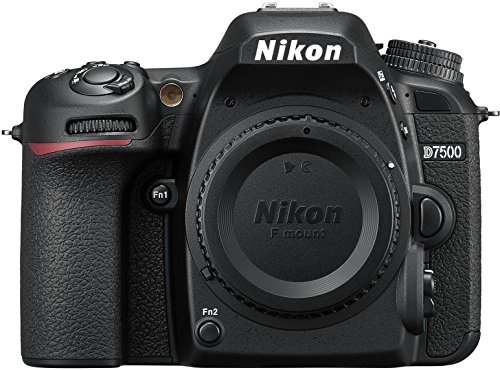
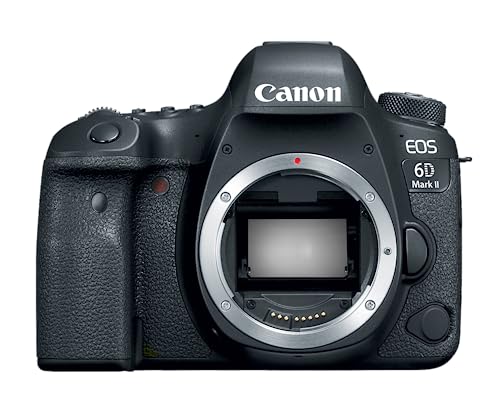

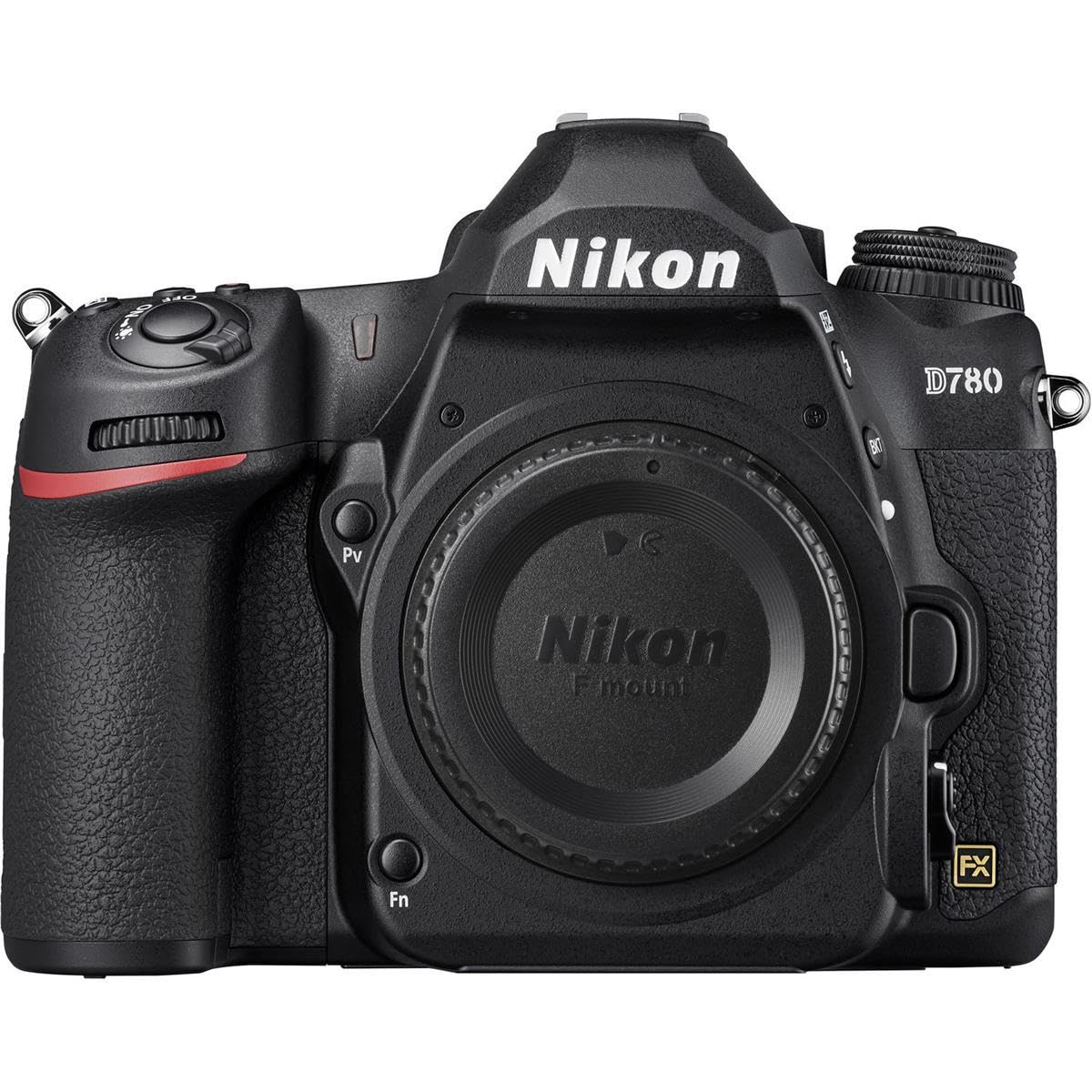


Who Should Buy Which Mid Range DSLR Cameras?
Mid range DSLRs sit above simplified beginner bodies, which lack a top status LCD and a front control dial, and below bulky flagship bodies that cost $3,000 or more. Four photographer profiles cover most buyers, so find the one closest to your shooting.
For Travel, Compact Kits, and Everyday Hybrid Shooters
A compact upper-entry or mid tier APS-C DSLR is the best fit for travel, ideally under about 20 ounces for the body alone with a fully articulating touchscreen. That size slips into a daypack for national park hikes, city walks, and family trips without dragging on your shoulder.
Through the optical viewfinder, phase detection autofocus locks on quickly in bright sun. Flip out the screen for low-angle wildflower macro shots or 4K family clips and on-sensor phase detection follows faces much like a modern compact camera. One stabilized 18-135mm travel zoom then covers everything from wide cathedral interiors to distant peaks, so you carry one lens instead of three.
For Photography Students and Enthusiast Upgraders on a Budget
An enthusiast dual-dial APS-C DSLR priced around $750 to $1,150 is the right pick for someone moving up from a smartphone who wants to learn manual exposure. It lets you set aperture, shutter speed, and ISO without digging through touchscreen menus.
Entry-level bodies use a single wheel and a shift button to change aperture. True enthusiast bodies add a front index-finger dial, a rear thumb dial, a top monochrome status LCD, and a bright glass pentaprism viewfinder with close to full frame coverage. Those physical controls build muscle memory within days, and the skills carry over to any camera you buy later.
For Wildlife, Birding, and Youth Sports Action Shooters
A prosumer high-speed APS-C DSLR is usually better than an affordable full frame body for action. It typically shoots 7 to 10 frames per second with 45 to 51 cross-type autofocus points and a deep RAW buffer.
The crop sensor also applies a 1.5x or 1.6x factor to every telephoto lens. A reasonably priced 70-300mm or 100-400mm zoom then frames like a 450mm or 640mm lens, bringing distant athletes and perched birds into the frame without spending thousands on giant glass. Friday night football, soccer tournaments, and dawn deer all become realistic targets.
For Portrait, Landscape, and Low Light Event Photographers
An entry to mid range full frame DSLR, usually around $1,200 to $1,600, is the best choice for portraits, night skies, and indoor events shot without flash. The sensor measures 36 x 24mm, more than double the area of an APS-C sensor.
That extra area gathers more light, which gives cleaner shadows at high ISO, wider dynamic range for recovering bright sunset skies, and shallower depth of field with a fast f/1.4 or f/1.8 prime. It is the format that wedding and concert shooters tend to reach for first, and it rewards you in golden hour portraits with smooth background blur.
Key Features to Compare
Five structural specifications separate good mid range bodies from weaker ones. Once you know your category, check each of these before ordering.
Glass Pentaprism vs Pentamirror Optical Viewfinders
A pentaprism is a solid glass block that gives a brighter and larger view than the hollow pentamirror used in cheaper bodies. It is one of the clearest dividing lines between entry and mid range DSLRs.
The reflex mirror bounces light from the lens up to a roof prism at eye level. Pentamirrors, built from glued mirror surfaces, usually show about 95 percent of the frame at roughly 0.80x magnification, which looks dim and cramped. Mid range pentaprisms generally show 98 to 100 percent of the frame at around 0.94x to 0.95x on APS-C, which helps with judging expressions and manual focus in dim twilight with no battery drain while you wait.
Sensor Format and Resolution
For most buyers, 24 megapixels is plenty on either format, so sensor size matters more than the megapixel count. Modern mid range APS-C DSLRs offer roughly 20 to 33 megapixels, enough for large wall prints and tight crops of distant wildlife.
Mid range full frame DSLRs typically sit at about 24 to 30 megapixels with larger individual pixels. Larger pixels collect more light per exposure, which means cleaner skin tones in dim reception halls and a shallower focus plane with fast primes. Higher resolution also fills memory cards and hard drives faster, so factor in storage when you compare bodies.
Viewfinder Phase Detection vs Live View Autofocus
Every DSLR contains two separate autofocus systems, one for the eye-level viewfinder and one for the rear screen. Knowing which you will use most is important because they perform very differently.
- Optical viewfinder AF: With the mirror down, light goes to a dedicated AF module in the camera floor, usually offering 45, 51, or more phase detection points. Look for many cross-type points, which read both vertical and horizontal contrast, and a center point rated for very low light.
- Live view and video AF: With the mirror up, older bodies fall back on slow contrast detection that hunts. If you shoot video or use the rear screen often, choose a body with on-sensor dual-pixel or hybrid phase detection that tracks eyes smoothly.
Weather Sealing, Shutter Rating, and Dual Card Slots
A mid range DSLR should resist rain and dust, carry a long shutter rating, and ideally offer two card slots. Look for a magnesium alloy or composite shell with rubber gaskets around buttons, dials, and the battery door.
Makers usually rate mechanical shutters at roughly 100,000 to 150,000 actuations in this class. A second SD slot lets you write a backup copy of every frame, which matters for weddings, events, and once-in-a-lifetime trips. Weather sealing is only as good as the lens, so pair the body with a sealed lens if you shoot in drizzle.
Battery Endurance and Native Lens Ecosystem
A DSLR usually lasts far longer per charge than a mirrorless camera because the optical viewfinder draws no power while you compose. Typical mid range bodies manage roughly 900 to 1,300 shots, which comfortably covers a full weekend away from an outlet.
Canon EF and Nikon F mount bodies also give you adapter-free access to hundreds of first-party and third-party lenses on the new and used markets, including options from Sigma and Tamron. That depth of choice makes it easy to build a kit gradually, one lens at a time, as your interests become clear.
Common Mistakes to Avoid When Buying Mid Range DSLR Cameras
The most common error is spending nearly the whole budget on the body. Avoid these four traps so your money turns into sharper images.
- Keeping only the dark kit zoom: The lens in front of the sensor affects sharpness, low light ability, and background blur more than the body does. Reserve roughly $125 to $350 for a fast f/1.8 prime such as a 50mm or 35mm, or a constant f/2.8 zoom.
- Ignoring crop factor math: Full frame lenses work on APS-C bodies, but a 50mm lens then frames like a 75mm to 80mm lens, which is tight for cramped living rooms. Add a 24mm or 35mm lens for indoor general use on crop sensors.
- Skipping sensor cleaning and AF microadjustment: Look for built-in ultrasonic sensor shaking that knocks dust off at power-off, plus in-camera AF fine tune so you can calibrate fast primes for pinpoint focus.
- Buying gray market bodies: Confirm the seller is an authorized dealer or includes a valid warranty, since gray market imports are often refused by official repair centers.
Accessories Worth Budgeting For
A few inexpensive extras make a mid range DSLR far more useful from day one. Plan for them before you spend your whole budget on the body.
- Fast memory cards: Choose UHS-I or UHS-II SD cards with enough write speed to clear a long burst, and buy two so you can use dual slots or swap on a long day.
- A second battery: Even with 1,000 shots per charge, a spare means video clips and cold weather never end your shoot early.
- A sturdy strap and padded bag: A body with a 70-300mm zoom can weigh several pounds, so a wide strap or a harness saves your neck on long days.
- A UV or clear protective filter: It costs little and keeps scratches and sand off the front element of a lens you paid hundreds for.
Together these items usually run around $150 to $300, which is a sensible slice of the overall kit budget.
How to Make Your Mid Range DSLR Camera Last Longer
A well cared for DSLR can keep shooting for a decade or more. Three habits do most of the work.
- Change lenses with the camera off and pointed downward: Powering off removes the static charge that attracts dust to the sensor, and pointing the mount toward the ground keeps pollen from drifting into the mirror box.
- Never touch the mirror or focusing screen: The mirror is front-surface silvered and scratches easily. Use only a squeeze-bulb blower, with the camera pointed down, to move lint.
- Store batteries partly charged: Keep lithium-ion packs at roughly 40 to 80 percent charge for long storage, and carry a spare in an inside jacket pocket on freezing winter shoots.
Also let the camera warm up slowly in its bag when you come indoors from the cold, so condensation does not form on the lens or sensor.
Frequently Asked Questions
How long does a mid range DSLR camera last?
Most last 10 to 15 years of active shooting. Makers rate mid range shutters at roughly 100,000 to 150,000 actuations, which is about a decade for someone taking around 10,000 photos per year. If a shutter does wear out, an authorized service center can usually replace the assembly for a moderate fee.
Is it still worth buying a mid range DSLR over a mirrorless camera?
Yes, if you value a lag-free optical viewfinder, long battery life, and lower lens prices. DSLRs typically deliver 1,000 or more shots per charge, have rugged physical controls, and EF or F mount lenses are often much cheaper used than newer mirrorless glass. Mirrorless still leads in video features and autofocus tracking.
Should I choose an APS-C or full frame mid range DSLR?
Choose APS-C for wildlife, birds, sports, and travel, and full frame for portraits, weddings, landscapes, and dim indoor events. The 1.5x to 1.6x crop factor extends telephoto reach and keeps lenses lighter and cheaper. Full frame offers shallower depth of field and cleaner high ISO files.
Are dual card slots and a top LCD screen worth paying extra for?
Yes for most serious shooters. A top LCD shows shutter speed, aperture, ISO, and battery level without waking the rear screen, and dual slots give you insurance against a corrupted card on a paid or irreplaceable shoot.
Can my old DSLR lenses work on future cameras?
Yes, Canon EF and Nikon F lenses work on newer mirrorless bodies through manufacturer mount adapters. Optical quality is unchanged because the adapter is only a spacer, though some older focus motors will focus more slowly.
Final Thoughts
Few cameras match the tactile feel, weekend battery stamina, and optical clarity of a pentaprism DSLR. Pick a compact vari-angle APS-C body for family travel and video, a fast 7 to 10 fps APS-C body for wildlife and field sports, or a full frame body for low light portraits and landscapes. Check the picks in the table above, then spend wisely on lenses to get the most from your best mid range dslr cameras shortlist.


