
Best Mid Range Phones With Good Camera for 2026: Complete Buyer Guide
Disclosure: We may earn a commission when you buy through links on this page, at no extra cost to you. As an Amazon Associate I earn from qualifying purchases. Learn more

Want sharp portraits and clean night shots without a flagship bill? See the best mid range phones with good camera and what to check.
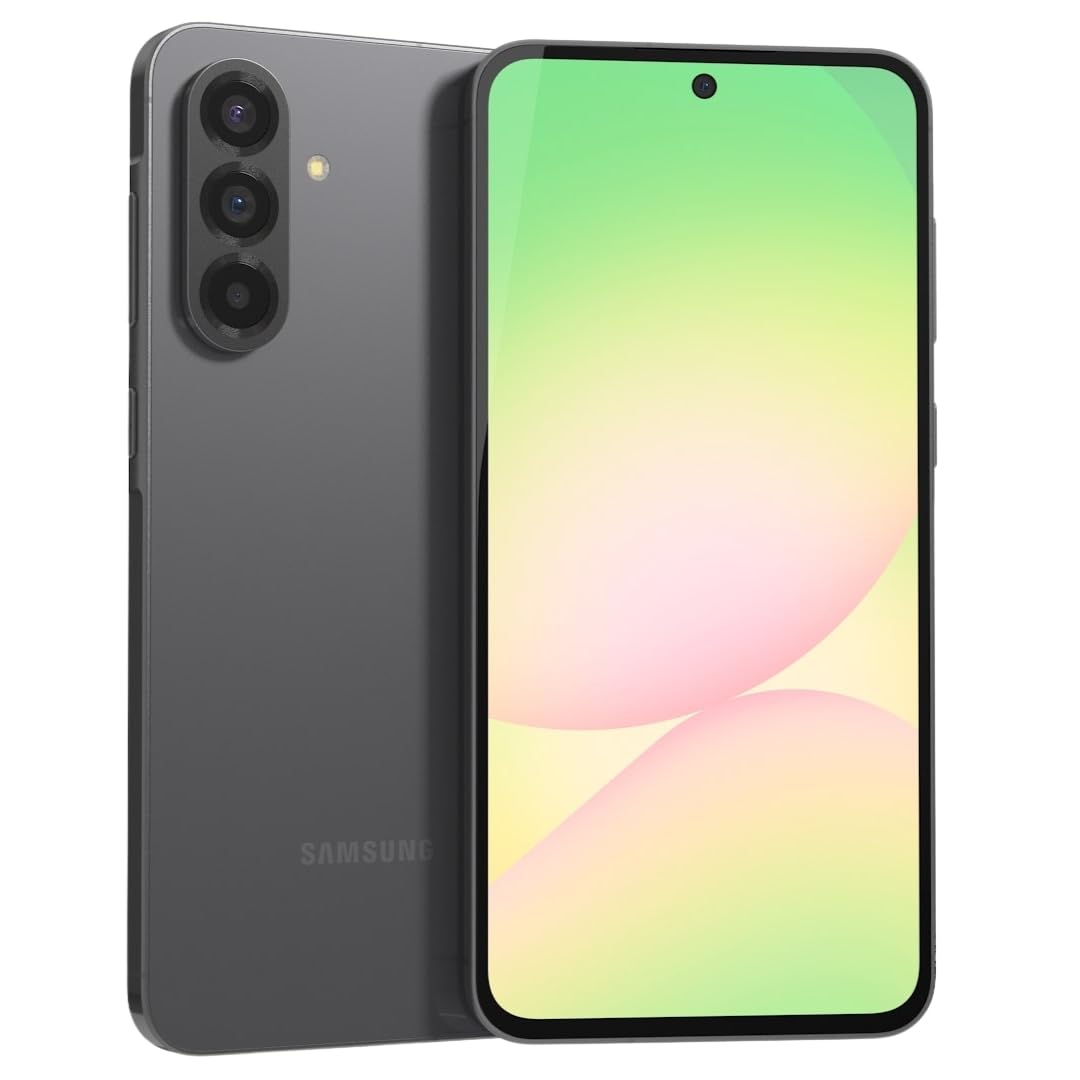
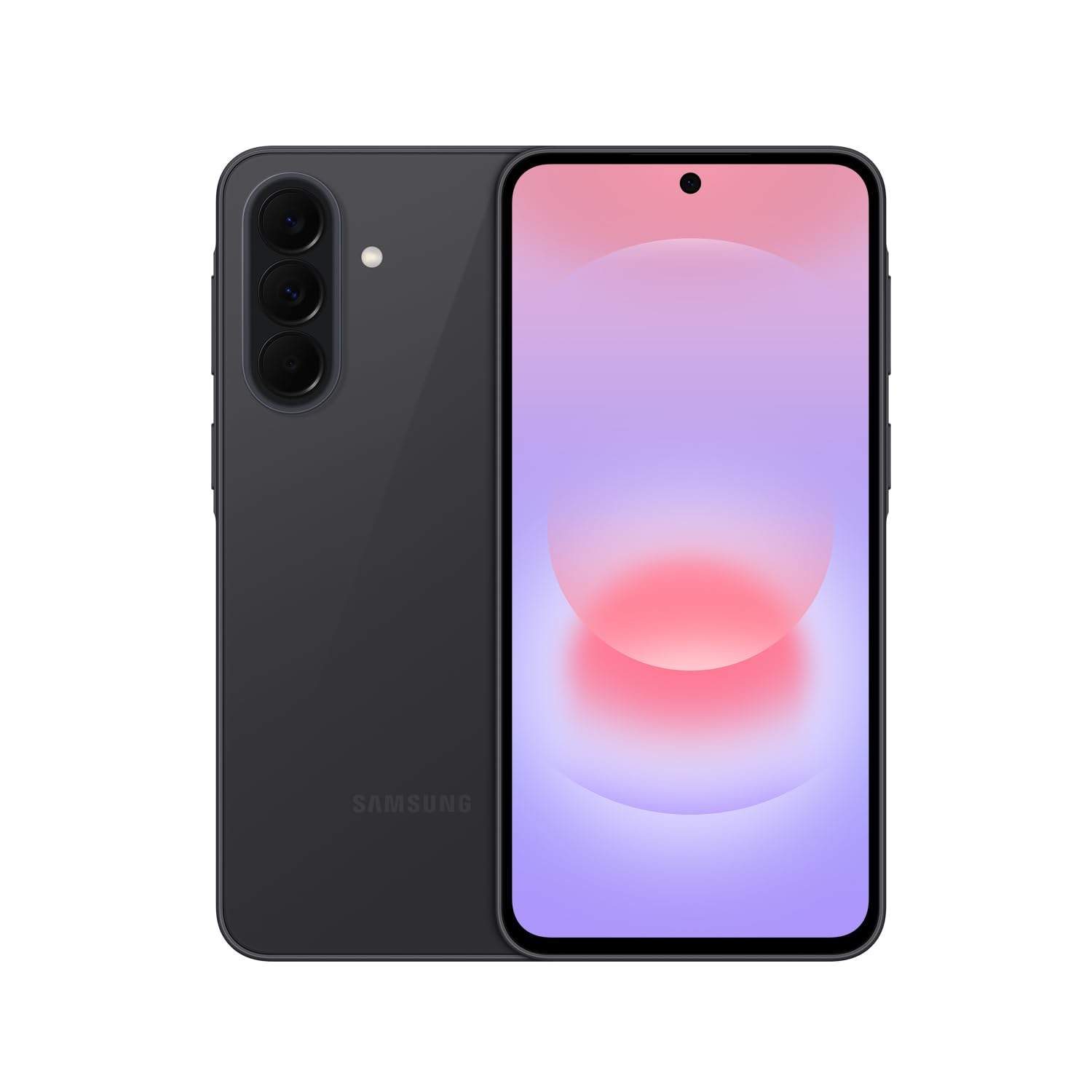
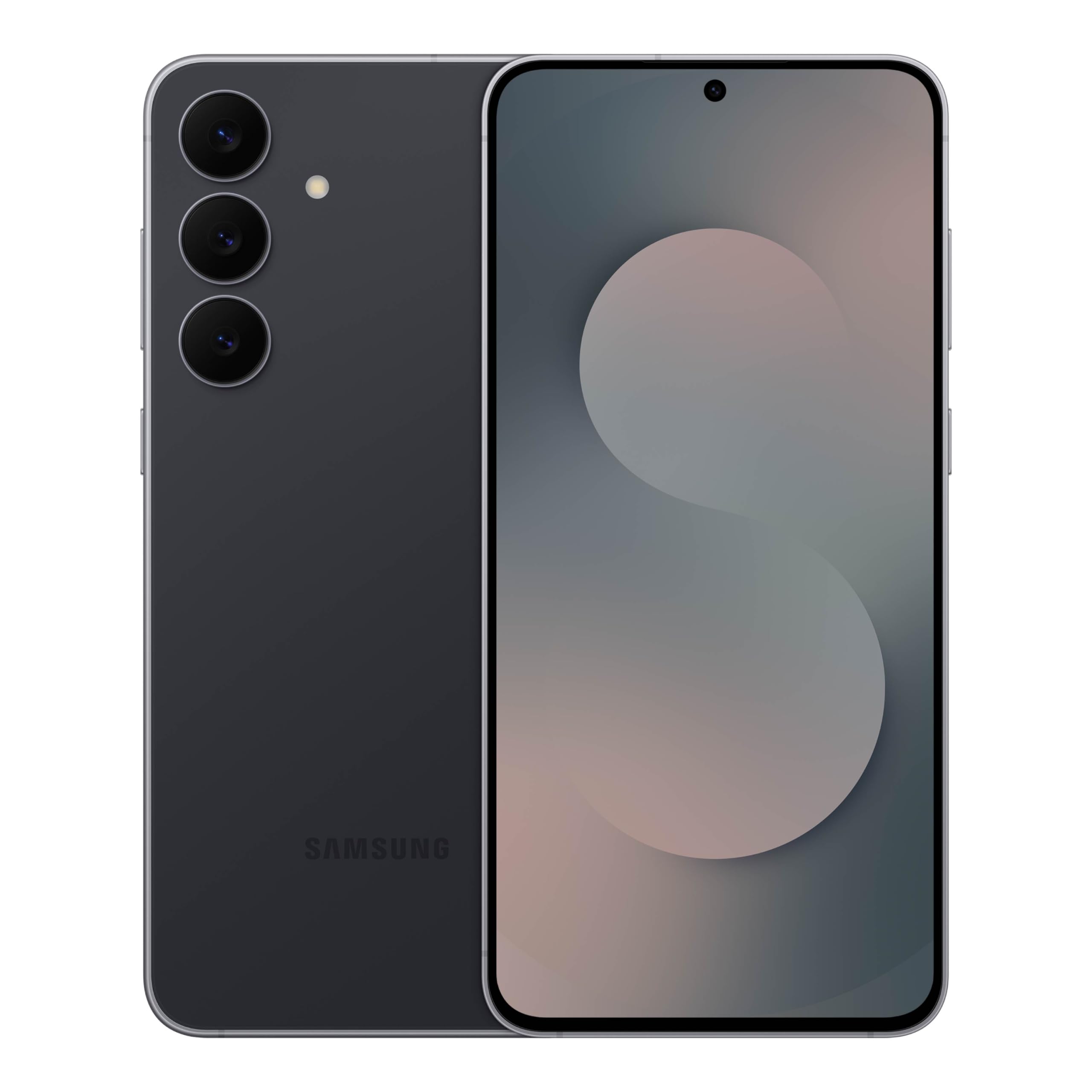
You no longer need to spend $1,000 or more on a flagship handset to capture crisp indoor portraits, balanced night street scenes, and stabilized 4K family videos. Thanks to trickle down sensor hardware and multi frame computational photography, several unlocked phones priced between $300 and $600 come close to top tier devices in everyday daylight and evening shooting. Finding the best mid range phones with good camera performance means looking past inflated megapixel stickers to inspect physical sensor size, optical stabilization, and image signal processor speed. The picks in the table show how camera focused mid tier phones compare side by side.
Many budget phones advertise three or four rear lenses on the back cover, yet two of those circles are often near useless two megapixel macro or depth sensors. Knowing which camera specifications actually improve your photos keeps you from paying for marketing gimmicks. The sections below explain what to check, what to skip, and how to shoot better once you own the phone.



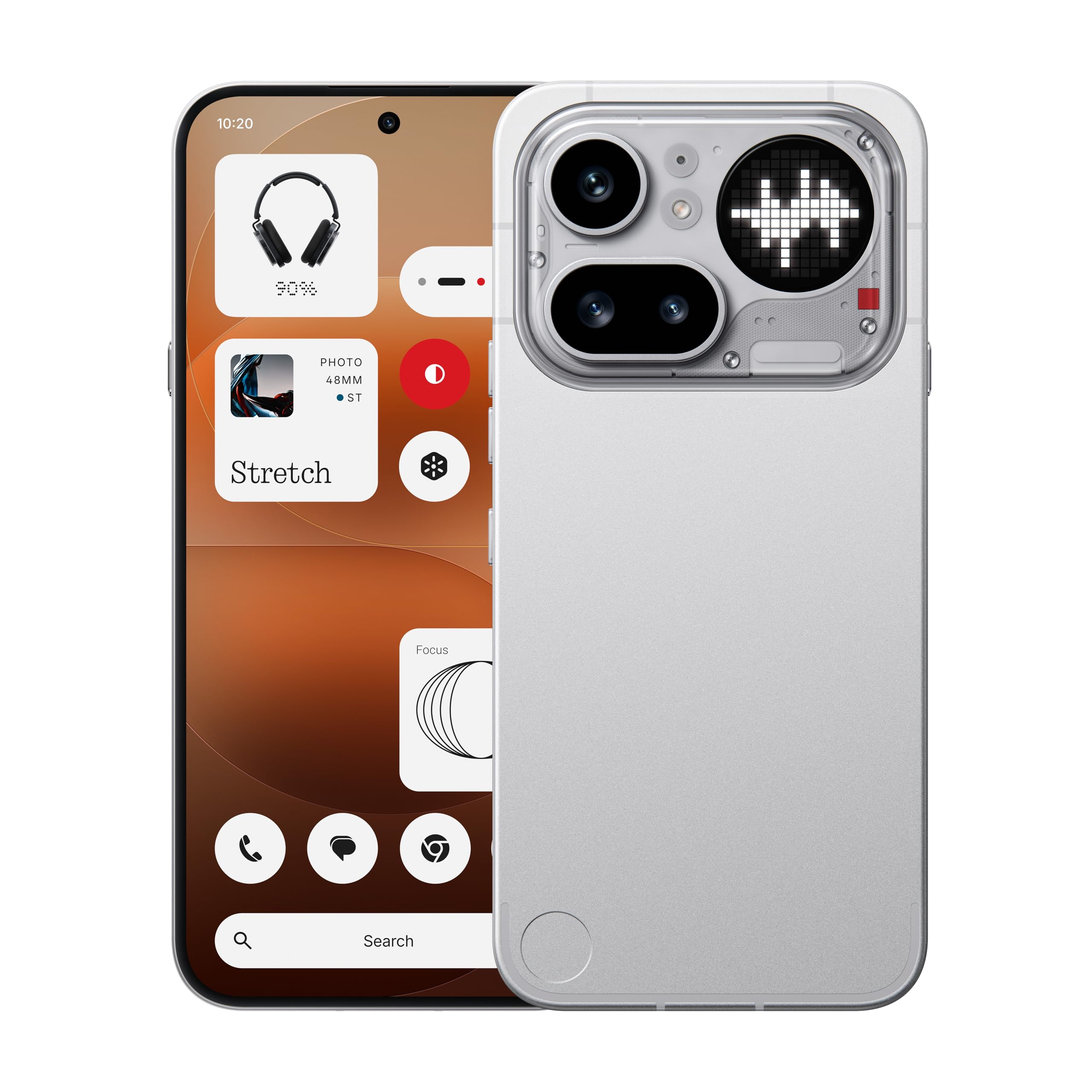


Who Should Buy Which Mid Range Camera Phone?
The right phone depends on what you shoot most. Subjects that move, scenes that are far away, and video all call for different hardware.
Parents and Pet Owners Shooting Moving Subjects Indoors
Parents and pet owners should pick a phone with a wide aperture main lens, hardware stabilization, and fast processing. Indoor living room light is the hardest situation for any smartphone camera, causing slow shutter speeds that turn running toddlers or wagging dogs into blurry streaks. Look for computational zero shutter lag and face unblur features, paired with an f/1.7 or f/1.8 main lens and hardware optical image stabilization (OIS). Prioritizing fast image signal processing over raw megapixel counts helps you catch sharp expressions on the first tap.
Travelers and Landscape Shooters
Travelers need a varied focal length spread more than a single great main sensor. When photographing national parks, narrow streets, or tall architecture, look for a large primary wide sensor, at least a 12 megapixel ultrawide camera, and ideally a dedicated 2x or 3x optical telephoto lens. Avoid phones that drop the ultrawide down to a soft 8 megapixels without autofocus. If you also cook and shoot food on the road, a phone with good close focus helps for plated dishes.
Social Video Creators and Vloggers
Creators should look for matched 4K 30p or 4K 60p recording on both the rear main camera and the front selfie camera. Phones that combine mechanical OIS with electronic gyro stabilization (EIS) give smooth walking shots without a motorized gimbal. Stereo microphones with wind noise reduction are a useful extra for outdoor clips.
Key Features to Compare in Mid Range Camera Phones
Physical Sensor Size and Pixel Binning vs Raw Megapixels
Physical sensor size matters more than megapixel count. A 50 megapixel sensor measuring 1/1.56 inches across will usually take cleaner, brighter low light photos than a 108 or 200 megapixel sensor crammed onto a tiny 1/2.5 inch chip, because a larger area gathers more light before digital amplification adds grain. Modern mid range camera phones use quad pixel or nona pixel binning, combining four or nine adjacent subpixels into one larger superpixel, to produce sharp, high dynamic range 12.5 megapixel photos that do not clog your cloud storage.
Hardware Optical Image Stabilization (OIS)
Choose a phone whose primary wide camera has true hardware optical image stabilization. OIS floats the lens assembly on tiny electromagnetic actuators that shift in real time to cancel out hand tremors. That lets the camera hold the shutter open longer in dim restaurants or twilight streets without motion blur, and it reduces the horizon wobble seen on unstabilized video. Software stabilization alone crops the frame and cannot fully replace it.
Image Signal Processor (ISP) and Computational Night Mode
The image signal processor shapes the final photo as much as the sensor does. Two phones can share the same 50 megapixel sensor yet produce different results because of the chipset. When you press the shutter, a fast ISP captures several exposures at different brightness levels in milliseconds and merges them into one HDR frame. That pipeline rescues bright clouds, lifts dark shadows, and helps render natural skin tones across diverse complexions.
Secondary Lenses: True Telephoto vs In Sensor Crop vs Macro Gimmicks
A real telephoto lens is the secondary camera worth paying for. Because optical zoom modules are expensive, many phones under $500 skip them and add a two megapixel macro lens and a two megapixel depth sensor instead. A genuine three camera mid range phone has a primary wide lens, an ultrawide of 12MP or higher, and a 2x or 3x optical telephoto for flattering portrait focal lengths. If a phone has no telephoto, check that its 50MP or 64MP main sensor supports lossless 2x in sensor crop zoom.
Display Color Accuracy and Outdoor Peak Brightness
A bright, accurate display makes framing shots easier. Look for an OLED or AMOLED panel with peak outdoor brightness of roughly 1,200 to 2,000 nits and wide P3 color gamut coverage. Accurate color means the photo you compose on screen looks much the same when shared or printed.
Storage Capacity, Battery Endurance, and Update Longevity
Plan for storage and battery before you buy, since video fills space quickly. Shooting 4K at 30 or 60 frames per second consumes roughly 350 to 450 megabytes per minute, so a base 64 gigabyte phone fills within months. Start with at least 128 or 256 gigabytes of internal storage. Active camera use and GPS geotagging also drain batteries on vacation days, so aim for a 4,500 to 5,000 mAh battery and a maker commitment of several years of system and security updates.
Comparing Mid Range Camera Phone Architectures
Different mid tier phone lines prioritize computational processing, optical zoom hardware, or battery life at distinct price points.
| Phone Camera Setup | Typical Price Tier | Low Light and Skin Tone Quality | Zoom Capability | Best Buyer Match |
|---|---|---|---|---|
| Computational Dual Camera (Wide + Ultrawide) | About $350 to $500 | Strong HDR, night mode, and natural skin tones | 2x lossless crop; up to 8x digital | Parents, point and shoot simplicity, portraits |
| Triple Camera With 2x/3x Optical Telephoto | About $400 to $600 | Strong daylight and portrait compression | True 2x or 3x optical; up to 10x hybrid | Travelers, concert goers, and portrait fans |
| High Resolution Main + 8MP Ultrawide + 2MP Macro | About $220 to $350 | Good daylight detail; softer night ultrawide | 2x digital crop only | Budget shoppers shooting mostly in daylight |
Price Tiers: What Your Budget Gets You
Entry Mid Range Camera Phones (About $200 to $320)
At around $200 to $320 you get a solid daylight camera with some compromises. Expect a 50 megapixel main camera, increasingly with OIS, an 8 megapixel ultrawide, and a large 5,000 mAh battery. Daylight landscapes and outdoor portraits look vibrant, though video is sometimes capped at 1080p or basic 4K 30fps, and night mode needs two to three seconds of steady holding.
Core Mid Range Sweet Spot (About $320 to $480)
This tier gives the best balance of camera quality and price. Stepping up to around $320 to $480 typically brings stronger image processors, larger main sensors with OIS, 12 megapixel ultrawide cameras, and 4K video on both front and rear cameras. Features like motion deblur, object erasing, and portrait edge detection come close to what pricier phones offer.
Upper Mid Range and Value Flagships (About $480 to $650)
Between around $480 and $650, phones add dedicated 2x or 3x optical telephoto lenses, glass and metal frames with IP67 or IP68 water resistance, faster charging, and 4K 60p stabilized video. These are the picks for travelers and portrait shooters. Water resistance is also a practical bonus for phones that get used near sinks, pools and rainy streets.
Common Mistakes to Avoid When Buying a Camera Phone
- Buying a phone just because it advertises a 108MP or 200MP sensor without OIS: High megapixel counts on a small unstabilized sensor can produce blurry indoor photos and huge files without better low light clarity.
- Counting two megapixel macro and depth rings as real cameras: Ignore filler lenses; judge a phone by its main wide sensor, ultrawide sensor, and optical telephoto lens if present.
- Shooting with a greasy fingerprint smudge across the camera glass: Pocket lint and skin oils cause hazy glare streaks around streetlights at night.
- Using digital zoom past 3x in dim indoor lighting: Pinching out to 5x or 10x on a phone without a periscope lens simply crops a tiny part of the main sensor, turning faces into watercolor smears.
- Choosing a 64GB base storage model when you shoot 4K video: The operating system and core apps can use over 20GB out of the box, leaving little room for high bitrate family videos.
- Ignoring update policy: Camera improvements often arrive through software updates, so a phone with a short support window loses value sooner.
Tips to Take Better Photos With a Mid Range Phone
The fastest upgrade costs nothing: wipe the rear camera glass on a clean cotton shirt before opening the camera app. Next, turn on the 3x3 grid and level indicator in your camera settings so horizons stay straight and subjects sit naturally off center.
Instead of pinching the screen to arbitrary values like 1.7x or 2.4x, tap the dedicated 1x, 2x, or 3x buttons so the phone uses its native optical focal lengths or lossless crop. In high contrast backlit scenes, tap your subject's face and drag the exposure slider down slightly to keep sky and skin detail. For food photos, sit near a window, avoid the flash, and turn off overhead warm bulbs that tint the plate.
Frequently Asked Questions
Can a $400 to $500 mid range phone really match a $1,000 flagship camera?
In many everyday situations, yes. In daylight, indoor portraits, and standard night mode scenes on the main 1x camera, leading $400 to $500 computational phones can look very close to $1,000 flagships. Flagships mainly pull ahead when zooming past 5x with periscope lenses or recording professional log video.
Is 50 megapixels enough for a mid range phone camera?
Yes, 50 megapixels is a common standard across both mid range and flagship phones. It lets the camera combine groups of four pixels into bright 12.5 megapixel everyday photos while also enabling sharp 2x center crops in bright light.
Why do my indoor phone photos of kids or pets look blurry?
Most phones lengthen the shutter speed in dim indoor light to keep noise low, which blurs anything that moves. Choosing a phone with fast multi frame face unblur software and hardware OIS helps freeze motion indoors, and turning on more room light helps too.
Do I need a dedicated macro lens on a smartphone?
No, dedicated 2 megapixel macro lenses on budget phones capture low resolution, grainy closeups. A phone with an autofocusing 12 megapixel ultrawide, or a crop from a stabilized 50MP main sensor, usually captures sharper closeups of flowers and food.
How long will a mid range camera phone stay fast and supported?
It depends on the maker's stated update policy, which now often runs five years or more on leading mid range models. Pairing that support with at least 8GB of RAM and 128GB or 256GB of storage helps the camera app stay quick for years.
Final Thoughts
Choosing the right camera phone comes down to a large OIS stabilized main sensor and smart computational HDR over inflated lens counts. If you want effortless point and shoot reliability for kids, pets, and night scenes under $500, pick a computational dual camera phone with a strong image processor. If you want optical portrait reach for travel and events, choose an upper mid tier handset with a dedicated 2x or 3x telephoto lens. Use the product table above to narrow down your shortlist.


