
Best Mid Range SLR Cameras for 2026: Buyer Checklist
Disclosure: We may earn a commission when you buy through links on this page, at no extra cost to you. As an Amazon Associate I earn from qualifying purchases. Learn more

Shopping for the best mid range SLR cameras? Learn which viewfinder, shutter, lens mount and sealing specs set a true step-up body apart.
Photographers who have outgrown a beginner body, but do not want a flagship price, need an SLR that feels fast and solid in the hand. Single Lens Reflex (SLR) cameras, both digital bodies and classic 35mm film models, let you look straight through the taking lens by way of a mirror and a pentaprism, and electronic screens still struggle to match that view. Without a clear inspection routine, though, a mid tier reflex body can leave you with a dim viewfinder, a worn shutter, or a lens mount that lacks an autofocus motor. Choosing the best mid range slr cameras means checking both the mechanical reflex parts and the viewfinder optics before you spend anything.
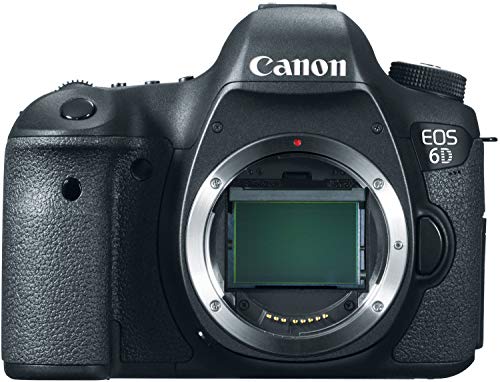
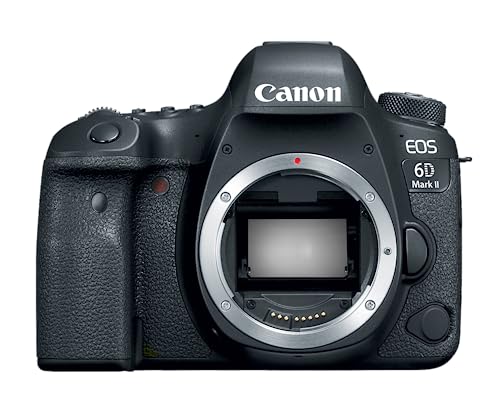
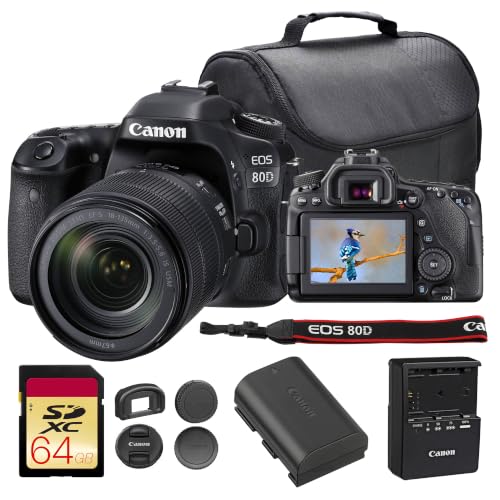
Below is a buyer checklist built from published specifications and aggregate owner feedback. It covers glass pentaprism versus hollow pentamirror finders, shutter ratings, lens mount compatibility, and the red flags that point to an abused body. The picks in the table show models that fit this profile.



What Makes an SLR Mid Range?
A mid range SLR sits between the entry body and the professional flagship, and it is defined by a handful of mechanical and optical upgrades. Whether you want a prosumer digital SLR for sports and wildlife or a semi professional 35mm SLR for film photography, the core is the same: a precision mirror box, an eye level prism, and a vertical travel focal plane shutter. Six areas separate a true mid range body from a disguised beginner camera.
Viewfinder Optics: Glass Pentaprism, Coverage, and Magnification
A solid glass pentaprism gives a brighter and more complete view than the hollow pentamirror found on budget bodies. Entry SLRs save weight and cost by using three thin mirrors, which typically show roughly 92 to 95 percent of the frame at a small magnification of around 0.78x to 0.82x. The view turns dim at dusk, and objects can creep in at the edges of your composition without you noticing.
Look for a glass pentaprism with about 97 to 100 percent frame coverage. Magnification of roughly 0.90x to 0.95x on APS C bodies, or 0.70x to 0.80x on full frame bodies, is a good sign. Eyeglass wearers should also check for an eyepoint of around 19mm to 22mm. A bright prism with a good matte focusing screen makes it easier to judge focus before pressing the shutter.
If you can, hold a body up to your eye in a shop and look at a dim corner of the room. Compare it with an entry model beside it, and the difference in brightness and edge detail is usually obvious within seconds.
Shutter Speed, Flash Sync, and Actuation Rating
A mid range SLR should offer a top shutter speed of 1/8000 second, a flash sync of 1/200 to 1/250 second, and a shutter rated for roughly 100,000 to 150,000 actuations. Entry bodies usually stop at 1/4000 second, sync at 1/180 or 1/200, and carry ratings closer to 50,000 cycles.
The faster top speed matters when you shoot f/1.4 or f/1.8 portrait primes wide open in bright sun without a neutral density filter. The higher sync speed helps when you use strobes to fill shadows outdoors. The actuation rating is a manufacturer estimate, so treat it as a guide to build class rather than a guarantee.
Continuous shooting speed is the other number worth a look. Around 5 to 8 frames per second is common in this class, which is enough for kids, pets, and club level sports, provided the memory card is fast enough to clear the buffer.
Lens Mount Completeness and Backward Compatibility
A complete lens mount keeps older lenses working fully, and it is one of the biggest hidden traps in SLR shopping. Entry level Nikon DSLR bodies, for example, omit the internal autofocus screw drive motor and the mechanical aperture indexing tab. Classic AF and AF D lenses then focus only by hand, and older manual focus lenses may not meter at all.
Mid range bodies generally keep the in body focus motor where the mount uses one, plus full electronic aperture control and a metal bayonet fixed to the chassis. That opens up decades of affordable used primes and zooms. Always check the manufacturer's compatibility chart for the exact lenses you already own.
Autofocus Module Density and Metering
A better autofocus module spreads more points across the frame and makes more of them cross type. Cross type points read both horizontal and vertical contrast lines, and the best center points work as dual cross type with f/2.8 or faster lenses. This helps with erratic subjects such as birds, kids, and sports.
Many mid range bodies also link RGB color metering to the active focus point. A physical depth of field preview button is a useful extra: it stops the lens down so you can see the real background blur through the viewfinder.
Ergonomics: Dual Dials, Top LCD, and Weather Sealing
Dual command dials and a top status LCD let you change settings without taking your eye from the viewfinder. One dial sits under the index finger and one under the thumb, and dedicated buttons for ISO, metering, autofocus mode, and white balance usually sit near the top panel.
Mid range chassis commonly use magnesium alloy or composite panels with rubber gaskets around the card door, battery compartment, and buttons. This sealing resists rain, spray, and dust, though it is not full waterproofing. Grip depth matters as much as the spec sheet, so check that your little finger has somewhere to rest when a heavy telephoto zoom is mounted.
Sensor Dynamic Range or Film Transport, and Battery Life
On digital models, look for strong dynamic range at base ISO, 14 bit RAW output, and a sensor dust shaking system. On 35mm film bodies, focus on shutter accuracy across all speeds, DX film speed reading, and a flat film pressure plate.
Battery stamina is a real strength of the SLR design. Many digital bodies are rated for roughly 900 to 1,400 shots per charge, and film bodies run through many rolls on a pair of lithium cells. That endurance helps in cold weather, where a phone battery drains fast.
Budget and Buying Scenarios
Most buyers do best by spending on the body class and the lens together rather than chasing the newest sensor. A used mid range body paired with one good lens often beats a new entry body with a kit zoom.
- Sports and wildlife: prioritize autofocus point spread, burst rate, and a big buffer. A 70-300mm or 70-200mm zoom matters more than a few extra megapixels.
- Portraits and weddings: look for dual card slots if you need backup, a 1/250 flash sync, and a bright 50mm or 85mm prime.
- Landscape and travel: weather sealing, battery life, and mirror lockup count most. A sturdy body with a 16-35mm or 24-70mm zoom covers nearly everything.
- Film photography: choose a body with a working light meter, clean seals, and a smooth film advance, and have an older camera serviced if it has sat unused for years.
Used bodies are often the sweet spot, since mid range models lose value quickly in the first few years yet keep plenty of shutter life. Reputable dealers usually offer a short warranty, which is worth a small premium.
Quick Buyer Checklist
Run through these seven yes or no questions before buying any new or pre owned mid range SLR.
- Does the viewfinder use a solid glass pentaprism with 98% to 100% frame coverage? Avoid dim 95% pentamirror finders if you wear glasses or shoot in low light.
- Are there front and rear command dials plus a top status LCD? This lets you change aperture and shutter speed without leaving the viewfinder.
- Is the top shutter speed 1/8000 second with a 100,000+ actuation rating? That points to a true mid tier chassis rather than a beginner body.
- Does the mount include an internal AF motor (on Nikon F or Pentax K mounts)? It saves money when buying classic f/1.8 and f/2.8 lenses.
- Is there in camera AF fine tune or microadjustment? It lets you calibrate fast primes that front focus or back focus slightly.
- If used, is the verified shutter count under about 30,000 to 40,000? That leaves most of the rated shutter life.
- Does it use a common high capacity battery, with an optional vertical grip? Spare batteries are then easy to find.
Red Flags to Watch For
Walk away from any SLR listing that shows these four warning signs.
- Scratched or missing focusing screen parts: Owners who pry out the matte screen with metal tweezers can scratch it or lose the calibration shim, which throws manual focus off.
- Sticky mirror damper foam (older and film SLRs): If the foam strip at the top of the mirror box is gummy or crumbly, residue can transfer onto the focusing screen and shutter blades.
- Low use claims without a shutter count: Digital SLRs record the actuation count in file data, and free tools can read it. Be wary of a seller who refuses to share it.
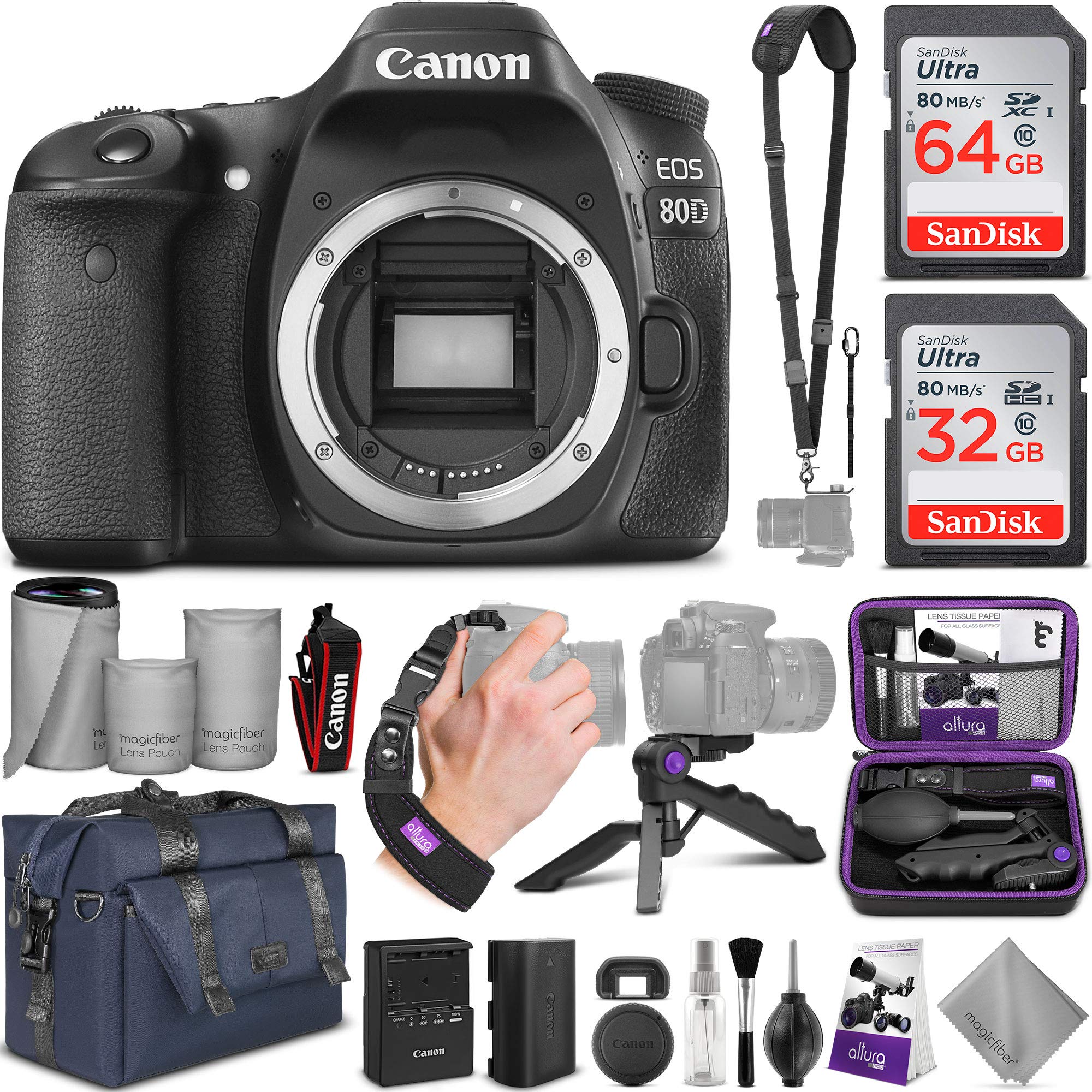
- Bundled "25 piece accessory kits": These often pair a body with cheap screw on adapters and flimsy tripods that hurt sharpness. Buy the body alone, or with the official kit lens.
Setup and Care Tips
Three simple habits keep the mirror box, prism, and sensor clean for years.
- Use a rocket blower with the lens mount facing down: Hold the body upside down and squeeze several puffs of air into the mirror chamber so loose dust falls out before you try any wet cleaning.
- Set the diopter wheel to your eyesight: Half press the shutter to light the focus points, then turn the small wheel beside the eyecup until the etched graphics look sharp.
- Use mirror lockup or exposure delay on a tripod: For long landscape exposures, the mirror slap can add slight vibration, so a one or two second delay lets it settle before the shutter opens.
Store the camera in a dry bag with a silica gel pack, and keep a body cap on whenever a lens is off. Charge the battery before a long trip, and remove it from the body if the camera will sit unused for months.
Frequently Asked Questions
What is the difference between an SLR and a DSLR camera?
A DSLR is an SLR that records to a digital sensor instead of film. Both use a movable mirror and a pentaprism so you view the scene directly through the lens.
How long does a mid range SLR camera last?
A well cared for mid range SLR often lasts well over a decade. A tough chassis and a shutter rated around 150,000 cycles give plenty of headroom for regular use, and many older bodies still work today.
Why do many photographers still prefer an optical SLR viewfinder?
An optical viewfinder has no display lag and no refresh flicker. It also stays clear in bright sun and uses no battery power, which suits long days tracking wildlife or sports.
Do I need special lenses for an APS C or full frame SLR?
Full frame lenses such as Canon EF or Nikon FX mount on both full frame and APS C bodies. Crop lenses such as Canon EF S or Nikon DX are made for APS C, and Canon EF S lenses cannot mount on full frame Canon bodies.
How can I check an SLR sensor for dust spots?
Photograph a plain white wall or blue sky at f/16 or f/22, ISO 100, with focus at infinity. Dark stationary dots in the image show dust on the sensor filter, and a blower often removes it.
Final Thoughts
A well built reflex camera gives you a direct optical view, tactile dual dial control, and access to one of the deepest lens catalogs in photography. Check for a glass pentaprism, a 1/8000 second shutter with a high rating, and a complete lens mount, and you can choose among the best mid range slr cameras with confidence. Compare the picks in the table to match a body to your budget and lenses.


