
The Best Smart Watches for POTS for 2026: Vital Heart Health Guide
Disclosure: We may earn a commission when you buy through links on this page, at no extra cost to you. As an Amazon Associate I earn from qualifying purchases. Learn more

The best smart watches for POTS track heart rate trends in real time, so people with dysautonomia can spot spikes on standing and manage daily symptoms.
If you live with Postural Orthostatic Tachycardia Syndrome (POTS) or a related form of dysautonomia, you know the pattern: your heart rate jumps within seconds of standing, often with lightheadedness, brain fog, fatigue and palpitations. A wrist device that shows those trends in real time can make daily management easier. The best smart watches for pots offer continuous optical heart rate sampling, customizable high heart rate alerts, ECG recording on many models, and sleep and recovery data you can review later.
Consumer smartwatches are not certified diagnostic medical equipment, so treat them as tracking aids and not as a replacement for medical care. Used that way, they help you spot positional triggers, see how hydration and salt intake line up with your heart rate, and export graphs to share with a cardiologist or autonomic specialist. Below we look at sampling frequency, alerts, heart rate variability (HRV), battery endurance and the other features that matter most, and the picks in the table show models that fit these needs.

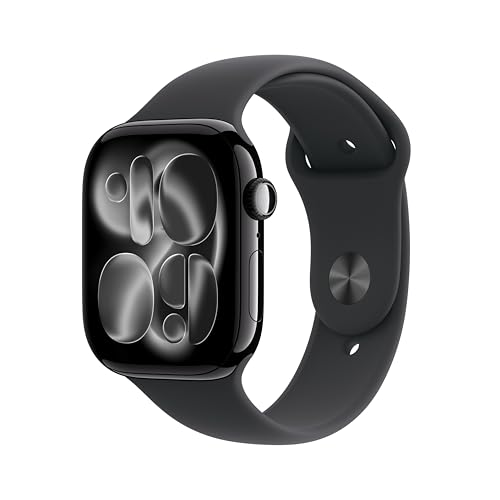
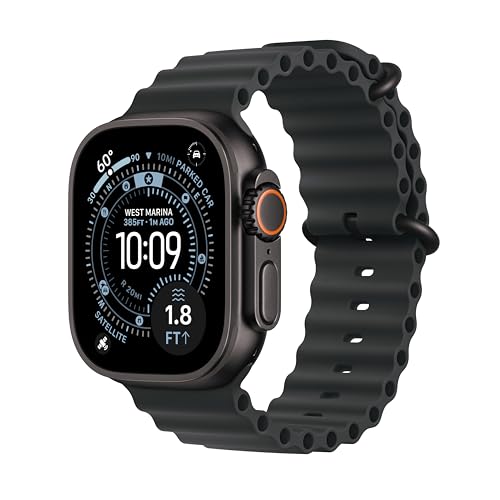

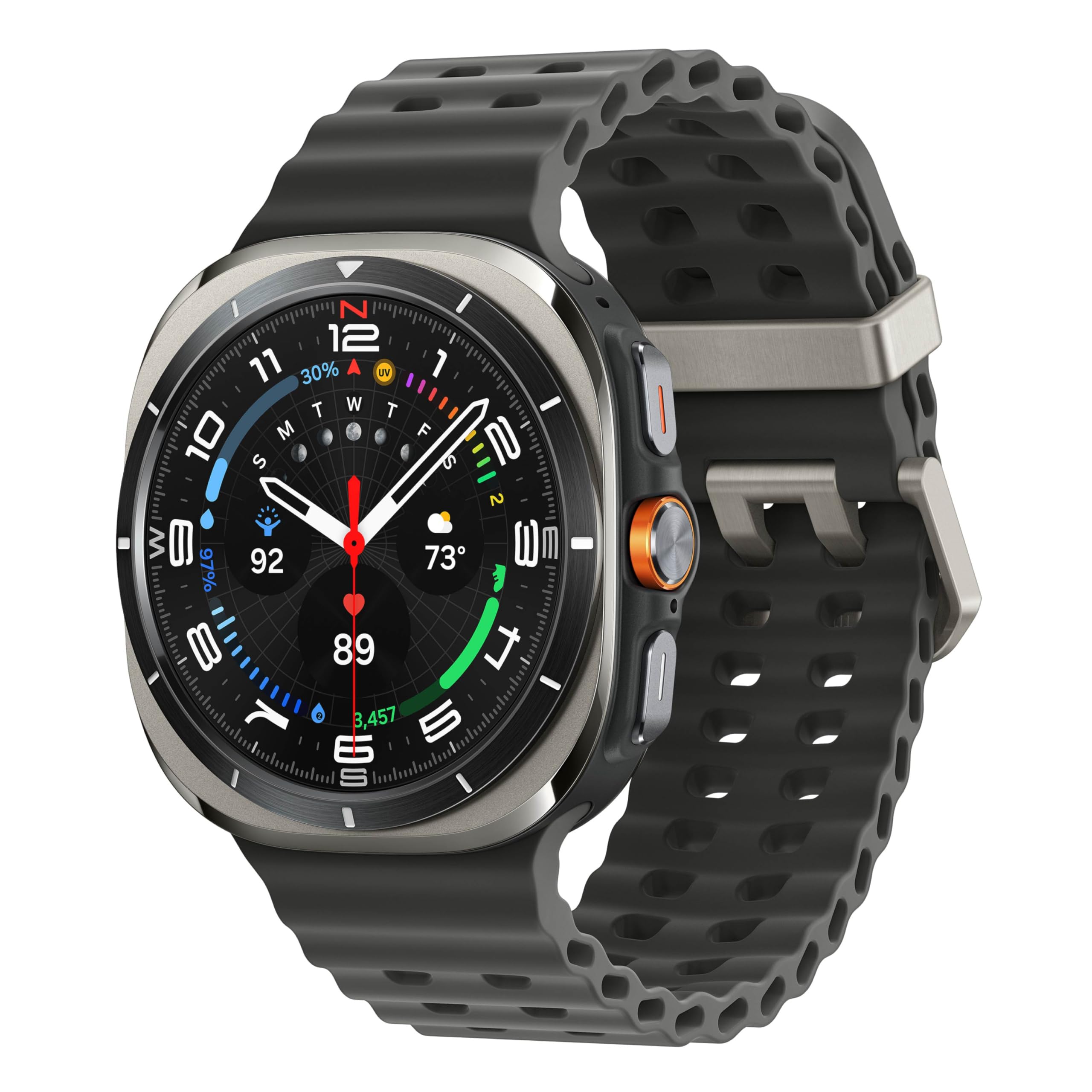
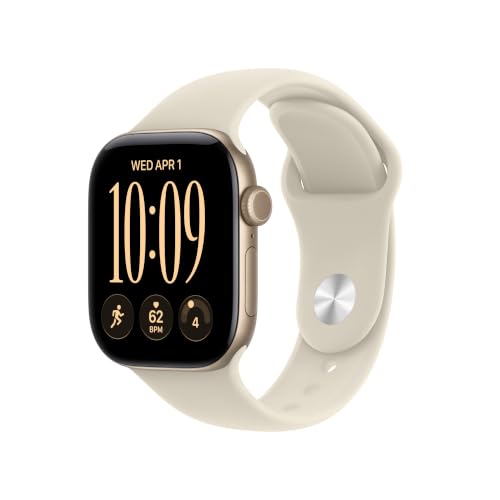


How to Choose the Best Smart Watches for POTS: Buying Guide
The right watch for POTS is one that samples your pulse continuously, lets you set your own alert thresholds, and keeps a log you can export. Check these core benchmarks before you buy.
Continuous Real Time Heart Rate Sampling Frequency
You want a watch that samples your pulse continuously, not one that checks it every few minutes. Many basic smartwatches save battery by taking a reading only once every five or ten minutes, and that is of little use for POTS because orthostatic spikes happen within seconds of standing up.
Look for true continuous, second by second optical sampling, which Apple Watch, Garmin and Google Pixel Watch models generally offer in their health modes. That gives you an unbroken graph of your day and catches sudden surges immediately. Check the settings menu too, since some watches only sample this densely during workouts unless you switch the heart rate mode.
Customizable High Heart Rate Vibration Alerts
A configurable high heart rate alert is one of the most useful features for POTS. You can set the watch to vibrate if your heart rate stays above a threshold you choose (for example 100, 110 or 120 beats per minute) while you are not exercising.
The wrist buzz is a prompt to sit down, elevate your legs, drink an electrolyte beverage or practice slow breathing before dizziness builds. Agree on a sensible threshold with your doctor, since a number set too low will trigger constantly. Also check that the alert only fires when you are inactive, otherwise a flight of stairs will set it off.
Optical Sensor Accuracy and Multi Diode Arrays
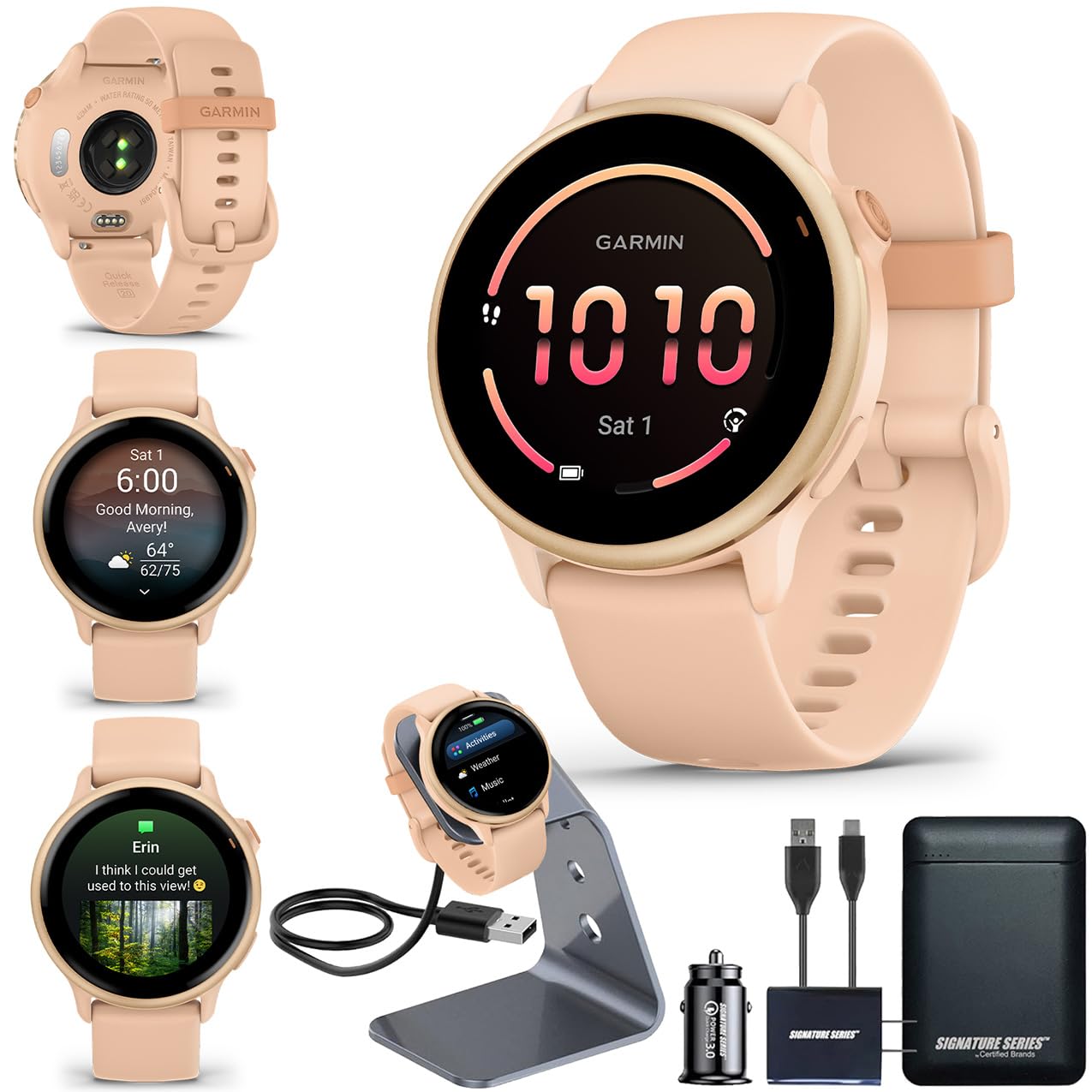
Accuracy depends on the sensor cluster on the case back sitting flush against your skin. Wrist based photoplethysmography (PPG) works best with multi diode, multi path sensor arrays.
These clusters use green, red and infrared light and noise rejection software to filter out motion artifacts from walking or trembling hands. Even so, wrist sensors can lag during very fast changes, so treat readings as trends. If you need beat by beat precision, a chest strap paired with the watch is a common companion.
Electrocardiogram (ECG) and Heart Rate Variability (HRV)
Choose a watch with a single lead ECG that carries regulatory clearance in your country if you want rhythm checks on demand. When you feel fluttering or skipped beats, you touch the bezel or crown for about thirty seconds and can save the strip as a PDF for your physician.
Also look at HRV tracking. Overnight HRV gives a rough indicator of autonomic balance and fatigue, which many people with POTS find useful for spotting a bad stretch before it peaks. Budget models often skip ECG, so confirm the feature list.
Battery Longevity and Sleep Architecture Tracking
Battery life decides whether you can track sleep and resting heart rate at all. Sleep disruption is common with POTS, and overnight data only exists if the watch has charge when you go to bed.
Feature rich smartwatches such as the Apple Watch usually need charging daily, often with a quick top up during your shower. Fitness focused wearables from Garmin or Amazfit commonly last from about five days to two weeks, which suits anyone who dislikes charging routines.
Data Exportability and Third Party App Integration
A watch is only as helpful as the data you can get out of it. Look for compatibility with chronic illness and heart rate apps such as TachyMon, Cardiogram or Bearable.
TachyMon runs on Apple Watch and compares your heart rate to a baseline, sounding custom haptic or audio alarms when a spike starts. Also make sure the companion app can export CSV or PDF reports to bring to appointments.
Hydration Reminders and Daily Electrolyte Tracking
Fluid and sodium intake are a core part of many POTS care plans, so a watch that helps you log them earns its place. Look for models that support hydration widgets or complications right on the watch face.
Hourly haptic reminders prompt you to drink, and a quick tap to log ounces shows whether you reached your daily target without opening a phone app.
Emergency Fall Detection and Incident Contact Alerts
Fall detection and Emergency SOS matter if you ever faint. Sudden drops in blood flow to the brain can cause syncope, and a watch can help get you assistance.
If the accelerometer senses a hard impact followed by about a minute without movement, the watch can sound an alarm and send your location to emergency contacts or services. This is especially reassuring if you live alone.
Popular Smartwatch Ecosystems for POTS Compared
Three ecosystems cover most buyers, and the best choice usually follows the phone you already own.
Apple Watch Ecosystem (Series and SE Models)
Apple Watch pairs continuous heart rate tracking with ECG, fall detection and access to the TachyMon app. It suits iPhone users who want the widest choice of POTS specific apps, with the trade-off of daily charging.
Garmin Health and Fitness Watches
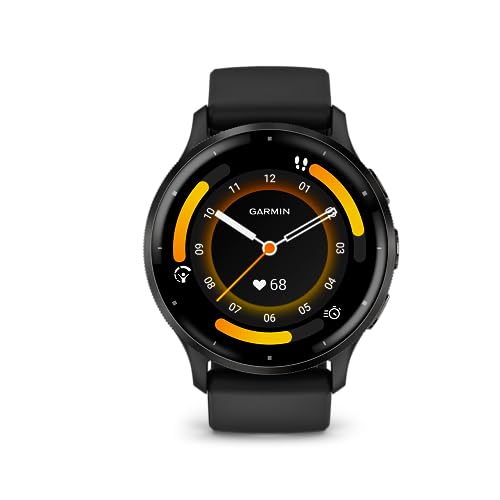
Garmin offers continuous tracking, multi day battery life, Body Battery energy monitoring and overnight HRV data. It is a good fit if you want data around the clock without a nightly charging habit.
Wear OS and Galaxy Watch Ecosystem
These watches offer continuous optical tracking, ECG on many models, Health Connect integration and adjustable high heart rate alerts. They are the natural choice for Android phone users.
Essential Daily Habits for Accurate Vitals Tracking
Good habits matter as much as hardware, and these four keep your readings clean.
- Wear the band snugly, about one finger width above the wrist bone: A loose band lets ambient light leak into the sensor and can create false spikes.
- Clean the sensor window weekly: Sweat, sunscreen and skin oils coat the glass, so wipe the case back with a damp microfiber cloth.
- Log electrolyte intake and symptom triggers in companion apps: Compare heart rate graphs with water, sodium and meal times to find patterns.
- Do not panic over minor fluctuations: Use the data as a management tool, and discuss significant rhythm changes with your healthcare provider.
Frequently Asked Questions
Can a smartwatch officially diagnose POTS?
No, a smartwatch cannot diagnose POTS. A formal diagnosis requires clinical evaluation by a physician, often including autonomic testing or a tilt table test. The watch can still provide useful trend data to bring to that appointment. Ask your doctor before changing fluids, salt intake, medication or activity based on watch data.
What is the TachyMon app and why is it popular for POTS?
TachyMon is a third party Apple Watch app that tracks heart rate against your baseline. It alerts you with custom haptics when an orthostatic spike begins, which is why many people with POTS use it.
Does cold weather affect wrist heart rate sensor accuracy?
Yes, cold can reduce accuracy. Low temperatures constrict blood vessels in the wrist, which can weaken the optical signal. Keeping your wrists warm usually improves readings.
How tight should a smartwatch be worn for accurate heart rate tracking?
It should be comfortably snug. The sensor needs to stay flush against your skin without sliding, but the band should not restrict circulation or cause discomfort.
Final Thoughts
For POTS, prioritize continuous sampling, adjustable high heart rate alerts, a battery that fits your routine and easy data export, then match the ecosystem to your phone. Used alongside medical guidance, the best smart watches for pots give you objective data to manage symptoms proactively. Compare the picks in the table above to find the one that suits you.


