
Best Tiny Desks: Budget, Midrange, and Premium Picks
Disclosure: We may earn a commission when you buy through links on this page, at no extra cost to you. As an Amazon Associate I earn from qualifying purchases. Learn more

Small desks from around $27 to $240 sorted by tier, with three picks and tips for fitting a workspace into tight rooms.
A tiny desk can turn a bedroom corner, a hallway nook or a studio apartment wall into a functional workspace. Prices range from under $30 for a simple writing table to more than $200 for designer pieces with storage, and the cheapest options are not always the best value in a small room where every inch counts. This guide to the best tiny desks breaks the market into budget, midrange and premium tiers so you can see what each price buys and where spending more makes sense.
The short answer: for a laptop and occasional work, a simple 32 inch desk around $25 to $65 is plenty; if you work at home every day, a small electric standing desk around $90 to $140 gives you sit stand flexibility in the same footprint; and if the desk sits in a living space, a well made design piece with storage cubbies around $180 to $250 adds style and organization.



Top 3 Picks by Budget
Each pick below comes from the product table above and offers the strongest value in its price tier for small spaces.


Best Budget Pick
The DUMOS 32 inch Small Computer Desk, around $27, is the best choice for students, dorm rooms and anyone who needs a simple laptop surface. Its first strength is a compact 32 inch footprint that fits beside a bed, under a window or in a closet nook without overwhelming the room. Its second strength is a clean, minimal design with a sturdy metal frame and a white finish that blends with most decor, all at a price that leaves room in the budget for a good chair.
The limitation is minimal storage and a modest surface that fits a laptop and a few supplies rather than a full monitor setup.
Best Midrange Pick
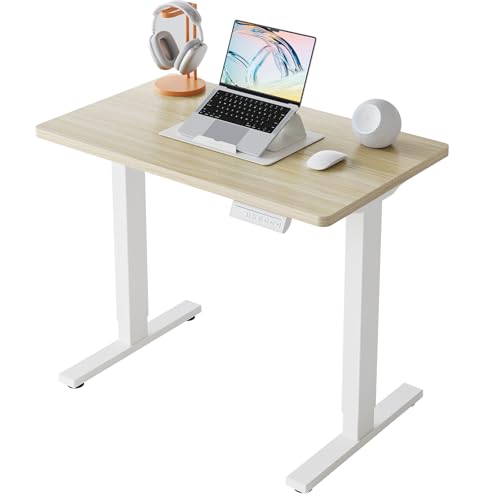
The HUANUO 32 by 19 inch Small Electric Standing Desk, around $94, suits remote workers who want to alternate between sitting and standing in a tiny footprint. Its first strength is electric height adjustment, letting you switch positions at the press of a button to reduce stiffness during long workdays. Its second strength is a compact surface that still supports up to 176 pounds, enough for a laptop, monitor and accessories.
The limitation is a smaller desktop than full size standing desks, so dual monitor setups will feel crowded.
Best Premium Pick
The Nathan James Parker Modern Writing Desk, around $240, is for buyers who want a tiny desk that looks like furniture rather than an office accessory. Its first strength is a mid century inspired design with wood finishes and metal accents that suit living rooms and bedrooms. Its second strength is built in open storage cubbies that keep notebooks, chargers and accessories organized without needing extra shelves.
The limitation is price; it costs several times more than basic small desks with similar surface area.
What Your Money Gets You at Each Price Tier
Budget Tier: What to Expect
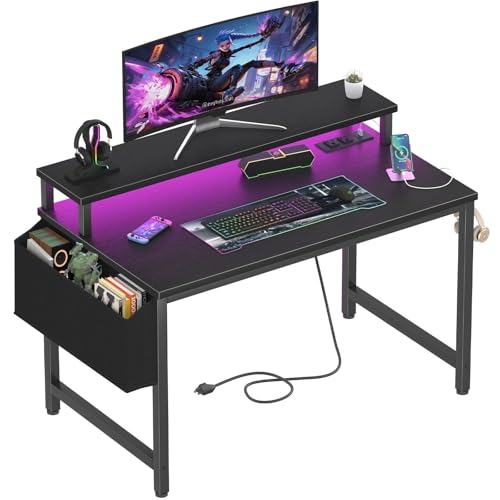
Budget tiny desks cost around $20 to $70. They typically use particleboard tops on metal frames, measure 28 to 40 inches wide and include little or no storage. Some add hooks, small shelves, power outlets or LED lighting. Trade offs include thinner tops that can flex and finishes that scratch more easily. They suit students, renters, kids' rooms and temporary home office setups.
Midrange Tier: The Sweet Spot for Most Buyers
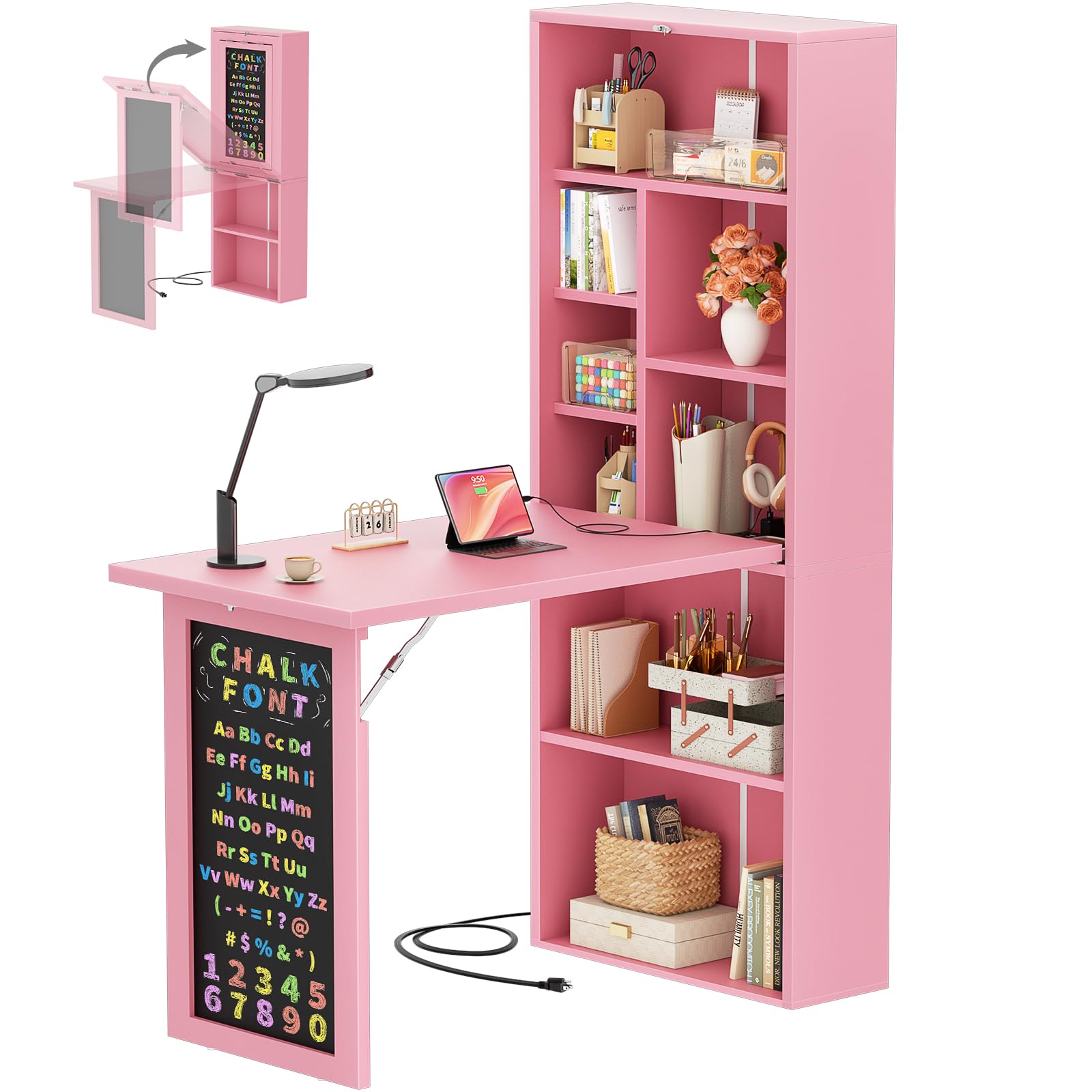
Midrange tiny desks cost around $80 to $160. This tier includes small electric standing desks, fold out murphy desks with outlets, compact corner desks with drawers and sturdier writing desks with thicker tops. Build quality improves, and space saving features like folding or wall mounting become common. For most people working from home in tight spaces, this tier offers the best balance.
Premium Tier: When Spending More Pays Off
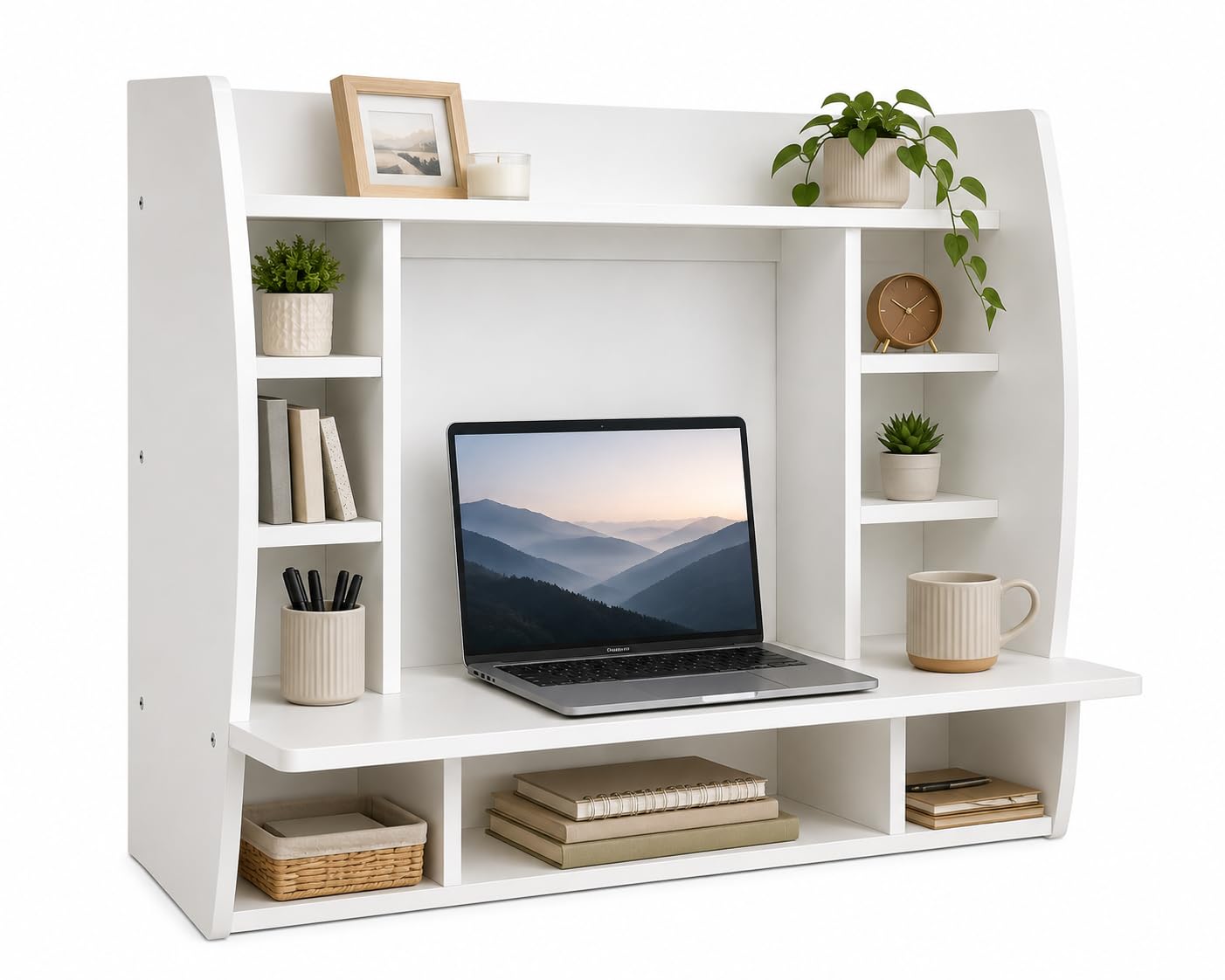
Premium tiny desks cost around $180 to $300. They feature solid wood or high quality veneers, designer styling, integrated storage and wall mounted floating designs. Spending more pays off when the desk is visible in a living room, when you want a piece that lasts through several moves or when built in organization saves buying separate storage.
Features Worth Paying For (and Ones to Skip)
Focus your budget on features that make a small space work better when choosing the best tiny desks.
Assembly and Delivery
Most tiny desks ship flat and take 15 to 45 minutes to assemble. Simple four leg desks are quickest, while standing desks and desks with drawers take longer. Check that the box fits through narrow stairs and doorways, and look for clear instructions and labeled hardware. Wall mounted desks require drilling into studs, so plan for tools and possibly a helper.
Ergonomics and Adjustability
Desk height matters even for small desks. Standard desks sit around 29 to 30 inches high, which suits most adults with a properly adjusted chair. Standing desks let you change height throughout the day. Leave enough legroom under the desk and avoid crossbars at knee height. If you type for long hours, consider a keyboard tray or laptop stand to improve posture.
Materials and Build Quality
Particleboard and MDF tops keep costs down but can sag under heavy loads over time. Thicker tops around 0.6 to 1 inch feel sturdier. Solid wood and quality veneers last longer and resist dents. Metal frames add stability, while adjustable feet help on uneven floors. Check the weight capacity if you plan to add a monitor.
Measuring for Size and Portability
Measure the space carefully, including width, depth and height clearance for windowsills or shelves. A depth of 16 to 20 inches works for laptops, while 24 inches suits a monitor and keyboard. Leave room to pull out your chair. If you move often, choose lightweight or folding desks that are easy to transport.
Features You Can Skip
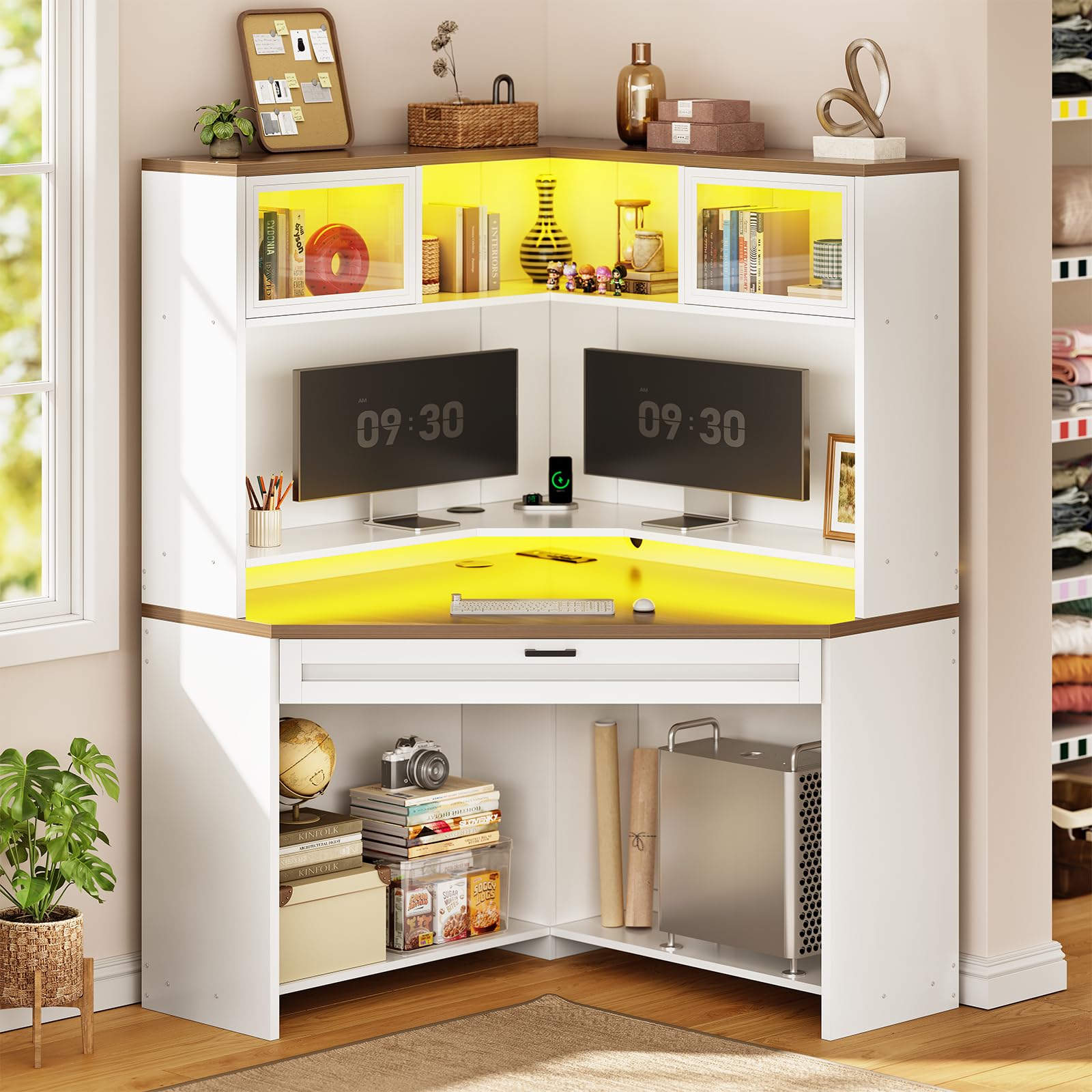
Built in LED strips, gaming styling and excessive hutches can add cost and visual bulk. In a tiny room, simple designs often feel more spacious. Spend instead on a sturdy top and storage that genuinely fits your needs.
Choosing a Tiny Desk for Your Situation
For Students and Dorm Rooms
Students need a compact surface for a laptop, notebooks and a lamp. Simple 32 to 40 inch desks with a small shelf or hooks fit beside dorm beds and under lofted beds. Lightweight designs make move in and move out days easier, and power outlets built into the desk help where wall sockets are scarce.
For Remote Workers in Apartments
Remote workers who use the desk all day should prioritize stability, a monitor friendly depth of around 24 inches and ergonomics. A small electric standing desk or a sturdy writing desk paired with a monitor arm creates a productive setup in a living room corner or bedroom.
For Kids and Teens
Kids benefit from desks with storage cubbies, rounded edges and durable finishes that resist markers and scratches. Adjustable height desks grow with children, and desks with built in lighting help with homework in the evening.
For Multipurpose Rooms
Guest rooms, living rooms and kitchens benefit from fold out murphy desks or wall mounted floating desks that disappear when not in use, keeping the room flexible for other activities.
Setting Up an Ergonomic Tiny Workspace
Even a small desk can support healthy posture. Position your screen at eye level about an arm's length away, using a laptop stand or monitor arm if needed. Keep your keyboard and mouse at elbow height with shoulders relaxed. Your feet should rest flat on the floor or a footrest, and your chair should slide fully under the desk when you are finished to free up floor space.
Natural light helps mood and focus, so place the desk near a window if possible, positioning the screen perpendicular to the glass to reduce glare. Take short breaks every hour to stand and stretch, especially if you do not have a standing desk.
Space Saving Desk Styles for Small Rooms
Several desk styles help in tight spaces. Wall mounted floating desks attach to studs and leave the floor clear, making rooms feel larger and easier to clean. Fold out murphy desks close flat against the wall when not in use, ideal for multipurpose rooms. Corner desks use awkward corners efficiently. Small standing desks combine ergonomics with compact footprints, and rolling laptop desks move wherever you need them.
Choose a style based on how often you use the desk. Daily workers benefit from a fixed or standing desk, while occasional users may prefer folding or rolling designs that disappear when not needed.
Making Tiny Desks Work Bigger
Smart accessories expand a small desk's usefulness. A monitor arm frees desk surface and lets you push the screen back for more depth. Wall shelves or pegboards above the desk store supplies vertically. A laptop stand with an external keyboard and mouse improves posture without taking much space. Cable trays and clips keep cords off the surface.
Choose a chair that slides fully under the desk when not in use, and use lighting such as a clamp lamp or wall sconce instead of a bulky desk lamp.
Long Term Costs to Factor In
Beyond the desk itself, budget for a comfortable chair, which matters more than the desk for long hours, plus accessories like a monitor arm, lamp and cable organizers. Wall mounted desks may require anchors or professional installation. Cheaper particleboard desks may need replacing after a few moves, while solid wood desks can last many years. Electric standing desks rely on motors, so check warranty coverage.
Frequently Asked Questions
What features matter most for long hours at a tiny desk?
Correct desk height, enough legroom and a stable top matter most. Pair the desk with an adjustable chair so your elbows rest near 90 degrees. A standing option or laptop stand helps posture during long workdays.
How do I choose the right size tiny desk?
Measure your space and choose a desk at least 30 inches wide and 18 inches deep for a laptop. Add depth to 24 inches if you use a monitor and keyboard. Leave space to pull out your chair and move around.
How long should a good tiny desk last?
A good tiny desk should last around five to ten years. Solid wood and metal frame desks last longest, while particleboard desks may wear faster with frequent moves. Tightening bolts periodically helps maintain stability.
Is an expensive tiny desk worth it?
An expensive tiny desk is worth it if the desk sits in a visible space or you use it daily. Premium materials, storage and design add longevity and style. For occasional laptop use, a budget desk works fine.
Can a tiny desk hold a monitor?
Yes, most tiny desks can hold a monitor if they are deep and sturdy enough. Look for a depth of at least 20 inches and check the weight capacity. A monitor arm saves surface space and lets you push the screen to a comfortable distance.
Are wall mounted desks sturdy?
Wall mounted desks are sturdy when anchored into wall studs with the included hardware. Avoid relying on drywall anchors alone for heavy loads. Check the weight rating and keep heavy items like desktop computers on the floor.
What chair works best with a tiny desk?
A compact armless or flip up arm chair works best with tiny desks. It slides fully under the desk to save space. Choose adjustable seat height and lumbar support for comfort during longer sessions.
Our Verdict
The right tiny desk makes a small space productive without overwhelming it. Budget buyers can start with a simple 32 inch desk, daily remote workers benefit from compact standing desks and design focused buyers can choose premium writing desks with storage. Measure carefully, prioritize stability and add accessories that use vertical space so the room still feels open and comfortable.
Compare the best tiny desks in the product table above to find the right fit for your room and budget.


