Action Camera vs Phone: Which Is Better in 2026?
Disclosure: We may earn a commission when you buy through links on this page, at no extra cost to you. As an Amazon Associate I earn from qualifying purchases. Learn more

Action camera vs phone compared on waterproofing, stabilization, battery, mounting and cost, with advice on which to use for each activity.
The action camera vs phone question is a practical one: modern phones shoot excellent video, but action cameras are built for situations where a phone is awkward or risky to use. This guide compares them on stabilization, durability, battery, mounting, image quality and cost, so you know when each is the better tool.
The short answer is that a phone wins for everyday filming and an action camera wins for water, speed, vibration and hands-free shots.
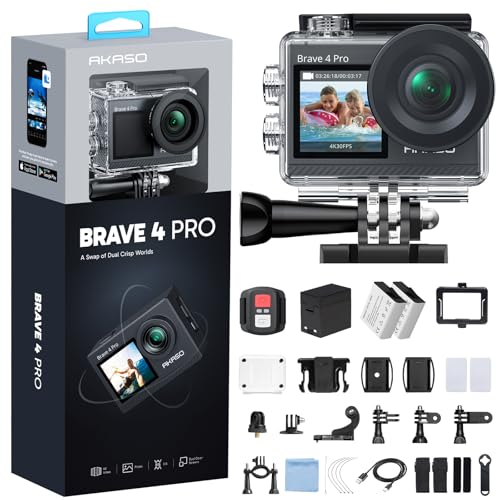
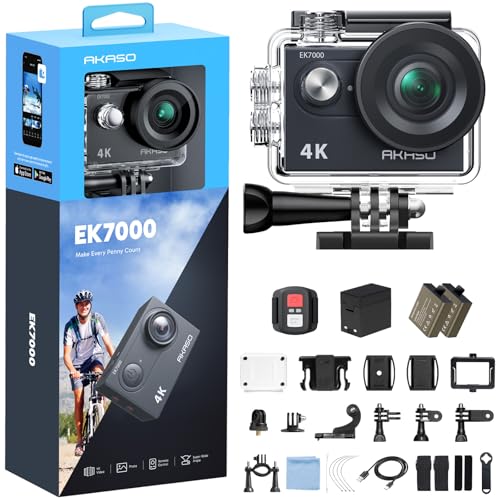

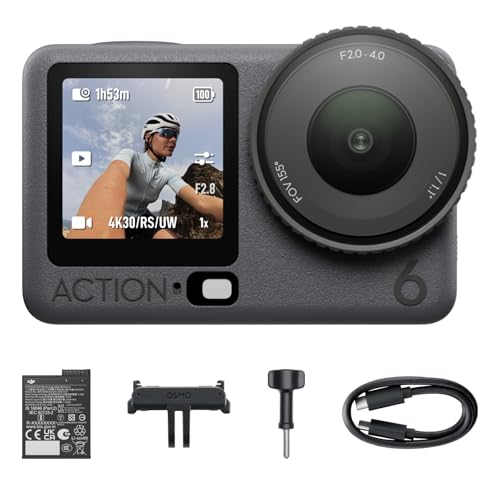

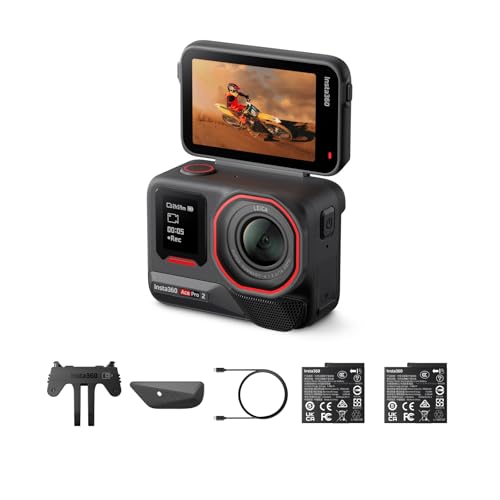


Action Camera vs Phone: Quick Comparison
A phone has a bigger screen, easy editing, cloud sharing and a camera system you already own. An action camera adds waterproofing, a tough body, tiny size, magnetic mounts and stabilization tuned for shaking. Your phone remains the better choice for portraits, zoomed photos and everyday video, and the action camera becomes the better choice the moment you strap it to a helmet, handlebar or chest.
Durability and Weather
Action cameras are designed to take knocks, rain, sand and snow. The GoPro HERO12 lists waterproofing to 33 feet (10m), the DJI Osmo Action 5 Pro lists 20 meters, and the Insta360 Ace Pro 2 lists 39 feet (12m), all without a case. A phone has water resistance for splashes, but a drop on a bike ride or a swim with it is a gamble that can cost hundreds of dollars.
Cold weather matters too: DJI lists the Osmo Action 5 Pro battery for freezing temperatures, where phone batteries often drop quickly.
Stabilization and Wide Angle
Phones stabilize well in normal handheld use, but they are not made for the constant shaking of a bike or a motorcycle. Action cameras use wide lenses and dedicated stabilization, such as GoPro HyperSmooth, DJI HorizonSteady and Insta360 FlowState, to keep the horizon level through rough motion.
The wide field of view also makes first-person footage feel immersive. Phones can shoot wide, but their ultra-wide lenses are weaker in low light.
Image Quality
For stills and general video, a flagship phone often looks better, with larger sensors, more lenses and strong processing. Top action cameras narrow the gap: the DJI Osmo Action 4 and 5 Pro and the Insta360 Ace Pro 2 use 1/1.3-inch sensors, and the Osmo Action 6 lists a 1/1.1-inch sensor.
Budget action cameras at around $70 to $110 lag a modern phone in low light, so do not expect a cheap camera to beat the one in your pocket.
Battery, Storage and Controls
An action camera has a swappable battery, so you can carry spares and keep filming. A phone has one battery that also runs your calls, maps and music. Action cameras use microSD cards, with some models listing built-in storage too, and they offer physical buttons that work with gloves.
The trade-off is editing and sharing. A phone edits and posts within minutes, while an action camera needs an app or a computer transfer.
Mounting and Hands-Free Use
Action cameras are tiny and come with magnetic or quick-release mounts for helmets, handlebars, chest harnesses, suction cups and poles. The Insta360 GO Ultra weighs 53 grams and clips on a cap or a magnetic pendant for POV shots.
Phone mounts exist, but they are bulkier and risk the phone in rough conditions.
Cost Comparison
If you already own a good phone, adding an action camera is an extra cost of around $70 for a basic model and $300 to $450 or more for flagship models like the DJI Osmo Action 5 Pro or Insta360 Ace Pro 2. A used or older flagship can lower the price. The accessory cost, including mounts and batteries, can add up too.
Real Situations Compared
On a mountain bike descent, a chest-mounted action camera captures the trail, your hands and the horizon with stabilization built for impact, while a phone in a pocket captures nothing. On a snorkel trip, a waterproof camera records clear underwater video, and a phone needs a separate sealed pouch. On a beach holiday, an action camera on a pole films the whole family without anyone holding a delicate device near sand and water.
At a birthday dinner or a city walk, the phone is simply easier. It starts instantly, zooms, shoots portrait photos and posts to social apps without cables.
Low Light and Sound
Night video is where the gap shows most. Phones use large sensors and heavy processing, so they often beat budget action cameras in the dark. Premium action cameras close the gap, and the Insta360 Ace Pro 2 lists a PureVideo low light mode and the DJI Osmo Action models list large pixels for cleaner night footage.
Audio is a weak point of action cameras, particularly in wind. Some models, such as the DJI Osmo Action 5 Pro, connect directly to wireless microphones, which fixes the problem if you talk to the camera often.
When to Choose Each
Use your phone if
You film family events, travel moments, portraits or casual clips, want quick sharing and do not need a rugged device.
Use an action camera if
You ride, ski, dive, surf, hike or film in rain and dust, or want hands-free first-person video. See the best action camera guide, the DJI Osmo Nano review, the GoPro Hero review and the GoPro Max 2 review for specific models.
FAQ
Is an action camera worth it if I have a good phone?
Yes, if you film in water, on a bike or in other rough conditions. For casual filming, your phone is enough.
Which has better video quality?
A flagship phone often wins for general use, while a premium action camera wins for stabilization and wide first-person shots.
Can I use my phone as an action camera?
You can, with a case and a mount, but it risks damage and overheating.
Are action cameras waterproof?
Many are, to depths such as 10 or 20 meters depending on the model, and some need a case.
Final Verdict
The action camera vs phone choice depends on how you film: keep your phone for everyday moments and add an action camera for rugged, wet or high speed activities. Browse the cameras in the table above and choose a model that matches your activity and budget.