AIO vs Custom Loop: Which CPU Cooling Is Better in 2026?
Disclosure: We may earn a commission when you buy through links on this page, at no extra cost to you. As an Amazon Associate I earn from qualifying purchases. Learn more

AIO vs custom loop compared on performance, noise, price and upkeep, with a clear pick for beginners and enthusiasts.
The aio vs custom loop choice is a trade between convenience and control. An all-in-one liquid cooler comes sealed, fills itself and installs in minutes. A custom loop is built from separate parts, costs far more and takes longer, and in return it lets you cool the graphics card too, tune the look and expand the system.
This comparison covers performance, noise, cost, effort, maintenance, reliability and appearance, then recommends who should pick which.




AIO vs Custom Loop: Quick Comparison
An AIO is a CPU cooler. A custom loop is a cooling system that can include the CPU, the graphics card, and sometimes memory and power parts. For most gamers, an AIO or a good air cooler is enough. A custom loop makes sense for enthusiasts who enjoy building, want a showpiece or run hot, high power components.
The price gap is the most obvious difference. A solid 360mm AIO costs from around $80 to $250 on our hub. A complete custom kit such as the Corsair XH505i RX 360 lists near $610, and that covers only the CPU block, pump reservoir, radiator and fans, before you add a graphics card block, tubing and fittings.
Cooling Performance
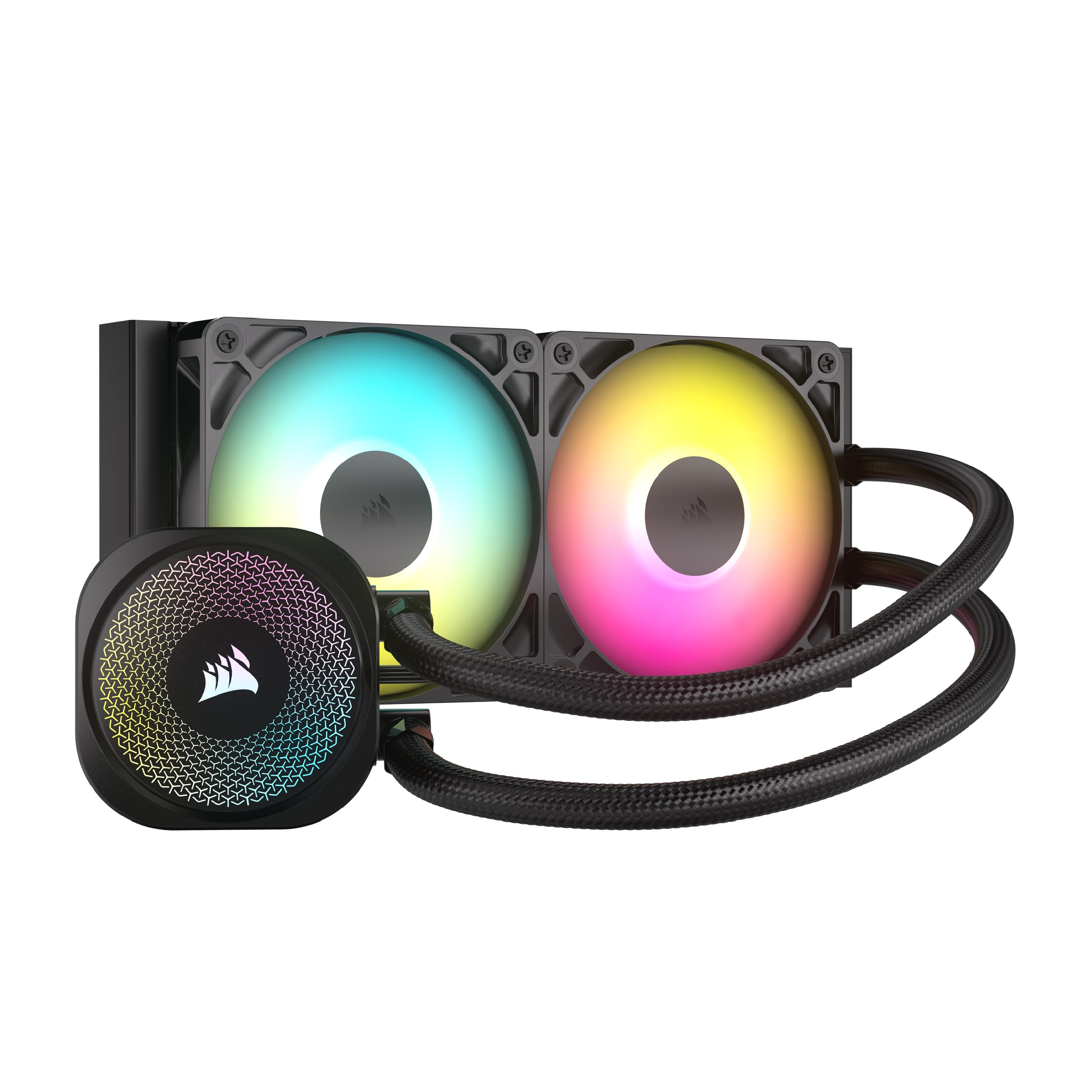
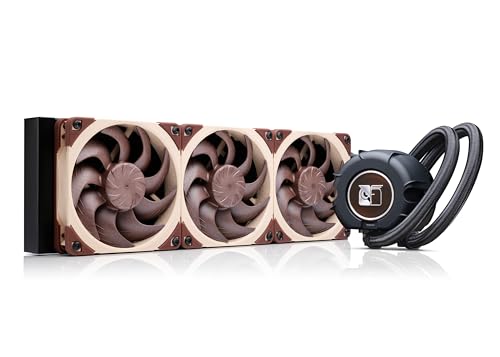
A large 360mm AIO cools a modern CPU very well, and models like the ARCTIC Liquid Freezer III Pro 360 and the Noctua NL-LC1-36 handle high power chips at moderate noise. A custom loop with the same radiator size performs similarly on the CPU alone, and the real gain appears when the loop also cools the GPU, since the radiator capacity is shared across more heat.
In other words, a custom loop is not automatically cooler than a good AIO. It becomes faster when you add radiators and cool more parts, and when you use it to run quieter fans at lower speeds.
Noise
AIO pumps are fixed parts, so you cannot swap them. Some AIOs, such as the Noctua unit, use pump noise absorbers to reduce vibration. Custom loops let you choose a pump and a reservoir, run it at a low speed and use large radiators with slow fans. A well planned custom loop can be very quiet, but a poorly planned one is louder than any AIO.
Cost and Effort
An AIO installs in about the time it takes to mount a cooler. A custom loop requires planning the layout, bending or cutting tubing, assembling fittings, filling the loop, bleeding air and checking for leaks before the first power on. Expect an afternoon the first time, and more if you add a GPU block.
The budget grows quickly: blocks, fittings, tubing, coolant, a radiator and fans each add up. A kit lowers the effort, but custom loops rarely stay at the cost of a first kit.
Maintenance and Reliability
An AIO is sealed and needs little care. Clean the dust from the radiator and fans, and plan to replace the whole unit after several years, since the pump and the coolant are not meant to be serviced. A custom loop needs periodic coolant changes, a leak check after moving the system and care when adding or swapping parts.
Leaks are rare when you assemble carefully, but the damage can be larger with a custom loop because the liquid is in more places. Always leak check the loop outside the case or with the power supply running only the pump.
Looks and Expandability
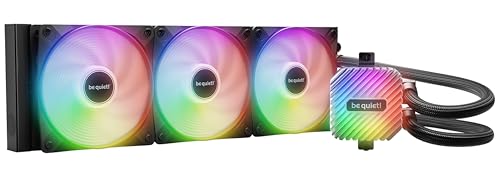
Custom loops win here. Clear tubing, colored coolant, reservoirs and blocks make a showpiece, and you can add radiators and cool new parts as you upgrade. AIOs offer RGB fans, LCD screens and clean cable routing, such as the integrated tubing cable sleeving on some ARCTIC models, but the layout is fixed.
The Alphacool Eisbaer line sits between the two options, with a CPU block and pump that you can expand with extra parts, which suits builders who want to start simple and grow later.
What a Custom Loop Actually Includes
A custom loop is built from separate parts: a CPU water block, a pump, a reservoir, one or more radiators, fans, tubing, fittings and coolant. A GPU block adds a second piece of equipment, and each graphics card model needs its own matching block. Kits bundle the first set of parts, such as the Corsair XH505i RX 360, which lists a CPU water block, a pump reservoir, three fans and a 360mm radiator.
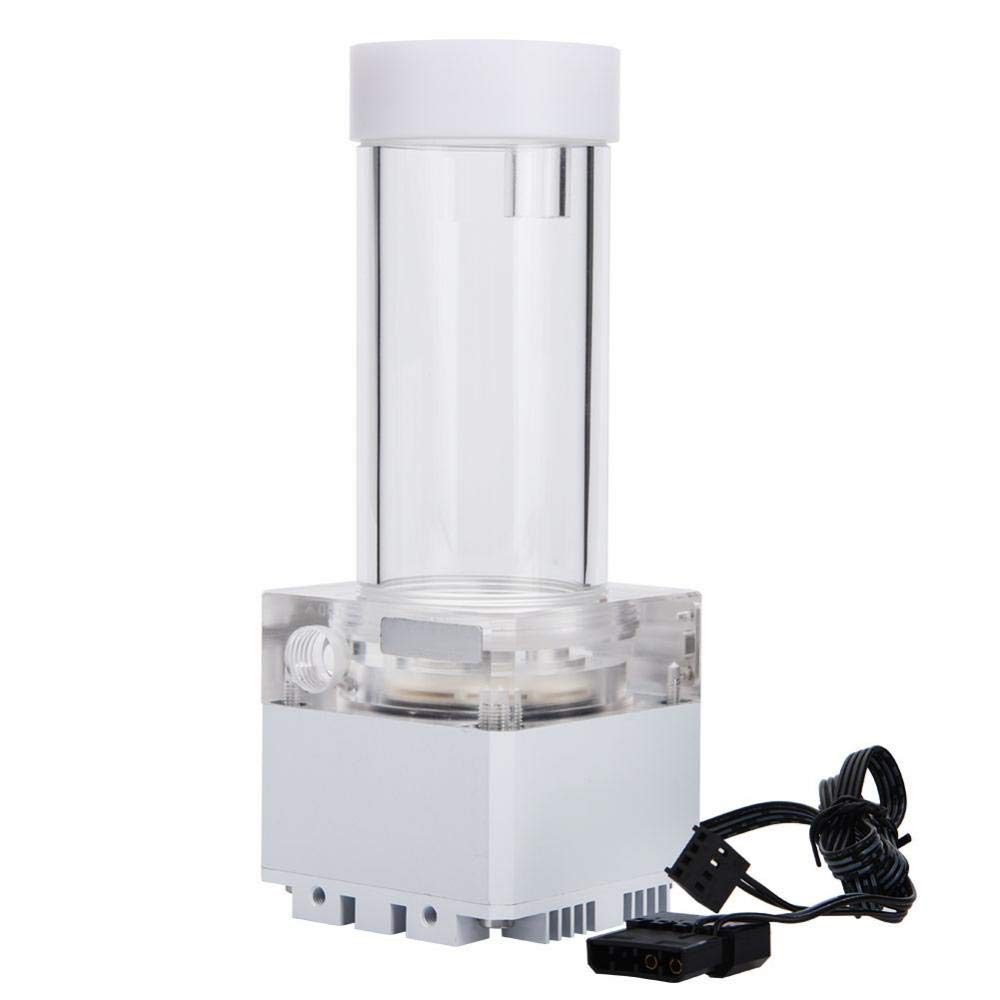
Smaller buyers also look at parts sold on their own, such as pump and reservoir combos for DIY builds, which cost far less but ask you to match the parts and fittings yourself. If you go this route, plan the full parts list before you order anything.
Planning Your First Loop
Start by measuring the case: radiator mount sizes, the space around the motherboard for tubing and the room for a reservoir. Decide whether you will cool only the CPU or also the GPU, since that changes the radiator size and the pump you need. Pick rigid or soft tubing, and buy a fill and drain port so maintenance is easier later.
Leave extra time for the first fill. Run the pump alone for several hours with the rest of the system off, watch every joint for drips and top up the reservoir before you power on the PC.
Which Should You Choose
Choose an AIO if
You want strong cooling with simple installation, a lower price and little maintenance. Read our best CPU cooler guide, including the ARCTIC Liquid Freezer III Pro 360 review, for specific models.
Choose a custom loop if
You enjoy building, want to cool the GPU too, care about looks or want to run the quietest possible high end system. If you prefer air, look at the Thermalright Peerless Assassin 120 SE review and the Phantom Spirit 120 SE review.
FAQ
Is a custom loop better than an AIO?
Not for the CPU alone. It becomes better when you cool the GPU, add radiators and prioritize noise and looks.
Is a custom loop worth the money?
For most gamers it is not. It is worth it for enthusiasts who value the build and want a very quiet, high end system.
Which needs more maintenance?
The custom loop. It needs periodic coolant changes and checks, while an AIO is sealed.
Can a beginner build a custom loop?
Yes, with a kit and patience, but a first build takes time and care.
Final Verdict
The aio vs custom loop decision comes down to effort and budget: an AIO is the simple, strong choice and a custom loop is the enthusiast's project. Browse the coolers and kits in the table above and start with an AIO if you are unsure.