
Anker SOLIX C1000 Review for 2026: Is It Worth Buying?
Disclosure: We may earn a commission when you buy through links on this page, at no extra cost to you. As an Amazon Associate I earn from qualifying purchases. Learn more

Our anker solix c1000 review explains capacity, fast charging, output limits and who should buy this mid-size power station.
Portable power stations are easy to oversell, so an Anker SOLIX C1000 review should start with the question that matters: what do you want to keep running, and for how long? The C1000 sits in the middle of the market, big enough to run a fridge for a while or a work setup through an outage, yet small enough to carry from the garage to the car.
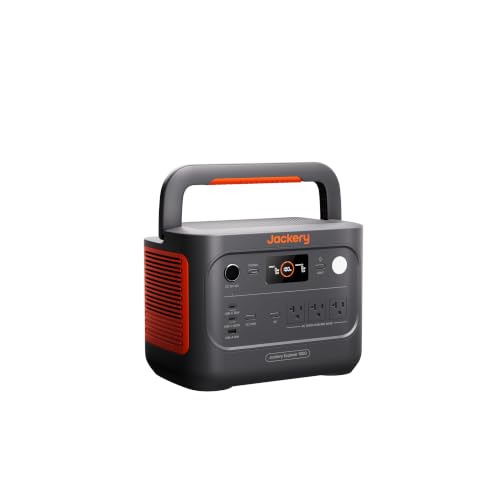
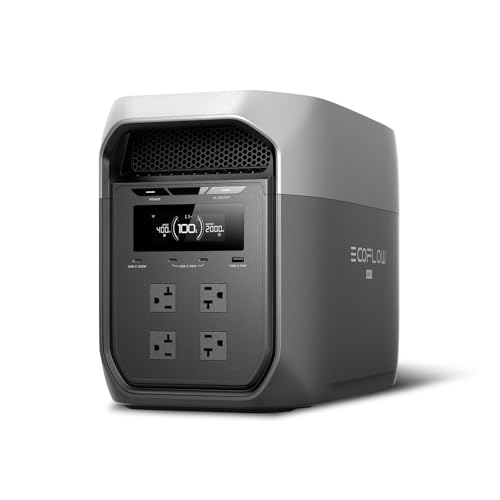
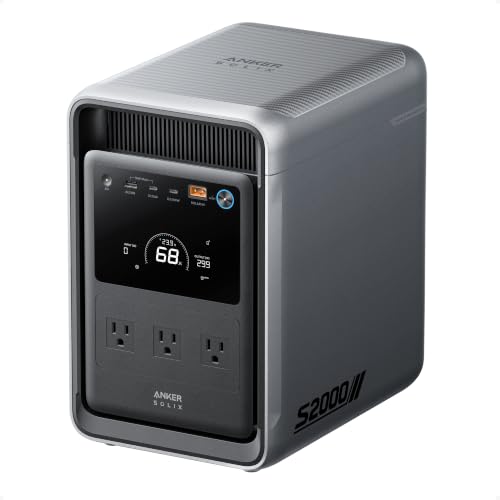
This guide covers what the C1000 is built for, how its LiFePO4 battery and fast recharging shape daily use, and where it falls short. The table above lists the C1000 beside rival stations of a similar size, so you can compare prices before you commit.
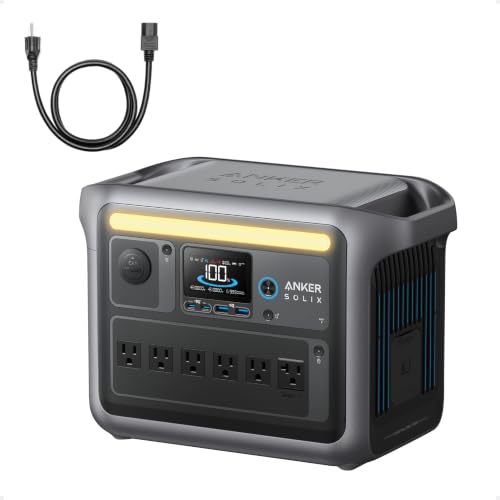
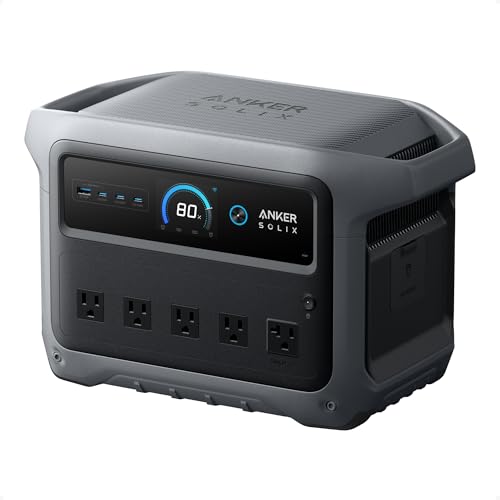

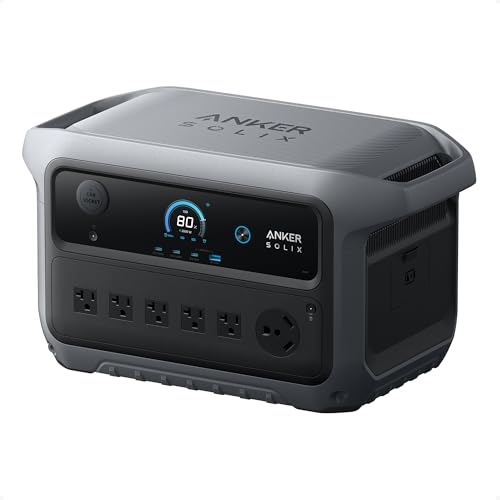


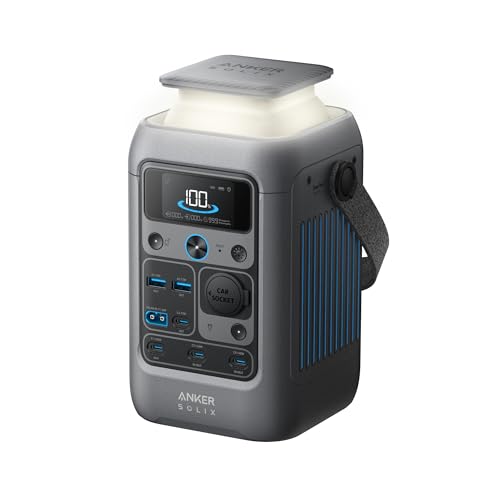
What the Anker SOLIX C1000 Is Built For
The C1000 is a mid-size battery generator aimed at home backup, camping trips, van life and job sites without mains power. Listings describe a 1,056Wh LiFePO4 battery, and the newer Gen 2 version is listed at 1,024Wh with higher output. That capacity moves it out of the phone-charger class and into running laptops, a router, lights and small appliances for hours at a time.
The main appeal is how quickly it refills. Anker advertises a full charge in under an hour from a wall outlet, which matters when the power comes back for only a short window or you are packing the van the night before a trip.
Battery Chemistry and Lifespan
LiFePO4 cells tolerate far more charge cycles than the older lithium-ion packs used in cheap power banks. In practice that means the battery should still hold most of its capacity after years of regular use, which is the main reason people pay more for a station like this.
The trade-off is weight. A station with this capacity is heavy for one hand, so plan on carrying it by the handle with a clear path, and keep it out of a trunk where it can slide.
Ports, Output and Real-World Loads
Before buying, add up the watts of the devices you plan to run at the same time. A laptop, monitor and router together draw little, while a space heater, kettle or hair dryer can trip the output limit in seconds. Treat the AC rating as a ceiling, not a target.
- Great fits: laptops, routers, CPAP-style low-draw devices (ask your doctor and the device maker about backup power), lamps, fans, phones and cameras.
- Possible fits: a mini fridge, a TV and a small blender, one at a time.
- Poor fits: electric heaters, full-size kettles and air conditioners.
Charging Options
You can fill the C1000 from a wall outlet, a car socket with the right cable, or solar panels. Solar is the slowest route and depends on weather, so treat it as a top-up rather than a plan for a long outage. The listings also sell bundles with panels, bags and expansion batteries, which can be good value if you need those extras anyway.
If you expect to want more runtime later, look at the expansion battery for this line rather than buying a larger station now. Our guide to the Anker SOLIX F3800 review covers the much larger sibling for whole-home backup.
Anker SOLIX C1000 Pros and Cons
The strengths are quick recharging, a long-life battery, a sensible mix of AC and USB ports, and an app that shows what is drawing power. Buyers also like that the unit is quiet compared with a gas generator.
The weak points are weight, a price well above generic stations, and an output ceiling that rules out heating appliances. If you only need to charge phones on a weekend trip, this is more station than you need.
How It Compares With Other Stations
Rivals from EcoFlow, Jackery and Bluetti target the same buyer. When you compare them, put capacity, AC output, recharge time and warranty side by side, then check what ships in the box. Our guide to the EcoFlow Delta 3 Plus review is a useful next read, and the broader best portable power station page lists more options.
Safety and Care
Keep the station in a ventilated, dry spot and never run it inside a sealed car or tent with fuel-burning gear nearby. Follow the manufacturer's instructions for charging temperature and storage, and top it up now and then if it sits for months. For medical or other critical devices, ask your doctor and the device maker what backup power is suitable before relying on any battery.
Who Should Buy It
Buy it if you want a dependable mid-size backup for a home office or fridge, or a camping and van battery that refills fast. Skip it if you want to run heaters, or if a smaller and cheaper station would cover your needs.
Using It at Home and on the Road
In a house, the C1000 works best as a quiet outage companion kept near the loads that matter most. Park it by the desk or beside the fridge, keep it charged, and run only the essentials through it. Because it makes no exhaust, you can use it indoors where a gas generator would be dangerous, as long as the manual's ventilation advice is followed.
On the road it behaves like a second battery. Van and truck owners use it for lights, a fan, a laptop and a small fridge, then recharge from the car or a wall outlet when they stop. Camp cooks sometimes add an induction hob, but that pushes the output hard, so check the wattage first.
Buying Tips Before You Order
Match the bundle to your plan. If you already own panels, the base unit saves money. If you want a weather-proof carry bag, solar panel or the expansion battery, compare the bundle price against buying parts one at a time, because the gap can be large.
Read the warranty length on the listing, check that the seller is the one named on the product page, and keep the box for a while after delivery. A station this size is worth registering with the maker so firmware updates and support are easy to claim.
FAQs
How long will the C1000 run my devices?
Divide the battery capacity by the combined wattage of what you plug in, then allow for conversion losses. A laptop and router can last most of a day, while a mini fridge cycles on and off and lasts several hours.
Can it run while it is charging?
Many stations support pass-through use, but heavy loads while charging can slow the refill and warm the unit. Check the manual and the current listing before you depend on it as a small UPS.
Is the Gen 2 worth paying extra for?
If the price gap is small, the newer model usually offers higher output and faster charging. If you find the first model well below the Gen 2 price and your loads are modest, it can still be the better value.
Can I take it on a plane?
Large batteries are generally restricted on flights, so check the airline's rules before travelling. Road trips are the safer plan.
Final Verdict
The Anker SOLIX C1000 review verdict is simple: it is a strong all-round pick for people who want serious backup power that charges fast and lasts for years, provided your loads stay below its output limit. Compare it with the other stations in the product table, weigh the bundle extras, and choose the version that matches how you will actually use it. If anything in this anker solix c1000 review still leaves you unsure, the return window is your safety net.
Prices and availability can change, so check the product page before ordering.


