Best Disposable Cameras: Reviews and Buying Guide
Disclosure: We may earn a commission when you buy through links on this page, at no extra cost to you. As an Amazon Associate I earn from qualifying purchases. Learn more

How to choose a disposable camera for parties, weddings, travel and the beach, with three picks, waterproof options and developing tips.
Disposable cameras are back, loved for their nostalgic film look, the surprise of waiting for prints and the way they let guests capture candid moments at weddings and parties without phones in the way. But not all single use cameras are equal; film speed, flash range, waterproofing and exposure count all affect your results. This guide to the best disposable cameras explains what to look for and highlights picks for every occasion.
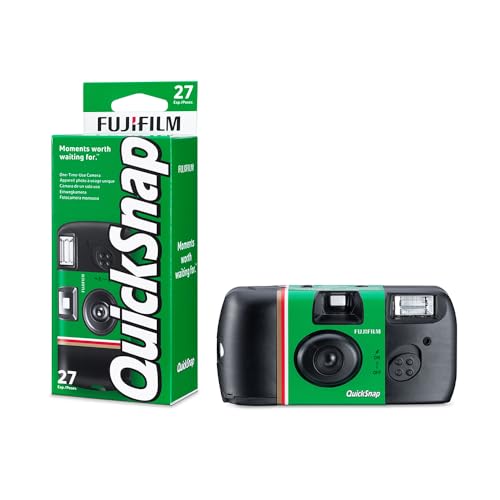
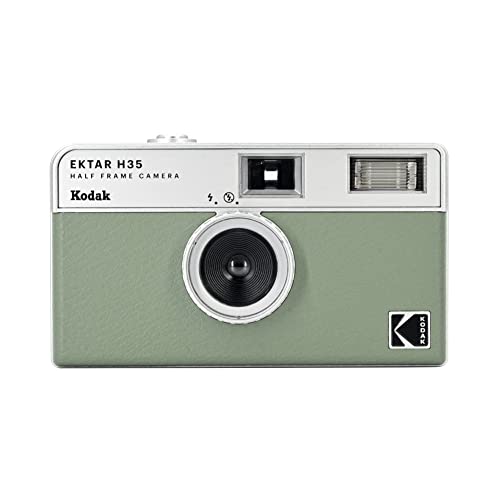
The short answer: most people should buy a 35mm disposable camera with ISO 400 or 800 film, a built in flash and 27 exposures, such as the Fujifilm QuickSnap Flash 400 around $20, which suits parties, travel and everyday snapshots; beach and pool lovers should choose a waterproof model like the Kodak Sport Underwater, rated to 50 feet, while film fans who shoot often can save money long term with a reusable half frame camera like the Kodak EKTAR H35 around $50.




Our Top 3 Picks at a Glance
These three cameras come from the product table above and cover the most common needs.


Best Overall
The Fujifilm QuickSnap Flash 400, around $20, is for anyone who wants an easy, reliable disposable camera for parties, trips and everyday moments. Its first strength is versatile ISO 400 film with 27 exposures, which handles daylight and indoor scenes with flash. Its second strength is a built in flash with about a 10 foot range and a continuous flash switch, so you do not need to press a button before every indoor shot.
The limitation is the fixed focus lens, which struggles with subjects closer than about 3 to 4 feet.
Best Value
The Kodak FunSaver, around $23, suits event hosts and first time film shooters who want a classic disposable camera. Its first strength is Kodak's familiar color film look, with 27 exposures and a built in flash. Its second strength is availability in single cameras and multi packs, making it easy to place one on every wedding or party table.
The limitation is image quality in dim light without flash, which can look grainy or underexposed.
Best Upgrade Pick
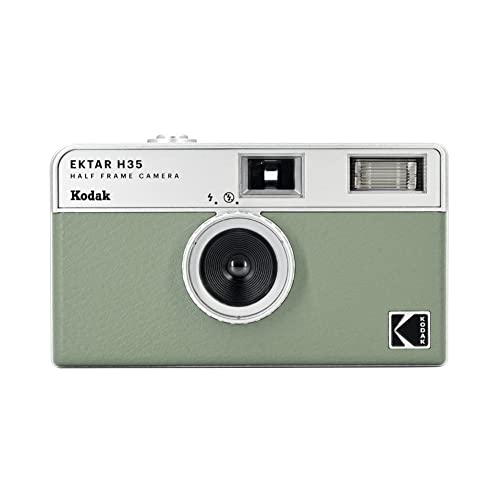
The Kodak EKTAR H35, around $50, is for people who love the disposable experience but want to save money and reduce waste. Its first strength is a half frame format that doubles your shots, so a 36 exposure roll yields about 72 photos. Its second strength is reusability: it is lightweight, focus free and has a built in flash, so it works just like a disposable while accepting any 35mm film.
The limitation is that film and a AAA battery are not included, and half frame images are smaller, which shows in large prints.
How to Choose the Best Disposable Cameras: Buying Guide
Film Speed and Image Quality
Disposable cameras use film instead of a sensor, and film speed, or ISO, matters most. ISO 400 film, used by the Fujifilm QuickSnap Flash and Kodak FunSaver, balances sharpness and light sensitivity for most situations. ISO 800 film, found in many waterproof models like the Fujifilm QuickSnap 800 Waterproof and Kodak Sport, works better in cloudy weather and shade but shows more grain. The lens is a simple fixed focus plastic design, so expect a soft, nostalgic look rather than razor sharp detail.
Size, Weight, and Ergonomics
Most disposables weigh only a few ounces and fit in a pocket or small bag. Larger shutter buttons, wrist straps and easy winding wheels help guests and kids use them easily. Rugged waterproof models are bulkier because of their shells. Reusable cameras like the EKTAR H35 are similarly pocketable but slightly heavier.
Durability and Water Resistance
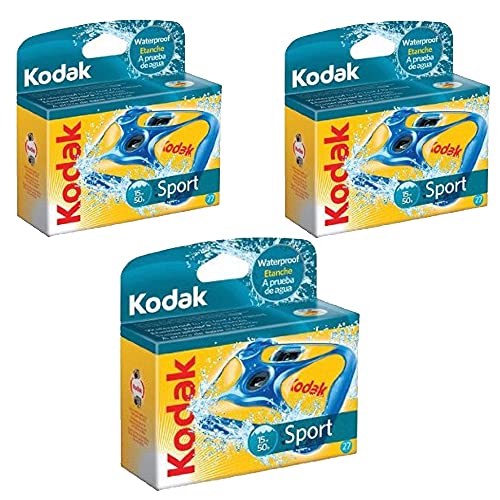
Standard disposables are not weatherproof, so protect them from rain and sand. Waterproof disposables have sealed housings rated for depth: the Fujifilm QuickSnap 800 Waterproof is rated to about 17 feet, while the Kodak Sport Underwater is rated to about 50 feet and adds a shockproof rubber shell and scratch resistant lens. Choose waterproof models for snorkeling, kayaking and pool parties.
Flash and Low Light Performance
A built in flash is essential for indoor events and evening shots. Most flashes reach about 10 feet, so stay close to your subject. Continuous flash switches keep the flash charged automatically. Waterproof models usually have no flash and are meant for daylight use only. For dim venues, pair ISO 400 or 800 film with flash and avoid shooting distant subjects.
Exposure Count and Value
Most disposables include 27 exposures. Multi packs, like the Fujifilm QuickSnap 3 pack, lower the cost per camera for weddings and parties. Remember to add developing and scanning costs, often $10 to $20 per roll. Reusable cameras cost more upfront but save money if you shoot several rolls a year.
Focus and Shooting Range
Disposable cameras use fixed focus lenses designed to keep subjects sharp from about 3 to 4 feet to infinity. They cannot focus closer, so step back for portraits and avoid extreme close ups. Shoot in good light and hold the camera steady when pressing the shutter.
Types of Disposable Cameras
Standard Flash Disposables
Standard models like the Fujifilm QuickSnap Flash 400 and Kodak FunSaver are the classic choice for parties, weddings and travel. They are cheap, easy and fun, but limited in low light without flash.
Waterproof Disposables
Waterproof models like the Fujifilm QuickSnap 800 Waterproof and Kodak Sport Underwater handle beaches, pools and snorkeling. They lack flash and work best in bright daylight.
Reusable Film and Screenless Digital Cameras
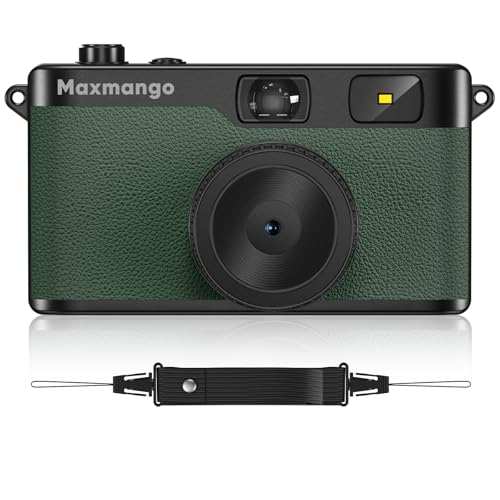
Reusable film cameras like the Kodak EKTAR H35 offer the disposable experience with less waste. Screenless digital cameras like the Maxmango D53 mimic the no preview feel with instant digital files. Instant cameras like the Polaroid Go Generation 2 print photos on the spot.
Picking the Right Disposable Cameras for Different Uses
Best Disposable Cameras for Photography
The best disposable cameras for photography enthusiasts deliver the most film character and control. Choose ISO 400 color film for balanced results, shoot in bright light for sharper images and consider a reusable camera like the Kodak EKTAR H35 so you can experiment with different film stocks, including black and white. Ask your lab for high resolution scans.
Best Waterproof Disposable Cameras
The best waterproof disposable cameras combine a sealed housing with fast film. Check the depth rating, choosing around 50 feet for snorkeling like the Kodak Sport Underwater, and look for ISO 800 film to handle reduced underwater light. Shoot near the surface on sunny days for the brightest colors.
Disposable Cameras for Weddings and Parties
For events, buy multi packs and place one camera per table. Choose flash models, attach a note asking guests to stay within 10 feet of subjects and collect cameras at the end of the night. Developing all rolls together often earns lab discounts.
Disposable vs Reusable vs Instant Cameras
Disposable cameras are the cheapest way to start, with no setup and no film loading, but you pay for a new camera every 27 shots. Reusable film cameras like the Kodak EKTAR H35 cost more upfront, around $50, yet save money after a few rolls and let you choose film stocks, including black and white. Instant cameras like the Polaroid Go Generation 2 print photos in minutes, which guests love at parties, but each instant photo costs more than a film print.
Screenless digital cameras like the Maxmango D53 offer the no preview fun of a disposable with free, instant digital files on an 8GB card. They lack the true film look but suit people who want nostalgia without developing costs. Choose disposables for events, reusables for hobby shooting, instant cameras for instant prints and screenless digital for budget friendly fun.
Common Mistakes With Disposable Cameras
- Shooting indoors without flash: photos come out dark and blurry; always enable the flash indoors.
- Standing too far away: the flash reaches about 10 feet, so distant subjects disappear into darkness.
- Getting too close: subjects nearer than about 3 to 4 feet will be out of focus.
- Covering the lens or flash: fingers often block part of the frame on small cameras.
- Using expired film: check the date on the box, since old film shifts colors.
Tips to Get the Most From Your Disposable Camera
- Use a lens cloth, not your shirt: fingerprints on the tiny lens blur every shot.
- Charge the flash early: turn on the flash a few seconds before shooting indoors.
- Store in a dry, cool bag: heat and humidity damage film before and after shooting.
- Shoot in good light: sunlight or flash within 10 feet gives the best results.
- Keep subjects at least 4 feet away: fixed focus lenses blur close subjects.
- Develop promptly: process film within a few months for the best colors.
Getting Better Scans and Prints
Ask your lab for high resolution scans if you plan to share or print photos larger than 4 by 6 inches. Request that the lab return your negatives, since you can rescan or reprint favorites later. Many labs let you choose matte or glossy prints and offer online galleries for easy sharing with friends and wedding guests.
Frequently Asked Questions
Is a smartphone enough instead?
Is a smartphone enough instead? A smartphone takes sharper photos, but disposable cameras offer a distinct film look and encourage people to be present instead of checking screens. At events, disposables also let guests capture candid moments you might never see otherwise. Many people use both.
Where can I develop disposable cameras?
Where can I develop disposable cameras? You can develop disposable cameras at many pharmacies, big box photo centers and mail in film labs. Prices usually range from about $10 to $20 per roll, including digital scans. Mail in labs often provide higher quality scans and options for prints.
How long does film in a disposable camera last?
How long does film in a disposable camera last? Unused disposable cameras typically last until the expiration date printed on the box, often two to three years. After shooting, develop film within a few months for the best colors. Heat speeds up film aging, so avoid leaving cameras in hot cars.
Are disposable cameras recyclable?
Are disposable cameras recyclable? Yes, many labs return disposable camera bodies to manufacturers for recycling and reuse of parts. If waste concerns you, a reusable film camera like the Kodak EKTAR H35 delivers the same experience with far less plastic.
How much should I spend?
How much should I spend? A single disposable camera costs around $20 to $25, waterproof models around $20 to $35 each in packs and reusable film cameras around $35 to $60. Budget another $10 to $20 per roll for developing and scans.
Final Thoughts
Choosing a disposable camera comes down to three things: the right film speed for your lighting, a flash for indoor shots or waterproofing for water days and the total cost including developing. The Fujifilm QuickSnap Flash 400 is the best all rounder, the Kodak FunSaver offers classic value and the Kodak EKTAR H35 is a smart reusable upgrade. Compare the best disposable cameras in the product table above to capture your next adventure on film.