Best 3 Inch Chlorine Tablets for 2026: Pack Sizes, Stabilizer and Feeders
Disclosure: We may earn a commission when you buy through links on this page, at no extra cost to you. As an Amazon Associate I earn from qualifying purchases. Learn more

The best 3 inch chlorine tablets for pool feeders and floaters: how trichlor pucks work, how to compare pack sizes and price per pound, and how to store them.
Three inch chlorine tablets, often called pucks, are the standard slow-dissolving sanitizer for residential pools. They sit in a floating dispenser, an inline feeder or a skimmer basket and release chlorine over several days. The best 3 inch chlorine tablets look alike on the shelf, so the real differences are the pack size, the price per pound, the strength listed and the quality of the packaging.
This guide explains what the tablets are, how to compare packs fairly, how to use them with a feeder or floater and how to store them. The product table shows common sizes from small tubs to bulk buckets.


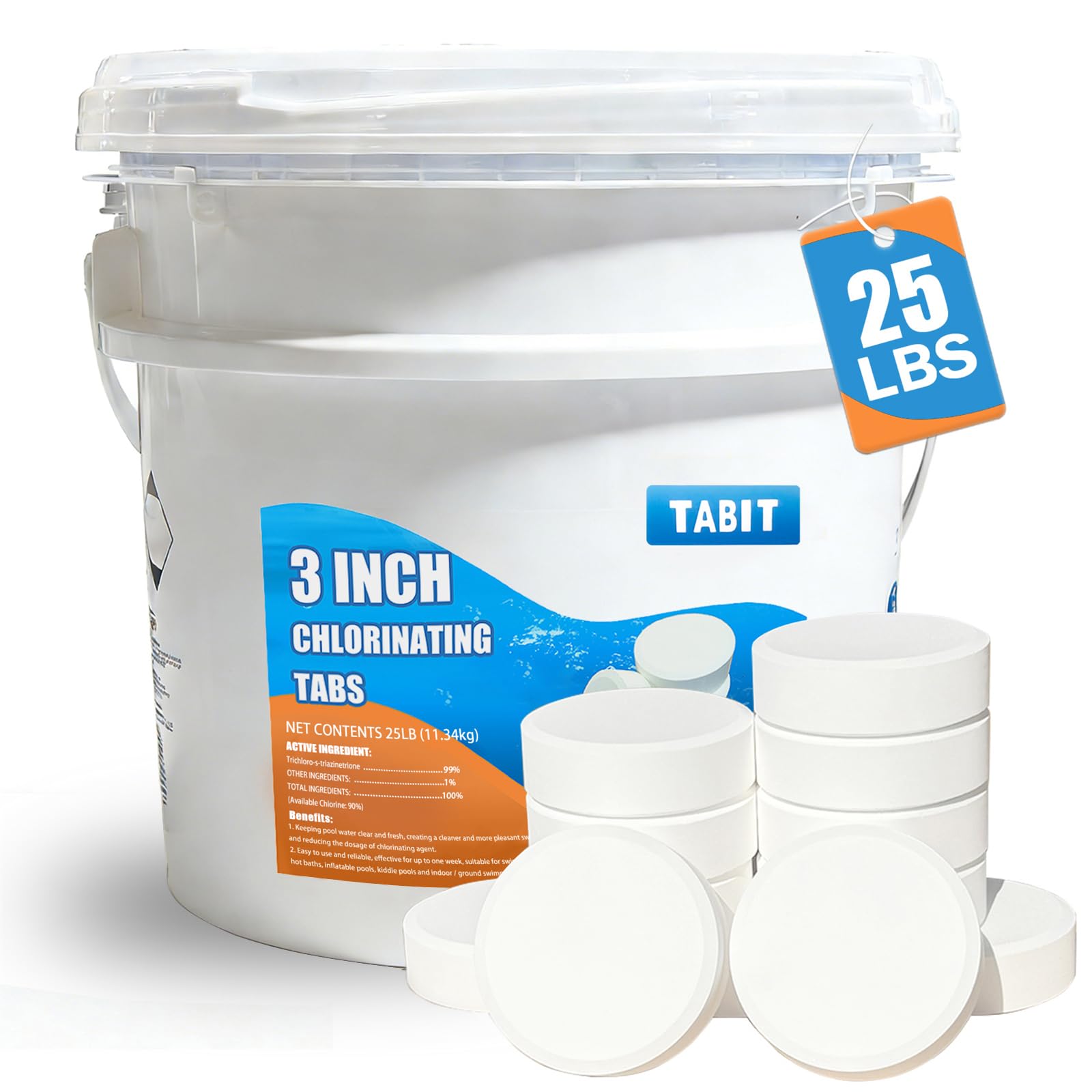
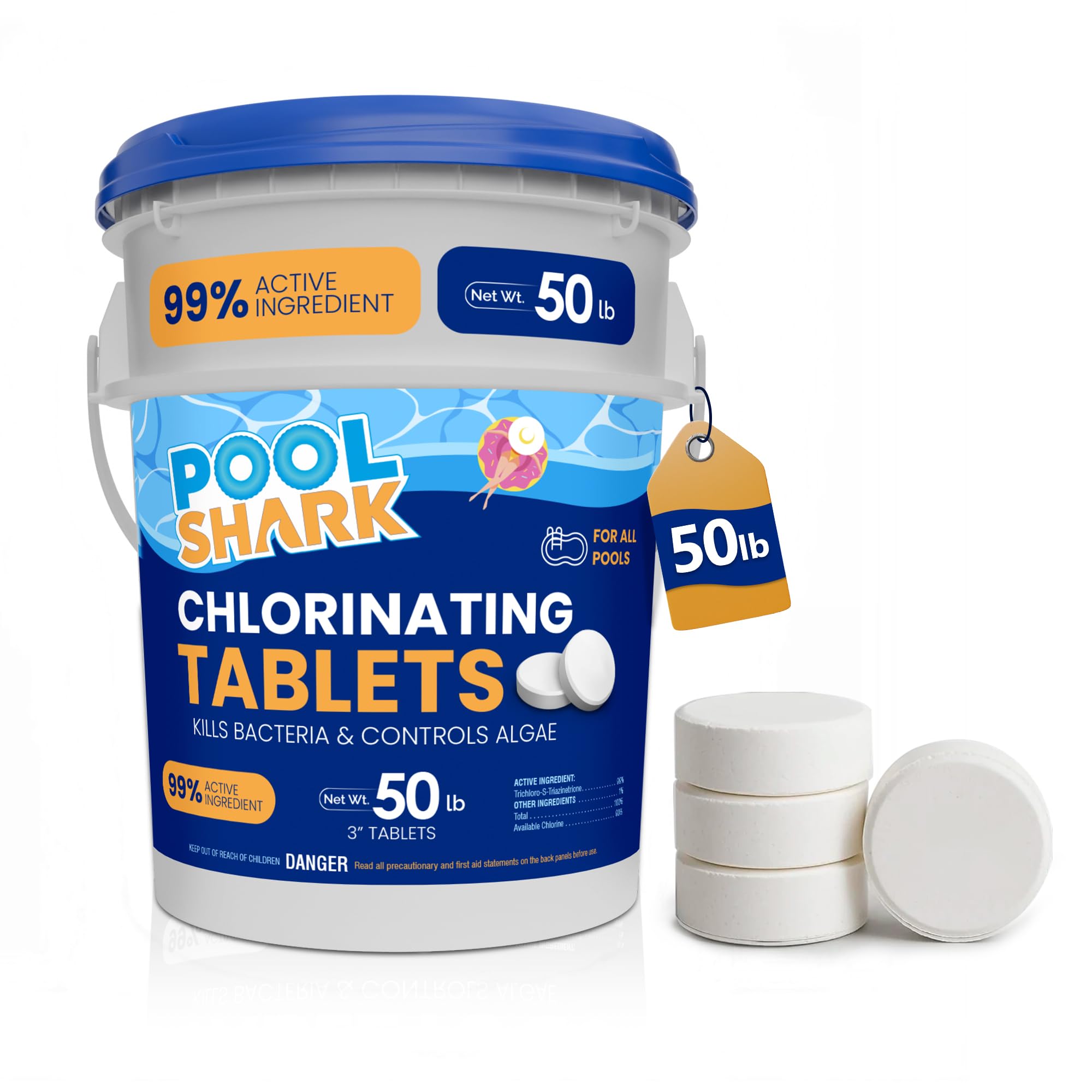
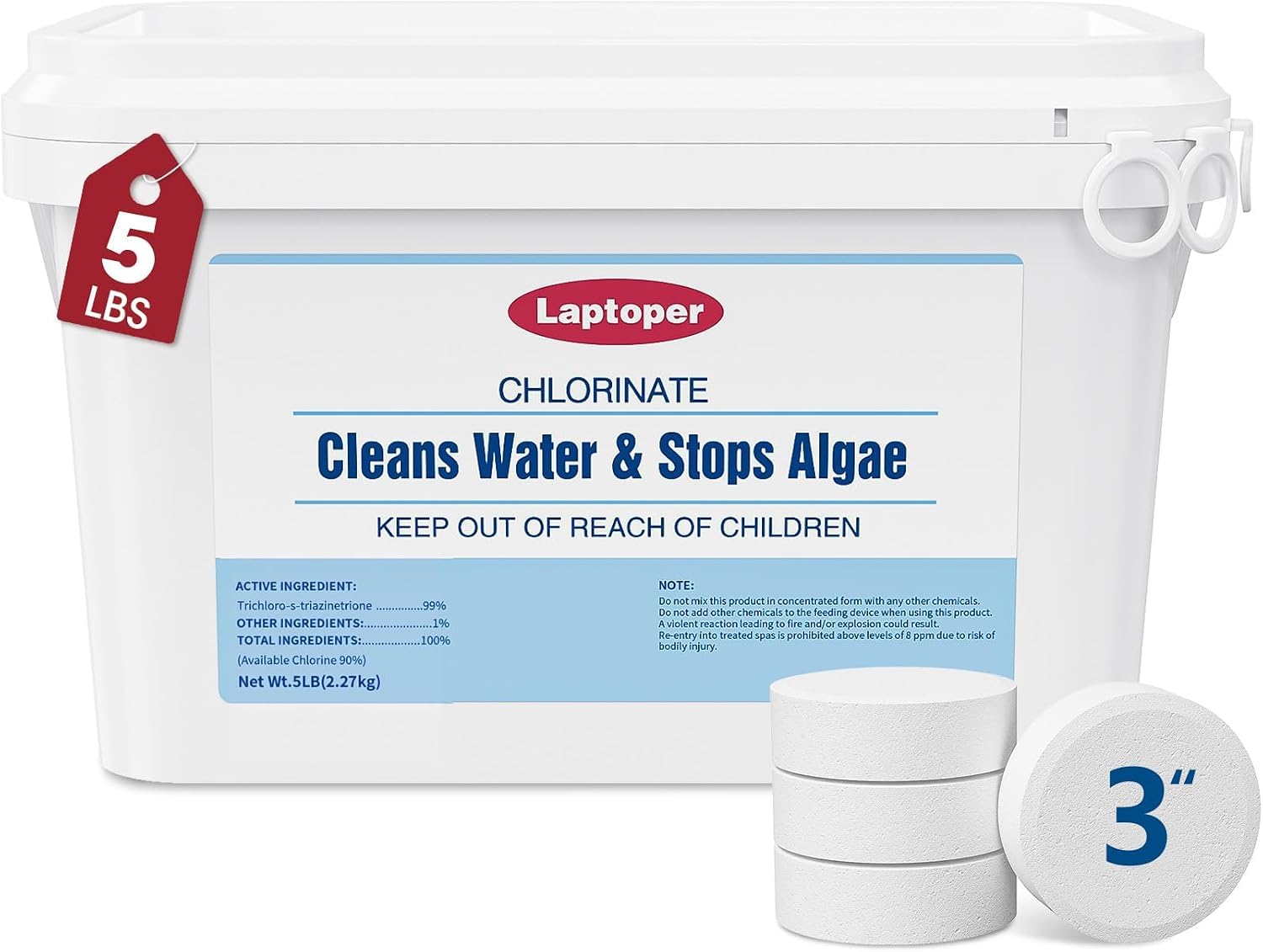
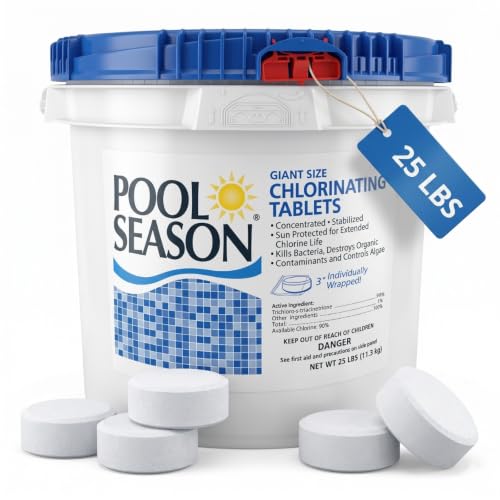
What a 3 inch tablet is
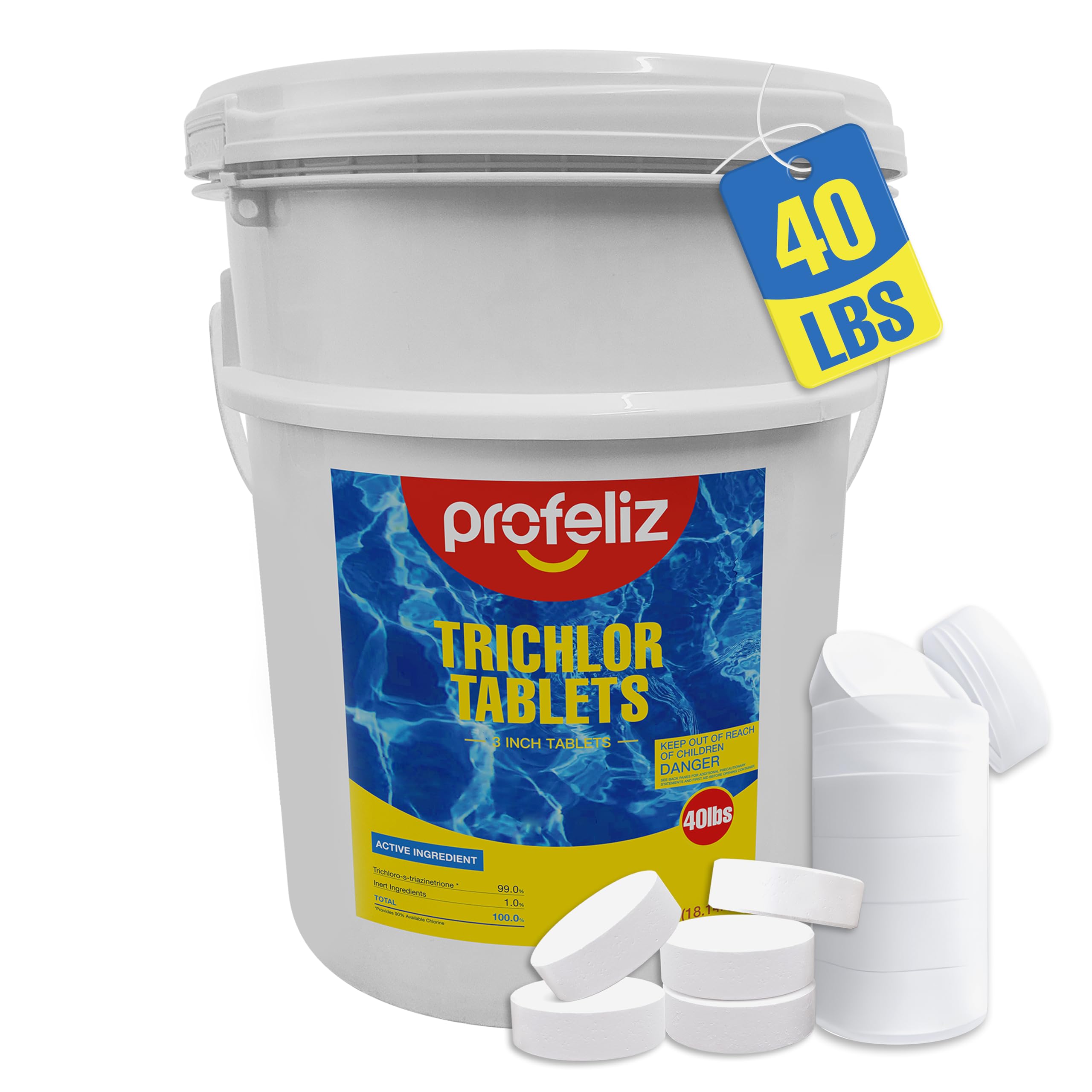
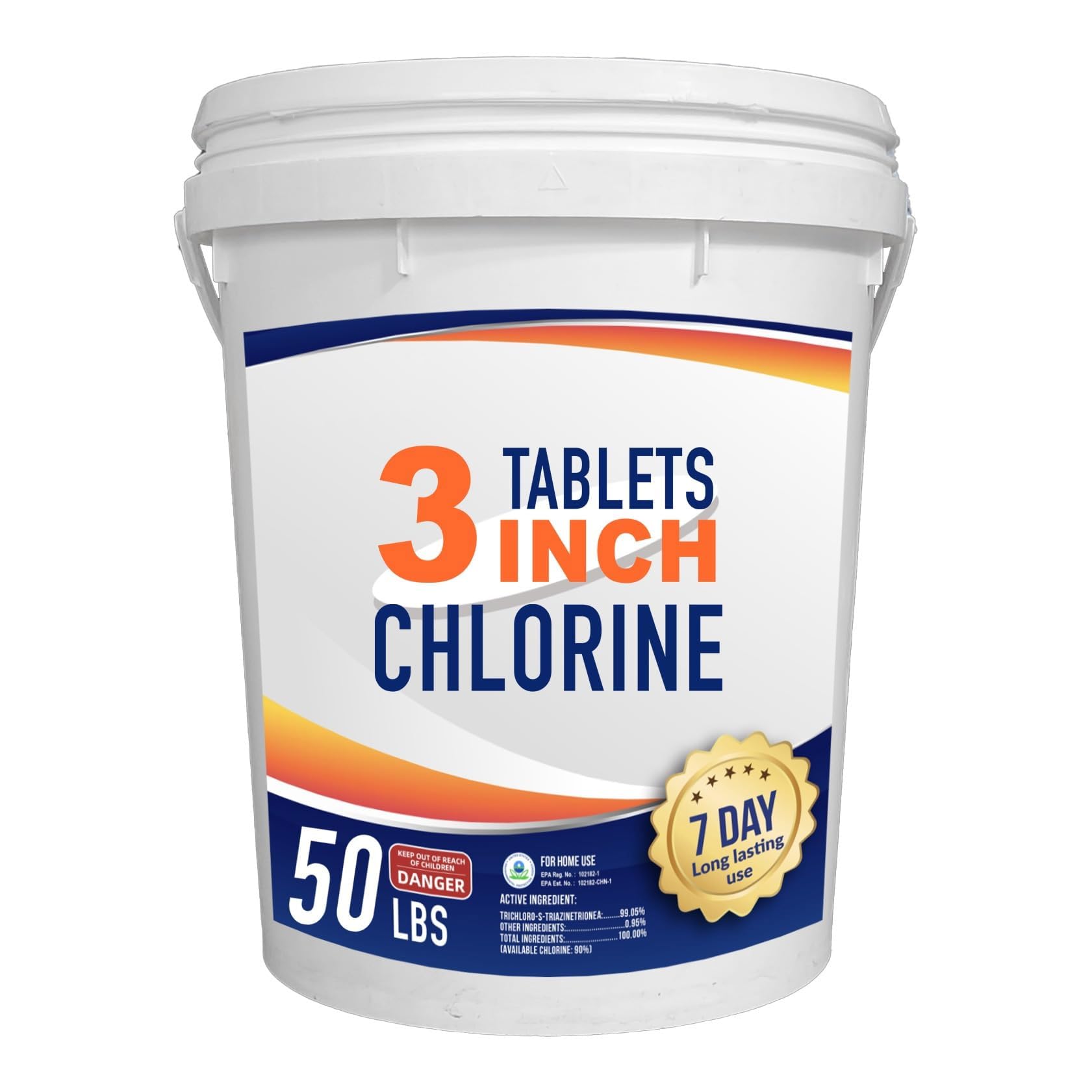
Most 3 inch tablets are trichlor, a stabilized form of chlorine with a high available chlorine percentage. Stabilized means the product includes cyanuric acid, which helps protect chlorine from sunlight. The tablets dissolve slowly, so they give a steady supply over days rather than a quick burst, which is what makes them handy for weekly pool care.
The labels usually describe the available chlorine, the weight of the tablets and the recommended use. Read the label carefully and follow the maker's directions for your pool size and feeder type, since the right amount depends on volume, sun, bather load and temperature.
How to compare the best 3 inch chlorine tablets
Price per pound
Divide the price by the pounds in the pack. Large buckets cost less per pound but need more storage space and a larger upfront spend. A small tub suits a hot tub, a small above-ground pool or someone who wants to try a brand. A mid-size bucket fits most families.
Available chlorine
Many tablets list the same high strength. If a product lists a lower percentage, it may include fillers. Compare the strength, not just the headline weight.
Tablet size and weight
The 3 inch size matches most feeders and floaters, but check the dispenser's diameter. One inch tablets are smaller and suit skimmers and small floaters, while 3 inch tablets fill standard units. See our 1 inch tablet guide for the smaller option.
Packaging and wrapping
Individually wrapped tablets are cleaner to handle and keep moisture out, but they cost more. Unwrapped tablets in a sealed bucket are cheaper and common. Check that the lid seals tightly, and read buyer comments on broken tablets or powder at the bottom.
Feeders, floaters and skimmers
- Floating dispenser: the cheapest and simplest, with an adjustable vent that sets the release rate
- Inline feeder: plumbed into the return line, which gives steady control and keeps tablets out of sight
- Offline feeder: similar to inline but tucked beside the equipment, often easier to refill
- Skimmer basket: it works in a pinch, but concentrated chlorine near the skimmer can be harsh on fittings and surfaces
Avoid dropping tablets directly on a pool floor or steps, because the concentrated product can bleach vinyl and stain plaster. Use a feeder or floater as the label advises.
Keeping water balanced
Stabilized tablets add cyanuric acid over time. If the level climbs too high, chlorine becomes less effective, and the only fix is to drain and refill part of the water. Use test strips or a drop kit every week or two to check free chlorine, pH and stabilizer. Trichlor is also acidic, so it tends to lower pH and alkalinity, which you may need to adjust.
In summer, many owners switch part of the routine to liquid chlorine or granular shock to keep stabilizer in check. If your water shows high stabilizer, reduce tablet use and ask a pool store for advice.
Storage and handling
Treat pool chemicals with respect. Always follow the manufacturer's instructions on the label and on the product page.
- Keep tablets in the original, tightly closed container
- Store in a cool, dry, shaded and well ventilated place away from direct sun
- Keep chlorine away from other chemicals, fuels and acids, and never mix products
- Keep the container out of reach of children and pets
- Wash your hands after handling, and use clean dry tools to scoop
Seasonal use and winter care
Pool owners in warm climates may run tablets all year, while others open and close the pool each season. When the pool is closing, take the tablets out of the feeder and floater, store them properly and follow the pool's winterizing steps. Tablets left in a dispenser during cold months can sit in a small volume of water and create very strong chlorine near the dispenser. If you open the pool in spring, start with a clean, balanced pool before adding tablets, since stabilized chlorine works best on water that is already in range.
Heavy rain, a party or a heat wave all change chlorine demand. Many owners keep a small bottle of liquid chlorine or a bag of shock for those days and use tablets for the steady baseline. Following the label and checking the numbers regularly keeps the pool clear without wasting product.
Problems to avoid
- Stacking too many tablets in a floater on a small pool
- Leaving a floater to sit in one corner, which can stain a liner nearby
- Letting the stabilizer level climb for years without checking
- Buying a huge pack that sits in a hot garage and loses strength
- Using unlabeled or mystery containers and guessing the contents
A little routine checking prevents most of these problems. Write the date of purchase on the bucket, and keep your test strip readings in a note on your phone so that you can see trends over the season.
Choosing a pack size
Think about how many pounds you use in a season. A typical backyard pool may use only a few tablets a week in summer, so a large bucket can last the whole season and often the next. Fresh tablets perform best, so avoid buying more than you will use in about a year. If your storage space is limited or you only need a trial, a small tub is the better choice.
FAQ
How many tablets does my pool need?
It depends on volume, weather and use, so follow the label and adjust with test strips. Our guide to chlorine tablets for pools gives more background.
Can I use 3 inch tablets in a hot tub?
Most tablets are meant for pools. Hot tubs use small amounts and different products, so read the label.
Why does my water turn cloudy?
Common causes are low chlorine, high pH or poor filtration. Check the numbers with test strips and run the filter longer.
Do tablets expire?
They lose strength over time, mostly when moisture gets in. Keep them sealed and buy fresh stock.
Final thoughts
The best 3 inch chlorine tablets are the ones you can buy in the right pack size, at a fair price per pound, in packaging that keeps moisture out. Use a proper feeder or floater, check the water regularly and store the tablets safely. Compare the pack sizes in the product table.
Prices and availability can change, so check the product page before ordering.