Best 16 MP Cameras in 2026: What Megapixels Mean
Disclosure: We may earn a commission when you buy through links on this page, at no extra cost to you. As an Amazon Associate I earn from qualifying purchases. Learn more

What 16 MP really delivers and how to pick the best 16 MP cameras by sensor size, zoom range, video and ease of use.
Sixteen megapixels is plenty for sharing photos online, making prints and cropping a little after the fact. What matters more than the number is the sensor size, the lens and the camera's processing, which is why two 16 MP cameras can produce very different images. This guide shows how to look past the megapixel count and find the best 16 MP cameras for your use.
The product table lists cameras in several styles, from rugged pocket models to superzooms and interchangeable lens bodies. Use the sections below to decide which style fits you.



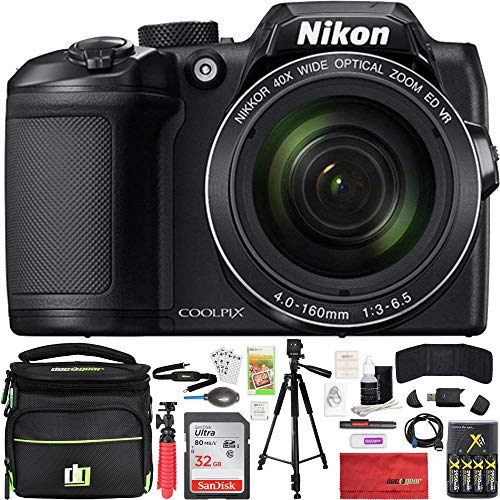

What 16 Megapixels Gives You
A 16 MP image is about 4600 by 3500 pixels, which prints well at a large size and fills a modern screen with detail. It also leaves room for moderate cropping. Higher megapixel counts help only if you print very large or crop heavily, and they can hurt low light performance on small sensors because each pixel is smaller.
For most buyers, sensor size and lens quality have a bigger effect than megapixels. Smaller sensors in compact cameras are fine in daylight but get noisy in dim rooms. Larger sensors give cleaner images and more depth of field control, at the cost of a bigger camera. Think about where you shoot most: bright outdoor scenes or dim indoor events.
Types of 16 MP Cameras
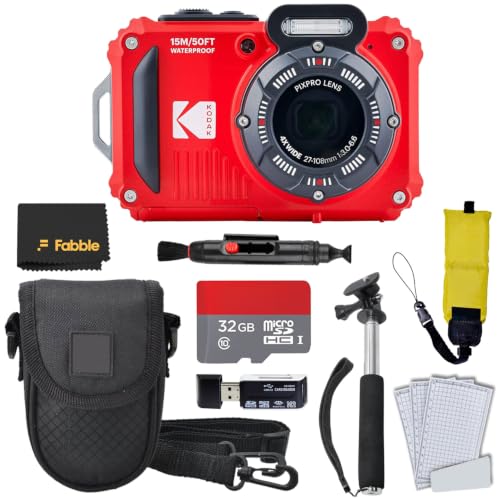
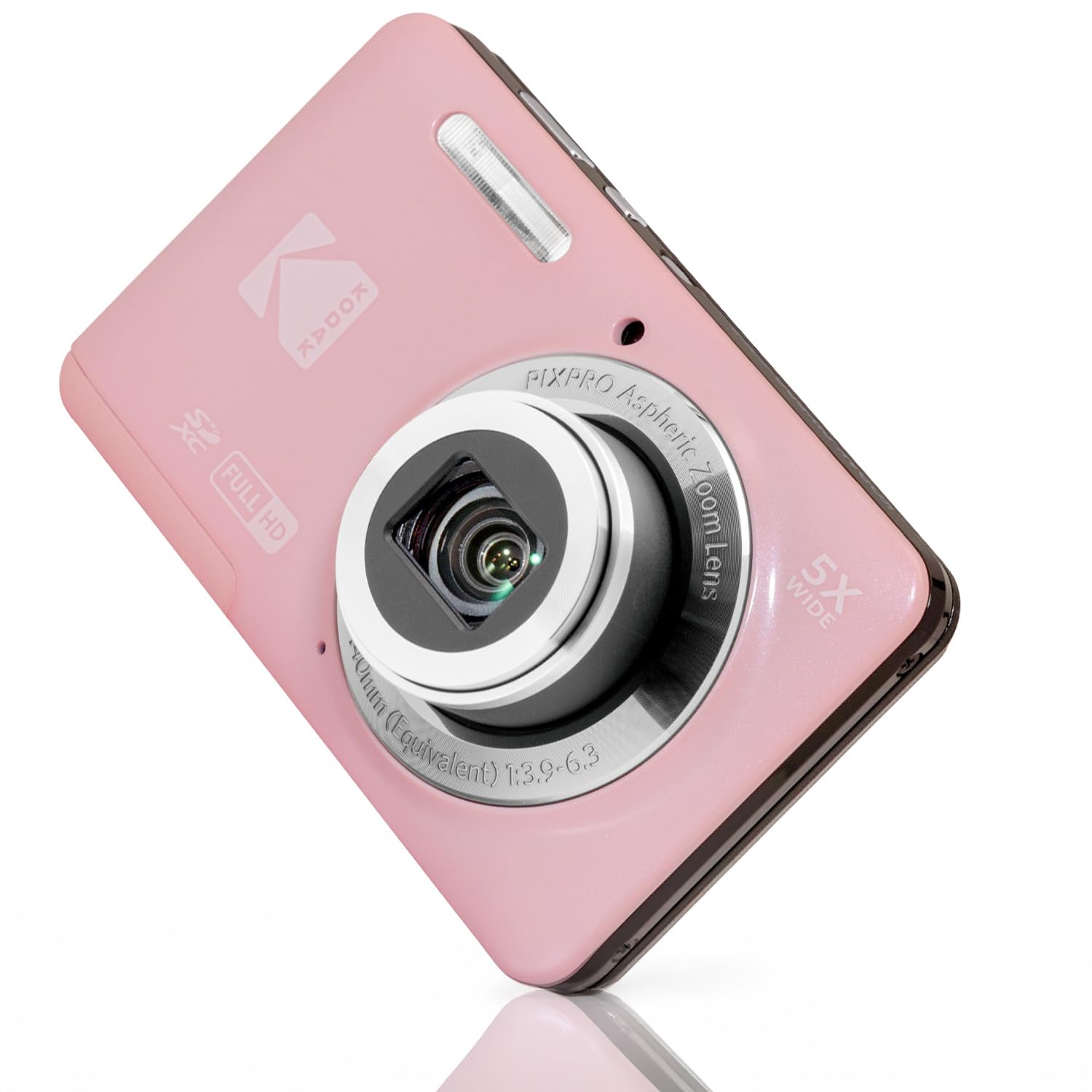
Point and shoot compacts are the easiest to use. They have a built in zoom lens, fit in a pocket and offer automatic modes. They suit family photos, travel snapshots and beginners. Rugged waterproof models handle sand, water and drops, and are good for beaches and kids.
Superzoom cameras pack a very long lens into a compact body, which is useful for wildlife, sports and travel. Mirrorless and similar interchangeable lens cameras give the best image quality and flexibility, and some use a 16 MP sensor. Choose the type that fits how you plan to shoot and how much gear you want to carry. See our guides to the best starter cameras and best digital cameras for wider comparisons.
Zoom, Stabilization and Autofocus
If you shoot distant subjects, check the optical zoom range. Optical zoom uses the lens and keeps quality, while digital zoom just crops the image. Image stabilization reduces blur from shaky hands, and it is especially useful at long zoom or in low light.
Autofocus speed and accuracy matter for kids, pets and sports. Look for face detection and tracking. A fast shutter and burst mode help capture action. Reading user comments about focus in low light gives a good sense of real performance.
Video and Connectivity
Most 16 MP cameras shoot full HD video, and many shoot 4K. Check frame rates and stabilization for video. A microphone input is useful if you record interviews or vlogs. Wi-Fi and Bluetooth let you transfer photos to your phone, which makes sharing simple, and remote control apps help for group shots.
Battery life varies. Compact cameras often have small batteries, so a spare is a good idea. Look for charging via USB, which lets you use a power bank when traveling.
Handling and Everyday Use
A camera you carry gets more use than one you leave at home. Check size and weight, grip comfort and button layout. A tilting or flip screen helps with selfies and low angles. A viewfinder helps in bright sun when a screen is hard to see.
Consider accessories: a memory card, a case, a tripod and a spare battery. If you want to learn photography, choose a model with manual controls so you can grow. If you want simple snapshots, an automatic compact is a better fit.
Low Light and Indoor Shooting
Most disappointment with small cameras happens indoors. A compact with a small sensor and a lens that closes down quickly at the zoom end will produce grainy or blurry photos in a restaurant or at a birthday party. To improve results, look for a lens with a wide maximum aperture, which is shown as a low f number, and for image stabilization. A larger sensor is the most reliable fix.
Use tricks that help any camera. Turn on a night or low light mode, raise the exposure a little if faces are dark, bounce or diffuse a flash if the camera has one, and hold the camera with two hands and your elbows tucked in. Asking people to stay still for a moment makes a big difference.
Printing, Sharing and Storage
Sixteen megapixels prints sharply at sizes up to a large poster when viewed from normal distance, and it is more than enough for a photo book. For sharing, the camera's JPEG output is ready for social media, and shooting RAW gives more flexibility if you edit. RAW files are larger, so pick a memory card with enough capacity and speed.
Back up your photos regularly. Copy them to a computer and a second drive or a cloud service, because memory cards can fail. Use the camera's Wi-Fi to send favorites to your phone for quick sharing, and keep the originals safe.
Care and Accessories
A small case protects the camera from scratches, and a lens cloth keeps the front element clean. Keep the camera out of hot cars, and avoid changing lenses in dusty or windy places. If you buy a rugged model, still rinse it with fresh water after the beach and let it dry. A tripod, even a small one, helps with night shots and self timer group photos. A spare battery and a charger that works over USB make travel easier.
Frequently Asked Questions
Is 16 MP enough for a camera?
Yes. It is enough for large prints and online sharing, and it allows modest cropping. Sensor size and lens quality matter more.
Do more megapixels mean better photos?
Not by themselves. Image quality depends on the sensor, lens and processing as well as megapixels.
Which type of camera is best for travel?
A compact with a good zoom lens is easiest to carry, and a mirrorless camera gives better quality if you can carry more.
Do I need a separate camera if I have a phone?
A dedicated camera offers optical zoom, better handling and often better low light performance, which can be worth it for travel, wildlife and events.
Final Thoughts
The best 16 MP cameras combine a good sensor and lens with features that suit your shooting style. Decide whether you want a pocket compact, a superzoom or an interchangeable lens camera, check zoom, stabilization and battery life and compare options in the product table. Pick the camera you will carry and enjoy using.