Best Cameras for Shooting Wildlife: Everything to Know Before Your First Purchase
Disclosure: We may earn a commission when you buy through links on this page, at no extra cost to you. As an Amazon Associate I earn from qualifying purchases. Learn more

A first time buyer guide to wildlife cameras: telephoto reach, sensors, autofocus, stabilization, trail cameras and rookie mistakes to avoid.
Wildlife photography is one of the most rewarding hobbies you can take up, but your first camera purchase can feel overwhelming. Animals are wary, often far away and most active in early morning and evening light, so the camera that works for family photos may struggle in the field. This guide to the best cameras for shooting wildlife starts with the basics, explains the key specs in plain English and helps you avoid the mistakes first time buyers make.
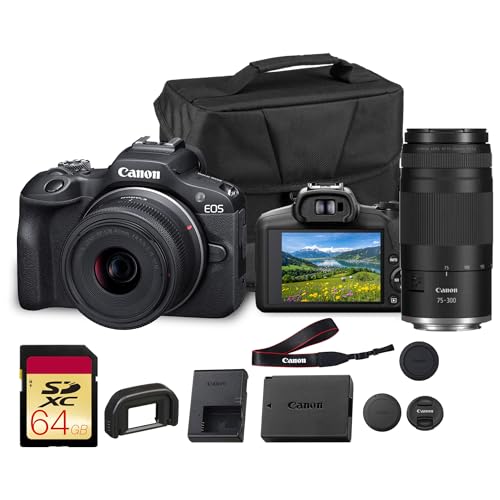
The short answer: most beginners should buy an APS C mirrorless camera bundled with a telephoto zoom reaching at least 300mm, such as the Canon EOS R10 kit with an RF 75 to 300mm lens around $1,750 or the more affordable Canon EOS R100 double lens kit around $740; if you want reach without changing lenses, a superzoom like the Nikon Coolpix P950 works well, while a trail camera around $120 captures shy animals when you are not there.
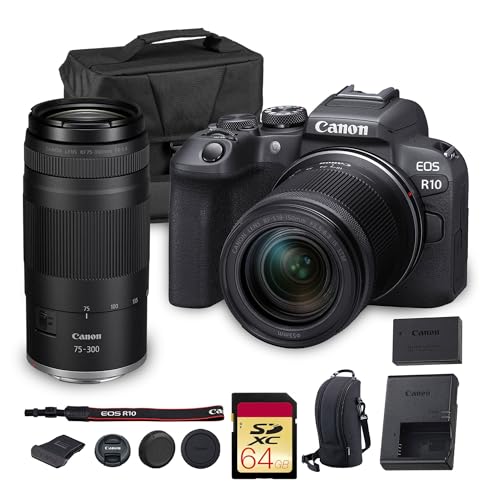
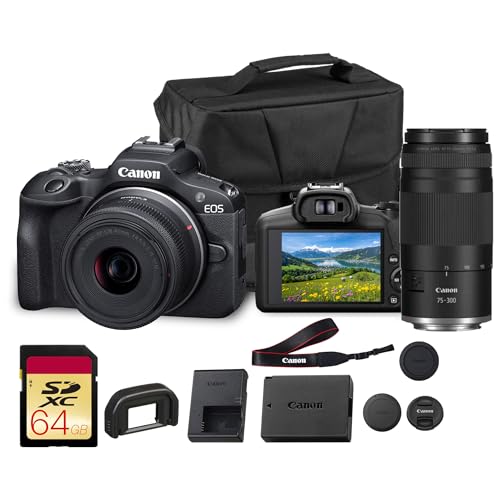


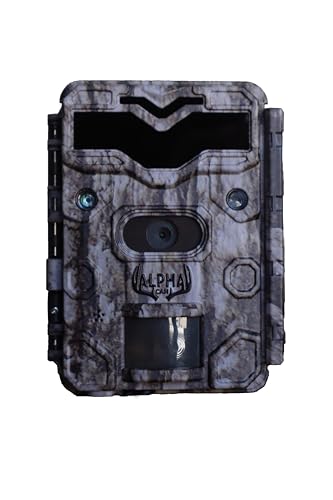
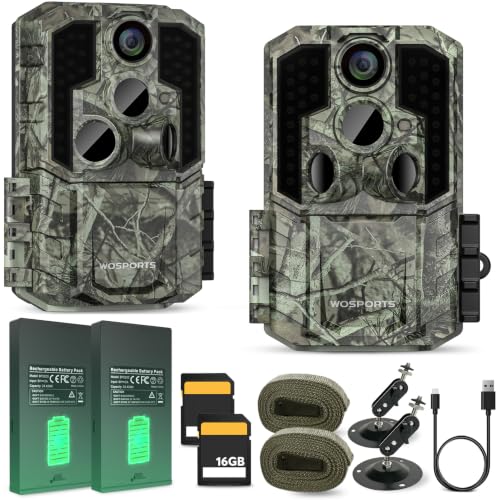
Three Wildlife Cameras Worth a Look
These three cameras from the product table above match the most common first purchase budgets. We explain the reasoning throughout the guide rather than reviewing each one in detail.


Wildlife Cameras 101: The Basics
A camera captures light through a lens onto a digital sensor. For wildlife, the lens matters most, because animals are usually far away. Focal length, measured in millimeters, tells you how much a lens magnifies a scene. A 50mm lens shows roughly what your eye sees, while 300mm, 400mm or 600mm lenses bring distant animals close.
Interchangeable lens cameras, like mirrorless models, let you swap lenses as your skills grow. Superzoom or bridge cameras have one built in lens with a huge zoom range. Trail cameras are rugged, motion activated cameras you strap to a tree; they photograph animals automatically, even at night using infrared. Each type suits a different style of wildlife watching.
A few terms come up constantly. Crop factor describes how smaller sensors magnify the image; APS C sensors multiply focal length by about 1.5 to 1.6, so a 300mm lens acts like about 480mm. Aperture, written as f numbers, controls how much light enters the lens. Shutter speed controls motion blur, and ISO controls sensor sensitivity in low light.
Key Specs Explained in Plain English
Features That Matter for Shooting Wildlife
Wildlife demands reach, speed and patience friendly features. Aim for an equivalent focal length of at least 400mm for larger animals and 600mm or more for small or shy subjects. Continuous shooting of 10 frames per second or faster captures running and flying animals. Silent electronic shutters avoid scaring wildlife. A bright electronic viewfinder helps you track animals in sunlight. Our recommendation: an APS C mirrorless camera with a 75 to 300mm or longer lens as a starting point.
Sensor Size and Image Quality
Sensor size affects image quality more than megapixels. Small superzoom sensors, around 1/2.3 inch, allow huge zooms but produce noisy images in dim light. APS C sensors, like those in the Canon EOS R10, R100 and R7, balance quality, cost and extra reach. Micro Four Thirds sensors, like the OM System OM 1 Mark II, double focal length, keeping lenses compact. Full frame sensors, like the Nikon Z8's 45.7MP stacked sensor, deliver the best quality but cost the most. Our recommendation: APS C for most beginners.
Battery Life and Charging
Wildlife outings often last hours, and electronic viewfinders, stabilization and burst shooting drain batteries quickly. Entry mirrorless cameras manage a few hundred shots per charge, so carry at least one spare. USB C charging lets you top up from a power bank in the car or on the trail. Trail cameras use AA batteries or rechargeable packs that can last months on standby; the ALPHA CAM trail camera lists up to 30 months of standby. Cold weather shortens battery life, so keep spares warm in an inner pocket.
Size, Weight, and Ergonomics
You will carry your gear on hikes, so weight matters. Entry mirrorless bodies like the Canon EOS R100 weigh far less than older DSLRs, and lightweight zooms like the RF 75 to 300mm keep the kit manageable. Professional telephoto lenses like the Nikon Z 180 to 600mm are heavier and often need a monopod. A comfortable grip and easily reachable buttons help when you track animals for long periods. Our recommendation: choose a kit you can carry all day.
Autofocus and Stabilization
Autofocus with animal detection locks onto eyes and bodies, keeping moving subjects sharp. Canon's Dual Pixel CMOS AF on the R10, R100 and R7, Nikon's deep learning AF on the Z8 and OM System's 1,053 point cross type AF all track wildlife well. Image stabilization reduces blur from shaky hands at long focal lengths. In body stabilization, found on the EOS R7 and OM 1 Mark II, works with any lens, while lens stabilization helps on cameras without it. Our recommendation: animal detection AF plus some form of stabilization.
Durability and Weather Sealing
Wildlife photography happens in rain, dust, snow and early morning dew. Weather sealing protects cameras from moisture and grit; the OM System OM 1 Mark II carries an IP53 rating and is freeze proof to about 14 degrees Fahrenheit. Entry cameras like the R100 have little sealing, so use a rain cover. Trail cameras like the ALPHA CAM are IP67 waterproof for year round outdoor use. Our recommendation: weather sealing if you shoot in harsh climates, otherwise a rain cover.
Picking the Right Cameras for Shooting Wildlife
The best cameras for shooting wildlife depend on where and how you watch animals. Match the camera to how you watch wildlife. Hikers and travelers benefit from light mirrorless kits or superzooms. Safari goers need long reach and fast autofocus. Backyard and property owners can capture deer, foxes and nocturnal visitors with trail cameras. Serious photographers who plan to sell prints should consider pro bodies with long telephoto lenses.
Best Digital Cameras for Shooting Wildlife: Tips for First Time Buyers
When choosing among the best digital cameras for shooting wildlife, focus on three things. First, buy a kit that includes a telephoto lens, like the Canon EOS R10 bundle with an RF 75 to 300mm lens, so you can start shooting immediately. Second, choose animal detection autofocus for sharp eyes. Third, check burst speed; at least 10 frames per second helps with moving animals.
Best Point and Shoot Cameras for Shooting Wildlife: Tips for First Time Buyers
The best point and shoot cameras for shooting wildlife are superzoom bridge cameras with very long lenses. Check the equivalent focal length, aiming for 1000mm or more; the Nikon Coolpix P950 reaches 2000mm equivalent with an 83x zoom. Look for a viewfinder, since rear screens are hard to use at long zoom, and strong image stabilization. Expect less low light quality than mirrorless cameras.
Trail Cameras for Wildlife
Trail cameras photograph animals automatically when motion triggers the sensor. Check trigger speed, ideally 0.3 seconds or faster, infrared night range and battery life. The ALPHA CAM offers a 0.3 second trigger and 100 foot IR flash range, while the WOSPORTS 2 pack lets you cover two locations.
Rookie Mistakes to Avoid
- Buying a body without a long lens: a standard kit lens is too short for most wildlife. Budget for at least 300mm.
- Using slow shutter speeds: animals move quickly; start at 1/1000 second for active subjects.
- Approaching too fast: move slowly and stay quiet, or animals will leave before you shoot.
- Shooting in harsh midday light: early morning and late afternoon give softer light and more active animals.
- Forgetting spare batteries and cards: wildlife moments rarely wait for you to recharge.
Getting Started: Setup and First Use
- Charge batteries and format the card: charge every battery fully and format the memory card in the camera.
- Update firmware: manufacturers often improve autofocus and subject detection.
- Set autofocus: choose continuous autofocus and animal detection, and set a zone or tracking AF area.
- Choose shutter priority: set 1/1000 second and let auto ISO adjust exposure.
- Enable burst mode: use high speed continuous shooting for action.
- Practice locally: photograph birds and squirrels in a park before your big trip.
- Use a lens cloth, not your shirt, and carry a spare battery: keep both in an easy pocket.
Wildlife Cameras: Your Questions Answered
What features matter most in cameras for shooting wildlife?
What features matter most in cameras for shooting wildlife? Reach, autofocus and burst speed matter most. You need a telephoto lens of 300mm or longer, animal detection autofocus that tracks moving subjects and continuous shooting of 10fps or faster. Stabilization and weather resistance come next.
What does 75 to 300mm mean?
What does 75 to 300mm mean? It describes the zoom range of a lens. At 75mm, the lens shows a moderately narrow view; at 300mm, it magnifies distant subjects about six times more than a standard 50mm view. On an APS C camera, 300mm behaves like roughly 480mm.
How much should I spend on my first one?
How much should I spend on my first one? Most beginners should spend around $740 to $1,750 for a mirrorless kit with a telephoto lens, or around $850 for a superzoom like the Nikon P950. Trail cameras cost around $60 to $160. Professional setups with long lenses cost $5,000 or more.
Which is better for low light?
Which is better for low light? Larger sensors are better for low light. Full frame cameras like the Nikon Z8 perform best, followed by APS C and Micro Four Thirds bodies. Superzooms with small sensors struggle at dawn and dusk. Trail cameras use infrared to photograph at night in black and white.
Is a smartphone enough instead?
Is a smartphone enough instead? A smartphone is not enough for most wildlife, because phone lenses are short and digital zoom loses detail. Phones work for close, tame animals or with a spotting scope adapter. A dedicated camera with a telephoto lens is a huge upgrade.
What specs matter most for beginners?
What specs matter most for beginners? Beginners should prioritize focal length, autofocus and ease of use. A kit with a 300mm lens, animal detection autofocus and a viewfinder covers most needs. Do not worry about megapixels; 20 to 33 megapixels is plenty for sharp prints.
Our Verdict
Choosing your first wildlife camera comes down to three things: enough telephoto reach, autofocus that tracks moving animals and a kit light enough to carry. The Canon EOS R10 bundle is the best all round starter, the Canon EOS R100 double lens kit offers great value and the Nikon Z8 with a 180 to 600mm lens is a dream setup for serious shooters. Add a trail camera to capture shy animals when you are not around. Compare the best cameras for shooting wildlife in the product table above to start your wildlife adventure.