
Best Cameras for Professional Photography: Which One Fits the Way You Work?
Disclosure: We may earn a commission when you buy through links on this page, at no extra cost to you. As an Amazon Associate I earn from qualifying purchases. Learn more

Full frame and APS C pro cameras from Canon, Sony, Nikon, Fujifilm and Panasonic matched to wedding, sports, studio, hybrid and travel work.
There is no single best professional camera, because a wedding photographer, a sports shooter and a landscape artist need very different tools. Resolution, autofocus speed, low light performance, video features and weather sealing all matter differently depending on the job. This guide to the best cameras for professional photography matches camera types and features to the way you actually work, so you invest in the body that earns its keep.
The short answer: most working photographers should choose a full frame mirrorless camera with 24 to 33 megapixels, subject detection autofocus, in body stabilization and dual card slots, such as the Canon EOS R6 Mark II around $2,000 or the Nikon Z6 III around $2,200; photographers who need maximum resolution and speed should step up to a stacked sensor flagship like the Nikon Z8, while the Fujifilm X-T5 offers 40 megapixels in a lighter APS C body.

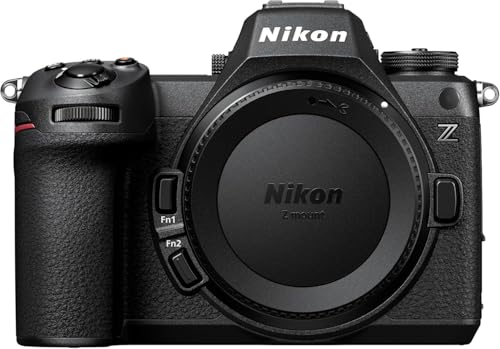
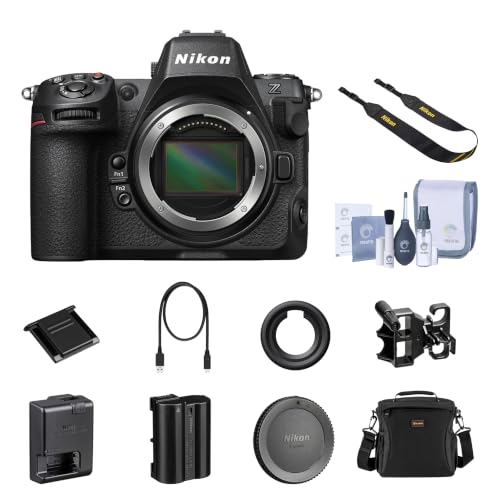
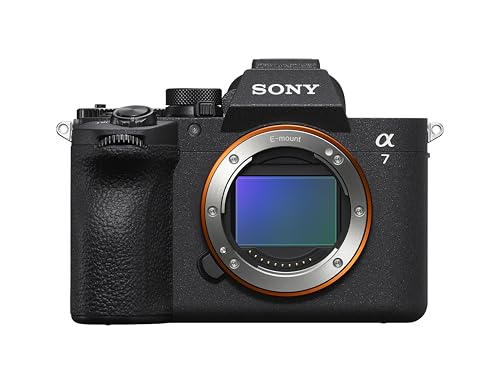

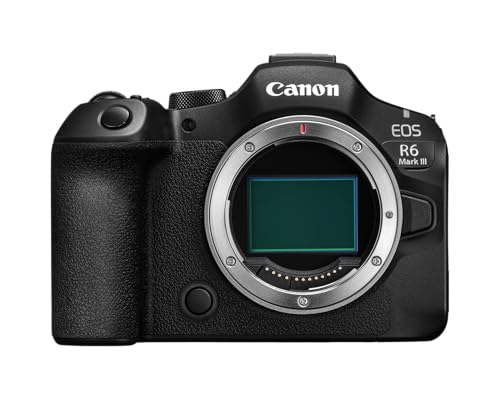
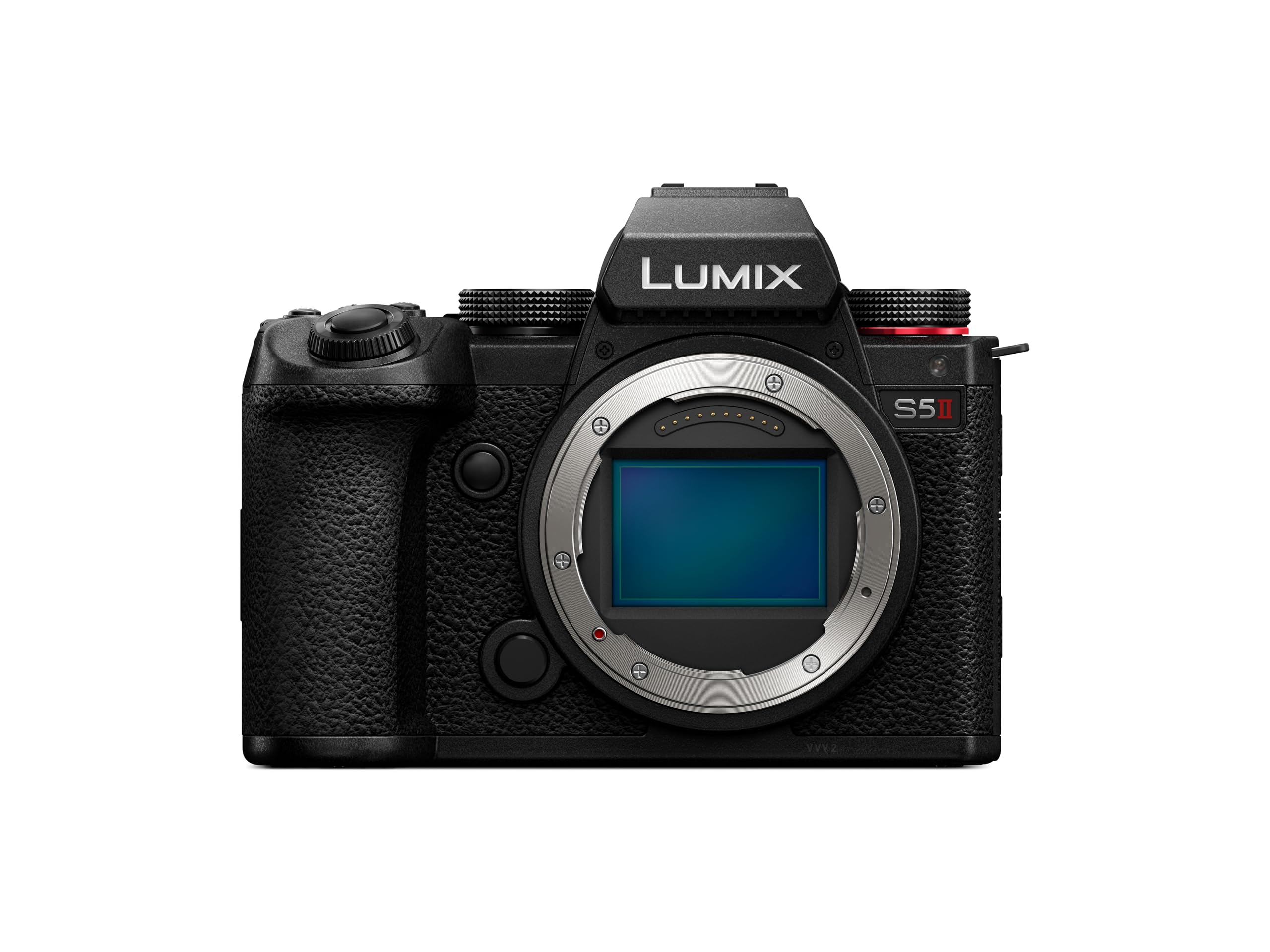
Three Pro Bodies Worth a Look
These three cameras from the product table above cover the most common professional needs. We explain who each type suits below rather than reviewing them one by one.


Who Should Buy Which Cameras for Professional Photography?
For Wedding and Event Photographers
Wedding and event photographers work in dim churches and reception halls, often for 10 hours straight. Priorities are clean high ISO performance, reliable eye detection autofocus, a silent electronic shutter for ceremonies and dual card slots for backup. Full frame bodies with 24 to 33 megapixels, like the Canon EOS R6 Mark II, Canon EOS R6 Mark III and Sony a7 V, balance file size with low light quality. Long battery life and comfortable grips matter on long days.
For Commercial, Studio and Landscape Photographers
Studio, product and landscape work rewards resolution and dynamic range. Look for 40 megapixels or more, accurate color and features like pixel shift for ultra high resolution files. The Nikon Z8 offers 45.7 megapixels on a stacked sensor, while the Fujifilm X-T5 packs 40.2 megapixels and a 160MP pixel shift multi shot mode into a compact body. Strong weather sealing helps landscape shooters in harsh conditions.
For Sports and Wildlife Photographers
Action shooters need speed. Prioritize fast burst rates, minimal blackout, deep buffers and autofocus that recognizes athletes, animals and vehicles. Stacked or partially stacked sensors, like those in the Nikon Z8 and Sony a7 V, reduce rolling shutter in electronic shutter mode. The Canon EOS R6 Mark III reaches 40fps with pre continuous shooting, capturing moments before you fully press the shutter.
For Hybrid Photo and Video Creators
Many professionals now deliver both stills and video. Look for 10 bit internal recording, log profiles, uncropped 4K at 60p, unlimited recording times and headphone and microphone jacks. The Nikon Z6 III records 6K/60p internal N RAW, while the Panasonic LUMIX S5II offers unlimited 4:2:2 10 bit recording thanks to a built in cooling fan. Strong in body stabilization helps handheld video.
For Travel and Documentary Photographers
Travel and documentary work favors smaller, lighter bodies that do not attract attention. APS C cameras like the Fujifilm X-T5 offer professional image quality with compact lenses, while full frame bodies like the Sony a7 V balance size and performance. Weather sealing, USB C charging and long battery life matter on the road.
Choosing Cameras for Your Situation
The best cameras for professional photography are the ones that match your assignments. Start with the work that pays your bills. If most jobs are people in low light, prioritize autofocus and high ISO. If you shoot products or landscapes, prioritize resolution. If clients want video, prioritize recording features and heat management. Then consider the lens system you already own, since switching brands means replacing lenses.
Best Minolta Cameras for Professional Photography: What to Prioritize
Photographers searching for the best minolta cameras for professional photography should know that Minolta's camera business passed to Sony in 2006, and today's Sony Alpha line grew from that heritage. Modern Minolta branded products are entry level compacts, not professional tools. For a professional camera with Minolta roots, choose a Sony Alpha body like the a7 V, prioritizing autofocus, sensor quality and lens availability. Classic Minolta film bodies remain popular with film enthusiasts, but they are collector items.
Key Features to Compare
Durability and Weather Sealing
Professional cameras face rain, dust, sand and constant handling. Look for magnesium alloy bodies, sealed buttons and dials, and shutters rated for hundreds of thousands of actuations. Dual card slots, found on most pro bodies including the Canon EOS R6 Mark III with CFexpress Type B and UHS II SD slots, protect against card failure. Pair sealed bodies with sealed lenses for full protection.
Features That Matter for Professional Photography
Professional work demands reliability and speed. Key features include subject detection autofocus for people, animals and vehicles, in body stabilization of 7 stops or more, high resolution electronic viewfinders, fast USB C transfers and robust wireless tethering. The Nikon Z6 III's viewfinder reaches 4000 nits brightness for clear viewing in sunlight, while the Canon EOS R6 Mark II supports 10Gbps USB C transfers for quick workflow.
Video Capabilities
Even photographers increasingly need video. Look for 4K at 60p without heavy cropping, 10 bit color, log profiles such as Canon Log, N Log, S Log or V Log, and microphone and headphone jacks. The Nikon Z8 records 8K, while the Canon EOS R6 Mark II records oversampled uncropped 4K at up to 60fps. Unlimited recording, like on the Panasonic S5II, matters for events and interviews.
Sensor Size and Image Quality
Full frame sensors deliver the best low light performance, shallow depth of field and dynamic range, making them the professional standard. APS C sensors, like the 40.2MP sensor in the Fujifilm X-T5, offer extra reach and lighter systems. Megapixels are not everything: 24 to 33 megapixels suit events and sports, while 40 to 61 megapixels suit commercial and landscape work. The Sony a7 V claims up to 16 stops of dynamic range.
Lens Ecosystem and Zoom Range
Lenses determine image quality as much as the body. Professional zooms like 24 to 70mm f/2.8 and 70 to 200mm f/2.8 cover most assignments, while fast primes like 85mm f/1.4 excel for portraits. Canon RF, Sony E, Nikon Z and Fujifilm X mounts all offer extensive professional lenses. Check third party lens support, which lowers costs.
Building a Professional Kit on a Budget
Many working photographers start with one strong body and two versatile lenses, then add a second body once paid work justifies it. A second body is essential for weddings and events, both as a backup and to avoid lens changes during key moments. Consider a slightly older model, such as the Canon EOS R6 Mark II after the Mark III launch, to save money while keeping professional features. Spend on fast memory cards, spare batteries, a reliable flash and insurance before chasing the newest flagship. Rent specialty lenses for occasional jobs instead of buying them.
Common Mistakes to Avoid When Buying Cameras
- Chasing megapixels only: very high resolution slows workflow and fills storage. Choose resolution that fits your clients.
- Ignoring durability and weather sealing: an unsealed body can fail on a rainy shoot.
- Skimping on lenses: a great body with a weak lens delivers average results.
- Forgetting dual card slots: single slots risk losing a client's once in a lifetime images.
- Not checking warranty and service: buy from authorized sellers with USA warranties and professional service options.
Setup and Care Tips
- Use a lens cloth, not your shirt: carry microfiber cloths and a blower for dust.
- Carry a spare battery: mirrorless cameras drain batteries faster than DSLRs.
- Store in a dry, padded bag: use silica gel and avoid sudden temperature changes that cause condensation.
- Update firmware: updates often improve autofocus and add features.
- Clean the sensor carefully: use the camera's cleaning mode and professional cleaning when needed.
Frequently Asked Questions
What features matter most in cameras for professional photography?
What features matter most in cameras for professional photography? Reliable autofocus, strong image quality and durability matter most. Look for subject detection autofocus, a full frame or high quality APS C sensor, dual card slots, weather sealing and in body stabilization. Video features matter if clients request video.
Is a smartphone enough instead?
Is a smartphone enough instead? A smartphone is not enough for most professional work. Phones lack interchangeable lenses, shallow depth of field, fast action autofocus and the file quality clients expect for large prints or commercial use. Phones are useful for behind the scenes content and social media.
What specs matter most for aspiring pros?
What specs matter most for aspiring pros? Aspiring professionals should prioritize autofocus, sensor quality and lens system. A full frame body around 24 megapixels with eye detection autofocus, like the Canon EOS R6 Mark II, covers most paid work. Invest in good lenses before upgrading to a more expensive body.
How much should I spend on my first professional camera?
How much should I spend on my first professional camera? Most photographers spend around $1,600 to $2,800 on a first professional body, such as the Panasonic S5II, Canon EOS R6 Mark II or Nikon Z6 III. Flagship bodies like the Nikon Z8 cost around $3,300 or more. Budget at least as much again for professional lenses.
Full frame or APS C for professional work?
Full frame or APS C for professional work? Full frame is the standard for most professional work, especially events and portraits, because of better low light quality and shallow depth of field. APS C works well for travel, wildlife and photographers who want lighter systems, like those using the Fujifilm X-T5.
Which is better for low light?
Which is better for low light? Full frame cameras with 24 to 33 megapixels are generally best for low light. Larger pixels gather more light, producing cleaner images at high ISO. The Nikon Z6 III, for example, focuses down to minus 10EV, helping in very dark venues.
Our Verdict
Choosing a professional camera comes down to three things: the type of work you do most, the autofocus and sensor performance that work demands and the lens system you plan to build. The Canon EOS R6 Mark II is the best all rounder for events and portraits, the Nikon Z6 III excels at hybrid photo and video and the Nikon Z8 delivers flagship resolution and speed. Compare the best cameras for professional photography in the product table above to find the body that fits the way you work.


