Best 16mm Cameras in 2026: Film, Lenses and Options
Disclosure: We may earn a commission when you buy through links on this page, at no extra cost to you. As an Amazon Associate I earn from qualifying purchases. Learn more
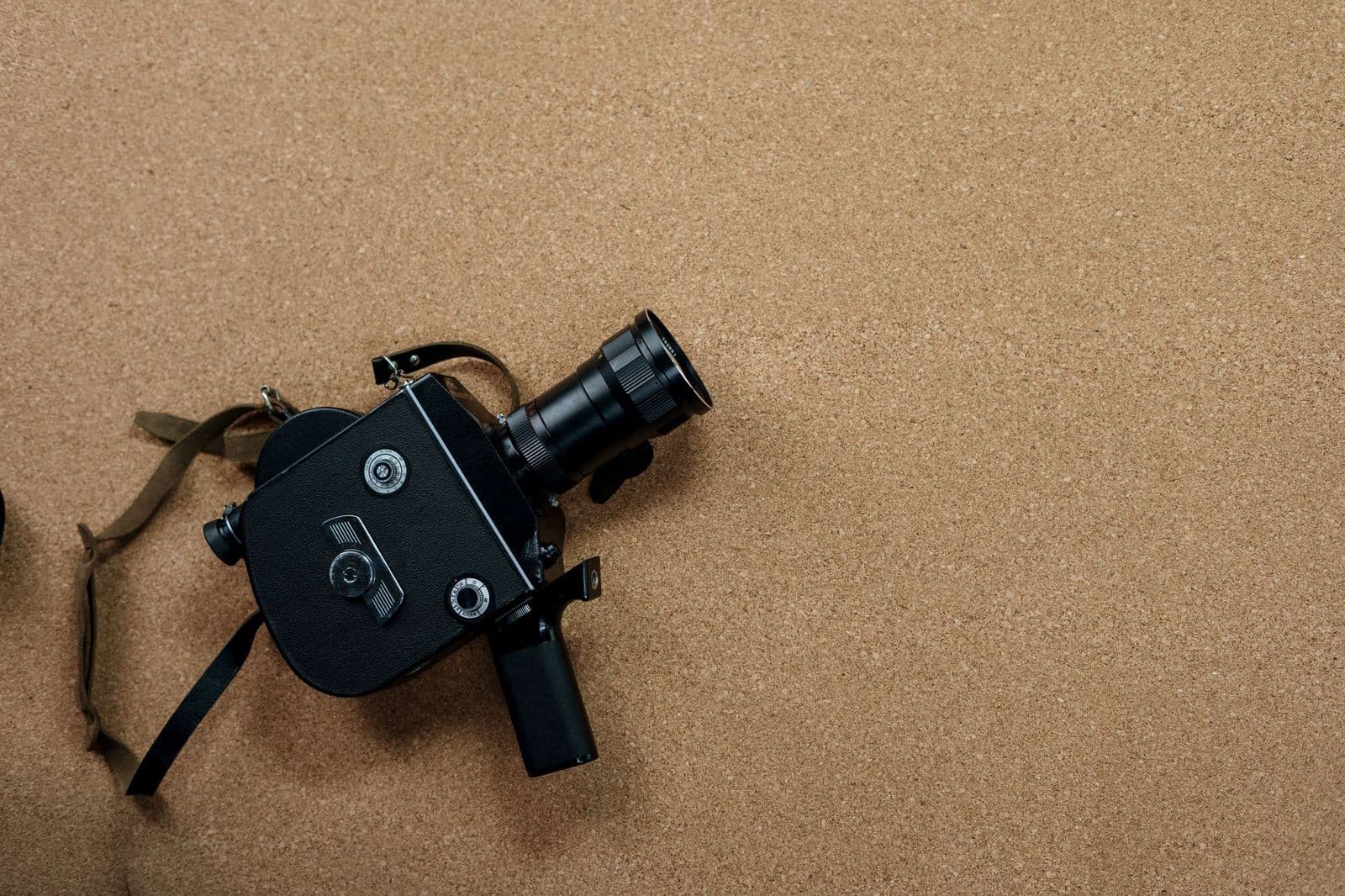
What the best 16mm cameras means in practice: classic film bodies, 16mm lenses for digital cameras and how to choose between them.
Searching for the best 16mm cameras can lead in three directions, and it helps to know which one you mean. It might be a film camera that exposes 16mm motion picture film, a 16 millimeter lens for a digital camera, or a digital cinema camera that imitates the look of 16mm. Each path has different costs and skills, and this guide shows how to pick the best 16mm cameras for your project.
The sections below explain each meaning, what to look for and where to find equipment. No matter which one you choose, plan around the look you want and the budget you have.
Meaning One: 16mm Film Cameras
A 16mm film camera records on a strip of film that is sixteen millimeters wide. It was the standard for television, documentaries and student films, and it is still used for its grain and color. These cameras are almost always bought used, and they range from compact spring wound bodies to large sync sound cameras.
Shooting film means paying for film stock, processing and scanning, so every minute costs real money. The discipline can improve your work. For a deeper look at film bodies, see our companion guide on 16mm film cameras, which covers spring wound and motor driven types.
Meaning Two: 16mm Lenses
A 16mm lens is a focal length, not a film format. On a mirrorless camera with a crop sensor, a 16mm lens gives a wide angle view that suits vlogging, landscapes and interiors. On a cinema camera with a Super 35 sized sensor, it produces a moderately wide view that suits establishing shots.
When you shop for a 16mm lens, check the mount, the maximum aperture and whether it covers your sensor. Fast apertures help in low light and give a shallow depth of field. Manual cine lenses offer smooth focus rings and gears for follow focus systems, while autofocus lenses suit hybrid shooters. Read comments about edge sharpness and focus breathing if you shoot video.
Meaning Three: Digital Cameras With a 16mm Look
Many filmmakers want the texture of 16mm without the cost of film. Some digital cinema cameras use a sensor close to the Super 16 frame, which gives a depth of field similar to 16mm. Others rely on grain overlays and color grading to imitate it. Neither equals real film, but they can look convincing and are practical for fast projects.
If this is your goal, compare the sensor size, dynamic range and raw recording options. A camera that records raw or high bit rate files gives more room to add grain and color in post production. Our guide to digital cameras can help you find a flexible body for stills and video.
Choosing Between the Three
If you want authentic grain and the experience of shooting film, buy or rent a film camera and plan for lab costs. If you want a wide angle view for everyday video, choose a 16mm lens for your digital camera. If you want a film inspired look with fast results and low running costs, use a digital camera and grade the footage.
Many people start by renting a film camera for a weekend project to see whether they like it. Rental houses often offer cameras, lenses, film and processing in a package, which removes the risk of buying a body that needs service.
Buying and Renting Tips
For used film cameras, ask for sample footage and check the gate, shutter and lens condition. Buy from sellers who allow returns, or from repair shops that service what they sell. For lenses, check for haze, scratches and fungus, and confirm compatibility with your mount or adapter.
- Set a total budget that includes film, processing and scanning if you shoot film.
- Confirm the mount type before buying a lens.
- Choose a lab before buying film and ask about turnaround.
- Rent first if you are unsure, to learn whether the workflow suits you.
Sensor Size and the 16mm Field of View
A lens focal length gives a different view depending on sensor size. On a sensor close to the Super 16 frame, a 16mm lens gives a normal to slightly wide view, while on a larger Super 35 or full frame sensor, it is a distinctly wide view. Compare the crop factor of your camera to know what you will get. A quick way is to search for field of view examples of your camera and lens combination.
If you want the depth of field of real 16mm film, remember that smaller sensors give more depth at the same aperture. A larger sensor with a wide aperture gives shallower focus. Use a narrower aperture or a longer distance to the subject to match the deeper focus of film.
Accessories That Make 16mm Gear Usable
Film and lens users both benefit from a few basics. A sturdy tripod with a fluid head gives smooth pans. A matte box and filters control flare and exposure outdoors. For manual lenses, a follow focus helps you pull focus smoothly, and a lens support protects the mount. For film, a changing bag or a dark room for reloading, a light meter and a clapperboard keep the shoot organized.
For digital shooters, fast memory cards, spare batteries and a monitor help on set. A small field monitor makes critical focus easier than a camera screen. Label cards and batteries, and always copy footage to two drives before you format anything.
Learning Resources
Whichever path you choose, the best way to learn is to shoot small projects and study results. Film communities, rental houses and online forums share advice on cameras, lenses and labs. Watching behind the scenes material about films shot on 16mm helps you see how professionals light and frame. Start simple, keep notes and improve each time. A short project with a clear idea beats a long project that never gets finished.
Frequently Asked Questions
What does 16mm mean on a camera?
It can refer to the film width of a motion picture camera or to the focal length of a lens. Check the context.
Can I still buy 16mm film?
Yes. Several stocks are available from specialist sellers, and many labs process and scan it.
Is a 16mm lens good for video?
It is a popular wide angle choice for vlogging and landscapes on crop sensor cameras. Check the aperture and focus feel.
Can digital cameras copy the 16mm look?
They can come close with grain, color grading and a suitable sensor size, though real film has its own texture.
Final Thoughts
The best 16mm cameras depend on what you mean: a film body for grain and craft, a wide lens for a digital camera, or a digital cinema camera with a film inspired grade. Decide which path fits your project, set a realistic budget and consider renting before you buy. Choose the tool that helps you finish the work.