
Best 16mm Film Cameras in 2026: Types and Buying Advice
Disclosure: We may earn a commission when you buy through links on this page, at no extra cost to you. As an Amazon Associate I earn from qualifying purchases. Learn more
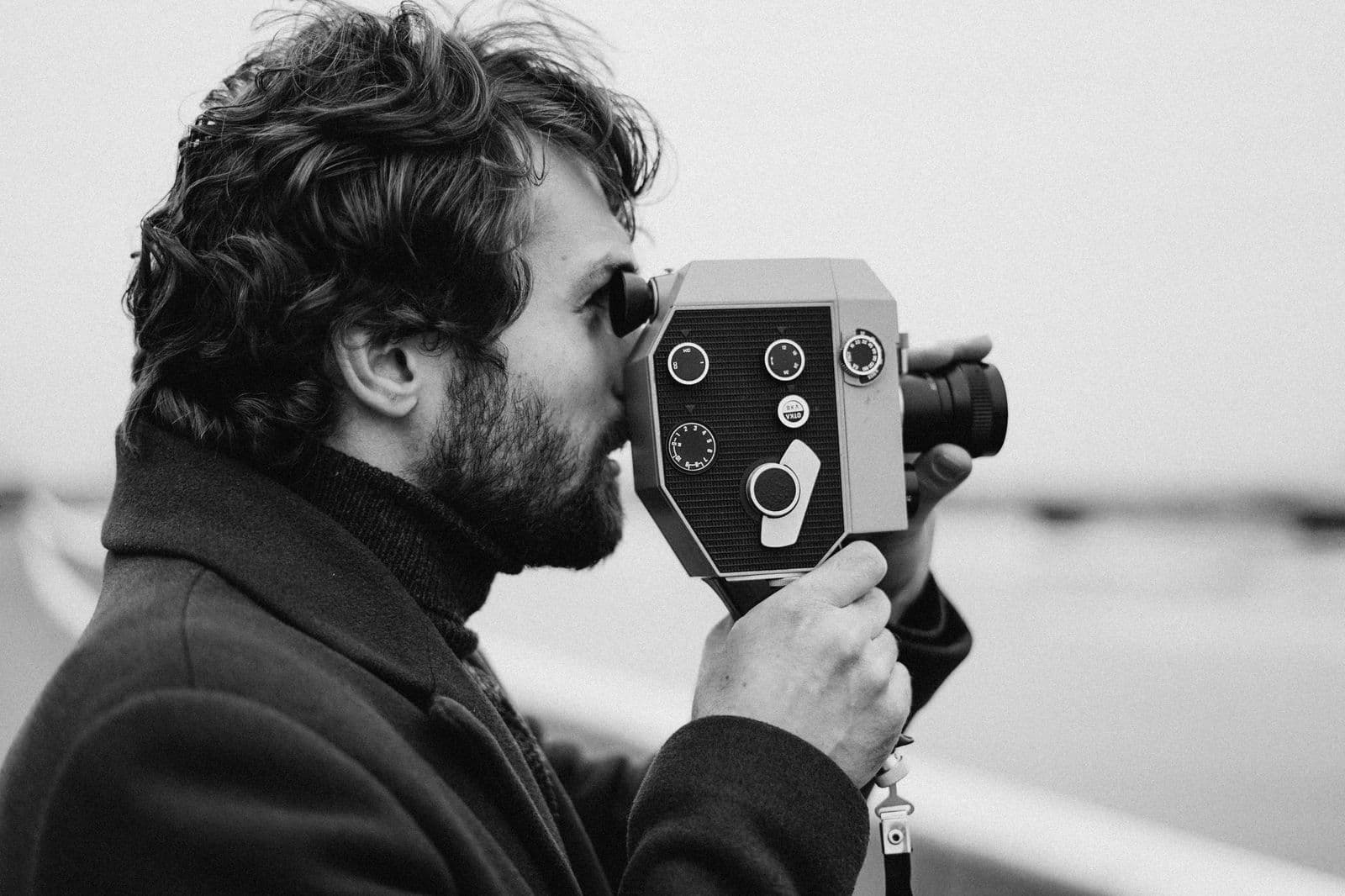
A practical guide to the best 16mm film cameras: body types, lens mounts, viewfinders, film stock, processing costs and used buying checks.
Sixteen millimeter film is the format of student films, documentaries and many classic television shows, and it is still shot today by people who love its grain, color and the discipline of a limited roll. The camera market for it is mostly used, and choosing well takes more knowledge than picking a modern digital model. This guide explains how to think about the best 16mm film cameras so you buy a body that suits your work.
New 16mm cameras are rare, so most buyers search used listings, repair shops and rental houses. The sections below cover the main body types, the practical costs of shooting film and the checks that matter before you spend.
How 16mm Film Differs From Modern Cameras
Film cameras expose a strip of photographic film that runs past the lens. Sixteen millimeter film is narrower than the 35mm used in feature films and cheaper per minute, which is why it became the standard for independent production. At the usual 24 frames per second, a 100 foot roll runs for roughly two minutes and forty five seconds, and a 400 foot magazine for about eleven minutes.
That runtime shapes how you shoot. Each roll costs money to buy, develop and scan, so you plan shots and rehearse more than you would with a digital camera that records for hours. Many filmmakers find that discipline is part of the charm. If you want instant playback, a digital camera or an instant photo camera may be a better fit, and our guides to digital cameras and instant film cameras cover those routes.
Spring Wound Cameras
The classic 16mm camera is a compact, spring wound body that runs for about half a minute per winding. It needs no battery, is light enough to carry in a bag and is easy to use for travel and documentary work. Most use a lens turret that holds two or three lenses, so you can switch focal length by rotating the turret.
The drawback is run time and sound. Spring wound cameras cannot record sound in sync, so they suit silent footage, music videos and projects where dialogue is added later. They can also be noisy, though a blimp or a quiet design helps. Check that the spring winds smoothly and that the camera runs at a steady speed.
Motor Driven and Sync Sound Cameras
Motor driven cameras use a battery to run at a precise speed and often accept a larger magazine. Sync sound models are blimped or built quietly so dialogue can be recorded on set. These cameras are larger and heavier, and they cost more to buy and maintain, but they suit narrative work and long takes.
Look for a camera that has a crystal controlled motor, which holds speed accurately. Check the battery system, since older packs may be hard to replace. A body with a removable magazine speeds up reloading on set.
Lenses and Mounts
Lens choice defines the look. Many older cameras use the C mount, which has a wide selection of vintage lenses and adapters for other cameras. Others use bayonet mounts with high quality zooms. A camera with a good prime lens gives a sharper image than one with a worn zoom, so inspect the glass for scratches, haze and fungus.
Super 16 conversions use a wider image area and can suit widescreen projects. If you plan to scan and project, check that the camera's gate matches your intended format. A lens that covers the frame without vignetting matters for Super 16.
Viewfinders, Meters and Handling
Most 16mm cameras use a reflex viewfinder, which lets you look through the taking lens, so what you see is what you shoot. Check that the viewfinder is bright and clear. Built in light meters vary, and many shooters use a separate handheld meter for accuracy. A good grip and a comfortable shoulder rest matter if you shoot handheld.
Film Stock, Processing and Scanning
Film stocks come in daylight and tungsten balances and in different sensitivities. Color negative stocks have wide exposure latitude, reversal film gives a rich projected image and black and white film is the cheapest and easy to process. Buy film from reputable sellers and store it in a cool place.
Processing and scanning are the largest recurring costs, and not every lab handles 16mm. Choose a lab before you shoot, ask about turnaround and scan formats and budget for it. Cheap film is easy to find, but processing often costs more than the film itself.
Buying Used Safely
Because most cameras are used, condition matters. Ask for sample footage shot with the camera, check that the shutter runs smoothly, the gate is clean and the lens is in good shape. Buy from sellers who allow returns, or from shops that service cameras. Budget for a repair or a service, since old lubricants harden over time.
Learning to Shoot 16mm
If this is your first film camera, start with a simple plan. Buy one roll of black and white film, shoot it in good daylight, and send it to a lab you trust. Write down the exposure settings for each shot so you can match them to the results and learn how your meter and lens behave. Keep shots short and steady, and use a tripod while you learn.
Join a local film community or rental house if you can. Many offer workshops, loan equipment and advice on labs, and they can help you find a repair person for a camera that needs attention. Watching footage shot on film, then comparing it with your own, is the quickest way to learn how exposure, lighting and lenses affect the look.
Frequently Asked Questions
Are 16mm film cameras still available new?
New models are very rare, and most buyers purchase used cameras from specialist sellers and repair shops.
How long does a roll of 16mm film last?
A 100 foot roll lasts about two minutes and forty five seconds at 24 frames per second.
Can I record sound with a 16mm camera?
Spring wound cameras do not record synchronized sound. Motor driven sync sound cameras, plus a separate recorder, are used for dialogue.
How much does shooting 16mm cost?
Film, processing and scanning add up quickly. Plan a budget per roll before you shoot.
Final Thoughts
The best 16mm film cameras depend on whether you want a light spring wound body for silent shooting or a motor driven camera for narrative work. Check the lens mount, the viewfinder and the condition of the gate, and choose a lab before you buy film. Buy from sellers who allow returns, and budget for a service, so your first roll turns out well.


