
Best Affordable Video Cameras: Every Type Explained Side by Side
Disclosure: We may earn a commission when you buy through links on this page, at no extra cost to you. As an Amazon Associate I earn from qualifying purchases. Learn more

Pocket gimbal, action, 360, mirrorless and camcorder options compared side by side, with budget expectations and vlogging advice.
Shopping for a video camera on a budget is confusing because so many different devices claim to shoot great video: pocket gimbals, action cameras, 360 cameras, mirrorless kits and cheap camcorders. Each type has real strengths and real compromises. This guide to the best affordable video cameras compares every type side by side, so you can pick the one that matches what you film and how much you want to spend.
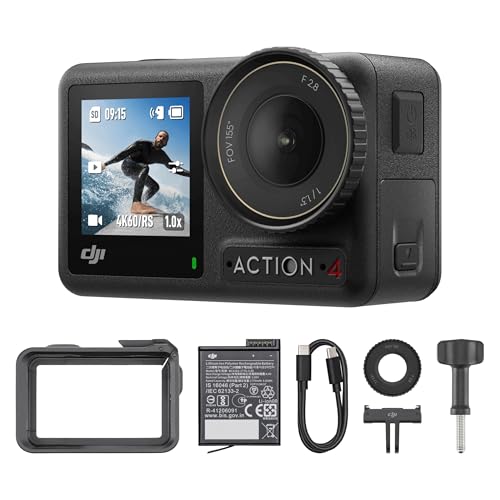
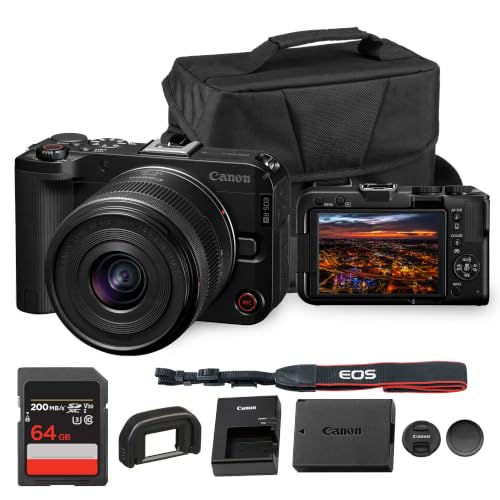
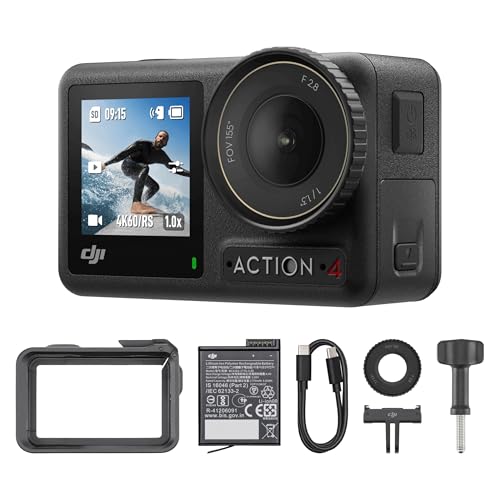
The short answer: most beginners should buy a pocket gimbal camera like the DJI Osmo Pocket 3 around $395, which combines a 1 inch sensor, 4K at 120fps and mechanical stabilization in a pocketable body; adventurers should choose an action camera like the DJI Osmo Action 4 around $180, while creators who want interchangeable lenses can start with a mirrorless kit like the Canon EOS R100 around $570 or the video focused Canon EOS R50 V around $800.




Three Cameras Worth a Look
These three cameras from the product table above represent the most useful affordable types. We explain the reasoning below rather than reviewing each one.


Types of Affordable Video Cameras Compared
| Type | Best For | Pros | Cons | Typical Price |
|---|---|---|---|---|
| Pocket gimbal cameras | Vlogging, travel, everyday video | Mechanical stabilization, face tracking, tiny size | Fixed lens, small battery | Around $350 to $500 |
| Action cameras | Sports, water, POV footage | Rugged, waterproof, wide angle, cheap | Weak in low light, fixed wide lens | Around $60 to $400 |
| 360 cameras | Creative angles, immersive travel | Reframe after shooting, invisible selfie stick | Editing required, lower sharpness per frame | Around $300 to $500 |
| Mirrorless cameras | Cinematic look, photos and video | Large sensor, interchangeable lenses, background blur | Bigger, costlier, needs stabilization | Around $550 to $1,000 with kit lens |
| Camcorders | Events, long recordings, zoom | Long zoom, easy handling, long battery | Small sensors on budget models | Around $90 to $1,400 |
Pocket Gimbal Cameras
Pocket gimbal cameras mount a small camera on a built in 3 axis motorized stabilizer, producing smooth footage while you walk. The DJI Osmo Pocket 3 adds a 1 inch sensor, 4K at 120fps, 10 bit D Log M color and a rotating 2 inch screen for vertical and horizontal shooting.
The pros are excellent stabilization, face tracking and a size that fits a jacket pocket. The cons are a fixed wide lens and limited zoom. Pocket gimbals suit vloggers, travelers and families who want great video without learning camera settings.
Action Cameras
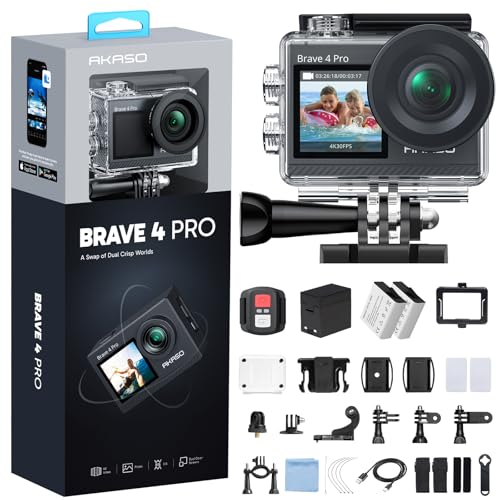
Action cameras are small, rugged and waterproof, with ultra wide lenses and electronic stabilization. Models like the DJI Osmo Action 4 add a larger 1/1.3 inch sensor for better low light footage, 4K at 120fps, dual touchscreens and cold resistant batteries. Budget options like the AKASO Brave 4 Pro shoot 4K at 30fps for around $90.
The pros are durability, mounts for helmets and bikes and low prices. The cons are fixed wide lenses and weaker low light performance than larger sensors. Action cameras suit cyclists, surfers, skiers and anyone filming outdoors.
360 Cameras
360 cameras like the Insta360 X3 use two lenses to capture everything around you, letting you choose the framing later in an app. The selfie stick disappears in the stitched image, creating drone like shots. The pros are creative flexibility and no missed moments. The cons are extra editing time and less detail when you reframe to a standard 16:9 video. 360 cameras suit creative travelers and sports fans.
Mirrorless Cameras
Mirrorless cameras use large APS C or full frame sensors and interchangeable lenses, delivering a cinematic look with blurry backgrounds and better low light quality. The Canon EOS R100 is an affordable entry point with a 24.1MP APS C sensor and Dual Pixel autofocus, though its 4K video is cropped. The Canon EOS R50 V targets video creators with a flip screen and a wide 14 to 30mm power zoom lens.
The pros are image quality and room to grow. The cons are size, cost and the need for a gimbal or tripod for smooth handheld shots. Mirrorless suits creators who also want great photos.
Camcorders
Camcorders are designed purely for video, with long optical zoom lenses, comfortable handgrips and long recording times. Quality camcorders from Sony and Canon start around $1,300, while sub $100 4K camcorders use tiny sensors and digital zoom, delivering footage that often looks no better than a phone. Camcorders suit school events, sports from the stands and long recordings.
Pocket Gimbal vs Action Camera: Which Should You Choose?
These two types are the most popular affordable choices, so compare them on five points. Stabilization: pocket gimbals use mechanical stabilization that looks smoother when walking, while action cameras rely on electronic stabilization that works well during sports. Durability: action cameras are waterproof and rugged, while pocket gimbals need protection. Image quality: the Pocket 3's 1 inch sensor beats most action cameras in low light. Framing: gimbals offer a more natural field of view for faces, while action cameras shoot ultra wide. Price: action cameras cost less. Choose a pocket gimbal for vlogging and travel, and an action camera for sports and water.
How to Choose the Right Video Camera
Durability and Weather Sealing
If you film outdoors, durability matters. Action cameras are often waterproof without a case, to around 10 to 18 meters, and some go deeper with housings; the AKASO Brave 4 Pro reaches 131 feet with its case. Pocket gimbals and mirrorless cameras are not waterproof, so use rain covers and avoid sand and spray. Cold resistant batteries, like the Osmo Action 4's, help in winter.
Video Capabilities
Look for 4K resolution at 30fps or higher, and 60fps or 120fps for smooth slow motion. Log or flat color profiles, like D Log M, give more editing flexibility. A microphone input or wireless mic support improves audio significantly. Vloggers need a flip or front facing screen. Check for crop in 4K mode, since some budget mirrorless cameras narrow the frame noticeably.
Sensor Size and Image Quality
Sensor size matters more than megapixels for video. Larger sensors capture more light, producing cleaner footage indoors and at night. Action cameras typically use 1/2.3 to 1/1.3 inch sensors, pocket gimbals reach 1 inch and mirrorless cameras use much larger APS C or full frame sensors. A 20MP camera with a larger sensor usually beats a 64MP camera with a tiny sensor.
What You Can Realistically Get on a Budget
Under around $100, expect basic action cameras with 4K at 30fps and electronic stabilization; they work in daylight but struggle indoors. Around $180 to $300 buys excellent action and 360 cameras with strong stabilization and better sensors. Around $400 to $800 gets you a pocket gimbal or entry mirrorless kit with real low light performance. Do not save on audio; a $30 to $100 microphone often improves videos more than a camera upgrade.
Size, Weight, and Ergonomics
The best camera is the one you carry. Pocket gimbals and action cameras weigh around 150 grams or less and fit in a pocket. Mirrorless kits weigh several hundred grams and need a bag. If you film all day while traveling, lighter wins. Consider grips, mounts and how easily you can hold the camera at arm's length.
Battery Life and Storage
Video eats batteries quickly. Action cameras last around 1.5 to 2.5 hours, and the Osmo Action 4 is rated up to 150 minutes. Pocket gimbals and mirrorless cameras last about one to two hours of recording. Carry spare batteries or a power bank, and use fast microSD or SD cards rated V30 or higher for 4K recording.
Picking the Right Video Cameras for Different Uses
Best Affordable Video Cameras for Vlogging: Which Type Works Best
The best affordable video cameras for vlogging need a front facing screen, reliable face tracking and good stabilization. A pocket gimbal like the DJI Osmo Pocket 3 is the easiest choice, combining a rotating screen, ActiveTrack and mechanical stabilization. Creators who want blurry backgrounds and lens options should choose the Canon EOS R50 V with its flip screen. Add a small wireless mic for clear voice audio.
Video Cameras for Sports and Travel
For sports, choose an action camera with strong stabilization, waterproofing and plenty of mounts, like the Osmo Action 4. For travel, a pocket gimbal or 360 camera captures smooth walking shots and creative angles without heavy gear. The Insta360 GO Ultra offers hands free POV shooting in a tiny body.
Tips to Get the Most From Your Video Camera
- Use a lens cloth, not your shirt: fabric can scratch lens coatings and leave lint.
- Carry a spare battery: video drains batteries fast, especially in cold weather.
- Store in a dry, padded bag: protect your camera from bumps, dust and humidity.
- Light your subject: good lighting improves budget camera footage more than any setting.
- Record clean audio: use an external mic for interviews and vlogs.
FAQs
How much should I spend on my first one?
How much should I spend on my first one? Most beginners should spend around $180 to $400 on their first video camera. That range covers excellent action cameras and pocket gimbals that clearly beat a smartphone in stabilization and flexibility. Spend more only if you need interchangeable lenses or very low light performance.
Which is better for low light?
Which is better for low light? Larger sensors are better for low light. Mirrorless cameras with APS C sensors perform best, followed by 1 inch pocket gimbals like the Osmo Pocket 3. Action cameras with small sensors produce grainy footage indoors and at night, though larger sensor models like the Osmo Action 4 have improved significantly.
Is a smartphone enough instead?
Is a smartphone enough instead? A modern smartphone is enough for casual videos and social media. A dedicated camera adds better stabilization, waterproofing, longer battery life, mic inputs and larger sensors. If you film regularly or for YouTube, a pocket gimbal or action camera is a worthwhile upgrade.
What do 4K/60 and 4K/120 mean?
What do 4K/60 and 4K/120 mean? These numbers describe resolution and frame rate. 4K/60 records 4K video at 60 frames per second for smooth motion, while 4K/120 records 120 frames per second, which can be slowed down for smooth slow motion playback. Most viewers watch at 30 or 60 frames per second.
What specs matter most for beginners?
What specs matter most for beginners? Stabilization, sensor size and ease of use matter most. Look for 4K at 30fps or higher, a screen you can see while filming yourself and good autofocus or face tracking. Battery life and audio options come next. Ignore inflated megapixel numbers on very cheap cameras.
Final Thoughts
Choosing an affordable video camera comes down to three things: the type that fits what you film, a sensor large enough for your lighting and stabilization that keeps footage smooth. Pocket gimbals like the DJI Osmo Pocket 3 suit most vloggers and travelers, action cameras like the Osmo Action 4 handle sports and water and mirrorless kits like the Canon EOS R100 give room to grow. Compare the best affordable video cameras in the product table above to find the right fit for your budget.


