
Best Digital Cameras in 2026: Which Type Is Right for You?
Disclosure: We may earn a commission when you buy through links on this page, at no extra cost to you. As an Amazon Associate I earn from qualifying purchases. Learn more

How the best digital cameras compare by type, plus the specs that matter for photos and video.
Smartphones take great photos, so why buy a camera at all? Because a dedicated camera still does things a phone cannot: true optical zoom, larger sensors for cleaner low light shots, interchangeable lenses, rugged waterproof bodies and stabilized video that survives a mountain bike trail. The best digital cameras fill those gaps, but the right type depends on what you want to capture.
This guide compares the main types of digital cameras side by side, explains when an action camera beats a vlogging camera and walks through the specs that matter for photos and video. The models in the product table above cover every category, from budget point and shoots to mirrorless kits.






Types of Digital Cameras Compared
Digital cameras fall into a few broad types. Here is a quick comparison; prices are approximate.
| Type | Best For | Pros | Cons | Typical Price |
|---|---|---|---|---|
| Action cameras | Sports, travel, underwater, POV video | Tiny, rugged, waterproof, excellent stabilization | Small sensors, wide fixed lens, limited zoom | Around $250 to $450 |
| Vlogging cameras | YouTube, social video, travel diaries | Flip screens, good mics, face tracking autofocus | Less rugged, moderate zoom | Around $600 to $1,000 |
| Compact point and shoot | Family events, travel, beginners | Pocketable, optical zoom, simple | Small sensors on budget models | Around $100 to $850 |
| Mirrorless cameras | Enthusiasts, portraits, low light, creators | Large sensors, interchangeable lenses, best image quality | Bigger, pricier, more to learn | Around $570 to $3,000+ |
Action Cameras
Action cameras such as the GoPro HERO line are small, tough and usually waterproof without a housing. They mount to helmets, handlebars, chest harnesses and surfboards, capturing point of view footage of skiing, biking, diving and travel. Advanced electronic stabilization smooths bumpy footage remarkably well, and high resolutions such as 5.3K allow cropping and slow motion.
Their trade offs are small sensors that struggle in dim light, ultra wide fixed lenses that are not ideal for portraits and limited battery life during long recording sessions. Action cameras suit adventurous people who want rugged video more than polished photos.
Vlogging Cameras
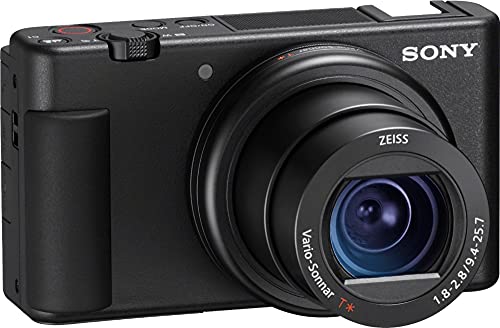
Vlogging cameras, such as Sony's ZV series, are built for creators who film themselves. They feature flip out screens so you can frame shots while facing the lens, directional microphones with wind screens, face and eye tracking autofocus and features like product showcase modes that shift focus to objects held up to the camera.
Compact vlogging cameras fit in a bag, while interchangeable lens vlogging models offer larger sensors and lens flexibility. They are less rugged than action cameras and typically not waterproof. They suit YouTubers, social media creators and anyone who wants better video than a phone with simple controls.
Compact Point and Shoot Cameras
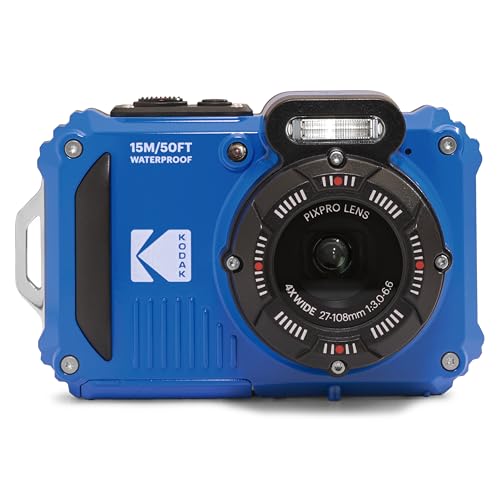
Compact cameras range from simple budget models like the Kodak PIXPRO series to superzoom bridge cameras such as the Nikon COOLPIX P950 with 83x optical zoom. They offer real optical zoom, dedicated shutter buttons and longer battery life than phones, all in an easy to use package.
Budget compacts have small sensors, so image quality in dim light can lag behind recent phones, but zoom remains a big advantage. Superzooms excel at birding, wildlife, sports and the moon from a distance. Compacts suit families, travelers, kids and older adults who want a simple camera with zoom.
Mirrorless Cameras
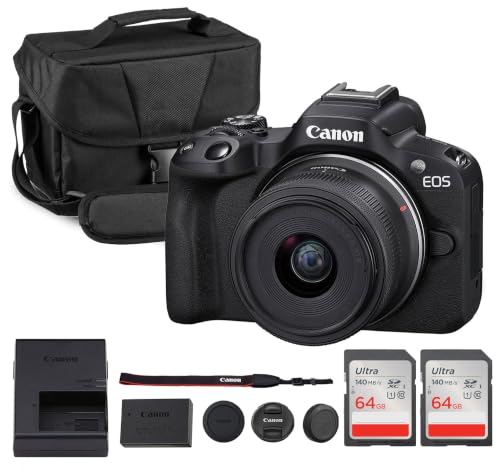
Mirrorless cameras, such as Canon's EOS R50 and R100 or Sony's Alpha line, use large APS C or full frame sensors with interchangeable lenses. They deliver the best image quality, with beautiful background blur, clean low light photos and fast autofocus. Electronic viewfinders show the exposure before you shoot.
They are larger and more expensive, and lenses add cost. Learning manual settings takes time, though beginner friendly models include helpful on screen guides. Mirrorless cameras suit enthusiasts, aspiring photographers, portrait and event shooters and creators who want cinematic video.
Other Specialty Cameras
A few niche categories are worth knowing. 360 cameras such as the GoPro MAX capture everything around them, letting you choose the framing later in an app, which is great for immersive travel and action footage. Waterproof compacts like the Kodak PIXPRO WPZ2 handle pools, beaches and snorkeling without a separate housing. Instant cameras print photos on the spot, popular for parties and gifts.
Kids cameras and budget 4K or 8K branded cameras from lesser known brands are inexpensive, but their resolution claims are often based on interpolation rather than true sensor detail. Judge them by sensor size and real sample images rather than megapixel numbers.
Action Cameras vs Vlogging Cameras: Which Should You Choose?
Both are popular with video creators, but they serve different situations. Action cameras excel when the camera moves with you: strapped to a helmet, mounted on a bike or carried underwater. Their wide lenses and stabilization capture immersive point of view footage, and they survive drops, dust and water.
Vlogging cameras excel when you are the subject. Flip screens, better microphones and face tracking autofocus make talking to the camera easy, and their lenses and larger sensors produce more flattering, natural looking footage with background blur.
Choose an action camera for sports, travel adventures and water. Choose a vlogging camera for sit down videos, product reviews, city walks and travel diaries where you speak to the camera. Many creators eventually own both, using an action camera for B roll and a vlogging camera for main footage.
How to Choose the Right Digital Camera
Once you know the type, these specs separate a camera you will love from one that stays in a drawer.
Battery Life and Charging
Battery life is often rated by the number of shots per charge (CIPA rating) for photo cameras and minutes of recording for video cameras. Action cameras may record around an hour or more per battery, while mirrorless cameras vary widely. USB C charging lets you top up from power banks on the go, and spare batteries are inexpensive insurance for travel.
Some budget compacts use AA batteries, which are easy to find anywhere but add weight and cost over time.
Video Capabilities
Check resolution (1080p, 4K or higher), frame rates (30, 60 or 120 frames per second for slow motion), stabilization and audio options. A microphone input makes a big difference for vloggers. Overheating limits and recording time caps matter for long recordings.
For social media, 4K at 30 or 60 frames per second is plenty. For action and slow motion, higher frame rates help. Log profiles and 10 bit color appeal to advanced editors.
Sensor Size and Image Quality
Sensor size has the biggest effect on image quality. Larger sensors gather more light, producing cleaner low light images, better dynamic range and more background blur. Full frame and APS C sensors in mirrorless cameras outperform the 1 inch sensors in premium compacts, which in turn beat the smaller sensors in budget compacts and action cameras.
Megapixels matter less than sensor size; 16 to 24 megapixels is plenty for most people, and very high megapixel claims on budget cameras are often inflated through interpolation.
Viewfinder and Screen
An electronic viewfinder helps in bright sunlight, when rear screens can be hard to see, and it steadies the camera against your face for sharper shots. Many compacts and action cameras rely only on rear screens. Flip or vari angle screens help vloggers and anyone shooting from low or high angles, and touchscreens make focusing and menus faster.
Connectivity and Sharing
Wi Fi and Bluetooth let you transfer photos to your phone for quick sharing and control the camera remotely from an app, which is handy for group shots and wildlife. Some cameras can also work as webcams over USB, a useful bonus for video calls and streaming.
Size, Weight and Ergonomics
The best camera is the one you carry. Action cameras and compacts fit in a pocket, vlogging cameras in a small bag and mirrorless kits in a dedicated camera bag. Consider grip size, button layout and whether the screen flips or tilts for overhead and low angle shots.
Autofocus and Stabilization
Modern autofocus systems detect faces, eyes, animals and even vehicles, keeping moving subjects sharp. This matters for kids, pets, sports and vlogging. Mirrorless cameras generally offer the most advanced autofocus, while budget compacts use simpler systems that can hunt in low light.
Stabilization reduces blur from shaky hands. In body image stabilization (IBIS) works with any lens, optical stabilization is built into some lenses and electronic stabilization crops the video to smooth motion, as action cameras do. For handheld video, look for a combination of optical and electronic stabilization.
Zoom and Lenses
Optical zoom magnifies without losing quality, unlike digital zoom, which crops the image. Superzoom compacts offer huge optical ranges for distant subjects. Mirrorless cameras rely on interchangeable lenses: kit zooms for everyday shooting, telephoto lenses for wildlife and sports and fast primes for portraits and low light.
Which Camera Type Fits Your Use?
- Family events and vacations: a compact with optical zoom or a beginner mirrorless kit.
- Hiking, biking and skiing: an action camera with mounts and spare batteries.
- Beach and pool days: a waterproof compact or action camera.
- YouTube and social media: a vlogging camera with a flip screen and mic input.
- Wildlife and birding: a superzoom bridge camera or mirrorless camera with a telephoto lens.
- Portraits and low light: a mirrorless camera with a fast prime lens.
Among the best digital cameras, there is no single winner for everyone. Matching the type to your most common use is the surest way to get a camera you actually take with you.
Accessories to Budget For
Plan for a few essentials: a fast memory card, a spare battery, a case or bag and, for vloggers, a small tripod or grip. Action camera users need mounts for helmets, bikes or chest harnesses. Mirrorless shooters often add a second lens within the first year, so factor that into your long term budget.
Setup and Care Tips
- Charge and update first: fully charge the battery and install firmware updates before your first big trip.
- Use a fast memory card: choose a card rated for your camera's video speeds (for example, V30 or higher for 4K).
- Learn the basics: explore auto and scene modes first, then try aperture and shutter priority.
- Protect the lens: keep the lens cap on, use a lens cloth and consider a protective filter.
- Back up photos: copy files to a computer or cloud storage regularly.
- Rinse action cameras: rinse with fresh water after salt water or mud and dry thoroughly.
- Store with care: keep cameras in a padded bag with a silica gel pack to prevent moisture and fungus on lenses.
- Check seals before swimming: make sure battery doors and port covers on waterproof cameras are fully closed and free of sand.
Frequently Asked Questions
Should I buy a used or refurbished camera?
Used and refurbished cameras from reputable sellers can save significant money, especially for mirrorless bodies and lenses. Check shutter count where relevant, inspect for scratches and dust, confirm the battery holds a charge and look for a warranty or return window. Avoid deals that seem too good from unknown sellers.
Is a smartphone enough instead?
For casual photos and social media, a recent smartphone is often enough. A dedicated camera adds real optical zoom, larger sensors for better low light and background blur, interchangeable lenses, rugged waterproof designs and longer recording. If you shoot sports, wildlife, events or serious video, a camera is a big upgrade.
What does optical zoom mean?
Optical zoom uses the lens to magnify the subject without losing image quality, while digital zoom simply crops and enlarges the image, reducing detail. A camera with 5x optical zoom can bring a subject five times closer than its widest setting. Always compare optical zoom figures, not combined or digital zoom claims.
Which is better for low light?
Cameras with larger sensors and bright lenses are best for low light. Mirrorless cameras with APS C or full frame sensors produce cleaner images at night and indoors than compacts or action cameras. A fast lens with a wide aperture, such as f/1.8, further improves low light performance.
What specs matter most for beginners?
Beginners should focus on ease of use, sensor size, optical zoom range and video features they will actually use. Helpful auto modes, a tilting or flip screen and good battery life make learning easier. For mirrorless beginners, a kit lens and guided menus are valuable.
How much should I spend on my first one?
A first compact camera can cost around $100 to $250, an action camera around $250 to $400 and a beginner mirrorless kit around $600 to $900. Spend based on what you will shoot most, and leave room in the budget for a memory card, spare battery and case.
Are cheap 4K and 8K cameras worth it?
Very inexpensive cameras advertising 4K, 8K or huge megapixel counts usually rely on small sensors and software upscaling, so real detail falls short of the numbers. They can be fun for kids or casual use, but established brands with honest specs deliver better image quality, autofocus and support for a little more money.
Wrapping Up
The right camera depends on what you film or photograph. Action cameras suit adventures and water, vlogging cameras suit creators who speak to the lens, compact cameras suit families and travelers who want zoom and mirrorless cameras suit anyone chasing the best image quality. Compare the options in the product table above to find the best digital cameras for your needs, and see our guide to the best bargain digital cameras if budget is your priority.


