
Anker SOLIX F3800 Review for 2026: Home Backup Power Explained
Disclosure: We may earn a commission when you buy through links on this page, at no extra cost to you. As an Amazon Associate I earn from qualifying purchases. Learn more

Our anker solix f3800 review covers expandable capacity, solar charging, output and installation limits for large home backup power.
The F3800 is not a gadget for weekend campers. An Anker SOLIX F3800 review has to treat it as home backup equipment: a very large battery with high output and the ability to stack extra capacity, aimed at people who want to keep a fridge, a well pump or a work-from-home setup running through a long outage.
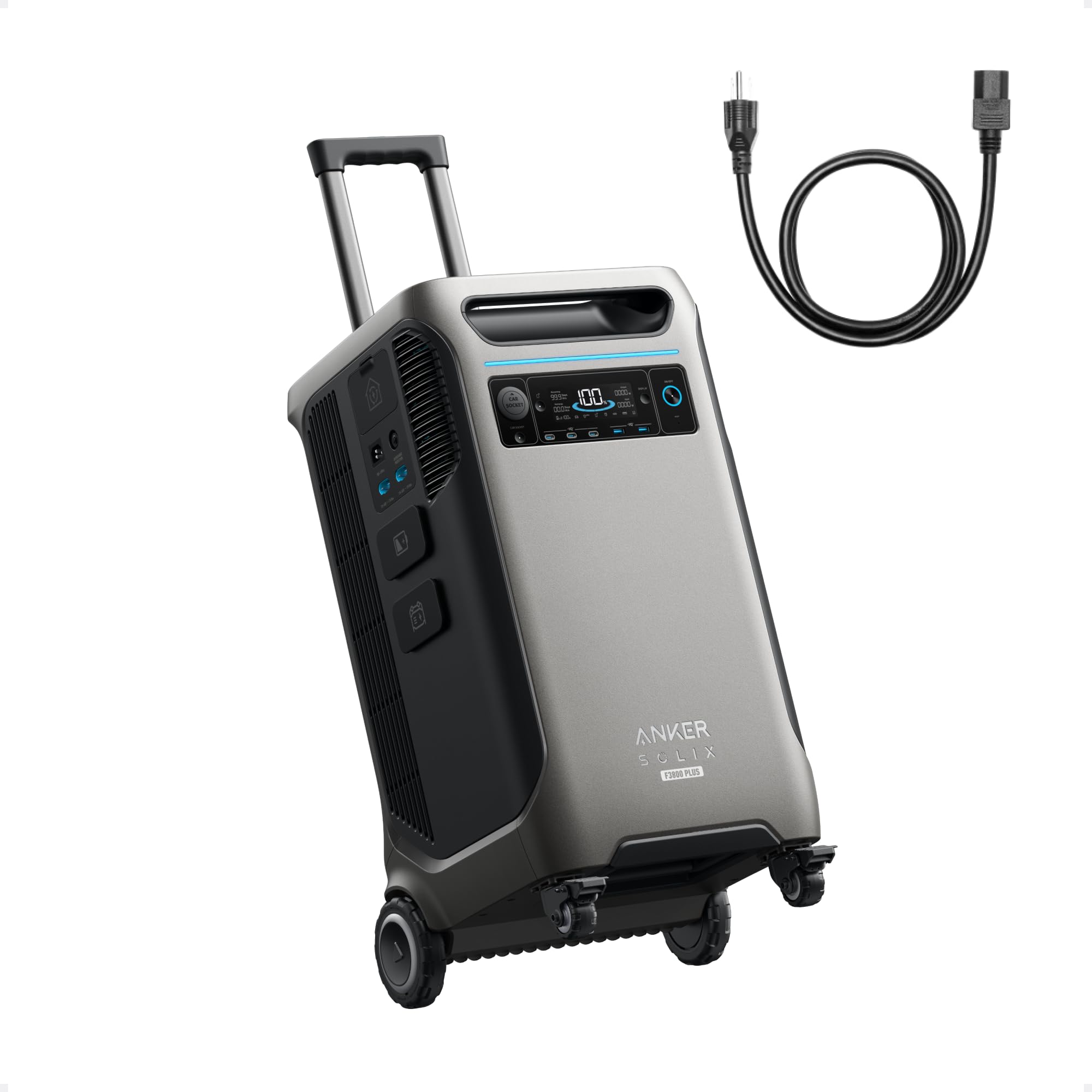
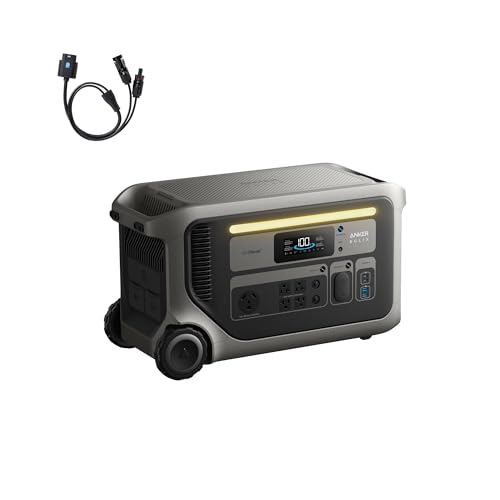
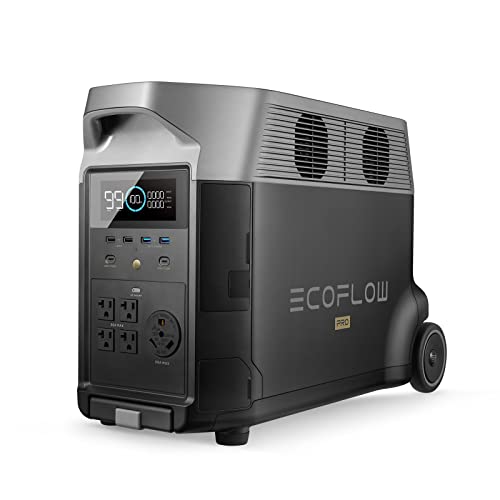
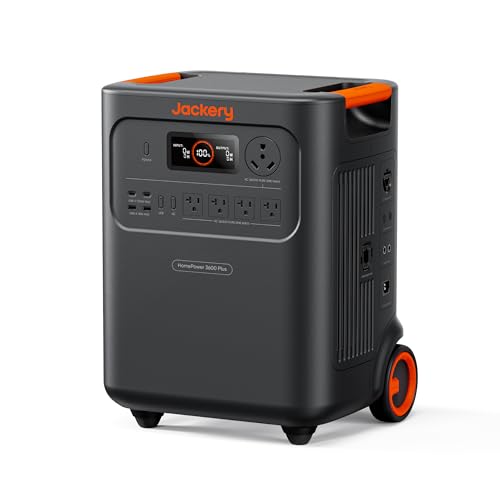
This guide explains who that scale suits, what the numbers on the listing mean in practice, and what you must plan around, from weight to installation. The product table above shows the F3800 family next to other large stations so you can see where it sits on price.




Where the F3800 Fits in the Market
Most portable power stations top out around the size of the C1000. The F3800 plays in a different league. Listings describe a Plus version with a 3,840Wh battery and a battery pack bundle that doubles that to 7,680Wh, with very high solar input. That puts it closer to a small home battery than to a camping cooler.
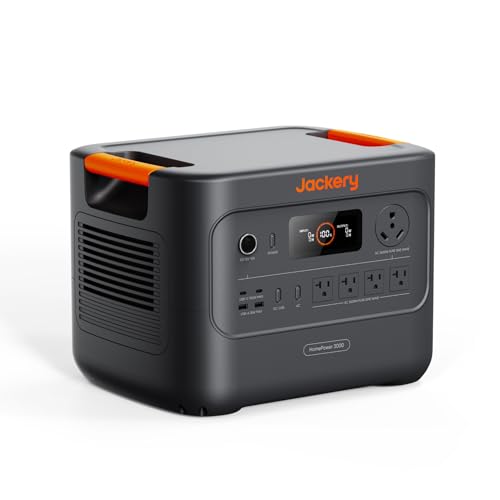
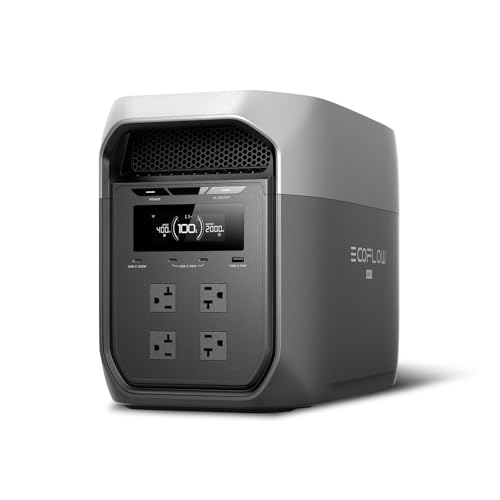
It competes with the largest EcoFlow and Jackery home stations, and the choice between them often comes down to expansion options, panel compatibility and warranty terms.
Capacity and Expansion
The expansion battery, sold as the BP3800, adds capacity without replacing the main unit. That flexibility is the biggest reason to pick this family. You can start with one battery and add another once you know how much runtime you really use.
Keep in mind that expansion batteries are heavy and expensive. Work out your daily watt-hour need first: list the devices, estimate hours of use, and add a safety margin for cloudy days if solar will be part of the plan.
Output, 240V and Generator Adapters
Some bundles include a 240V adapter, which matters if you want to run larger appliances. Never wire a station into a home circuit yourself. Use only the transfer equipment the manufacturer supports, and have a licensed electrician install anything that connects to your panel.
Smaller loads such as lights, laptops, a fridge and internet gear are easy. Large resistive loads, such as electric ovens and big heaters, are still a poor use of battery power.
Solar Charging
Large solar input is a headline feature, and bundles with bifacial panels exist. Solar turns the F3800 from a one-time backup into something you can recharge during a multi-day outage. Panel layout, shading and season will change the real result, so size the array for the worst month you expect.
If you are not ready for a panel purchase, wall charging works too and is far quicker than most buyers expect.
Weight and Placement
Treat the station as furniture. It is heavy enough that moving it up stairs is a two-person job, so choose a permanent spot with airflow around it. Keep it off bare ground in a flood-prone garage, away from heat, and out of reach of children and pets.
Anker SOLIX F3800 Pros and Cons
On the plus side you get large capacity, strong output, expandable batteries, solar flexibility and an app for monitoring. On the minus side you get a heavy unit, a price that rivals small home batteries, and the need for care around electrical connections.
If your needs are smaller, our Anker SOLIX C1000 review explains a more affordable step down.
Comparing It With Rivals
The EcoFlow Delta Pro line and Jackery HomePower models are the natural comparisons. Look at usable capacity, expansion cost, warranty length and what accessories ship in the box. Our EcoFlow Delta 3 Plus review and the best portable power station guide give more context on smaller options.
Planning Your Outage Needs
Start with a simple list. Write down the fridge, router, lights, laptop, phone chargers and anything medical that needs power, then look up each device's wattage and estimate hours of use per day. Add them up and you have a daily watt-hour figure that tells you whether one battery is enough or whether you should plan for expansion.
Next decide how long an outage you want to cover. A few hours needs very little. A multi-day storm needs either extra batteries or enough solar to refill each afternoon. Be honest about winter or cloudy weather, because panel output can drop sharply.
Buying Tips Before You Order
Check exactly what the listing includes. Titles on the marketplace vary between the station alone, the station with an expansion battery, and kits with panels or generator adapters. The same name can mean very different money.
Look at the warranty, confirm the seller, and keep packaging for the return window. Accessories such as covers and connection cables are sold separately, so add them to your budget up front rather than discovering them later.
Noise, Maintenance and Long-Term Use
Large stations use fans when they charge or run heavy loads, though they are far quieter than a petrol generator and produce no fumes. Place the unit where the fan intake is not blocked, wipe dust from the vents occasionally, and keep cables tidy so nothing is pinched under the case.
If the station will sit unused for a long stretch, store it partly charged in a cool, dry place and top it up every few months. A battery left empty for a year is the most common way owners shorten its life. Update the firmware through the app when the maker releases a new version, since those updates often improve charging behavior and safety limits.
FAQs
Can the F3800 power a whole house?
Not on its own for heavy loads. It can cover essentials such as a fridge, lights, internet and some outlets. For anything wired into the home, follow the maker's instructions and use a licensed electrician.
Is it safe indoors?
Battery stations produce no exhaust, which is the big advantage over gas generators. They still need ventilation and a dry location, so follow the manual.
How long does it take to recharge?
That depends on the source. Wall charging is quickest, while solar depends on panel size and weather. Check the current listing for the charging figures for your bundle.
Should I buy the bundle or the base unit?
Bundles with panels, cables or an extra battery can save money if you want those parts anyway. Buy the base unit if you already own compatible panels.
Final Verdict
Our Anker SOLIX F3800 review conclusion is that this station is excellent for people who truly need large, expandable backup power and are willing to plan for weight and installation. For lighter needs a smaller unit will serve better and cost much less. Compare the options in the product table, then pick the capacity that matches your daily watt-hour need. If anything in this anker solix f3800 review still leaves you unsure, the return window is your safety net.
Prices and availability can change, so check the product page before ordering.


