Arctic Freezer 36 Alternative for 2026: Better Air Coolers
Disclosure: We may earn a commission when you buy through links on this page, at no extra cost to you. As an Amazon Associate I earn from qualifying purchases. Learn more

An arctic freezer 36 alternative guide for hotter chips, small cases and quiet builds, with dual tower and premium choices.
The Freezer 36 is a strong value, but it is not the only good cooler at its price, and some builds need something different: a taller dual tower, a quieter fan, a smaller body or a different look. If you are looking for an arctic freezer 36 alternative, this guide explains what to compare and which kinds of coolers fit which builds.
The product table right after this intro lists air coolers from several makers at different sizes and prices, so you can compare cost and design before reading on.



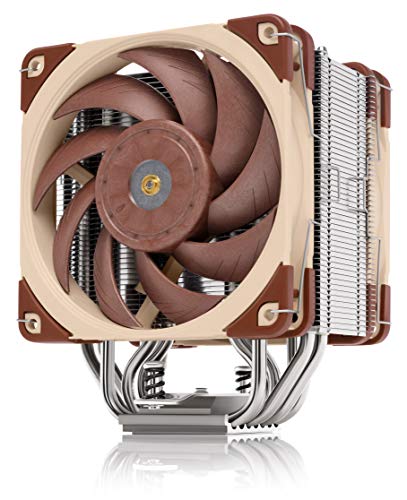
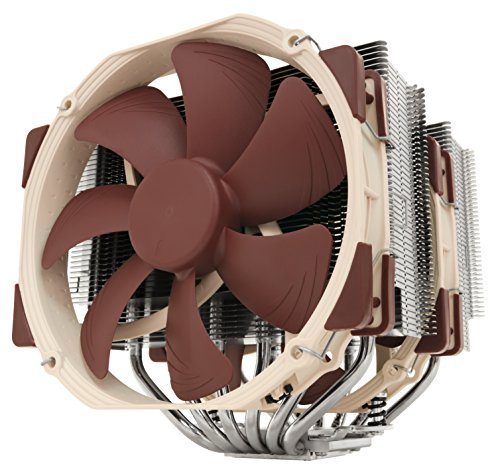
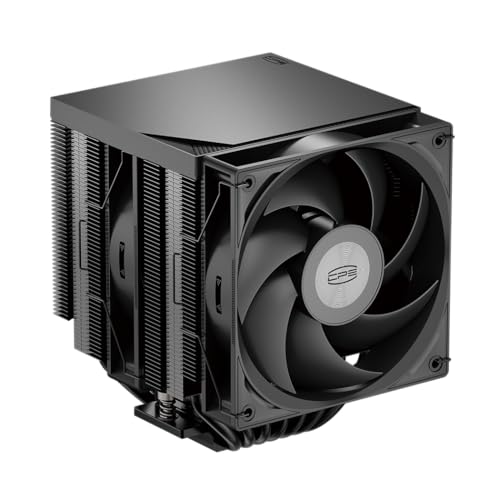

Why Look Beyond the Freezer 36
There are four common reasons. You may have a hotter processor that needs more cooling than a single tower can give. You may want a dual tower design for lower noise at the same temperature. You may need a shorter cooler for a compact case. Or you may simply want a different color, lighting style or brand.
Types of Alternatives
Dual Tower Air Coolers
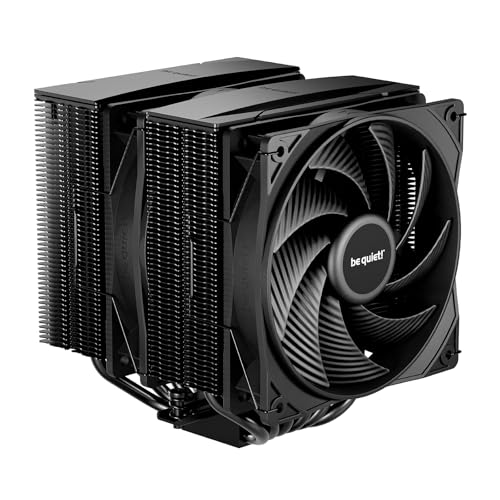
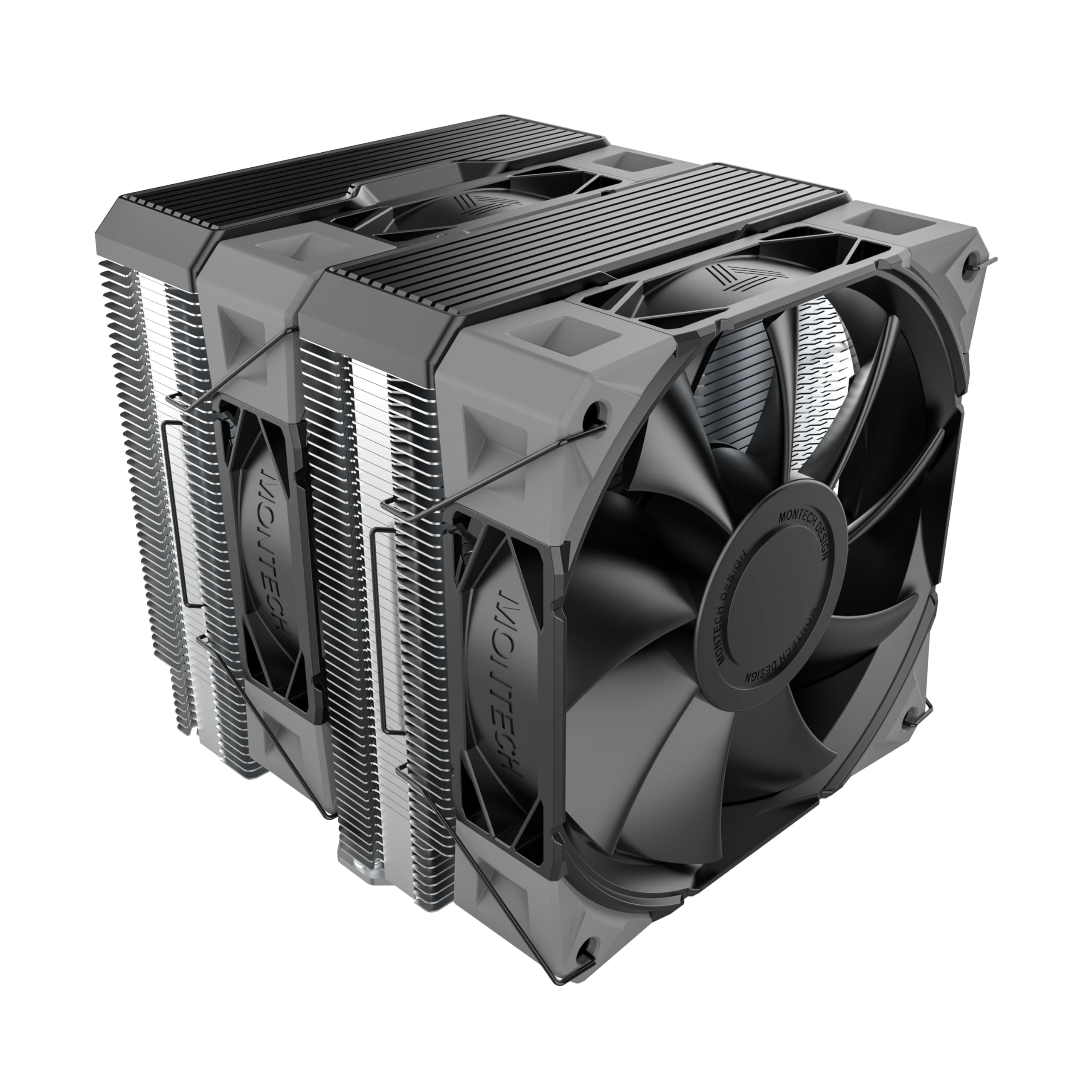
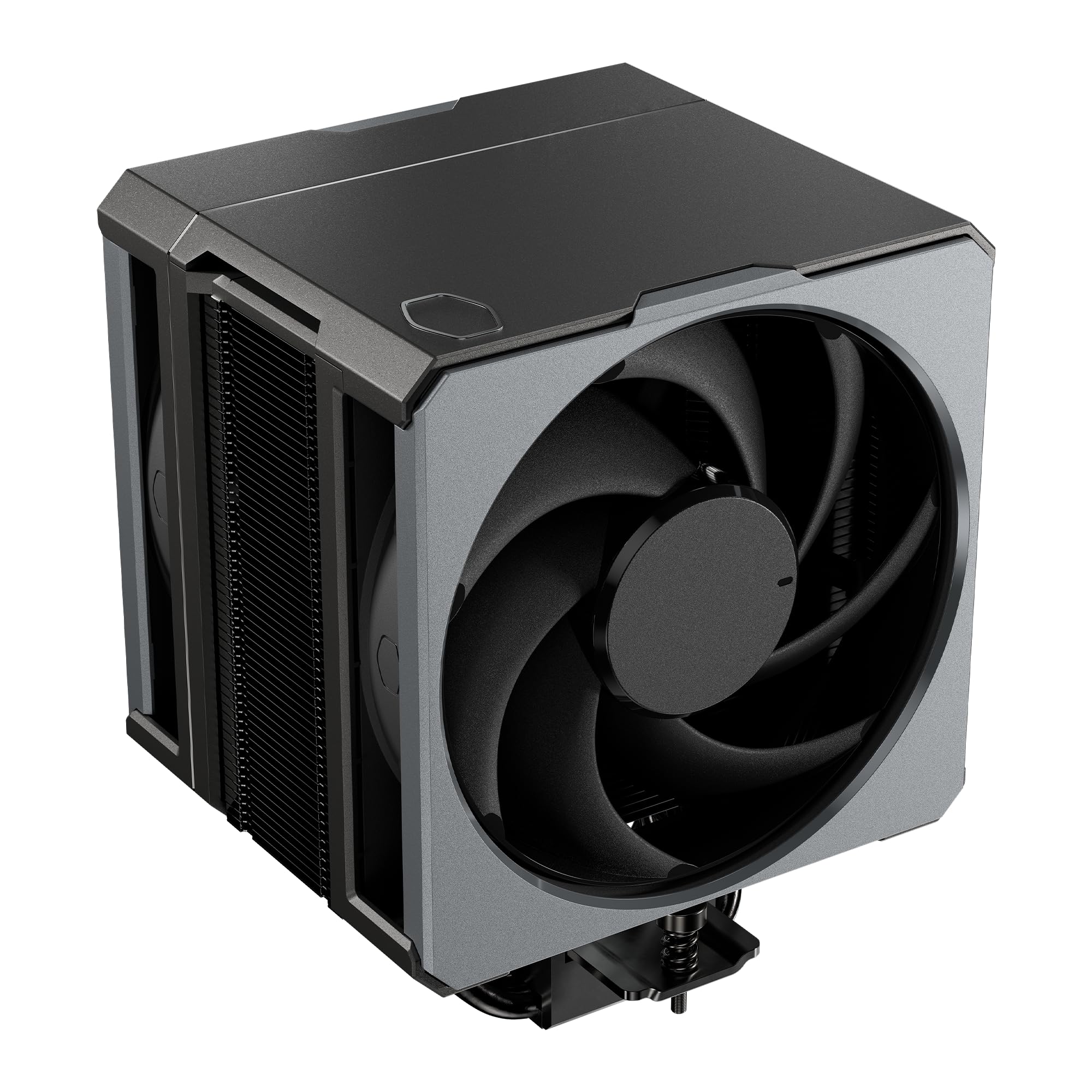
These have two fin stacks and usually two fans, and they move more heat at the same noise level. A well known budget dual tower from Thermalright is often recommended in the same price class as the Freezer 36, and it beats most single tower coolers on cooling. Dual towers are taller and heavier, so check case clearance and memory clearance.
Premium Quiet Air Coolers
Brands such as Noctua sell large coolers with excellent fans and a long warranty. They cost much more than the Freezer 36, but they run very quietly and stay reliable for years. They suit builders who want the quietest PC and plan to keep the cooler for several upgrades.
Mid Price Single Tower Coolers
Single tower coolers from other makers offer a different look or a lower height at a similar price. They are a good choice for smaller cases or if you want a specific color.
Compact and Low Profile Coolers
If your case is small, a low profile cooler is the safe choice. It will not match the performance of a big tower but fits where the Freezer 36 cannot.
What to Compare
- Cooling capacity: check the maker's rating and match it to your processor.
- Height: measure the clearance in your case.
- Memory clearance: front fans can collide with tall RAM.
- Fans: look for fluid dynamic or similar quality bearings and PWM control.
- Mounting: confirm support for your socket, including newer ones.
- Price: include the cost of thermal paste if it is not supplied.
Noise
Noise depends on the fan and the load. Dual tower coolers can use slower fans to reach the same temperature, which means a lower pitch and less noise. Check recent feedback for fan sound and coil whine, since quality varies between makers.
Matching an Arctic Freezer 36 Alternative to Your Build
For a midrange gaming PC with a mid power processor, a budget dual tower is the best step up, and it often costs about the same. For a high power processor, choose a large dual tower or a liquid cooler. For a small case, choose a low profile model and keep the airflow clear. For a silent workstation, choose a premium cooler with a quiet fan.
If you want an all in one liquid cooler instead, read our arctic liquid freezer iii pro 360 review for how liquid cooling compares.
Budget Tiers and What They Buy
At the bottom, small single towers cost about the same as the Freezer 36 and deliver similar cooling with a simpler design. In the middle tier, budget dual towers cost slightly more and give a clear step up in cooling and noise. At the top, premium air coolers cost several times as much and reward you with very quiet fans, strong build quality and long warranties.
Spending more does not always mean better temperatures, because the processor and case matter as much as the cooler. If your processor draws moderate power, the middle tier is the sweet spot. If your build is a silent home theater PC or a workstation, the premium tier is worth considering for the noise alone.
Looks and Lighting
Some coolers include RGB lighting or a white finish to match a themed build. These add a little to the price and nothing to cooling. Decide whether the look matters for your case, then pick the best performer in that style.
Compatibility With Newer Sockets
New processor platforms sometimes need an updated mounting kit. Check that the cooler lists your exact socket, and look at whether the maker offers a free bracket if you buy an older stock. A cooler that fits on paper but needs an extra part will delay your build.
Keeping Any Cooler in Good Shape
Dust slowly clogs the fins and reduces airflow. Every few months, turn off the PC and blow the dust out of the cooler and the case with compressed air, holding the fan blades still. Check that the fans spin freely and that the mounting is still firm. If you hear a new rattle or a change in pitch, a failing fan bearing is the likely cause and a replacement fan is cheap.
Installation Notes
Large coolers need a backplate and careful mounting, and they can put stress on the motherboard if the case is moved often. Tighten the mount evenly, and remove the heavy fans before shipping a PC. Check that the cooler does not touch the first PCIe slot or the top of the graphics card.
Thermal Paste
Most coolers include paste. Apply a pea sized dot in the center of the processor, and let the pressure spread it. If you want a better compound, a high quality paste costs little and may lower temperatures by a degree or two.
FAQs
Is a dual tower always better than a single tower?
For cooling and noise, usually yes. For size and clearance, a single tower is easier.
Do I need a liquid cooler?
Not for most builds. A good air cooler is enough for midrange processors.
Will an alternative fit my case?
Measure the clearance and check the listing height before ordering.
Are cheap coolers reliable?
Many are, but read recent feedback and check the warranty.
Final Verdict
The best arctic freezer 36 alternative depends on your processor, your case and your noise goals. Use the table to compare options, measure your clearance, and check the product page for current pricing.