Best 10x Optical Zoom Cameras: Point and Shoot and Bridge Cameras for 2026
Disclosure: We may earn a commission when you buy through links on this page, at no extra cost to you. As an Amazon Associate I earn from qualifying purchases. Learn more

The best 10x optical zoom cameras explained: real zoom versus digital zoom, stabilization, sensor size and the shooting situations a 10x lens suits.
A 10x optical zoom is the point where a camera starts to reach across a park, a stage or a playing field without making the body huge. This guide to the best 10x optical zoom cameras explains what the zoom number means, which trade-offs come with it and how to pick a camera that suits the way you shoot.
The table above lists current digital cameras that advertise 10x optical zoom. Cameras that use the same phrase for conferencing or security are covered at the end of the guide, because they serve a different purpose.


What 10x Optical Zoom Means
Optical zoom changes the real focal length of the lens, so the picture stays sharp as you zoom in. A 10x range means the longest setting is ten times the shortest. A lens that starts at a wide, everyday angle will therefore reach a tight telephoto view, which is useful for pets, children at play, concerts, sports from the sideline and wildlife at a respectful distance.
Digital zoom is different. It crops the picture and enlarges it, which lowers the quality. Many listings stack a digital number on top of the optical one, so always find the optical figure and treat the rest as a convenience.
How to Choose the Best 10x Optical Zoom Cameras
Sensor Size and Image Quality
Cameras with a long zoom usually use a small sensor so the lens can stay compact. That works well in daylight but gives noisier pictures indoors and at dusk. If you often shoot in dim places, expect to use a tripod, a lower zoom setting or the flash.
Image Stabilization
At long zoom the smallest hand movement shakes the frame. Optical or sensor-shift stabilization reduces blur, while purely digital stabilization helps less on stills. When you shoot at full zoom, hold the camera with both hands, brace your elbows and use a faster shutter speed if the camera allows it.
Lens Brightness at the Long End
A lens that lets in more light at full zoom lets you shoot sharper pictures in worse light. Listings often show the aperture range, such as a lower value at wide and a higher value at telephoto. A smaller number means a brighter lens.
Viewfinder or Screen
A rear screen is simple to use but hard to see in sun. A built-in viewfinder is steadier at long zoom because the camera presses against your face. Flip screens help with low and high angles and with selfies.
Video Capability
Many of these cameras record video as well. Check whether the zoom works while you record and whether the lens noise is picked up by the microphone. If video matters, look at the supported resolutions and frame rates, and remember that card speed affects how long the camera can record.
Controls and Handling
If you plan to use manual modes, look for a mode dial, a customizable button and a grip that fits your hand. If you want simple snapshots, automatic scene detection and a clear menu will help you more.
Types of Cameras With 10x Zoom
Compact Point and Shoot
Slim and pocketable, these cover everyday trips and family events. The zoom is usually the main selling point, and image quality is good in daylight.
Bridge Cameras
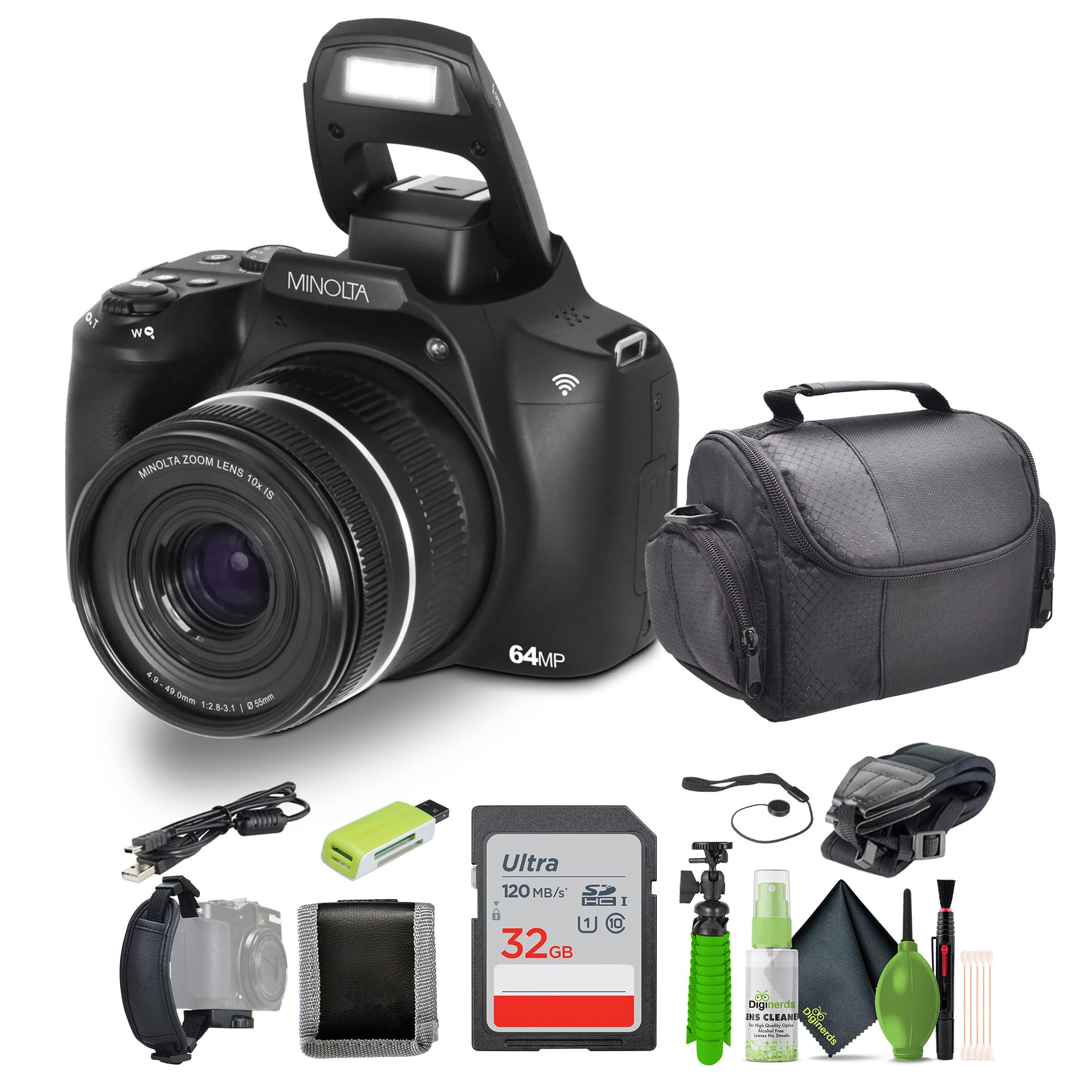
A larger body with a grip, a viewfinder and a longer lens barrel. Bridge cameras often give you more control, steadier handling and sometimes a higher zoom range than compacts.
PTZ and Conferencing Cameras
Pan-tilt-zoom cameras with 10x optical zoom are made for meeting rooms, classrooms and streaming. They connect over USB or a network, are controlled by remote or software and are not designed for photography. If you need a camera for a room, search for a conferencing camera instead.
Shooting Tips at 10x
- Use a tripod or lean on a wall or a post for distant subjects.
- Raise the shutter speed when the subject moves.
- Zoom in on distant detail instead of walking closer when you do not want to disturb a subject.
- Turn on the grid on the screen to keep the horizon straight at long zoom.
- Clean the lens often, since fingerprints are more visible at long zoom.
Matching Zoom to Real Situations
At the short end, the lens is wide enough for group photos, buildings and landscapes. Around the middle, it frames a person across a room or a child on a playground in a natural way. At full zoom, it picks out faces in a crowd, a performer on stage from a seat halfway back or an animal across a field. Imagine the distances you shoot at most often and decide whether ten times is the right reach or whether you would be happier with a lens that is wider or longer.
If you shoot mostly indoors at family events, a wide start matters more than the telephoto end. If you travel for landscapes and street scenes, you may use the zoom less than you expect, and a smaller, lighter body might be the better choice.
Care and Accessories
Keep the camera in a padded case, protect the lens with a hood or cap and store memory cards in a small holder. A spare battery helps on long days, and a small tripod makes a large difference at the long end of the lens. Format the card in the camera and copy your files home after each outing.
10x Optical Zoom Cameras: Your Questions Answered
Is a 10x zoom enough for wildlife?
For large animals at moderate distance, yes. For small birds or distant animals, a longer lens or binoculars will show more detail, and approaching quietly helps more than zoom.
How is optical zoom different from the zoom on a phone?
Phones combine a few fixed lenses with digital cropping. A camera with real optical zoom changes the lens itself, which keeps detail through the range and gives a natural look at long focal lengths.
Do I need a tripod?
Not always, but it helps in low light and at the longest zoom. A small tabletop tripod fits in a bag and improves sharpness.
Why do some listings show huge megapixel numbers?
Megapixel figures sell cameras but say little about quality. Sensor size, lens and processing matter more, and some high numbers come from software that enlarges the image.
Final Thoughts
Choose by how and where you shoot: a compact for pocket convenience, a bridge camera for steadier handling or a conferencing camera if the goal is a room. The best 10x optical zoom cameras balance the zoom range with stabilization and a lens that works in the light you actually shoot in. Compare the options in the table above and keep realistic expectations for dim rooms.