Best 10x42 Binoculars for Bird Watching: Field Features That Matter for Identifying Birds for 2026
Disclosure: We may earn a commission when you buy through links on this page, at no extra cost to you. As an Amazon Associate I earn from qualifying purchases. Learn more
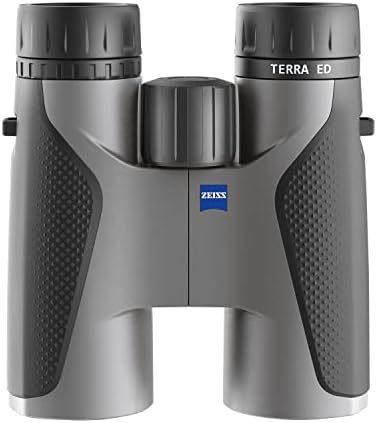
How to pick the best 10x42 binoculars for bird watching: wide view, close focus, color accuracy and a comfortable hold for long mornings outside.
Bird watching rewards binoculars that find a fast-moving bird quickly, show its colors truthfully and stay comfortable through a long morning. This guide to the best 10x42 binoculars for bird watching explains why the size suits the hobby and which features help you tell one species from another.
The table above lists current models. Read the sections below to learn which details matter most when the subject is a small bird in a tree. The aim is to help you judge the best 10x42 binoculars for bird watching by how quickly they help you find and name a bird.


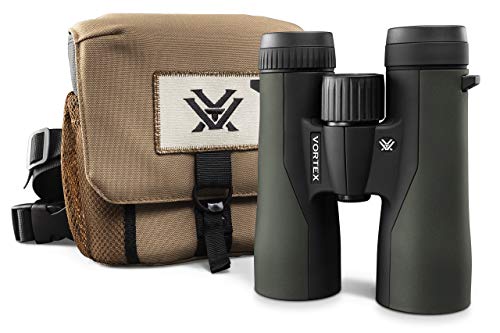


Why 10x42 Works for Bird Watching
Ten times magnification brings a sparrow on a distant branch close enough to see its markings, while the 42 millimeter lens collects enough light for the early hours when birds are most active. The combination is a favorite among people who watch in woods, wetlands and open fields.
The trade-off is a narrower field of view than lower-power binoculars, and a little more shake. Birders who struggle to find birds quickly sometimes switch to eight times magnification, but many enjoy the extra detail of ten and learn to steady their hold.
Features That Matter for Birds
A Wide Field of View
When a warbler flits between leaves, a wider view makes it far easier to keep in sight. Compare the field of view stated for each model and favor the wider ones, as long as the edges stay sharp.
Close Focus Distance
Birds often feed at close range, and butterflies and dragonflies attract the same observers. A close focus under about six feet lets you enjoy them without switching gear. If a listing does not state the distance, check recent buyer comments.
Color Fidelity
Identification depends on color: the wash of yellow on a wing, a rusty cap, the white bar on a tail. Good coatings keep colors natural, while poor ones tint the picture. Premium glass reduces color fringes that can confuse a quick look at a bird against a bright sky.
Eye Relief and Eyeglasses
If you wear glasses, you need enough eye relief and eyecups that fold or twist, so the full circle of view stays visible. Try the pair with your glasses on if you can, or check the return conditions.
Focus Wheel Speed
A smooth focus wheel that moves from near to far in a short turn helps you refocus when a bird flies toward you or away. A wheel that is stiff or slow makes you miss moments.
Weather Resistance
Mornings are damp, and rain-proof, fog-proof binoculars keep working. Rubber armor protects them from knocks on branches and rocks.
Building Good Habits With Binoculars
Look at the bird first, then raise the binoculars without moving your eyes from it. Pick a landmark, such as a branch fork, and find the bird relative to it. Practice at a feeder at home before you go on a trip. Learning to find a bird fast matters more than any single feature of the binoculars.
Move slowly, keep still when a bird is close, and use the sound of birds to guide your search. Pair the binoculars with a field guide or an identification app, and note field marks such as the shape of the bill and the wing bars before you flip pages.
Comfort on Long Outings
A harness on the chest takes weight off your neck. Check that the barrel width fits your eye spacing, and that your thumbs rest in comfortable positions. If your arms tire quickly, rest your elbows on a railing or a fence post.
Where You Watch Changes What You Need
In dense woodland, birds are close and the light is poor, so a bright view and a short close focus matter most. On a lake or a coast, birds are far away and you scan wide areas, so magnification and a steady hold help, and a tripod or a spotting scope can complement binoculars. In an open field or a prairie, a wide field of view lets you follow a raptor overhead.
Backyard watchers need less: a reliable midrange pair, kept by the window, is enough to enjoy visitors at a feeder. People who travel for birding benefit from a rugged body with strong seals and a harness that makes a day in the field comfortable.
Caring for Your Pair in the Field
Wipe off rain with a soft cloth before you put the pair away, and let it dry in the open air so moisture does not stay in the straps and case. Use the lens caps when you walk through brush, since twigs scratch coatings. Clean the eyepieces with a lens pen, as skin oil builds up there. Keep the strap short enough that the binoculars do not swing into rocks when you bend over.
Matching Binoculars to Your Level
- Beginners: a sturdy, reasonably priced pair with sealed construction and good eye relief.
- Regular birders: a midrange pair with sharper edges, wide view and better low-light handling.
- Serious listers and guides: premium glass with exceptional color accuracy and a warranty for years of use.
Mistakes New Birders Make
The common ones are buying a pair with too much magnification, which makes birds hard to find, choosing a heavy pair that stays at home, and ignoring eye relief. Another is spending on a bundle that looks generous but contains a weak pair of optics. A single good pair beats a bag of extras.
10x42 Binoculars for Bird Watching: Your Questions Answered
Is 8x42 better than 10x42 for birding?
Eight times is steadier and shows a wider view, which helps you find birds. Ten times gives more detail at distance. Try both if you can and see which suits your eyes.
Do I need waterproof binoculars for bird watching?
For regular outdoor use, yes. Mornings are damp and weather changes quickly, so sealed binoculars protect your investment and avoid foggy lenses.
What close focus is good?
A short distance such as six feet or less is helpful for nearby birds and insects.
Can I photograph through binoculars?
Some models work with phone adapters. Alignment takes practice, and a steady hold or a small tripod helps.
Final Thoughts
The right pair makes bird watching easier and more rewarding. The best 10x42 binoculars for bird watching give you a wide, sharp view, truthful colors and a comfortable hold that lasts through a long morning. Compare the models in the table above with those needs in mind.