Best 10x50 Binoculars for Hunting: Stand Hunting, Last Light and Camo Finishes for 2026
Disclosure: We may earn a commission when you buy through links on this page, at no extra cost to you. As an Amazon Associate I earn from qualifying purchases. Learn more

Waiting in a stand favors big glass. See how the best 10x50 binoculars for hunting handle last light, rain and long glassing sessions.
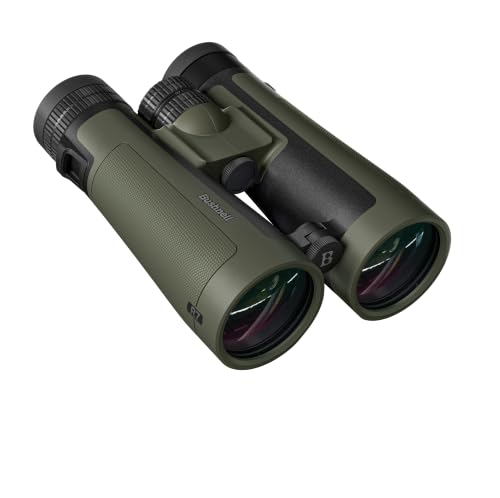
Stand hunters, blind hunters and anyone who spends long hours glassing a field know that big glass pays off in the last light of the day. A 10x50 pair pulls in more light than a 10x42 and gives a relaxed, bright picture when the sun drops behind the trees. This guide to the best 10x50 binoculars for hunting explains how to choose a pair and how to use it well.
The table above lists models from budget porro designs to premium roof prisms, including camouflage finishes. The sections below show how they differ in the field. Weigh each point from a stand or a blind, because the best 10x50 binoculars for hunting are the ones that stay bright and steady while you wait.



Why Hunters Choose 10x50
The 50 millimeter lens gives a five millimeter exit pupil, which makes the picture bright in the gray minutes before sunrise and after sunset. That is when many animals step out into the open, and when every extra bit of brightness helps you judge an animal before the legal shooting light ends. Ten times magnification adds detail when you look across a field or a clearcut.
The cost is weight and size. Hunters who still-hunt or walk miles often prefer a 10x42 for carrying. Hunters who sit, glass and wait appreciate the larger lens.
Features That Matter in the Field
Brightness and Contrast
Fully multi-coated lenses help in dim light and reduce glare when the sun is low. Better prism glass gives a clean, contrasty image. Check buyer feedback on performance at dusk, not only in daytime.
Camouflage and Quiet Finish
A camouflage pattern helps conceal the pair when it hangs on your chest, and a matte rubber finish reduces glare and noise. Avoid shiny surfaces, which can flash in the sun.
Weather Sealing
Rain, snow and fog are part of the season. A waterproof, fog-proof pair keeps working when you move from a warm vehicle to a cold stand. Rubber armor protects the body from knocks against a rail or a rifle.
Weight and Harness
A harness is essential for a heavy pair. It spreads the load, keeps the binoculars tight to your chest and prevents them from swinging when you climb into a stand.
Rests and Mounting
A steady pair makes it easier to judge an animal. Rest the pair on a window sill, a rail or a shooting stick, or mount it on a small tripod. A tripod socket is useful for long glassing sessions.
Eye Relief and Gloves
Choose a pair with generous eye relief if you wear glasses and a focus wheel that you can turn with gloves on.
Glassing From a Stand
Before light, set up your rest and your harness. Scan the edges and the shadows first, where animals move in the first light. Look at the ground below the trees, not only at the open field.
Use your binoculars to confirm a shape before you decide. Keep movements slow and use the rest as a base for stable viewing.
As light fades, keep scanning and let your eyes adjust. A 10x50 pair keeps a bright image longer than smaller binoculars, which helps you judge antlers or body size in the last minutes.
Hunting Styles and the Size Question
- Stand and blind hunting: a 10x50 is an excellent partner because you carry it a short distance and rest it.
- Spot-and-stalk in open country: a 10x42 may be easier on long climbs, but a 10x50 on a tripod gives better detail at distance.
- Waterfowl and field hunting: a rain-proof 10x50 is helpful for early starts and decoy spreads.
- Hunts with long walks: a lighter pair is probably the better choice.
Rangefinders, Harnesses and Extras
A separate rangefinder is simpler than rangefinder binoculars and keeps costs down. A quality harness, a rain guard, lens covers and a lens pen are useful extras. A small bean bag or a shooting stick can serve as a rest.
Scouting Before the Season
Use your binoculars to learn the ground before the season opens. Sit where you plan to hunt and glass the edges at the same time of day that animals move. Note trails, bedding areas and where the sun hits first. A big-lens pair makes it easier to look into shadows and see the shape of a deer standing in cover, which tells you where to place a stand.
Take a picture of what you see or draw a quick map. By opening day, you will know which areas to glass first and where an animal is likely to appear.
Buying With Safety and Courtesy in Mind
Always identify your target and what lies beyond it with your binoculars, never through a scope on a rifle. Binoculars are for observing, and they let you check for other hunters and for the legal status of the animal. Follow local regulations about shooting hours and carry your license and permits.
Maintenance Between Hunts
Dry the pair and the harness after wet days. Check the strap lugs and the eyecups. Clean the lenses with a blower, a lens pen and a microfiber cloth.
Store the binoculars in a dry place, away from heat. Before the season, set the diopter and check the alignment.
Choosing a Budget Level
Hunting binoculars range from inexpensive porro pairs to premium roof prism glass. A modest pair gives a bright image for the money and works well on a stand if you keep it dry. A midrange pair adds better coatings, strong seals and a more refined feel.
Premium pairs offer the clearest view in the final minutes of light. Spend what you can reasonably afford, then keep some money for a harness and a rain guard.
10x50 Binoculars for Hunting: Your Questions Answered
Are 10x50 binoculars better than 10x42 for hunting?
They are brighter in low light but heavier. For stand hunting, they are an excellent choice. For long walks, a 10x42 is easier to carry.
Do I need a tripod?
For long glassing sessions, it helps. A tripod socket is a useful feature even if you often hold the pair by hand.
What about rangefinder binoculars?
They are convenient but costly, and a separate rangefinder is a simpler option for many hunters.
Is camouflage worth it?
It helps a little. A matte finish and careful movement matter more.
Final Thoughts
For hunters who sit and wait, bigger glass gives a real advantage in the minutes that matter. The best 10x50 binoculars for hunting are bright, sealed and quiet, and come with a harness that makes them comfortable. Compare the models in the table above and match the pair to your style of hunting.