Best 10x50 Binoculars for Stargazing: Easy Sky Watching for Beginners for 2026
Disclosure: We may earn a commission when you buy through links on this page, at no extra cost to you. As an Amazon Associate I earn from qualifying purchases. Learn more

New to the night sky? The best 10x50 binoculars for stargazing are easy to use; see what you can see and how to stay comfortable outside.
Stargazing should be relaxing, and the right pair of binoculars makes it so: you lift them, point them at a bright star and a whole field of stars appears. This guide to the best 10x50 binoculars for stargazing is written for beginners who want an easy start and for families who want to share the night sky.
The table above lists models for different budgets. Read on to learn how to get comfortable views without a lot of equipment.



Why Binoculars Suit a Beginner Stargazer
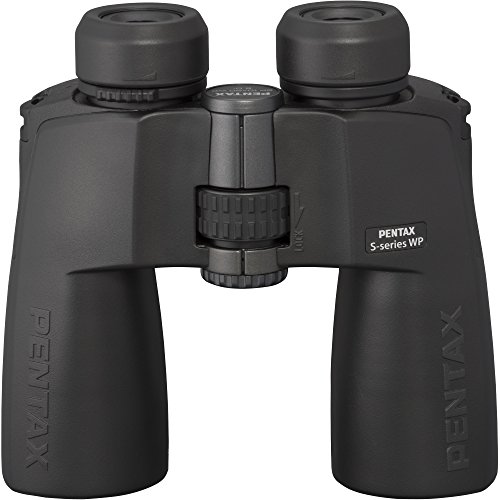
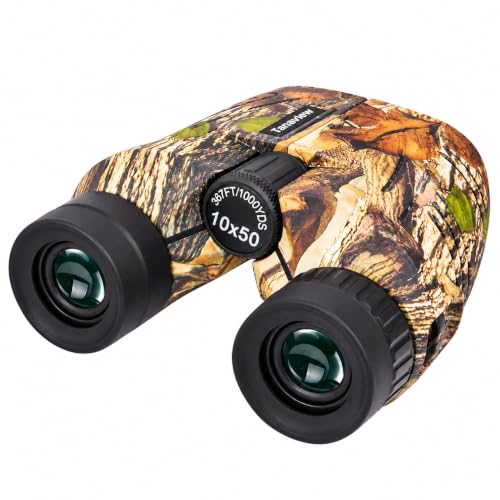
Binoculars are simple. You do not align or polar-align anything, and you can see the effect of what you do right away. They show a wide field of the sky, which makes finding your way around easier than with a high-power telescope. They also work for daytime nature watching, so the purchase serves you all year.
A 10x50 pair is large enough to show many faint stars and still portable enough to carry in a car. The five millimeter exit pupil lets your eyes use the light well in the dark.
How to Choose the Best 10x50 Binoculars for Stargazing
Comfort First
Stargazing sessions last longer than a daytime look at a bird. Choose a pair with a body that fits your hands and a strap that does not cut into your neck. Consider how it feels after a minute at arm's length, because heavier pairs become tiring quickly.
A Tripod Socket
A tripod makes the biggest difference for beginners. With the binoculars held still, stars become points and faint objects appear. Choose a pair with a built-in socket, or buy an adapter for the hinge. Even a simple camera tripod works.
Bright, Clean Optics
Look for fully multi-coated lenses, which show more faint stars and less glare around bright objects. Entry-level pairs with only coated optics show a dimmer sky. Sharp stars across most of the field are a sign of a good design.
Diopter and Focus
Set the diopter once under a bright star, then use the center wheel for fine adjustments. Check that the focus is smooth and holds its position without drifting.
Eye Relief and Eyecups
If you wear glasses, check the eye relief, and look for eyecups that fold down. If you are lightly nearsighted, you may find you can take your glasses off and refocus.
Build and Weather
Dew is the stargazer's companion. Water-resistant or sealed pairs handle the damp air better. Keep lens caps on between targets.
Reducing Neck and Arm Strain
- Lie on a reclining chair so your head and arms are supported.
- Rest your elbows on the arms of a chair or on a table.
- Use a monopod or a tripod with a head that tilts upward easily.
- Stand with your back against a wall or a car.
- Take breaks every few minutes and stretch your neck.
What to Look For on Your First Night
Start with the Moon. Then try bright star clusters, such as the Pleiades in autumn and winter, and the double cluster in Perseus. In winter, the nebula in Orion shows as a soft glow, and in summer, the Milky Way glows in many faint stars. Look for the four bright moons around Jupiter when it is visible, and the crescent shape of Venus when it is bright.
Do not expect color or details like those in photographs. Binoculars show subtle glows, and your eyes will gradually see more as they adapt. Give them twenty minutes in the dark.
Make It a Family Activity
Children enjoy the Moon and star clusters, and a pair on a tripod is easier for small hands to use. Print a simple star map, bring blankets and hot chocolate, and let everyone have a turn. Binoculars also invite conversation about what you see, which makes the evening memorable.
Seasons for Stargazing
Winter nights are long and the sky is rich with bright stars, but the cold is hard on hands and batteries. Dress in layers, wear gloves that let you handle the focus wheel and keep the lens caps on until you need them. Summer offers warm evenings and the Milky Way, though humidity and insects can be a nuisance, so a light jacket and repellent help.
Spring and autumn give a good balance. Autumn, in particular, brings the Pleiades and Andromeda galaxy high in the evening sky, and the weather is often clear and calm.
Choosing Your Observing Spot
Look for a place with a wide view of the sky and no bright lights nearby. A backyard with a shadow from a house can block a streetlight. A park or an open field a short drive away may be much darker.
Tell someone where you are going, bring a charged phone and arrive in daylight so that you can see the ground. Return a few times, and you will learn how the sky changes with the seasons.
Care and Storage
Cap the lenses when you finish, and let the pair warm to room temperature before bringing it inside, so condensation does not form inside the body. Wipe dew from the outside with a soft cloth. Store the pair in a dry place, in a case.
10x50 Binoculars for Stargazing: Your Questions Answered
Are 10x50 binoculars good for beginners?
They are a good choice, especially with a tripod. Without support, the shake can frustrate beginners, so plan for a rest.
What is better, binoculars or a telescope?
Binoculars are simpler and show a wide field. A telescope shows more detail on the Moon and planets. Many people start with binoculars.
How dark should the sky be?
Darker is better. You can see the Moon and bright objects in a city, but faint clusters and the Milky Way need a dark site.
Do I need a red light?
A red flashlight preserves your night vision while you read a chart. It is inexpensive and helpful.
Final Thoughts
The best way to start is simple and comfortable. The best 10x50 binoculars for stargazing are bright, easy to hold or mount and a pleasure to share. Compare the models in the table above, add a tripod and a chair, and enjoy the first clear night.