
Best 120mm Cameras: Understanding 120 Roll Film and Lens Terms Before You Shop
Disclosure: We may earn a commission when you buy through links on this page, at no extra cost to you. As an Amazon Associate I earn from qualifying purchases. Learn more
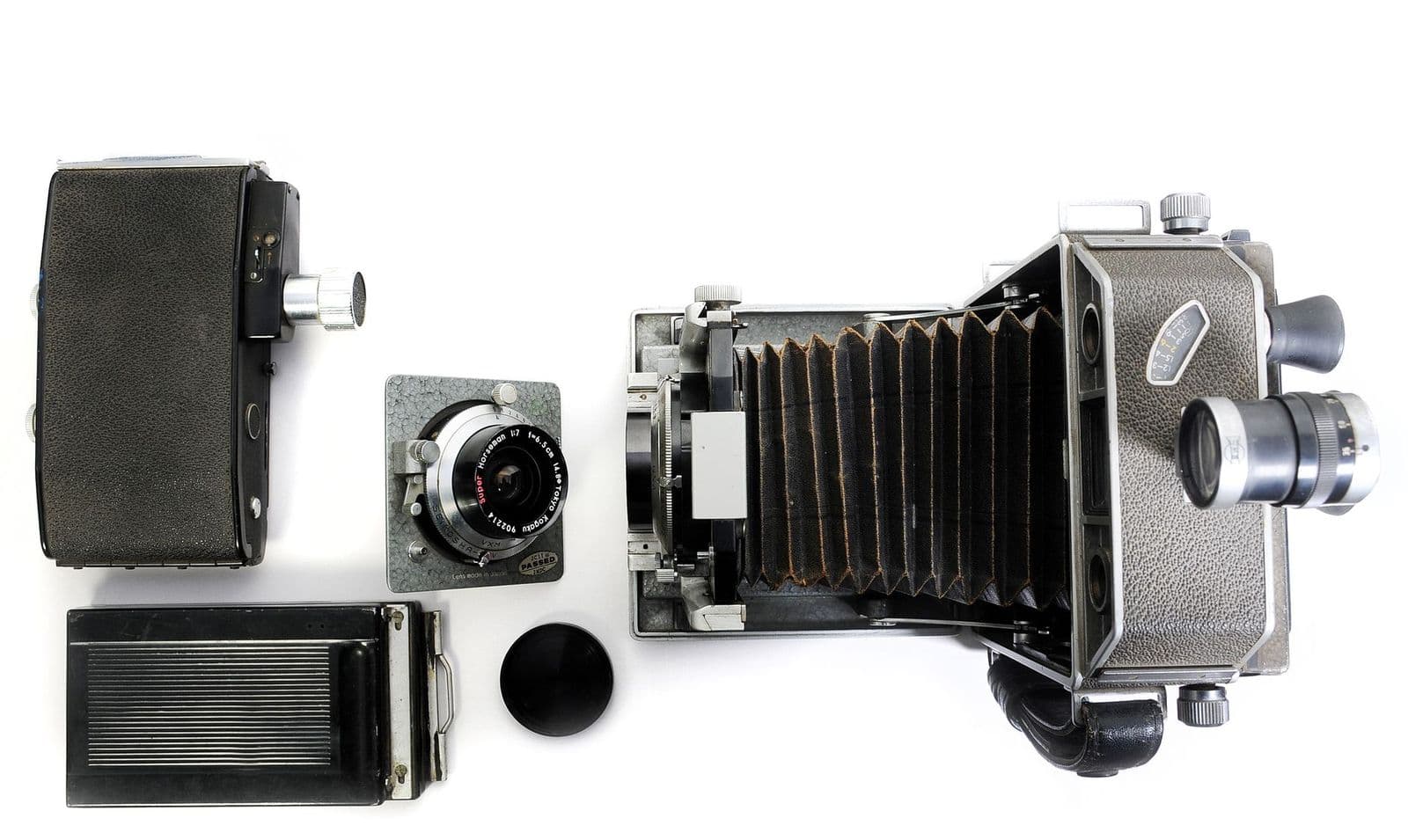
Best 120mm cameras can mean medium format 120 film bodies or 120mm lenses. Learn what each means and how to choose wisely.
Search for a 120mm camera and you will find two very different things. Some listings mean cameras that shoot 120 roll film, the medium format film used by classic and toy cameras. Others mean lenses with a 120 millimetre focal length or accessories sized to 120 millimetres. Knowing which you want is the first step to finding the best 120mm cameras for your needs.
This guide explains the terms, describes the types of 120 film camera and lists what to check on condition, film supply and costs. It also points you to broader camera advice if what you really want is a modern digital body.
Two Meanings of 120
The number 120 names a roll film format, not a length. It is wider than 35mm film and produces large negatives, which is why it is called medium format. Cameras that load this film are often described as 120 cameras, and the name is sometimes shortened to 120mm in listings, which confuses buyers.
Separately, a lens with a 120 millimetre focal length is a short telephoto or macro lens used on mirrorless and DSLR bodies. Product pages that mention a 24-120mm zoom are describing lens range, not a 120 film camera. If you want a digital body, read our guide to digital cameras instead.
What 120 Film Gives You
A bigger negative captures more detail and smoother tones than 35mm film. Common frame shapes include square, rectangular 6x4.5 and wider 6x7 frames, and the camera decides which you get. A roll yields fewer frames than 35mm film, typically eight to sixteen depending on format.
Fewer frames per roll makes each shot more deliberate, which many photographers enjoy. The trade-off is a higher cost per frame and slower handling than modern digital cameras.
Types of 120 Film Camera
Toy cameras, such as plastic bodies with simple lenses, are cheap, light and full of character, with soft focus, vignetting and occasional light leaks. They suit photographers who want an unpredictable, lo-fi look.
Twin-lens reflex cameras use a viewing lens above the taking lens and are well loved for their waist-level viewfinder and square frames. Folding cameras are compact but delicate. Medium format SLRs and rangefinders offer interchangeable lenses and precise controls, but they cost much more and are usually bought used.
How to Choose the Best 120mm Cameras for Your Style
Decide how much control you want. A simple plastic camera needs only film and daylight, while an SLR or rangefinder asks you to set exposure and focus manually. Think about weight too, since medium format bodies are heavier than you might expect.
Consider the look. If you love crisp, detailed portraits and landscapes, choose a camera with a quality glass lens and reliable shutter. If you want dreamy, imperfect images, a toy camera may be perfect. Our guide to the best cameras for photography offers broader context.
Film, Developing and Scanning Costs
Film is the ongoing expense. A roll of 120 film costs more than 35mm and has fewer shots, and developing and scanning add to each roll. Many photographers develop black-and-white at home to save money, while color is usually sent to a processing service.
Budget for a scanner or a developer that scans, because negatives need digitizing to share online. Keep film in a cool place and use it before the expiry date.
Buying New or Used
New toy cameras are easy to find and have a warranty. Classic medium format bodies are mostly secondhand, so check shutter operation, light seals, bellows and lens condition. Buy from sellers who describe the camera's condition honestly and offer returns.
Ask for sample photos when possible, and check that the film advance and frame counter work smoothly. A lightly used camera with a clean lens is better than a bargain body with hidden faults.
Shooting Tips for Beginners
Load film in subdued light and keep the back sealed until the roll is rewound or finished. Use bright daylight with simple cameras, because small apertures need plenty of light. Hold the camera steady and hold your breath when pressing the shutter.
Keep a log of settings and conditions, which helps you learn what works. Start with one roll and one camera before investing in accessories.
Accessories Worth Considering
A few extras make film shooting easier. A handheld light meter helps with exposure on cameras that have no meter, a sturdy strap protects a heavy body and a lens hood reduces flare. Keep spare film in a padded pouch and carry a small cleaning cloth for the lens.
If you shoot in low light, a compact tripod and cable release prevent shake during long exposures. A simple camera bag with dividers keeps the body safe on trips. Add accessories gradually, based on problems you actually meet.
Care and Storage
Keep the camera dry and away from heat, since humidity encourages fungus on lenses and damages bellows. Store it with the shutter released and the lens cap on. Do not leave film in a hot car, because heat fogs it and shortens its life.
Clean the viewing screen and lens gently with a blower and a soft cloth rather than a rough tissue. Run the shutter occasionally if you store the camera for months, so mechanisms stay free.
Frequently Asked Questions
Is 120mm the same as 120 film?
Not exactly. The format is called 120, and listings sometimes add mm. A 120mm lens is a different thing.
Is medium format film hard to find?
It is still widely available in color and black-and-white, though it costs more than 35mm.
Can I use a 120 camera without experience?
Yes, simple plastic cameras are beginner friendly, though results vary.
Do I need a tripod?
Not for bright daylight with fast film, but it helps in low light and with slower shutter speeds.
How do I share the photos?
Scan the negatives yourself or ask the developer for scans.
Wrapping Up
Decide whether you want 120 roll film or a 120 millimetre lens, then choose a camera style that fits your patience and budget. The best 120mm cameras for you are the ones you will enjoy loading and shooting regularly. For a modern alternative, our starter camera guide is a good next step.
Prices and availability can change, so check the product page before ordering.


