
Best Camera Mobile Phones: The Buyer Checklist We Use
Disclosure: We may earn a commission when you buy through links on this page, at no extra cost to you. As an Amazon Associate I earn from qualifying purchases. Learn more

The checklist we use for the best camera mobile phones and three picks that pass it.
For most people, the phone in their pocket is now their main camera. It captures birthdays, vacations, receipts, pets and late night concerts, and the gap between a mid range phone and a flagship shows most clearly in low light, zoom and video. Choosing a camera phone means looking beyond megapixel counts to processing, stabilization, battery life, storage and how many years of updates you will get. The best camera mobile phones take consistent photos in any light, record stable video and stay fast and secure for years.
Instead of a long list, we use a checklist to judge phones, then pick three that pass it. Use the same checklist to evaluate any phone on your shortlist.



How We Evaluate Camera Mobile Phones
We score camera phones on seven criteria: camera system and processing, display, build and water resistance, battery and charging, storage, carrier compatibility and everyday performance. Each criterion below explains what good and poor look like.
Camera System and Processing
Good: a main camera with a large sensor and optical image stabilization, an ultrawide lens and ideally a telephoto lens for optical zoom, plus strong night mode and video stabilization. Processing matters as much as hardware; flagship chips handle HDR, portrait edges and noise reduction better. Poor: phones that rely on high megapixel marketing with small sensors, no stabilization and only digital zoom.
Display Size and Quality
Good: an AMOLED or OLED display of about 6.1 to 6.9 inches with high brightness for outdoor framing and a 120Hz refresh rate for smooth scrolling. Accurate color helps you judge photos before sharing. Poor: dim LCD screens that are hard to see in sunlight.
Build, Durability, and Water Resistance
Good: an IP68 rating for dust and water resistance, tough glass front and back and an aluminum or titanium frame. Poor: no official water rating, which makes beach and pool photos risky.
Battery Life and Charging Speed
Good: a battery of around 4,500 to 5,000mAh or more that lasts a full day of photos, video and navigation, plus fast wired and wireless charging. Camera use, especially 4K video, drains batteries quickly. Poor: phones that need a midday charge with moderate use.
Storage Options
Good: at least 256GB for frequent photographers and video shooters, since 4K video uses several gigabytes per few minutes. Poor: 128GB phones for heavy camera users unless you rely on cloud backup.
Carrier Compatibility and 5G
Good: unlocked US models that support all major carriers and 5G bands, plus eSIM. Poor: international versions that may lack US bands or warranty coverage.
Processor and Everyday Performance
Good: a flagship or upper midrange chip with enough RAM to keep the camera app quick to launch and fast between shots, plus several years of software and security updates. Poor: slow processors that cause shutter lag and laggy editing.
3 Picks That Pass Our Checklist
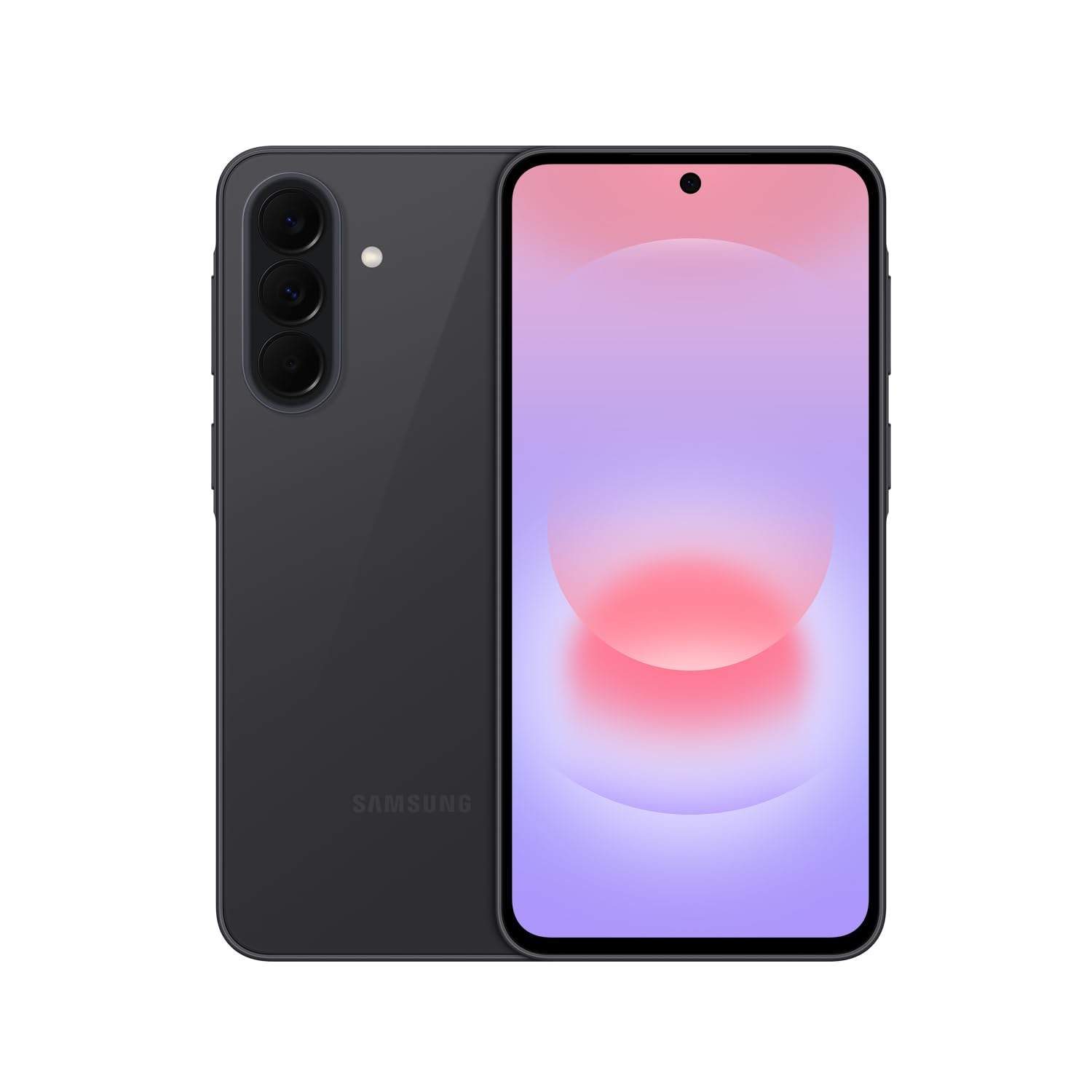
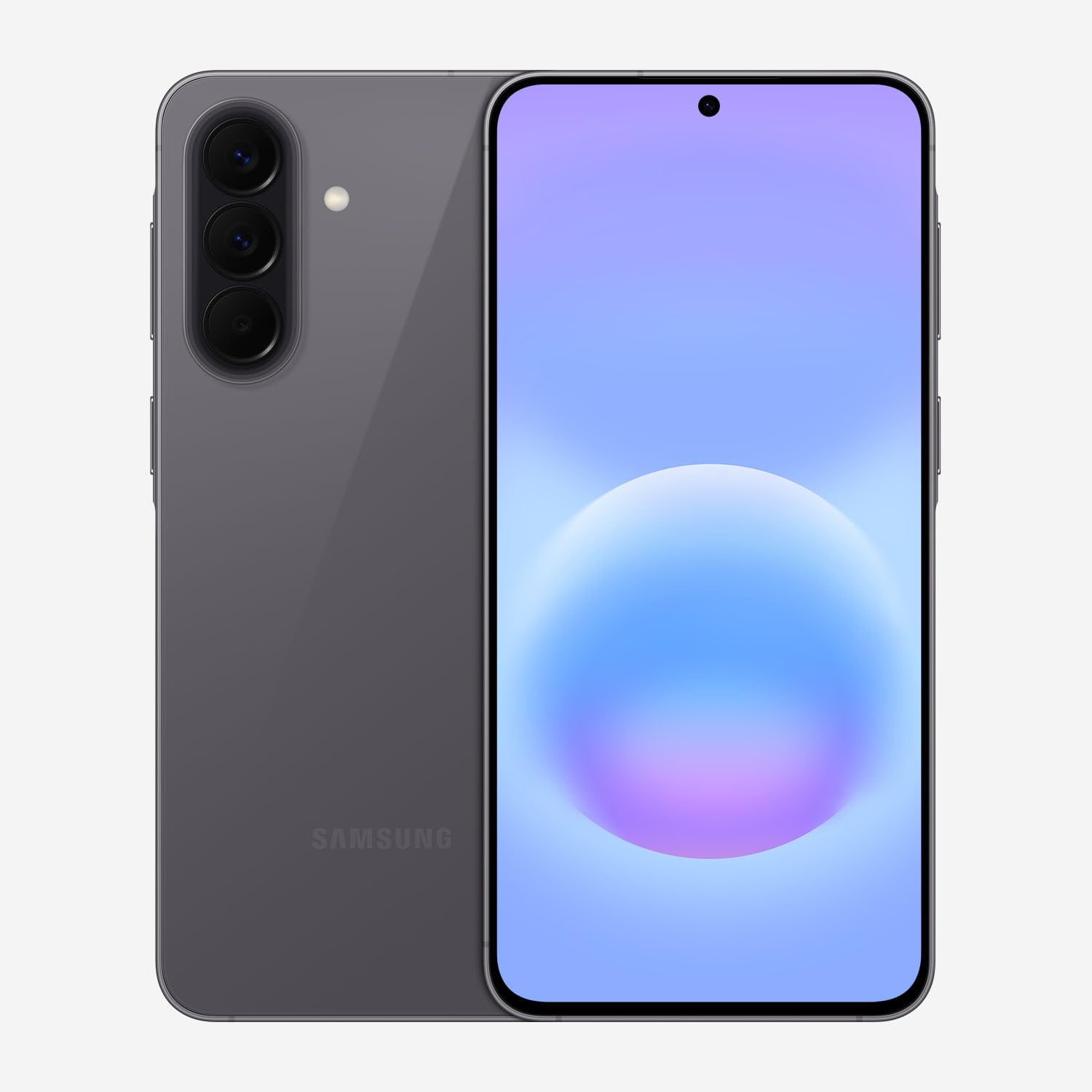
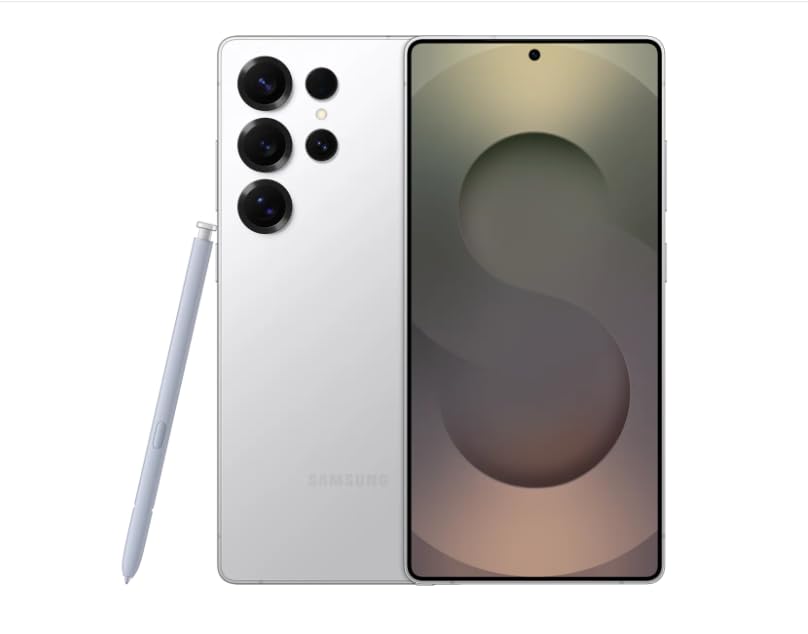
The Samsung Galaxy S25+ is our best overall camera mobile phone for its flagship processor, AI camera tools and big battery, the Samsung Galaxy A37 5G is the best value pick with an IP68 rating and 256GB of storage at a mid range price, and the Samsung Galaxy S25 Ultra is the best premium choice for photographers who want the most storage and a built in S Pen. Check the product table above for current prices.
| Award | Product | Key Spec | Best For |
|---|---|---|---|
| Best Overall | Samsung Galaxy S25+ (256GB) | Snapdragon 8 Elite, AI Night Mode camera, 4,900mAh | Most people who shoot daily |
| Best Value | Samsung Galaxy A37 5G (256GB) | Triple camera, AMOLED, IP68, 5,000mAh | Budget conscious photographers |
| Best Premium Pick | Samsung Galaxy S25 Ultra (512GB) | Snapdragon 8 Elite, 5,000mAh, built in S Pen | Power users and heavy video shooters |
Best Overall: Samsung Galaxy S25+
The Samsung Galaxy S25+ is the best camera mobile phone for most people, at around $750 for the unlocked 256GB model. It pairs flagship speed with Samsung's AI camera features.
- Why it passes: the Snapdragon 8 Elite processor keeps the camera and editing tools fast, and the AI camera includes night mode for low light video and Audio Eraser to reduce unwanted background noise in clips.
- Portraits and editing: advanced portrait features adjust skin tones while preserving natural textures, and on device AI helps translate calls, slow down video and edit photos.
- Everyday strengths: a 4,900mAh battery, ProScaler display and 256GB of storage for photos and 4K video; the US model includes a 1 year warranty.
- Trade off: it lacks the S Pen and the extra storage of the Ultra.
Best for: anyone who wants flagship camera processing without paying Ultra prices. Skip it if you need 512GB or more.

Best Value: Samsung Galaxy A37 5G
The Samsung Galaxy A37 5G is the best value camera mobile phone, at around $440 for the unlocked 256GB US version. It brings key flagship style features to a mid range price.
- Why it passes: a triple camera system covers main, wide and close up shots, and an AMOLED display shows photos with rich contrast.
- Durable and long lasting: an IP68 rating protects against dust and water, a 5,000mAh battery handles a full day of shooting and 256GB of storage leaves room for video. The US version includes a 1 year warranty.
- Trade off: mid range processing and sensors trail flagships in low light and zoom.
Best for: students, families and anyone who wants a capable camera phone without flagship pricing. Skip it if you shoot a lot at night or need long zoom.

Best Premium Pick: Samsung Galaxy S25 Ultra
The Samsung Galaxy S25 Ultra is the best premium camera mobile phone, at around $1,370 for the unlocked 512GB model. It is Samsung's most capable phone for photography and productivity.
- Why it passes: the Snapdragon 8 Elite processor powers AI Night Mode and Audio Eraser, and the advanced portrait tools preserve natural skin textures.
- Room to shoot: 512GB of storage holds large photo libraries and long 4K recordings, a 5,000mAh battery lasts through heavy use and the built in S Pen helps with precise photo editing and notes.
- Trade off: it is expensive and larger than most phones, which makes one handed use harder.
Best for: heavy photo and video shooters and anyone who wants the most storage and features. Skip it if you prefer a compact phone.
Quick Buyer Checklist
- Does the main camera have optical image stabilization?
- Is there an ultrawide lens, and a telephoto lens if you want zoom?
- Does it have a strong night mode and stabilized 4K video?
- Is storage at least 256GB, or will you pay for cloud backup?
- Is the battery 4,500mAh or larger with fast charging?
- Does it carry an IP68 water and dust rating?
- Is it an unlocked US model that supports your carrier?
- How many years of software and security updates are promised?
Red Flags to Watch For
- Megapixel only marketing: huge megapixel claims without sensor size or stabilization details.
- "Up to" digital zoom figures: very high digital zoom numbers look poor in practice.
- International models without US warranty: they may lack carrier bands and support.
- Short update promises: fewer than three years of updates shortens a phone's useful life.
- Refurbished listings without a grade or warranty: battery health may be poor.
How Much to Spend on the Best Camera Mobile Phones
Most people find the best camera mobile phones for their needs between about $450 and $900.
- Under $450: mid range phones with good daylight cameras, AMOLED screens and big batteries. Low light and zoom are the main compromises.
- Around $450 to $900: upper mid range and standard flagships with stronger processors, better night modes and more reliable video stabilization.
- Over $1,000: ultra flagships with telephoto zoom, the largest sensors, extra storage and premium materials.
Last year's flagship at a discount often beats a new mid range phone for camera quality, so check older models during sales.
Android vs iPhone for Photography
Both platforms produce excellent photos at the top end. iPhones are known for consistent color, strong video and smooth integration with Macs and iCloud. Android flagships, such as Samsung's Galaxy S series and Google's Pixel line, often offer more zoom options, more manual controls and features like built in styluses or advanced AI editing. If you already use one ecosystem for photo storage and editing, staying with it usually makes managing your library easier.
Accessories for Phone Photography
- Mini tripod or grip: steadies night shots, time lapses and group photos.
- Clip on lights: improve video calls and indoor clips.
- Wireless microphone: gives clearer audio for vlogs and interviews.
- Gimbal: smooths walking video beyond built in stabilization.
- Power bank: keeps you shooting through a long day of travel.
Camera Phone Tips for Better Photos
- Clean the lens: fingerprints cause haze and flare more than any other issue.
- Tap to focus and expose: tap your subject and slide brightness down for bright scenes.
- Use the right lens: switch to the telephoto for portraits instead of digital zoom.
- Hold steady in night mode: brace against a wall or use a small tripod.
- Shoot video at 4K 30fps for balance: 60fps doubles file size and battery drain.
- Turn on cloud backup: protect photos if the phone is lost or damaged.
How to Make Your Camera Mobile Phone Last Longer
- Use a case and screen protector, especially for phones with protruding camera bumps.
- Enable battery protection features that limit charging to about 80 to 85 percent.
- Install software and security updates promptly.
- Avoid leaving the phone in hot cars, which stresses the battery.
- Offload photos regularly to keep storage below about 80 percent full.
FAQs
Is a mid range phone good enough for photos?
Yes, for most daylight photos and casual video. Mid range phones like the Galaxy A37 take sharp, colorful pictures in good light. Flagships pull ahead in low light, zoom, portrait edge detection and video stabilization.
How much storage do I need?
256GB suits most people who take lots of photos and some video. Heavy 4K video shooters should choose 512GB or more, or plan on cloud backup. 128GB fills up quickly with apps, photos and video.
How many years of updates should a phone get?
Look for at least four to five years of security updates, and longer is better. Updates keep the phone secure and often bring camera improvements.
Should I buy unlocked?
Unlocked phones work with any compatible carrier, are easier to resell and often receive updates faster. Make sure you buy the US version for full 5G band support and warranty coverage.
Do I need 5G?
5G is useful for faster uploads and streaming in covered areas, and most new phones include it. It is not essential for camera quality, but it future proofs your phone.
Are more megapixels better?
Not by themselves. Sensor size, lens quality, stabilization and processing matter more. High megapixel sensors combine pixels for better low light photos, but a well processed 12MP image can look as good as a 50MP one.
Is optical zoom important on a phone?
Optical zoom matters if you photograph kids' sports, concerts, wildlife or architecture from a distance. A telephoto lens keeps detail sharp at 3x or 5x, while digital zoom simply crops and loses quality. For everyday photos of people and food, the main and ultrawide cameras are enough.
Can a phone replace a dedicated camera?
For most travel, family and social photos, yes. Dedicated cameras still win for fast action, long telephoto shots, shallow depth of field and interchangeable lenses. Many people carry a phone for everyday shots and a camera for special trips.
Our Verdict
Judge camera phones by processing, stabilization, battery, storage and update support, not megapixels alone. The Galaxy S25+ is our all around pick, the Galaxy A37 5G is the value choice and the Galaxy S25 Ultra is the premium option for heavy shooters. The best camera mobile phones make it easy to capture great photos every day, so check the product table above for current prices.


