
Best Cameras for Novices: Budget, Midrange, and Premium Picks
Disclosure: We may earn a commission when you buy through links on this page, at no extra cost to you. As an Amazon Associate I earn from qualifying purchases. Learn more

Budget, midrange and premium picks for the best cameras for novices, with features, settings and long term costs explained.
Smartphones take great snapshots, but a dedicated camera gives new photographers bigger sensors, real zoom lenses, faster autofocus for kids and pets, and the creative control to blur backgrounds and freeze motion. The challenge for beginners is cutting through confusing specs and lens options to find something that is easy to learn yet leaves room to grow. The best cameras for novices combine friendly guided modes and reliable autofocus with image quality that clearly beats a phone.
Below are our picks at three budgets, followed by what each price tier gets you, the features worth paying for, how to choose for video or everyday shooting and the long term costs to plan for.


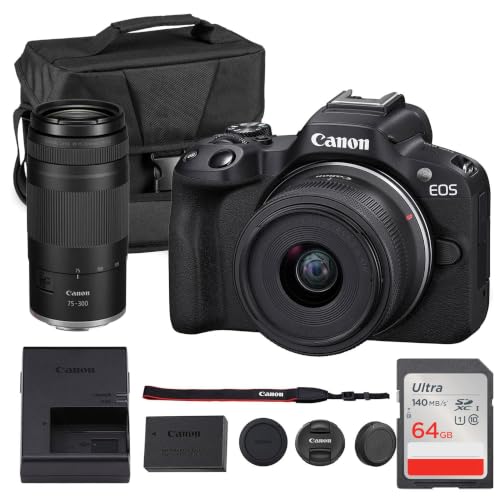

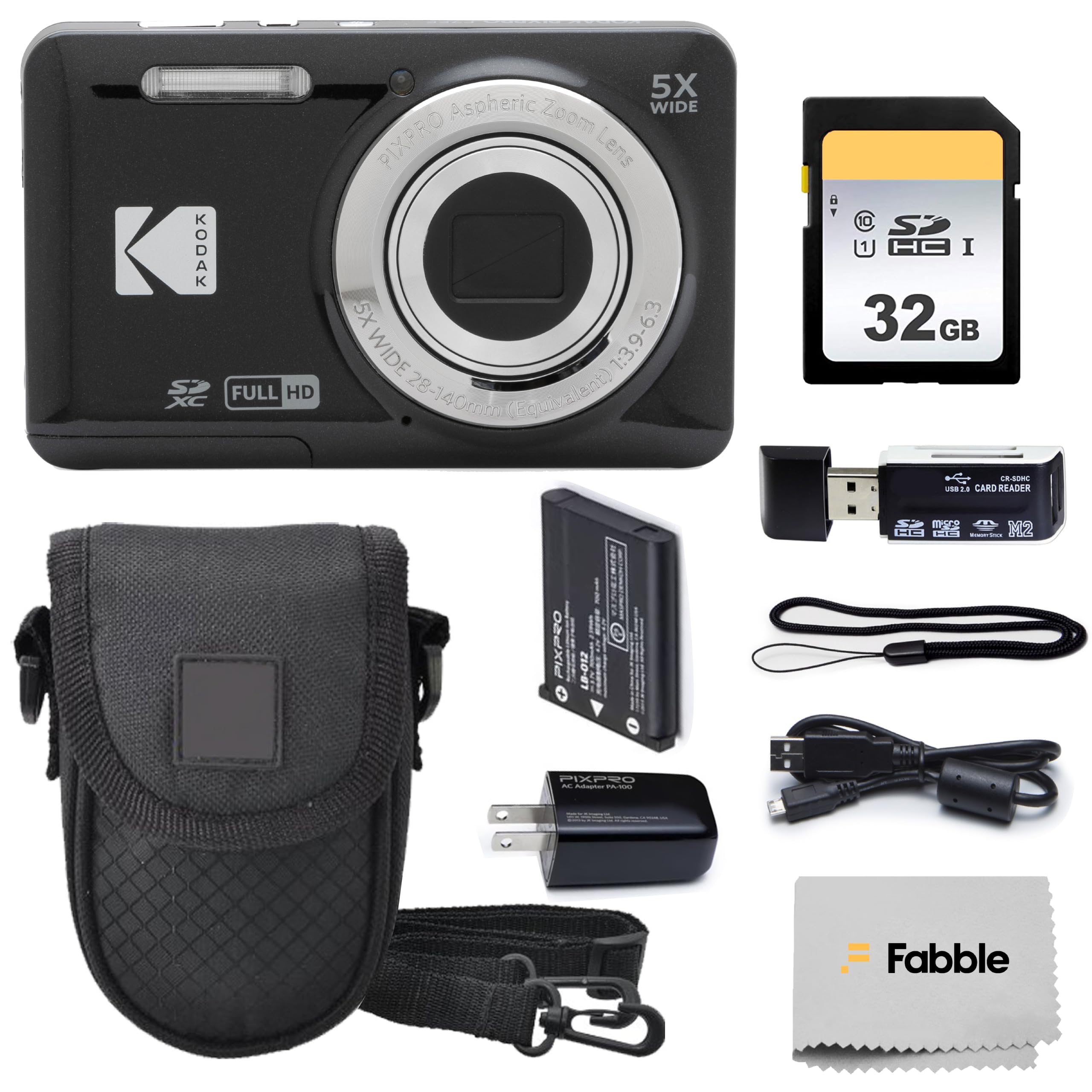
Top 3 Picks by Budget
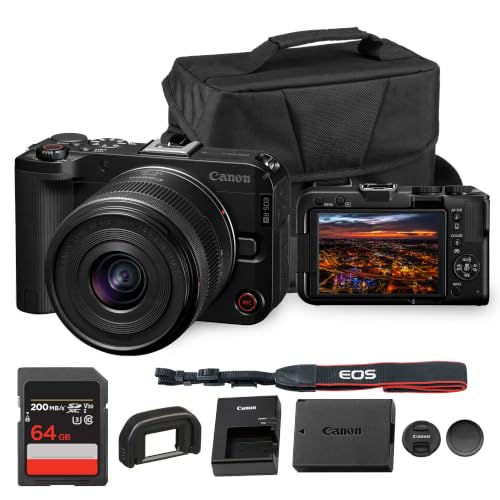
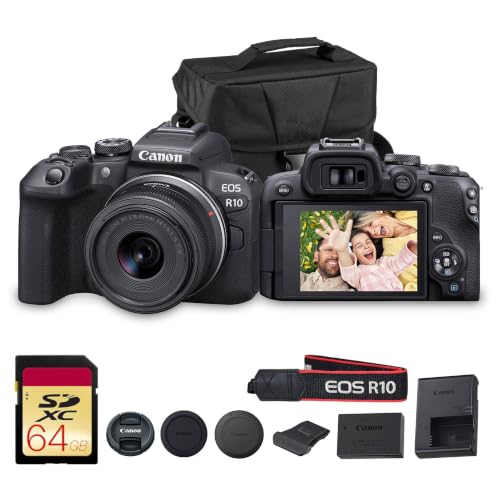
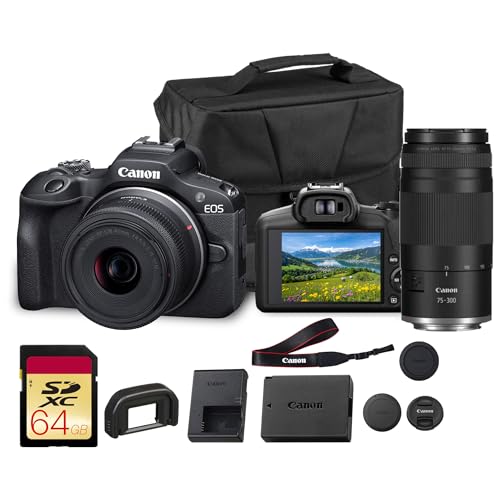
The Canon EOS R100 with an 18-45mm lens is the best budget camera for novices, the Canon EOS R50 V with a 14-30mm power zoom lens is the best midrange pick for photo and video creators, and the Canon EOS R10 with an 18-45mm lens is the best premium choice for beginners who want room to grow into action photography. Check the product table above for current prices.
| Budget | Product | Key Spec | Best For |
|---|---|---|---|
| Best Budget Pick | Canon EOS R100 + RF-S 18-45mm | 24.1MP APS-C, Dual Pixel AF, OLED viewfinder | First camera for family and travel photos |
| Best Midrange Pick | Canon EOS R50 V + RF-S 14-30mm | 4K 30p, Full HD 120p, flip screen, subject detection AF | Vloggers and creators |
| Best Premium Pick | Canon EOS R10 + RF-S 18-45mm | 15fps mechanical, 23fps electronic, Dual Pixel AF II | Sports, pets and growing skills |
Best Budget Pick: Canon EOS R100 with RF-S 18-45mm Lens
The Canon EOS R100 is the best budget camera for novices, at around $570 with its kit lens. It offers an easy entry into interchangeable lens photography.
- Why it stands out: a 24.1MP APS-C sensor and DIGIC 8 processor produce photos with far more detail and better low light performance than most phones, and Dual Pixel CMOS AF with 143 AF zones focuses quickly on faces and people.
- Beginner friendly: a 2.36 million dot OLED viewfinder, a 3 inch LCD, Wi-Fi and Bluetooth for sending photos to your phone, and the included RF-S 18-45mm IS STM lens for everyday shooting.
- Trade off: 4K video is cropped at 24p, burst shooting tops out around 6.5 fps and the rear screen does not flip or respond to touch.
Best for: families, travelers and first time photographers focused on photos. Skip it if you plan to vlog or shoot fast sports.

Best Midrange Pick: Canon EOS R50 V with RF-S 14-30mm Lens
The Canon EOS R50 V is the best midrange camera for novices who shoot video as much as photos, at around $799 with its power zoom lens.
- Why it stands out: a 24.2MP APS-C sensor with the DIGIC X processor records 4K at 30p and Full HD at 120p for slow motion, and Dual Pixel autofocus with eye, face and subject detection keeps people and pets sharp.
- Creator friendly: a fully articulating flip screen for front facing video, and the RF-S 14-30mm IS STM power zoom lens is wide enough for vlogging, landscapes and group shots.
- Trade off: it has no electronic viewfinder, which some photographers prefer in bright sun.
Best for: vloggers, social media creators and beginners who want strong video. Skip it if you prefer framing shots through a viewfinder.

Best Premium Pick: Canon EOS R10 with RF-S 18-45mm Lens
The Canon EOS R10 is the best premium camera for novices who want to grow into more demanding photography, at around $1,149 for this bundle.
- Why it stands out: continuous shooting up to 15 fps with the mechanical shutter and 23 fps electronic, plus Dual Pixel CMOS AF II that tracks people, animals and vehicles.
- Room to grow: dual control dials, a deep grip and a touchscreen give quick access to settings as your skills develop, with oversampled 4K 30p video. It weighs under 430 grams, and this bundle includes a 64GB memory card and shoulder bag.
- Trade off: it costs more than entry models, and you may want faster lenses later to get the most from its autofocus.
Best for: parents photographing kids' sports, pet owners and wildlife beginners. Skip it if you only want occasional family snapshots.

What Your Money Gets You at Each Price Tier
Beginner cameras fall into three tiers, each adding capability.
Budget Tier: What to Expect
Under about $600, expect entry mirrorless cameras with kit lenses or advanced compact cameras. You get much larger sensors than phones, real optical zoom and interchangeable lenses on mirrorless models. Compromises include simpler autofocus tracking, slower burst rates, cropped 4K video and fewer physical controls.
Midrange Tier: The Sweet Spot for Most Buyers
Between about $700 and $1,000, cameras add subject detection autofocus for eyes and animals, uncropped 4K video, flip screens, faster processors and better batteries. This tier offers the best balance of ease and capability for most beginners.
Premium Tier: When Spending More Pays Off
Above about $1,000, enthusiast APS-C cameras add faster burst shooting, more advanced tracking, dual control dials, better build quality and sometimes in body stabilization. Spending more pays off if you photograph sports, wildlife or events, or plan to take photography seriously.
Features Worth Paying For (and Ones to Skip)
Some features make learning photography easier and results better, while others are rarely used by beginners.
Features That Matter for Novices
Guided menus and scene modes explain settings in plain language and help you learn. A touchscreen makes focusing and menu navigation intuitive. Wi-Fi and Bluetooth let you send photos to your phone for sharing. A comfortable grip and light body mean you will actually carry the camera.
Autofocus and Stabilization
Reliable autofocus is the single most important feature for beginners because it decides whether photos of kids, pets and moving subjects come out sharp. Eye and subject detection AF is worth paying for. Image stabilization, either in the lens (marked IS) or in the body, reduces blur in low light and smooths handheld video.
Low Light Performance
Larger sensors gather more light, producing cleaner photos indoors and at night. APS-C mirrorless cameras perform much better than phones in dim light, and pairing them with an affordable fast prime lens, such as a 50mm f/1.8, improves results dramatically.
Sensor Size and Image Quality
Sensor size matters more than megapixels. APS-C sensors, used in most beginner mirrorless cameras, are many times larger than phone sensors, giving better detail, dynamic range and background blur. 24 megapixels is plenty for large prints and cropping.
Features to Skip
Beginners rarely need 8K video, very high megapixel sensors, dual card slots or weather sealing. Spend that money on a better lens instead, which often improves photos more than a pricier body.
Choosing Cameras for Novices by Situation
Different goals call for different features.
Best Cameras for Novice Videos
For video, choose a camera with uncropped 4K, a flip out screen, a microphone input and reliable face tracking autofocus. A wide lens, such as a 14-30mm or 10-18mm, makes it easy to film yourself at arm's length.
Best Everyday Cameras for Novices: Where Your Money Goes
For everyday photos of family, travel and food, a light mirrorless camera with a standard zoom kit lens covers most situations. Your money goes to a bigger sensor and better autofocus than a phone, plus the option to add lenses later.
Best Cameras for Novice Filming of Events and Sports
For school plays, games and fast pets, prioritize fast burst rates, subject tracking autofocus and a telephoto lens such as a 55-210mm or 75-300mm. A higher end beginner body like the R10 handles motion more reliably.
Mirrorless vs DSLR vs Compact Cameras for Beginners
Mirrorless cameras are the best choice for most beginners today. They are smaller than DSLRs, show the exposure in the viewfinder or screen before you take the shot and have the newest autofocus systems. DSLRs are still capable and sometimes cheaper used, but most new lenses and features now arrive on mirrorless systems. Compact cameras are the most portable and simple, ideal if you want better zoom than a phone without changing lenses.
Essential Settings to Learn First
- Start in auto or scene modes to get comfortable with framing and focusing.
- Move to aperture priority (A or Av) to control background blur: lower f numbers blur the background more.
- Try shutter priority (S or Tv) to freeze motion with fast shutter speeds or show motion blur with slow ones.
- Use auto ISO so the camera handles brightness while you learn aperture and shutter speed.
- Set autofocus to continuous with subject detection for moving people and pets.
- Shoot RAW plus JPEG once you want to edit photos for more flexibility.
Photography Tips for New Camera Owners
A few simple habits improve photos faster than any upgrade.
- Watch the light: soft light in the early morning, late afternoon or on cloudy days is the most flattering. Put the sun behind or to the side of you rather than behind your subject.
- Get closer: filling the frame with your subject removes distractions and adds impact.
- Focus on the eyes for portraits of people and pets; eye detection AF makes this easy.
- Use the rule of thirds: turn on grid lines and place subjects off center for more balanced images.
- Change your angle: kneel down to a child's or pet's eye level, or shoot from above for food and flat lays.
- Take more shots: use burst mode for moving subjects and pick the best frame later.
- Review and learn: look at the shutter speed and aperture of your favorite photos to understand what worked.
Common Beginner Camera Mistakes to Avoid
- Buying too much camera: expensive bodies do not fix technique; a mid priced camera and a good lens often produce better results.
- Ignoring lenses: the lens shapes image quality as much as the body, so budget for one good upgrade.
- Using a slow shutter speed indoors: blurry photos of kids usually mean the shutter was too slow; raise ISO or use a faster lens.
- Never leaving auto mode: aperture priority is an easy first step toward creative control.
- Forgetting backups: copy photos to a computer or cloud regularly so memories are not lost with a card.
- Leaving the camera at home: the best cameras for novices are the ones light enough to carry every day.
Beginner Camera Starter Kit
- A spare battery and charger so a full day of shooting is covered.
- A fast UHS-I or UHS-II SD card of 64GB or more, especially for 4K video.
- A padded shoulder bag or sling that fits the camera and one extra lens.
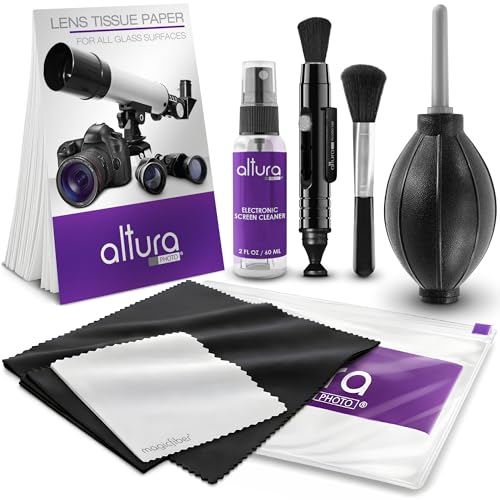
- A lens cleaning kit with a blower and microfiber cloth.
- A small tripod or tabletop stand for low light, self portraits and video.
- A clip on microphone if you plan to vlog or record interviews.
How to Choose Your First Extra Lens
Your second lens should solve a specific problem the kit lens cannot. A 50mm f/1.8 prime is the classic first upgrade: it is affordable, sharp and lets in much more light, producing blurred backgrounds for portraits and cleaner indoor photos. A telephoto zoom such as a 55-210mm or 75-300mm brings distant sports, wildlife and stage performances closer. An ultra wide zoom suits landscapes, real estate and vlogging in tight spaces. Make sure any lens matches your camera's mount, such as Canon RF or RF-S, and check whether it includes stabilization if your body does not.
Editing and Sharing Your Photos
Most beginner cameras send JPEGs to your phone over Wi-Fi or Bluetooth through the maker's app, making sharing as easy as with a phone. For more control, shoot RAW and edit in free or low cost software: small adjustments to exposure, white balance, contrast and cropping make a big difference. Back up your library to an external drive or cloud service so your photos stay safe.
Long Term Costs to Factor In
Budget for at least one extra battery ($40 to $70), a fast SD card ($20 to $40), a camera bag and a lens cleaning kit. Many beginners add a second lens within a year, such as a 50mm f/1.8 prime ($150 to $250) or a telephoto zoom ($300 to $500). Editing software subscriptions, a small tripod and a microphone for video are optional extras. Lenses hold value well and can move with you to future camera bodies in the same system.
Cameras: Your Questions Answered
What features matter most in cameras for novices?
The most important features are reliable autofocus with face and eye detection, a large sensor for better image quality, easy guided menus and a comfortable, light body. A flip screen and good video matter if you plan to vlog.
Which is better for low light: a phone or a beginner camera?
A beginner mirrorless camera with an APS-C sensor generally produces cleaner, more detailed low light photos than a phone, especially of moving subjects. Adding a fast lens like a 50mm f/1.8 widens the gap further.
How much should I spend on my first camera?
Most beginners get excellent results for about $550 to $900 including a kit lens. Spending more makes sense for sports, wildlife or serious hobby goals. Leave room in the budget for an extra battery, a memory card and a bag.
Do I need to buy extra lenses right away?
No. The kit lens covers everyday shooting well. Learn what you enjoy photographing first, then add a lens that fills a specific need, such as a fast prime for portraits or a telephoto for sports.
Is a smartphone enough instead?
For casual snapshots in good light, a modern smartphone is often enough. A dedicated camera is worth it if you want sharper photos of moving subjects, real optical zoom, better low light results, background blur from real optics or more creative control.
What specs matter most for beginners?
Focus on sensor size (APS-C or larger), autofocus with subject detection, image stabilization and handling. Megapixels beyond about 20 and video resolution beyond 4K matter less than these fundamentals.
Should I buy a camera body only or a kit?
Beginners should usually buy a kit with a lens, since kit lenses are discounted when bundled and cover everyday focal lengths. Body only purchases make sense if you already own compatible lenses or know exactly which lens you want instead.
Wrapping Up
The Canon EOS R100 is the budget friendly way to start interchangeable lens photography, the Canon EOS R50 V is the midrange pick for creators who want strong video, and the Canon EOS R10 is the premium choice for beginners who plan to shoot action and grow their skills. Prioritize autofocus, sensor size and comfort, add a fast lens when you are ready, and the best cameras for novices will help you capture memories far beyond what your phone can do. See our best digital cameras guide for more options.


