
Best Cameras for Point and Shoot: Budget, Midrange, and Premium Picks
Disclosure: We may earn a commission when you buy through links on this page, at no extra cost to you. As an Amazon Associate I earn from qualifying purchases. Learn more

Budget, midrange and premium point and shoot camera picks, with price tiers, key features and when a compact beats your phone.
Point and shoot cameras are back in fashion, and for good reason. A compact camera slips into a pocket or bag, gives you real optical zoom your phone cannot match, and frees your phone's battery for maps and messages on trips. Some models focus on long travel zoom, others on big sensors and beautiful image quality, and budget models make fun, simple cameras for kids and casual snapshots. The best cameras for point and shoot photography match your budget and how you shoot, whether that is concerts, vacations or everyday street photos.
Below are our picks at three budgets, followed by what each price tier gets you, the features worth paying for and long term costs.


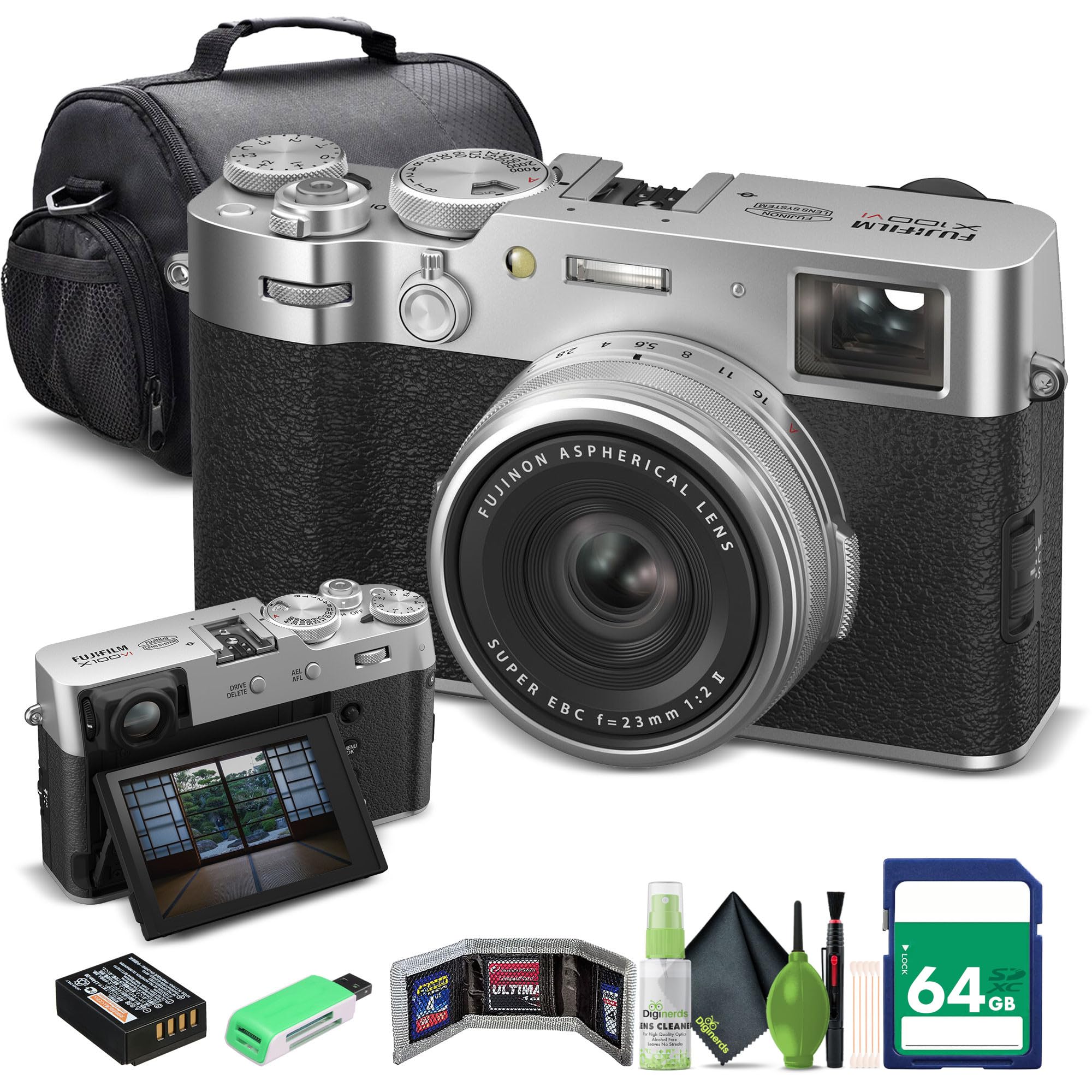

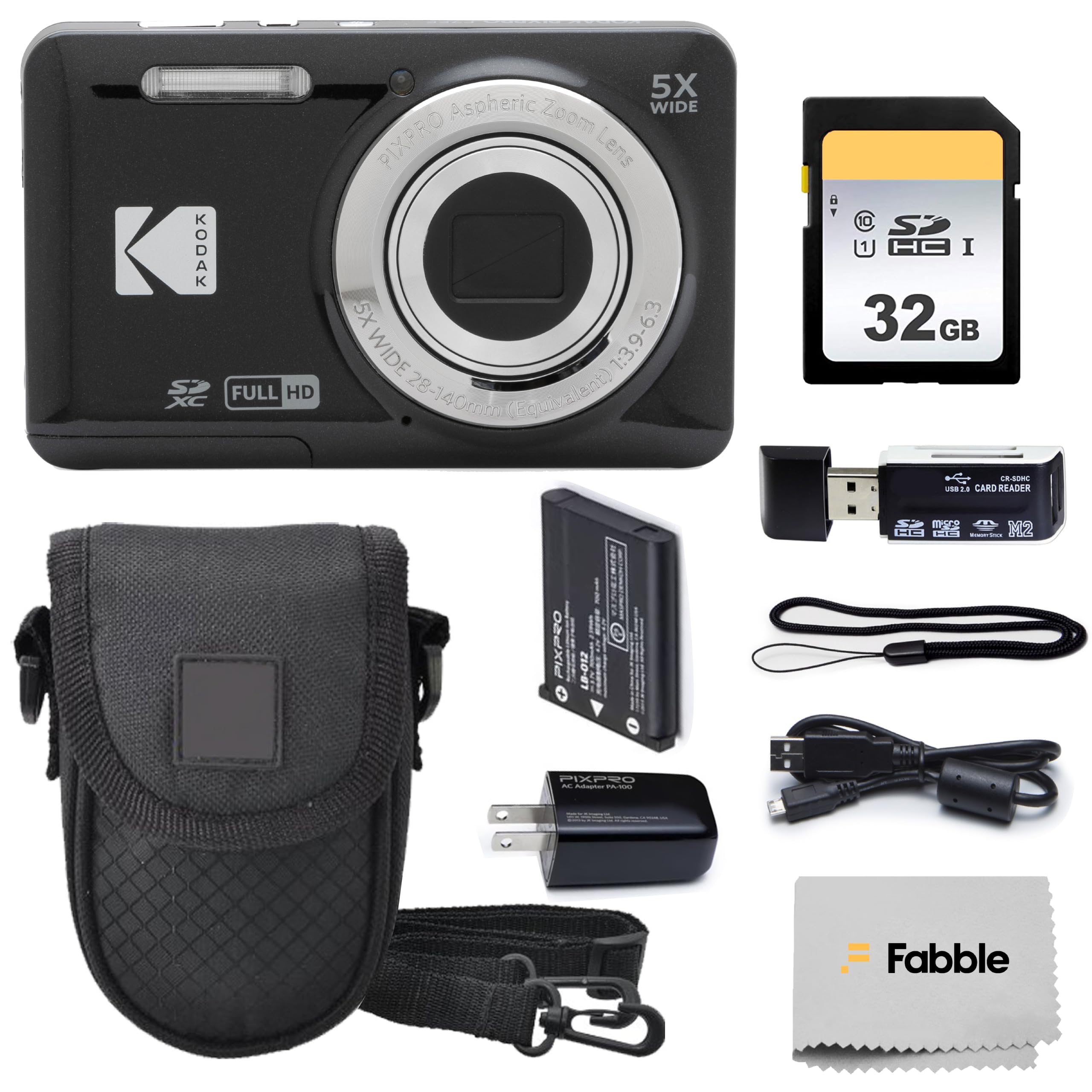


Top 3 Picks by Budget
The Kodak PIXPRO FZ45 is the best budget point and shoot camera, the Panasonic LUMIX ZS99 is the best midrange travel zoom compact, and the Fujifilm X100VI is the best premium point and shoot for image quality and style. Check the product table above for current prices.
| Budget | Product | Key Spec | Best For |
|---|---|---|---|
| Best Budget Pick | Kodak PIXPRO FZ45 | 16MP, 4x optical zoom, 1080p video, AA batteries | Kids, teens and casual snapshots |
| Best Midrange Pick | Panasonic LUMIX ZS99 | 30x zoom (24-720mm), 4K video and photo | Travel and concerts |
| Best Premium Pick | Fujifilm X100VI | Large sensor fixed lens premium compact | Street, travel and enthusiast photography |
Best Budget Pick: Kodak PIXPRO FZ45
The Kodak PIXPRO FZ45 is the best budget point and shoot camera, at around $100. It is simple, light and runs on easy to find batteries.
- Why it stands out: a 16MP CMOS sensor, 4x optical zoom with a 27mm wide angle lens and 1080p Full HD video for family moments and travel clips.
- Convenience: a 2.7 inch LCD screen, power from two AA batteries you can buy anywhere, and support for SD cards up to 512GB.
- Trade off: image quality in low light is similar to or below many smartphones, and zoom range is modest.
Best for: kids, teens, parties and anyone who wants a basic camera that is not a phone. Skip it if you want clearly better photos than a modern phone.

Best Midrange Pick: Panasonic LUMIX ZS99
The Panasonic LUMIX ZS99 (also sold as TZ99) is the best midrange point and shoot camera, at around $589. It is a pocketable travel zoom with huge reach.
- Why it stands out: a 30x optical zoom covering 24 to 720mm equivalent brings distant landmarks, wildlife and concert stages close, something phones cannot do optically.
- Versatility: 4K video and 4K photo modes for capturing fleeting moments, in a compact body designed for travel.
- Trade off: its small sensor cannot match the low light quality and background blur of large sensor compacts.
Best for: travelers, concert goers and anyone who wants long zoom in a pocket. Skip it if most of your photos are indoors at night.

Best Premium Pick: Fujifilm X100VI
The Fujifilm X100VI is the best premium point and shoot camera, at around $2,540 for this bundle with case. It has become one of the most sought after compact cameras for photographers who value image quality and style.
- Why it stands out: a large sensor and fixed wide angle prime lens deliver image quality far beyond small sensor compacts, with Fujifilm's popular film simulations for distinctive color straight from the camera.
- Design: classic dials and a hybrid viewfinder make it a joy to use for street, travel and everyday photography.
- Trade off: it is expensive, often in short supply, and its fixed lens has no zoom.
Best for: enthusiasts and travelers who want premium image quality in a compact body. Skip it if you need zoom or a lower budget.

Types of Point and Shoot Cameras
Point and shoot cameras come in four main types, and knowing them makes it easier to pick the best cameras for point and shoot use in your life.
- Basic compacts: small, inexpensive and simple, with modest zoom and small sensors. Great for kids, parties and anyone who wants a separate camera at low cost.
- Travel zoom compacts: pocketable cameras with 15x to 30x optical zoom, stabilization and 4K video. The best all round choice for vacations.
- Premium large sensor compacts: 1 inch, APS-C or larger sensors with high quality lenses, often fixed focal length. Best for image quality, low light and enthusiasts.
- Rugged waterproof compacts: sealed against water, dust, drops and cold for beaches, snorkeling and hiking.
- Bridge cameras: larger bodies with extreme zoom ranges, sometimes 60x or more, and DSLR style handling, for wildlife and birding on a budget.
What Your Money Gets You at Each Price Tier
Point and shoot cameras fall into three tiers with very different strengths.
Budget Tier: What to Expect
Under about $200, expect simple compacts with small sensors, modest optical zoom (4x to 5x) and 1080p video. Some newer budget models advertise very high megapixel and 4K or 8K figures, but small sensors and basic lenses limit real image quality. These cameras are fun for kids, parties and casual use, though many modern phones take comparable or better photos.
Midrange Tier: The Sweet Spot for Most Buyers
Between about $400 and $800, travel zoom compacts offer 15x to 30x optical zoom, 4K video, better stabilization and viewfinders on some models. This is where point and shoots clearly beat phones, especially for distant subjects.
Premium Tier: When Spending More Pays Off
Above about $800, premium compacts use 1 inch, APS-C or larger sensors with high quality lenses, producing images close to interchangeable lens cameras. They pay off for enthusiasts, street photographers and travelers who want the best quality in the smallest package.
Features Worth Paying For (and Ones to Skip)
Some features make a real difference in a compact camera, while others are marketing.
Sensor Size and Image Quality
Sensor size has the biggest impact on image quality. Small 1/2.3 inch sensors in budget and travel zoom cameras work well in daylight but struggle indoors. 1 inch sensors offer a big step up, and APS-C sensors approach mirrorless camera quality. Megapixel counts above about 20 rarely matter on small sensors.
Optical Zoom vs Digital Zoom
Optical zoom uses the lens to magnify without losing quality, while digital zoom simply crops the image. Compare optical zoom ranges and equivalent focal lengths, such as 24-720mm. Ignore large digital zoom numbers.
Ease of Use for Your Skill Level
Beginners benefit from reliable auto modes, scene modes and simple menus. Enthusiasts may want manual dials, RAW support and customizable buttons. A touchscreen and a viewfinder help in different situations: touch for quick focus, viewfinder for bright sun.
Durability and Weather Sealing
Most compacts are not weather sealed, so protect them from rain, sand and drops. Rugged waterproof compacts exist for beaches, pools and hiking, trading some image quality for toughness.
Features That Matter for Point and Shoot Cameras
Image stabilization is essential for zoom cameras. Fast startup and autofocus help you catch moments. Wi-Fi or Bluetooth transfer makes sharing to your phone easy, and USB charging means you can top up from a power bank on the go.
Point and Shoot Camera vs Smartphone
A modern smartphone beats budget point and shoots for most everyday photos thanks to advanced processing. A point and shoot earns its place when you need real optical zoom, a larger sensor for better detail and background blur, a dedicated camera for kids or a way to save your phone's battery on trips. Travel zoom and premium large sensor compacts offer the clearest advantages over phones.
Choosing Cameras for Point and Shoot by Use
- Travel: a travel zoom like the ZS99 covers wide landscapes to distant details in one pocketable body.
- Concerts and events: long zoom and good stabilization help capture performers from the crowd; check venue camera rules.
- Kids and teens: a simple, inexpensive camera such as the FZ45 encourages photography without risking an expensive phone.
- Street and everyday photography: a premium large sensor compact gives beautiful results and discreet handling.
- Beach, pool and hiking: a rugged waterproof compact survives sand and water.
- Vlogging: a compact with a flip screen, 4K video and good microphone works well for social media.
Tips for Better Point and Shoot Photos
- Hold the camera with both hands and brace your elbows for sharper zoomed shots.
- Half press the shutter to lock focus before taking the picture, then press fully without jerking the camera.
- Use optical zoom only, and turn off digital zoom in settings to avoid soft images.
- Turn off the flash for natural light photos and use it as fill light outdoors on bright days to soften harsh shadows on faces.
- Carry a spare battery and memory card on trips, since compact batteries are small and drain quickly in cold weather.
- Transfer photos to your phone or computer regularly to free space and keep backups.
- Shoot in burst mode for kids, pets and sports, then keep the sharpest frame.
- Use the self timer or a small tripod for group photos and low light scenes.
How to Care for a Compact Camera
Keep the lens clean with a blower and microfiber cloth, and avoid touching the glass. Store the camera in a padded case away from sand, moisture and extreme heat. Remove batteries if you will not use the camera for months, especially AA batteries that can leak. Turn the camera off before inserting or removing memory cards, and format cards in the camera rather than on a computer for reliability.
Common Point and Shoot Problems and Fixes
- Blurry zoomed photos: turn on stabilization, brace yourself and use a faster shutter speed or a sports mode.
- Grainy indoor shots: add light, move closer to windows or use a camera with a larger sensor.
- Lens error messages: often caused by sand or debris; power off and clean gently around the lens barrel.
- Battery drains quickly: lower screen brightness, turn off Wi-Fi when not needed and carry a spare.
- Photos look washed out: lower exposure compensation slightly in bright scenes.
Point and Shoot vs Mirrorless Cameras
A point and shoot is the better choice if portability and simplicity matter most: there are no lenses to change, and the whole camera fits a jacket pocket. A mirrorless camera is better if you want interchangeable lenses, faster autofocus for sports and the flexibility to grow your kit. Premium compacts like the X100VI blur the line by putting a large sensor in a small body, but they still cannot swap lenses. Many travelers carry a travel zoom compact for day trips and keep a mirrorless kit for planned photo outings.
Long Term Costs to Factor In
Budget for a fast SD card ($15 to $40), a spare battery or rechargeable AA batteries and charger, a protective case and a wrist strap. Premium compacts may benefit from screen protectors and lens filters. Point and shoot cameras have few ongoing costs beyond batteries and storage, and quality compacts hold resale value well.
Cameras: Your Questions Answered
What features matter most in cameras for point and shoot?
The most important features are sensor size for image quality, optical zoom range, image stabilization and fast autofocus. Easy wireless transfer, USB charging and a viewfinder or bright screen also make a compact camera more pleasant to use.
Which is better for low light: a compact or a phone?
Premium compacts with 1 inch or larger sensors generally beat phones in low light, especially for moving subjects. Small sensor budget and travel zoom compacts often do worse than flagship phones in the dark, though they win easily at long zoom.
Are point and shoot cameras worth it in the smartphone era?
Yes, if you want real optical zoom, a large sensor or a dedicated camera for kids or travel. For casual daylight snapshots, a modern phone may be enough, so buy a compact for what your phone cannot do.
What specs matter most for beginners?
Beginners should look at optical zoom range, image stabilization, ease of use and battery type. Avoid choosing by megapixels or digital zoom numbers, which say little about real image quality.
How much should I spend on my first one?
For a fun, simple camera, about $100 to $200 is enough. For a meaningful upgrade over a phone, plan on about $400 to $800 for a travel zoom compact, or more for a large sensor premium model.
Can a point and shoot shoot RAW?
Many midrange and premium compacts can save RAW files for more editing flexibility, while most budget models save JPEG only. Check the specifications if you plan to edit photos seriously.
Do point and shoot cameras have viewfinders?
Some do. Premium compacts and some travel zooms include electronic or hybrid viewfinders, which help in bright sunlight. Budget compacts usually rely on the rear screen alone.
How long do point and shoot cameras last?
A well cared for compact camera typically lasts five years or more. Lens mechanisms are the most vulnerable part, so protect the camera from sand, drops and moisture, and keep it in a padded case when traveling.
Final Thoughts
The Kodak PIXPRO FZ45 is the budget friendly camera for kids and casual snapshots, the Panasonic LUMIX ZS99 is the midrange travel zoom that reaches far beyond a phone, and the Fujifilm X100VI is the premium choice for image quality and style. Decide whether zoom or sensor size matters more to you, and the best cameras for point and shoot photography will travel with you everywhere. See our best point and shoot digital cameras guide for more options.


