
Best Cameras for Video: What Actually Matters Before You Buy
Disclosure: We may earn a commission when you buy through links on this page, at no extra cost to you. As an Amazon Associate I earn from qualifying purchases. Learn more

How we judge cameras for video, from sensors and autofocus to heat and audio, with three picks, a checklist and red flags.
Cameras marketed for video promise 4K, 6K and even 8K, but resolution is only one small piece of what makes footage look good. Autofocus that keeps faces sharp, stabilization that smooths handheld shots, sensors that handle dim rooms and batteries that last through a full shoot matter just as much. This guide to the best cameras for video explains the checklist we use to judge video cameras, then shows three picks that pass every criterion.
The short answer: most creators should choose a mirrorless camera with an APS C or full frame sensor, 4K recording at 60 frames per second or more, reliable face and eye tracking autofocus, in body or strong digital stabilization, a microphone input and a flip out screen, which costs around $800 to $2,200 with a lens; vloggers on a budget can get excellent results from a gimbal camera like the DJI Osmo Pocket 3.




How We Evaluate Cameras for Video
We score video cameras on seven criteria. Each includes a clear threshold for good and poor performance.
Features That Matter for Video
Video work demands features photo cameras often skip. Look for 4K at 60 frames per second for smooth motion, 10 bit color for flexible editing, log profiles for wider dynamic range and no strict recording time limits. A flip out or vari angle screen helps you frame yourself, while a 3.5 mm microphone input and headphone jack improve audio. Good: 4K60 in 10 bit, mic and headphone jacks, flip screen. Poor: 4K limited to 30 fps with heavy crop, no mic input, short recording limits.
Sensor Size and Image Quality
Larger sensors gather more light, produce smoother background blur and deliver cleaner images. One inch sensors in pocket cameras offer a big step up from phones. APS C and Super 35 sensors balance quality, size and cost, while full frame sensors excel in low light and shallow depth of field. Good: one inch or larger with oversampled 4K. Poor: tiny sensors with soft, noisy footage indoors.
Battery Life and Charging
Video drains batteries faster than photos. Look for cameras that record at least 60 to 90 minutes of 4K per battery, support USB C charging and can run from external power during long recordings. Spare batteries are inexpensive insurance. Good: 75 minutes or more of continuous 4K, USB C power delivery. Poor: under 45 minutes per battery and no charging while recording.
Low Light Performance
Indoor and evening footage reveals sensor and processing quality. Full frame cameras with dual native ISO stay clean at high ISO, while APS C cameras perform well with fast lenses. Small sensors struggle in dim rooms. Good: clean footage up to ISO 3200 to 6400 on APS C, higher on full frame. Poor: visible noise and smeared detail above ISO 1600.
Lens and Zoom Range
Lenses shape the look of your video. Wide angle lenses around 16 to 24 mm equivalent suit vlogging and small rooms, while standard zooms around 24 to 70 mm cover most scenes. Fast apertures like f/1.8 or f/2.8 help in low light and create background blur. Good: interchangeable lenses or a wide, fast built in lens. Poor: slow kit lenses that are too narrow for vlogging.
Ease of Use for Your Skill Level
Beginners benefit from reliable auto modes, product showcase settings, background blur buttons and easy smartphone transfer. Advanced creators want customizable buttons, waveform and zebra exposure tools and professional codecs. Good: simple menus with helpful auto features plus room to grow. Poor: confusing menus, slow transfer apps and limited manual control.
Durability and Heat Management
Weather sealing protects against dust and light rain during outdoor shoots. Equally important for video is heat management; some compact cameras overheat during long 4K recordings, especially in warm conditions. Built in fans or efficient designs prevent shutdowns. Good: weather sealing and reliable long recording without overheating. Poor: frequent overheating warnings during 4K recording.
3 Picks That Pass Our Checklist
These three cameras come from the product table above and meet every criterion on our checklist.


Best Overall
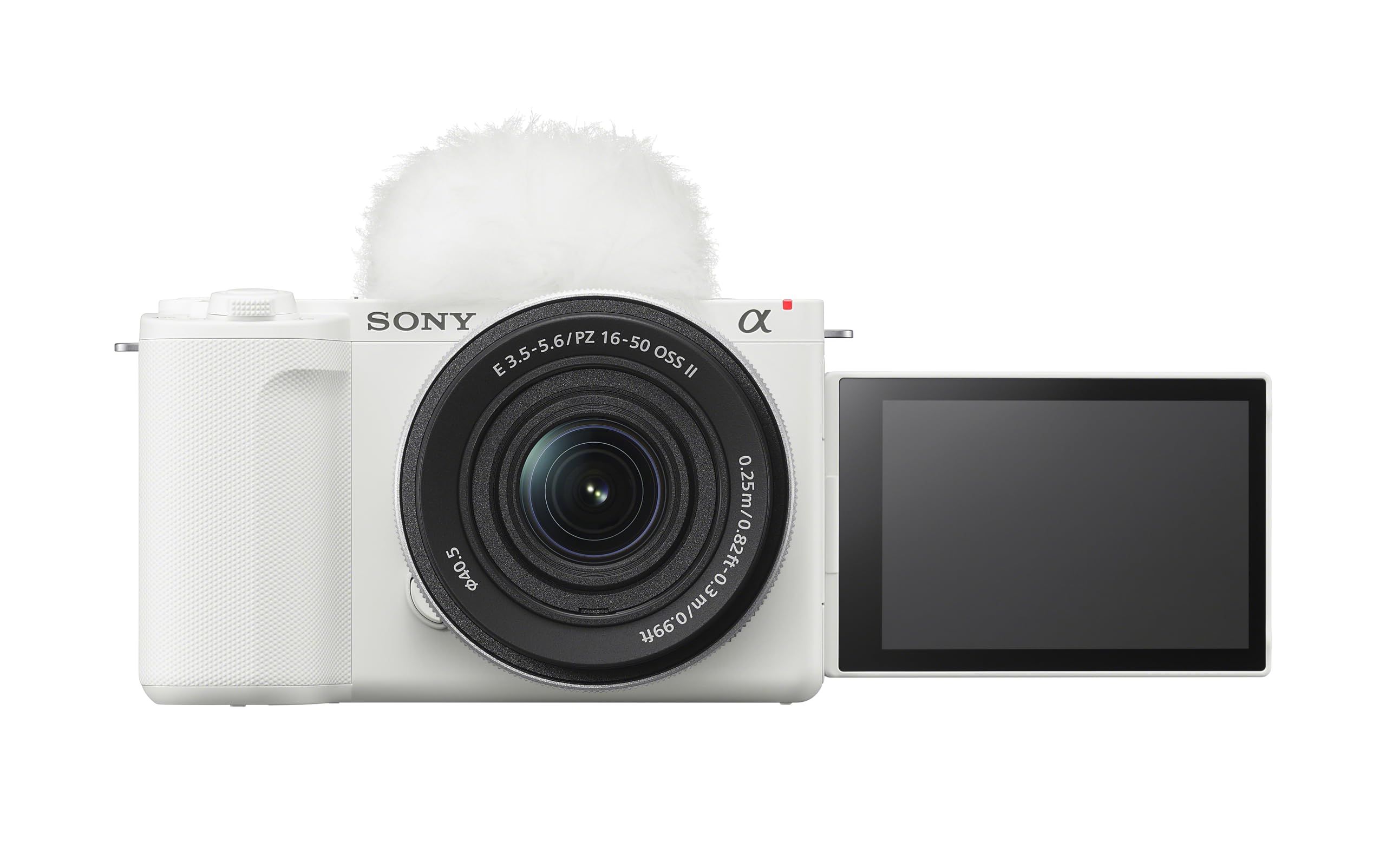
The Sony a6700, around $1,600 with the 16 to 50 mm lens and extra battery bundle, suits creators who want one compact camera for YouTube, travel films and client work. Its first strength is reliable AI based subject recognition autofocus that keeps faces and eyes sharp while you move. Its second strength is its compact APS C body with in body stabilization, 10 bit recording and a vari angle screen, giving professional features without the bulk of a full frame camera.
The limitation is the small battery relative to full size bodies, so plan on spares for long shoots.
Best Value
The DJI Osmo Pocket 3, around $395, is the pick for vloggers and families who want smooth, high quality video without learning a complex camera. Its first strength is a one inch sensor recording 4K at up to 120 frames per second, far better than phone footage in dim light. Its second strength is a built in three axis gimbal that keeps walking shots silky smooth, with a rotating screen for quick framing and face tracking.
The limitation is a fixed wide lens with no optical zoom, so it is less flexible for distant subjects or cinematic close ups.
Best Premium Pick
The Sony FX30, around $2,100, is for serious creators and small production teams who want a dedicated cinema camera at an accessible price. Its first strength is a Super 35 sensor with professional color profiles, giving rich, gradeable footage. Its second strength is a cinema focused design with active cooling for long recordings, plus compatibility with Sony E mount lenses.
The limitation is that it is designed primarily for video; photographers who also want a full featured stills camera may prefer a hybrid model.
Quick Buyer Checklist
- Does it record 4K at 60 frames per second or faster?
- Does it offer 10 bit color or a log profile?
- Is the autofocus reliable at tracking faces and eyes?
- Does it have a microphone input and a flip out screen?
- Will one battery last at least an hour of recording?
- Does it support USB C charging or external power?
- Can it record for long periods without overheating?
- Does the lens suit the shots you plan to make?
Red Flags to Watch For
- Vague 4K claims. Some cameras crop heavily or upscale to claim 4K; check frame rates and crop factors.
- Unknown brands with inflated specs. Cheap cameras claiming 8K or 64MP often use tiny sensors with poor quality.
- Suspicious reviews. Many short, similar five star reviews posted together suggest manipulation.
- Short warranties. Buy from authorized sellers offering at least a one year warranty.
- Missing audio inputs. Cameras without microphone jacks limit sound quality, which viewers notice more than resolution.
How to Make Your Camera Last Longer
Use a lens cloth, not your shirt, to clean lenses and sensors without scratches. Carry a spare battery and rotate batteries to spread wear. Store the camera in a dry, padded bag with silica gel packs to prevent moisture and fungus. Update firmware regularly for autofocus and stability improvements, and avoid leaving the camera in hot cars.
Which Type of Video Camera Fits You?
Video cameras fall into a few broad types. Pocket gimbal cameras combine a small sensor and motorized stabilizer, perfect for vlogging, travel and family videos with minimal setup. Action cameras are tiny, waterproof and rugged, ideal for sports and adventure footage. Mirrorless hybrid cameras shoot both photos and video, with interchangeable lenses and larger sensors that suit YouTube creators and freelancers.
Cinema cameras focus entirely on video, adding active cooling, professional audio options and advanced codecs for filmmakers and production teams. Choosing the right type matters more than chasing specs; the best cameras for video are the ones that match how and where you shoot. A travel vlogger will get more use from a pocket camera than a heavy cinema rig, while a wedding filmmaker needs the image quality and lens options of a mirrorless or cinema camera.
Audio Matters More Than You Think
Viewers forgive slightly soft footage far more readily than poor sound. Built in camera microphones pick up handling noise and room echo, so an external microphone is one of the best upgrades you can make. On camera shotgun microphones improve vlogging and run and gun shooting, while wireless lavalier systems capture clear dialogue for interviews and talking head videos.
Choose a camera with a 3.5 mm microphone input, and ideally a headphone jack to monitor audio while recording. Record in quiet spaces, add soft furnishings to reduce echo and use a dead cat windscreen outdoors. These steps make even affordable cameras sound professional.
Building a Video Kit on a Budget
Beyond the camera, a few accessories make a big difference. A sturdy tripod keeps shots stable for interviews and product videos, while a small handheld gimbal smooths walking footage on mirrorless cameras. An affordable LED light or softbox improves image quality more than upgrading the camera, especially indoors.
Fast memory cards rated V30 or higher prevent dropped frames when recording 4K, and V60 or V90 cards suit high bitrate modes. A fast prime lens, such as a 30 mm or 50 mm f/1.8, adds background blur and better low light performance for little money. Finally, budget for editing software and a computer capable of handling 4K footage.
Cameras: Your Questions Answered
What features matter most in cameras for video?
Reliable autofocus, good stabilization and a microphone input matter most. These keep footage sharp, smooth and clear sounding. Add 4K at 60 frames per second, 10 bit color for editing and long battery life. A flip screen helps creators who film themselves.
How much should I spend on my first video camera?
Plan to spend around $400 to $1,600 for a first video camera. Gimbal cameras like the DJI Osmo Pocket 3 start near $400, while APS C mirrorless kits range from about $800 to $1,600. Cinema and full frame cameras cost more and suit creators ready to invest in lenses and accessories.
Do I need a full frame camera for video?
No, most creators do not need full frame for video. APS C and Super 35 cameras produce excellent footage, cost less and pair with smaller lenses. Full frame helps mainly in low light, with extra background blur and for professional productions.
Which is better for low light?
Full frame cameras with fast lenses are best for low light video. Larger sensors capture more light and produce cleaner footage at high ISO. APS C cameras perform well with f/1.8 or faster lenses, while one inch pocket cameras handle moderate indoor light.
Is a smartphone enough instead?
A smartphone is enough for casual social videos but limited for serious work. Phones struggle in low light, lack optical background blur and have limited audio options. A dedicated camera gives better image quality, interchangeable lenses and professional audio inputs.
What specs matter most for beginners?
Beginners should focus on autofocus, ease of use and stabilization. Reliable face tracking, simple menus and smooth footage matter more than 6K or 8K. A flip screen and mic input help you grow as your skills improve.
Do I need 4K or is 1080p enough?
4K is worth having even if you publish in 1080p. Recording in 4K lets you crop, stabilize and reframe in editing without losing quality, and downscaled 4K looks sharper than native 1080p. Most current cameras record 4K, so it costs little extra.
Wrapping Up
Great video depends on more than resolution. Prioritize reliable autofocus, stabilization, sensor size and audio inputs, then choose a camera type that matches your skill level and shooting style. Vloggers on a budget can start with a pocket gimbal camera, most creators will be happy with an APS C mirrorless camera and serious filmmakers can step up to a cinema camera.
Compare the best cameras for video in the product table above to find the right fit for your projects and budget.


