
Best DJ Headsets: Reviews and Buying Guide
Disclosure: We may earn a commission when you buy through links on this page, at no extra cost to you. As an Amazon Associate I earn from qualifying purchases. Learn more

A buying guide to DJ headphones covering isolation, swivel cups, cables and durability, with three short picks.
DJ headphones work in some of the toughest audio environments imaginable. In a loud club or at a house party, you need to hear the next track clearly over booming speakers, cue it precisely and keep the headphones on one ear while the other listens to the room. They also get dropped, twisted and stuffed into bags night after night. This guide to the best dj headsets explains the features that matter in the booth, then highlights three picks for different budgets.
The short answer: most DJs should choose closed back, wired headphones with strong isolation, swiveling ear cups for one ear monitoring, a coiled or detachable cable and a rugged build, such as the Sennheiser HD 25 around $130; beginners and bedroom DJs can start with the Pioneer DJ HDJ-CUE1 around $85 or use versatile studio headphones like the Audio-Technica ATH-M50x around $160.


Our Top 3 Picks at a Glance
These three headsets from the product table above cover professional booth use, budget friendly mixing and versatile beginner setups.


Best Overall
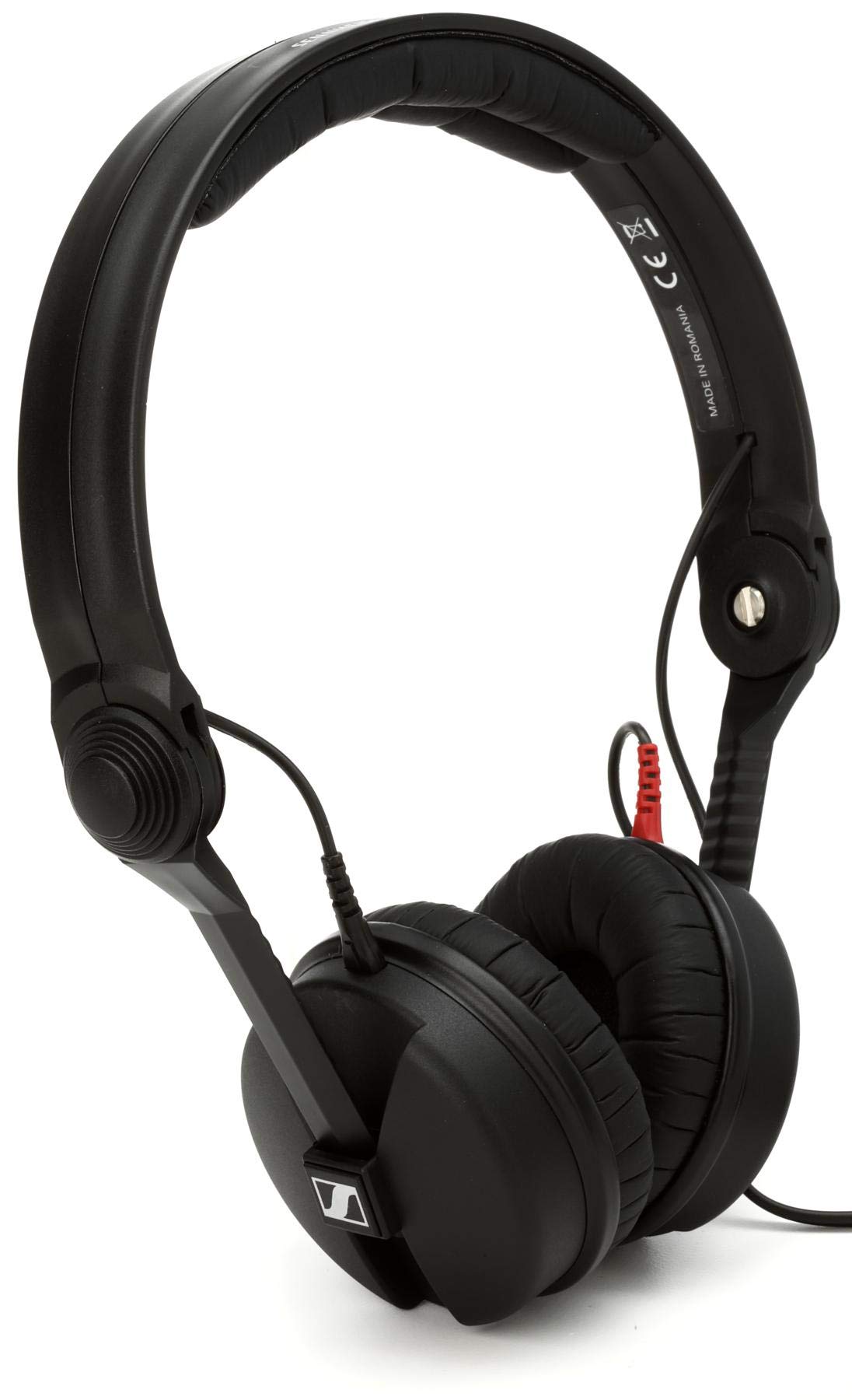
The Sennheiser HD 25, around $130, is a long standing favorite in DJ booths around the world. Its first strength is excellent isolation from its closed back on ear design, which lets you hear cues clearly even next to loud monitors. Its second strength is durability and practicality: the lightweight split headband, rotating ear cup for one ear listening and replaceable parts let it survive years of gigs. Its punchy, detailed sound makes beat matching easy.
The limitation is that the on ear fit can feel tight during very long sessions for some users.
Best Value
The Pioneer DJ HDJ-CUE1, around $85, suits beginners and bedroom DJs who want a purpose built DJ headphone without spending much. Its first strength is a DJ friendly design from a brand behind many controllers and mixers, with swiveling ear cups and a foldable build. Its second strength is clear, bass forward sound that helps you hear kicks and basslines for beat matching.
The limitation is a lighter plastic build than premium models, so handle it carefully during busy gigs.
Best for Beginners
The Audio-Technica ATH-M50x, around $160, is a great first choice for DJs who also produce music or listen critically at home. Its first strength is accurate, detailed studio monitoring sound with strong bass extension, useful for mixing and production. Its second strength is 90 degree swiveling ear cups for one ear monitoring and detachable cables, including a coiled option suited to DJ setups.
The limitation is bulkier ear cups than dedicated DJ models, which can feel large during fast cueing.
How to Choose the Best DJ Headsets: Buying Guide
Here are the features that separate the best dj headsets from ordinary headphones.
Sound Quality and Tuning
DJ headphones prioritize clear bass and mids so you can hear kick drums and basslines for beat matching. Drivers around 40 to 50 mm deliver strong low end, while a frequency response of around 20 Hz to 20 kHz covers the full range. High sensitivity lets the headphones get loud from DJ mixers and controllers. Overly boomy tuning can muddy cues, so balanced bass is best.
Connectivity (Wired vs Wireless)
Wired headphones are essential for performing, since Bluetooth adds latency that throws off cueing. Look for 3.5 mm plugs with a 6.3 mm adapter, and detachable cables you can replace if they fail. Coiled cables stretch as you move behind the decks. Some newer DJ headphones offer low latency wireless systems, but most professionals still prefer cables.
Booth Environment and Monitoring
DJs often monitor with one ear on the headphones and the other on the room. Swiveling or rotating ear cups make one ear monitoring comfortable. In loud clubs, headphones must get loud without distortion and isolate well to protect your hearing from cranking volume too high.
Durability and Build
DJ headphones take abuse. Metal reinforced headbands, sturdy hinges and replaceable parts like cables, pads and headbands extend lifespan. Foldable designs and protective cases help during travel. Water resistance is rarely listed, so protect headphones from spilled drinks.
Comfort, Fit, and Weight
Lightweight headphones are easier to wear on one ear or around the neck during long sets. On ear designs are compact and quick to slide on and off, while over ear designs feel comfortable for longer listening. Replaceable ear pads in leatherette or velour keep comfort fresh.
Isolation and Noise Blocking
Passive isolation from closed back designs blocks crowd and speaker noise without electronics. Active noise cancellation is uncommon in DJ headphones and can affect sound timing, so strong passive isolation is the priority.
Microphone Needs
Most DJ headphones do not include microphones, since DJs use separate microphones for announcements. If you also use headphones for calls or streaming, choose models with detachable cables that support inline mics.
Types of DJ Headsets
Wired DJ Models
Wired DJ headphones are the standard for performance, offering zero latency, rugged builds and swiveling cups. They suit club, mobile and bedroom DJs alike.
Studio Monitor Headphones
Studio headphones like the ATH-M50x and Sony MDR-7506 provide accurate sound for mixing and production, and many work well for DJing too, though they may be bulkier.
Wireless DJ Models
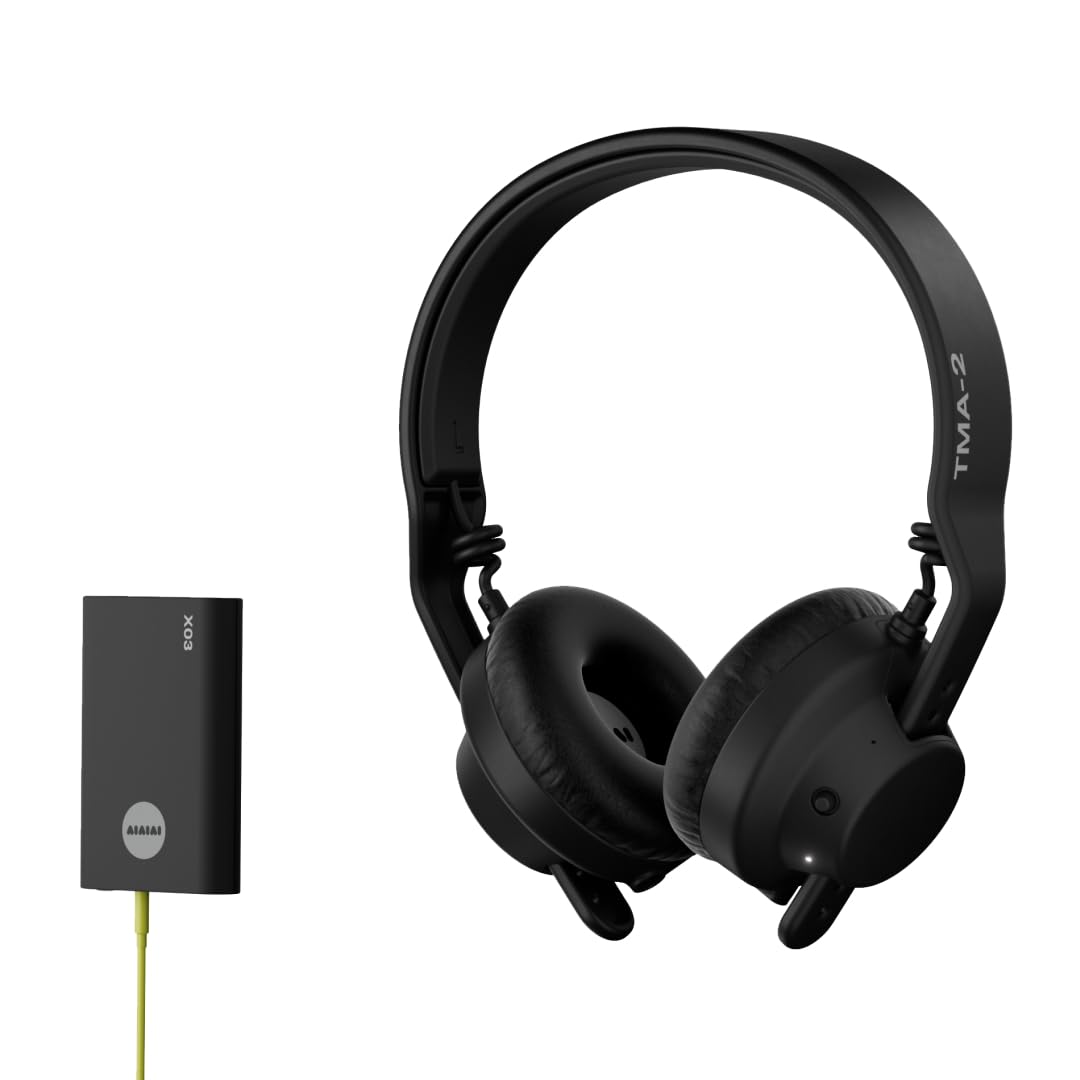
Some DJ headphones, like the AIAIAI TMA-2 DJ Wireless, use low latency wireless links plus Bluetooth for casual listening. They offer freedom from cables but cost more and need charging.
How DJs Use Headphones Behind the Decks
Understanding how DJs use headphones explains why specific features matter. While one track plays through the main speakers, the DJ loads the next track and listens to it privately through headphones, a process called cueing. They adjust tempo and timing until the beats line up with the playing track, then blend the new track into the mix. This requires hearing the cue clearly over loud room sound.
Many DJs press one ear cup to one ear and leave the other ear open to the room, comparing both tracks in real time. Swiveling cups make this comfortable, and lightweight designs let DJs hold headphones against their shoulder between cues. A long or coiled cable gives freedom to move around the mixer, and a secure fit prevents headphones from slipping during energetic sets.
Replaceable Parts and Modular Headphones
Professional DJ headphones are designed for repair. The Sennheiser HD 25 has replaceable cables, ear pads and headband padding, so a broken part does not mean buying a new pair. Modular headphones like the AIAIAI TMA-2 let you choose speaker units, ear pads, headbands and cables to customize sound and comfort. This flexibility saves money over years of gigs and lets you tailor headphones to your style.
Before buying, check that replacement parts are easy to find. Popular models usually have abundant spare parts from the manufacturer and third parties.
DJ Headphones for Different Settings
Club and Festival DJs
Club and festival DJs need maximum isolation, high output volume and rugged builds. On ear designs like the HD 25 are popular for quick one ear monitoring and durability under heavy use.
Mobile and Wedding DJs
Mobile DJs who play long events benefit from comfortable over ear headphones with soft pads, detachable cables and sturdy cases for frequent transport.
Bedroom and Streaming DJs
Home and streaming DJs can prioritize comfort and accurate sound, since rooms are quieter. Studio headphones like the ATH-M50x or Sony MDR-7506 work well for mixing, recording and streaming.
Tips to Get the Most From Your DJ Headset
Keep monitor volume moderate and use the booth monitor when possible to protect your hearing. Store headphones in a hard case when traveling. Wipe ear pads after gigs and replace them when worn. Coil cables loosely, not tightly around the headphones, to prevent damage. Carry a spare cable and 6.3 mm adapter in your bag, since connections often fail at the worst time.
Common Mistakes When Buying DJ Headphones
- Choosing open back headphones. Open back models leak sound and let noise in, making cueing difficult in loud rooms.
- Using Bluetooth for performance. Wireless latency throws off beat matching.
- Ignoring durability. Cheap hinges and fixed cables fail quickly under gig conditions.
- Buying overly bass heavy headphones. Too much bass can blur kick drums and make timing harder.
- Forgetting comfort. Tight clamping force becomes painful during long sets.
Protecting Your Hearing as a DJ
DJs face long exposure to high volume sound, which can cause permanent hearing damage. Use headphones with strong isolation so you do not need to crank volume. Turn the booth monitor toward you to reduce reliance on headphones, take breaks during long sets and consider musician's earplugs for the ear not in the headphone. Regular hearing checks help catch problems early. Protecting your ears keeps you mixing for decades.
Building a Beginner DJ Setup
New DJs need a controller or mixer, software like rekordbox or Serato, a laptop, speakers and headphones. Headphones are among the most important parts, since you rely on them to cue and beat match. Start with a durable, affordable pair like the Pioneer DJ HDJ-CUE1, then upgrade to professional models like the Sennheiser HD 25 as you play bigger venues. Pair your headphones with studio monitors or powered speakers for practice at home.
How Much to Spend on DJ Headphones
Around $80 to $100 buys entry DJ headphones suitable for practice and small parties. Around $130 to $180 covers professional favorites like the Sennheiser HD 25 and studio staples like the ATH-M50x. Around $250 to $300 brings modular and wireless DJ headphones with premium sound and customization. For most DJs, the best dj headsets cost between $85 and $180.
FAQs
Why do DJs use closed back headphones?
DJs use closed back headphones to block crowd and speaker noise so they can hear cues clearly. Closed back designs isolate sound in both directions, helping DJs monitor the next track at safe volumes in loud environments.
Can I use Bluetooth headphones for DJing?
No, standard Bluetooth headphones add latency that makes beat matching difficult. Use wired headphones for DJing. Some specialized DJ headphones offer low latency wireless links designed for performance.
On ear or over ear for DJing?
On ear headphones are lighter and easier to slide on and off, while over ear headphones offer more comfort for long sessions. Many club DJs prefer on ear models like the HD 25, while home DJs often choose over ear studio headphones.
How long do DJ headphones last?
Quality DJ headphones can last many years with replaceable parts. Cables and ear pads wear out first and are easy to replace. Rugged models like the HD 25 are known for long lifespans.
Do DJ headphones work for music production?
Many do, but studio monitor headphones are better for mixing. DJ headphones emphasize bass for beat matching, while studio headphones offer flatter sound for accurate mixing decisions.
Do I need a 6.3 mm adapter?
Yes, most DJ mixers and controllers use 6.3 mm headphone jacks, so an adapter is essential. Many DJ headphones include a screw on adapter. Carry a spare, since adapters are easy to lose in busy booths.
Are expensive DJ headphones worth it?
Expensive DJ headphones are worth it for regular performers who need durability, isolation and replaceable parts. Beginners can start with affordable models and upgrade as they play more often. Professional headphones often last years longer, offsetting their higher price.
The Bottom Line
The right DJ headphones help you hear cues clearly, survive gigs and stay comfortable through long sets. Prioritize isolation, swiveling cups, durable builds and wired connections. Club DJs will love the Sennheiser HD 25, beginners can start with the Pioneer DJ HDJ-CUE1 and producers who also DJ can choose the ATH-M50x for accurate monitoring in the studio and solid performance behind the decks.
Compare the best dj headsets in the product table above to find the right pair for your setup and budget.


